


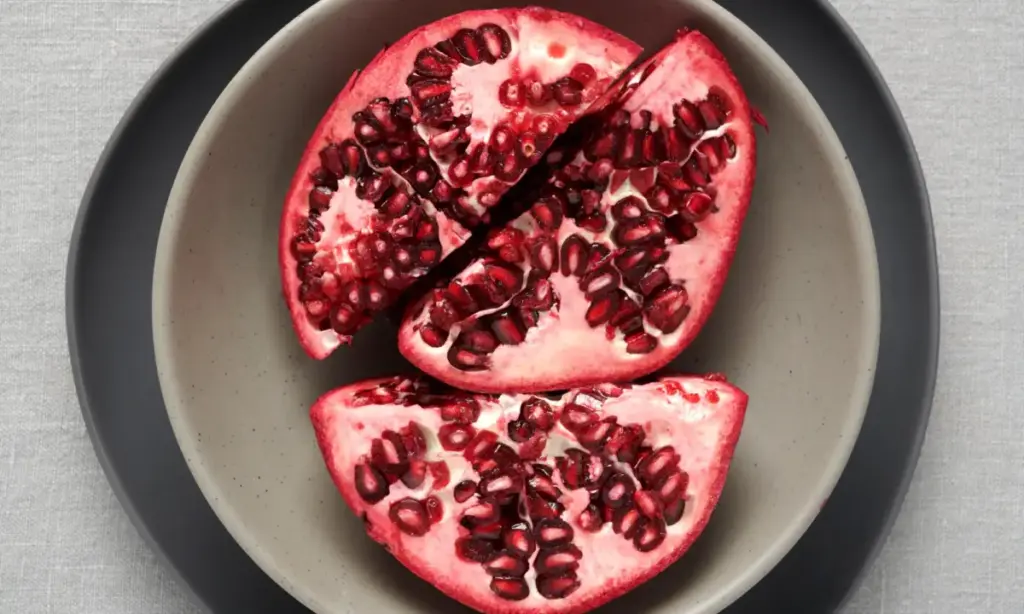
For generations, nutritionists and medical researchers have championed pomegranates as a stellar addition to a heart-healthy diet. The vibrant, ruby-red fruit is celebrated worldwide for its remarkably high concentration of plant compounds known as polyphenols, powerful antioxidants that help neutralize oxidative stress throughout the body. However, a groundbreaking new study reveals that the true cardiovascular magic of pomegranates may not stem directly from the fruit you consume, but rather from the microscopic alchemy performed by your gut bacteria long after you have finished eating.
The research, conducted by a team at Cardiff University and published in the scientific journal Antioxidants, explores how a specific secondary compound manufactured by the microbiome affects artery health in mice. The findings offer a fascinating look into the intricate communication between our diet, our digestive ecosystems, and our cardiovascular system, potentially reshaping how researchers approach dietary interventions for heart disease in the future.
About the Study
To understand the mechanics behind the pomegranate’s reputation, scientists had to look closer at how the human body processes its rich nutritional profile. Pomegranates are undeniably packed with beneficial polyphenols, but there is a significant biological hurdle: these molecules are far too large for the human body to absorb directly through the digestive tract. Instead, they pass into the lower intestine largely intact, where they encounter trillions of resident gut microbes.
These specialized bacteria break down the complex pomegranate polyphenols into smaller, bioavailable molecules called urolithins. Intrigued by this metabolic conversion, the researchers at Cardiff University set out to determine which specific breakdown product is primarily responsible for protecting human arteries from damage.
In the initial phase of the study, scientists tested the original pomegranate polyphenol alongside several of its distinct bacterial breakdown products on human cells in a laboratory environment. They evaluated how each substance influenced cell damage, inflammatory responses, and the cellular absorption of harmful lipids. Across every single metric, one specific compound consistently outperformed the rest: Urolithin A.

Armed with this discovery, the research team advanced to an in-vivo model. They administered Urolithin A directly to a specialized group of laboratory mice that were genetically predisposed to developing atherosclerosis, or clogged arteries. Throughout a rigorous 12-week period, these mice were maintained on a high-fat diet designed to accelerate plaque buildup, allowing scientists to observe whether the compound could counteract the effects of a poor nutritional regimen.
Smaller Plaques and Less Inflammation, Without Changing Cholesterol
The results of the animal trial yielded striking visual and biological differences. The mice that received Urolithin A developed noticeably less atherosclerotic buildup in their arteries compared to the control group. When researchers examined the vascular tissue, they found that the treated mice had smaller plaques and significantly less overall blockage.
Even more compelling than the sheer size of the plaques was their internal composition. The arteries of the mice treated with Urolithin A contained a reduced population of specific immune cells—the aggressive drivers of inflammation that typically render arterial plaques unstable and prone to dangerous ruptures. Simultaneously, these plaques exhibited higher concentrations of stabilizing structural components, including smooth muscle cells and collagen fibers. These elements work together to keep plaques robust, intact, and far less likely to break loose and trigger acute cardiovascular events.
Perhaps the most surprising takeaway from the physiological data was that these profound protective benefits occurred entirely independently of circulating cholesterol levels. Throughout the 12-week study, the mice showed no measurable changes in total cholesterol, low-density lipoprotein (LDL), high-density lipoprotein (HDL), or blood triglycerides. The observed cardiovascular protection came exclusively from dampened inflammation and reduced oxidative cellular damage, offering a stark reminder that heart health is influenced by critical pathways far beyond standard lipid panels.
What This Means for Humans
Because this foundational study was conducted using animal models, researchers emphasize that scientists cannot yet definitively state that the exact same plaque-shrinking phenomena will occur in humans. Nevertheless, there are compelling reasons for medical professionals to view the findings with cautious optimism.
The therapeutic dosage utilized by the researchers scales to roughly 4 milligrams per kilogram of body weight per day in humans. This is a threshold that has already been safely evaluated in human clinical trials investigating entirely different endpoints, such as skeletal muscle preservation and age-related cellular health. Previous human trials have safely administered daily doses of approximately 1,000 milligrams for durations ranging from 28 days to four months, consistently demonstrating improvements in muscle function and mitochondrial efficiency. Consequently, while researchers know that Urolithin A is safe and readily bioavailable in people, they still lack direct clinical trials specifically measuring its impact on human arterial plaque dynamics.

Importantly, the biological mechanisms that Urolithin A successfully modulated in the mouse study—specifically chronic inflammation, oxidative stress, and targeted immune cell activity—are the exact same pathological drivers involved in the progression of human cardiovascular disease. Furthermore, the revelation that this protection operates independently of circulating cholesterol suggests an entirely complementary pathway for heart protection, one that could eventually work alongside traditional cholesterol-lowering strategies rather than simply replacing them.
Why Your Gut Bacteria May Determine How Much You Benefit
One of the most profound implications of this research involves human individuality. Urolithin A is not actually found inside a raw pomegranate. It is a secondary metabolite that requires the active participation of your gut microbiome to exist. When you eat a pomegranate, your internal bacterial population must perform the biochemical heavy lifting required to transform the fruit’s polyphenols into this potent therapeutic compound.
Crucially, not every human gut microbiome is equipped to perform this conversion with equal efficiency. Nutritional science has revealed a distinct division among individuals: some people possess the precise microbial strains necessary to synthesize abundant levels of Urolithin A, while others lack these specific bacterial populations altogether.
This metabolic variability may help explain why previous epidemiological and clinical studies investigating pomegranate consumption and heart health have occasionally yielded mixed or inconsistent results. It suggests that eating the exact same fruit can produce vastly divergent biochemical outcomes depending entirely on the unique microbial ecosystem of the person consuming it.
Pomegranates remain one of the richest natural dietary sources of the precursor polyphenols required for this pathway. While the Cardiff University study tested the isolated compound rather than the whole fruit, the biological trajectory is clear. For individuals whose microbiomes naturally possess the right conversion machinery, eating pomegranates provides the raw ingredients necessary to produce Urolithin A. For those who lack these microbes, direct supplementation of Urolithin A represents an alternative route that bypasses microbiome limitations, though such supplements have primarily been studied for muscle health rather than direct vascular outcomes.
The Takeaway
Ultimately, this new research indicates that the legendary cardiovascular benefits of pomegranates may rely far less on the fruit’s intrinsic chemical makeup and much more on the invisible labor performed within your digestive tract. By demonstrating that Urolithin A can actively shrink arterial plaques and suppress vascular inflammation in high-risk models without altering cholesterol levels, the study opens an intriguing new chapter in nutritional medicine. While rigorous human clinical trials evaluating artery health specifically are still required, the findings highlight a sophisticated gut-heart axis that researchers will undoubtedly continue to monitor closely.