As the stock market continues to scale unprecedented heights, driven largely by a historic frenzy around Artificial Intelligence, investors are once again grappling with an old and familiar anxiety. Every time the market surges to record valuations, a chorus of cautious voices warns that an inevitable and catastrophic crash is looming. For those who remember the dot-com boom of the early 2000s or the 2008 global financial crisis, the current enthusiasm surrounding generative AI feels uncomfortably familiar, raising difficult questions about whether the modern tech boom will ultimately destabilize retirement plans across the globe.

Long-running financial commentators and early retirement advocates are frequently asked how they manage to stay calm amid such economic volatility. Recent public presentations, including a notable talk delivered at Camp FI Midwest and an upcoming appearance at the Bogleheads conference, have tackled these exact concerns head-on. By drawing parallels to past financial panics, observers note that the underlying anxieties driving today’s market watchers are strikingly similar to those of previous decades, even if the specific buzzwords have changed.

Will the AI Bubble Ruin Our Retirement?
When looking back over the past two decades of economic history, it becomes clear that public anxiety is a constant companion to financial growth. Twenty years ago, in 2006, investors were staring down an entirely different set of existential threats. At the time, the financial media was consumed by worries over soaring national debt, escalating inflation, geopolitical conflicts in the Middle East, and the looming threat of the housing bubble. There were also widespread fears that Western jobs would be permanently lost to outsourcing in India and China, alongside fierce debates over "peak oil" and the imminent depletion of global fossil fuel supplies.

Yet, despite those very real and pervasive concerns, the subsequent twenty years saw remarkable economic and technological progress. Even the Great Financial Crisis—sparked by irrational exuberance in the housing market and high-risk financial leverage—proved to be a temporary setback in the grand scheme of long-term market performance. A broad market investment made during that period of peak 2006 anxiety would still have grown substantially over the long term, weathering both the 2008 crash and the subsequent market turbulence caused by the COVID-19 pandemic in 2020.

Beyond the stock market, the broader world experienced significant improvements that rarely make headline news. Global extreme poverty rates dropped dramatically over a twenty-year span, while infant mortality rates were cut in half. At the same time, clean energy innovations drastically altered the global landscape. Solar energy generation expanded exponentially as panel costs plummeted, and electric vehicles grew from a negligible market share into a major component of worldwide transportation sales.

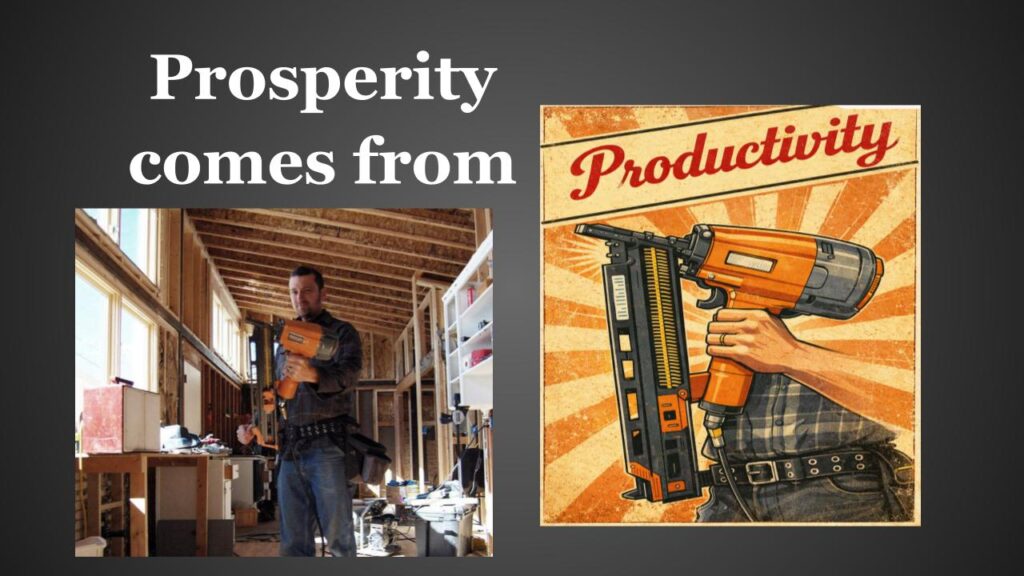
These historical outcomes highlight a fundamental disconnect between short-term fear and long-term reality. While financial systems are inherently volatile and prone to boom-and-bust cycles, the underlying engine of human prosperity has always been productivity rather than temporary stock valuations.

Understanding the Root Causes of Market Anxiety
The financial media thrives on narratives of impending doom, often portraying the stock market and economic systems as fragile houses of cards. However, economists and long-term investors emphasize that true economic prosperity stems from genuine human productivity and practical technological innovation. Financial systems and stock tickers are ultimately human-invented metrics; if a system breaks under the weight of its own excess, societies have repeatedly demonstrated the capacity to rebuild, adapt, and establish new frameworks for commerce.

Despite this historical resilience, many individuals remain gripped by a persistent background fear regarding their financial security. Psychologists and financial educators point out that humans are evolutionary danger-detection machines. Throughout history, this trait was essential for survival against predators, disease, and resource scarcity. However, in modern society, where basic survival needs are frequently met, the human brain simply shifts its goalposts.
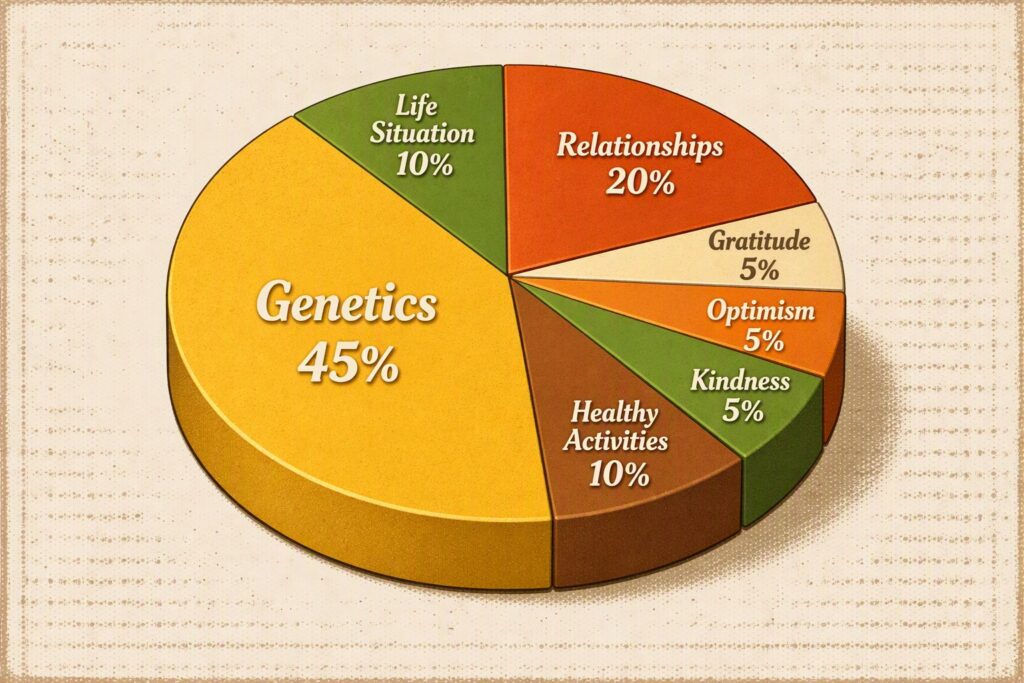
Once people secure their physical safety and financial stability, their anxiety does not disappear. Instead, it migrates toward higher-level concerns, such as tax optimization, estate planning, or managing the rules surrounding retirement account withdrawals. For many, this persistent worry is deeply rooted in personal history, childhood experiences of scarcity, or broader psychological factors that make uncertainty feel inherently threatening.
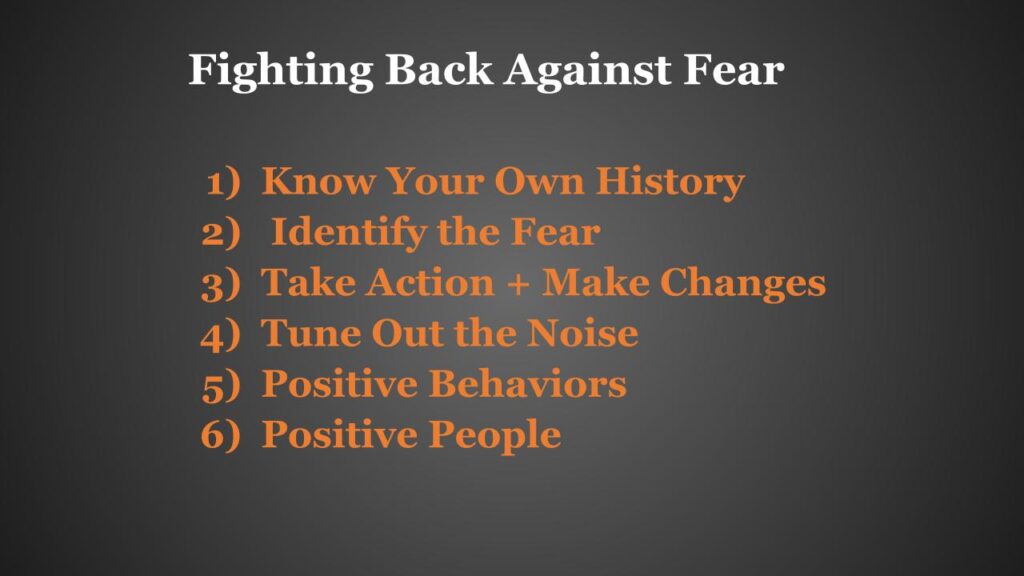
Combatting this pervasive anxiety requires self-awareness and rational thinking. Financial experts suggest that understanding the origins of personal fears—whether derived from family background or past economic trauma—helps separate emotional reactions from objective reality. Furthermore, taking proactive steps to engage with uncertainty helps transform the unfamiliar into the manageable. In essence, taking deliberate action is one of the most effective antidotes to fear, building the resilience needed to adapt to any economic environment.

Everything is an Experiment: Viewing AI Through a New Lens
Rather than viewing technological shifts through a lens of doom and despair, financial commentators suggest adopting an experimental mindset. Whether applied to personal life changes, career transitions, or major macroeconomic shifts like the rise of Artificial Intelligence, treating new developments as experiments reframes potential threats as fascinating opportunities for learning and adaptation.
The current AI boom is frequently likened to the early days of the internet or the rise of mobile technology. While it introduces significant uncertainty and will inevitably cause labor displacement in specific sectors—such as entry-level office work, finance, and eventually transportation—it also promises to boost overall societal efficiency and productivity.

Much like a cognitive nail gun, AI amplifies human capability, lowering the cost of complex intellectual tasks and paving the way for entirely new industries. Naturally, the economic benefits of such technological revolutions tend to concentrate among capital owners and shareholders, reinforcing the importance of broad-based participation in equity markets. Yet, for individual workers and investors, the arrival of AI represents another choice: an opportunity to engage with new tools, expand skill sets, and participate in ongoing economic growth rather than retreating into fear.

Ultimately, navigating modern financial uncertainty requires looking past daily scare headlines and focusing on long-term productivity, personal well-being, and rational decision-making. By recognizing fear as a natural evolutionary impulse rather than an objective prophecy, individuals can better position themselves to handle whatever economic surprises lie ahead.