



For millions of people worldwide living with osteoarthritis, the daily reality is defined by persistent pain, stiffness, and an increasing difficulty in performing basic everyday activities. Current standard treatments—ranging from over-the-counter pain medications to targeted steroid injections—typically focus on temporary symptom management. While these interventions may offer brief relief during flare-ups, they possess a critical limitation: they do not stop the underlying structural damage to the joint from progressively worsening over time.
Now, groundbreaking research emerging from Yale University suggests a fundamentally different therapeutic approach to the disease. In a recent study published in the scientific journal Bioactive Materials, a team of researchers has discovered that an existing medication known as lacosamide can serve a dual purpose in the treatment of osteoarthritis. The drug has been shown to effectively reduce joint pain while simultaneously reversing cartilage damage. Crucially, these regenerative and analgesic effects were found to be exceptionally strong when the medication was delivered directly into the affected joint utilizing a specialized, temperature-sensitive hydrogel.
Why Osteoarthritis Damages Cartilage
Osteoarthritis is frequently described in colloquial terms as a condition driven purely by everyday wear and tear, but that common characterization overlooks much of the complex biology occurring inside the joint.
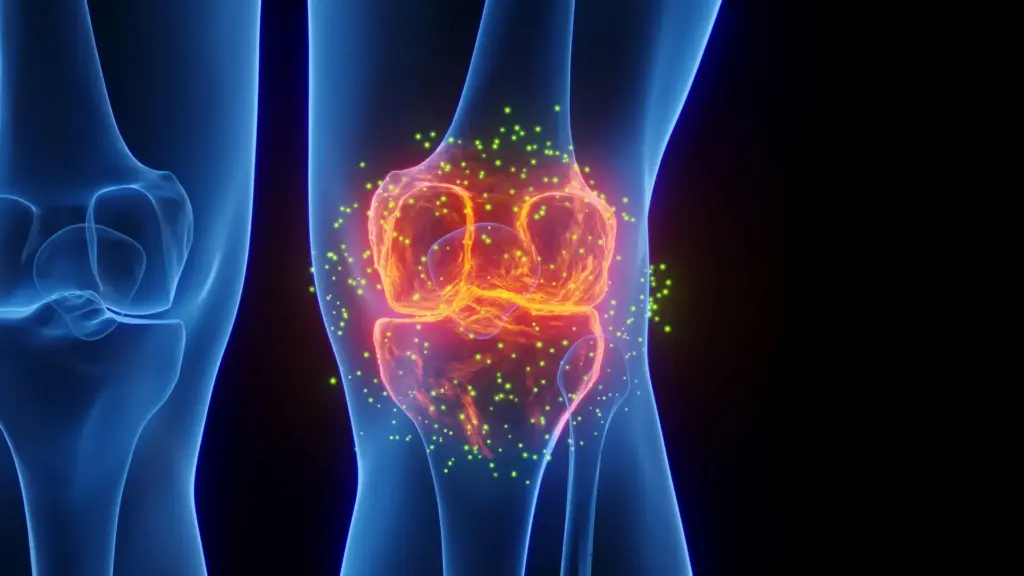
Within a healthy human joint, specialized cells called chondrocytes work continuously to maintain cartilage. They achieve this by striking a delicate, ongoing balance between the creation of new extracellular matrix tissue and the safe removal of old, degraded material. Unfortunately, osteoarthritis actively disrupts that vital physiological balance. Under the influence of the disease, cartilage begins to break down at a much faster rate than the chondrocytes can replace it. Over time, this progressive loss thins the protective cushion until the underlying bones begin to grind directly against one another. As the condition advances to its late stages, many patients experience debilitating pain and loss of mobility, ultimately requiring invasive joint reconstruction procedures such as a total knee replacement.
"There is a major unmet need in osteoarthritis," explains the study’s principal investigator, Chuan-Ju Liu, PhD, who serves as the Charles W. Ohse Professor of Orthopaedics & Rehabilitation at Yale. "We need therapies that don’t just mask pain but actually change how the disease progresses."
At the present time, there is not a single medication approved by the U.S. Food and Drug Administration (FDA) that is capable of both stopping osteoarthritis-related pain and preventing the structural breakdown of joint cartilage. However, the pioneering work led by Liu and his research team suggests that it may soon be possible to address both of these clinical problems with a single, unified therapeutic strategy.
By intelligently repurposing an already approved medication and pairing it with an advanced biomaterial designed to keep the drug localized within the joint, the researchers have outlined an approach that could preserve critical joint tissue while providing sustained pain relief. Importantly, this localized method could achieve long-term comfort without forcing patients to rely on systemic, potentially addictive opioid medications.
A Protein Linked to Pain and Cartilage Loss
The core of the Yale research team’s discovery centers on Nav1.7, a specific protein that functions as a voltage-gated sodium channel. These sodium channels act essentially as microscopic gates embedded within cell membranes, playing a fundamental role in the generation and propagation of electrical signaling throughout the body.
For many years, the scientific and medical communities believed that Nav1.7 operated primarily within specialized nerve cells responsible for transmitting pain sensations up to the brain. Because of this role, the protein has long been a focal point for pharmaceutical development targeting various chronic pain syndromes. However, more recent investigative work conducted by Liu and his laboratory team revealed a surprising twist: the Nav1.7 protein is also unexpectedly active within chondrocytes, the very cells tasked with maintaining and repairing cartilage.
In a healthy joint, Nav1.7 remains relatively quiet and exhibits low baseline activity. In stark contrast, within an osteoarthritic joint, the activity of this protein increases substantially. The researchers discovered that this heightened, dysregulated activity does double damage. It intensifies pain signaling pathways while simultaneously driving chondrocytes to actively break down the cartilage matrix they would normally help preserve.
This dual involvement makes Nav1.7 a uniquely valuable therapeutic target. Because it appears to simultaneously influence both the subjective sensation of pain and the physical, destructive deterioration of joint tissue, finding a way to safely modulate it could yield unprecedented clinical benefits.
"When Nav1.7 becomes dysregulated, it contributes to both joint degeneration and pain," Liu notes. "Our findings suggest that Nav1.7 is a dual-acting target. By blocking this single protein, we can potentially quiet the pain nerves and tell the cartilage cells to not only stop breaking down but start repairing as well."
Epilepsy Drug Shows Potential for Cartilage Repair
Rather than attempting the lengthy and costly process of designing and synthesizing an entirely new chemical entity from scratch, Liu’s team decided to test existing pharmacological agents known to inhibit sodium channels. Among the various compounds evaluated, lacosamide emerged as the standout candidate. It produced powerful biological effects at considerably lower concentrations and demonstrated a significantly better safety profile compared to older, traditional drugs within the same pharmacological class.
Lacosamide is already an established medication utilized clinically as a treatment for epilepsy, meaning its human safety parameters are already well understood. However, the researchers discovered that its ability to promote cartilage repair depended heavily on precise dosing parameters.
Interestingly, when it came to lacosamide, more was not necessarily better. At an ideal, low concentration, the drug successfully encouraged cells to manufacture proteins involved in building new cartilage while simultaneously suppressing the destructive biological processes that break tissue down. However, when the concentration of the drug was either too high or too low, those beneficial therapeutic effects began to fade away entirely.
"This tells us the system is finely tuned," Liu observes. "There is an optimal range where the drug helps restore balance without overcorrecting. What stood out was not just its effectiveness, but how little of a dose was needed."
Further biochemical investigation revealed that lacosamide also alters the fundamental ways that joint cells communicate with one another. Specifically, the drug was found to stimulate the targeted release of two highly beneficial signaling proteins: HSP70 and midkine.
HSP70 is well known for helping cellular structures respond effectively to physical stress while supporting overall tissue repair mechanisms. Meanwhile, midkine plays an important role in regulating inflammation and protecting underlying joint tissues from progressive degeneration. Working together, these proteins appear to foster a biological microenvironment that is substantially more favorable for the long-term maintenance and health of cartilage.
"These proteins create a supportive environment for cartilage maintenance," Liu explains. "They allow the effects of the drug to extend beyond individual cells and influence the entire tissue."
Smart Hydrogel Keeps the Drug Inside the Joint
During initial preclinical testing, administering lacosamide orally proved effective at reaching target systems, but standard medications taken by mouth circulate throughout the entire body via the bloodstream. This systemic distribution inherently increases the potential for unwanted side effects in unrelated organs and tissues.
To circumvent this limitation, the researchers investigated intra-articular injection—a technique that allows the medication to be placed directly inside the cavity of the affected joint, maximizing local exposure while minimizing systemic presence.
Even with direct injection, however, a significant physiological hurdle remained to be cleared. "The knee joint, which is also the most common location for osteoarthritis, naturally acts like a leaky bucket," Liu points out. "The body’s natural drainage system can clear out liquids injected into the knee within hours."
To keep the medication localized within the joint for extended periods, the Yale team engineered a specialized hydrogel formulated from Collagen II. This advanced biomaterial possesses unique thermoresponsive properties: it remains in a fluid, liquid state while inside a cool medical syringe, but rapidly transitions into a firm, gel-like matrix once it reaches normal human body temperature.
Once successfully delivered inside the joint space, this smart gel functions as a stable storage reservoir for the lacosamide. It keeps the medication highly concentrated right where it is needed most, while gradually releasing the active compound over the course of several weeks.
"The hydrogel acts as a local reservoir," Liu says. "It holds the drug in place in the location it is needed most and releases it slowly over time. It transforms a daily pill into a long-lasting, local treatment that stays active for a month or longer."
In the team’s preclinical trials, administering just a single injection of the lacosamide-loaded hydrogel every four weeks prevented structural cartilage loss significantly more effectively than administering a daily oral dose of the medication.
Existing Drug Could Speed Clinical Testing
One of the most practical and immediate advantages of utilizing lacosamide is that the drug has already achieved regulatory approval for human use in other medical contexts. This established safety track record could potentially make it possible for researchers to advance toward formal clinical trials in osteoarthritis patients much more rapidly than would ever be feasible with a newly synthesized molecule.
Furthermore, lacosamide has already undergone human clinical testing for specific nerve-related pain conditions linked directly to Nav1.7 mutations. Those prior human data provide the research team with a greater degree of confidence that the promising effects observed in laboratory settings could eventually translate into meaningful, tangible pain relief for everyday patients suffering from joint disease.
This innovative work also reflects a broader, highly promising direction in modern translational medicine, one that increasingly combines established pharmacological agents with advanced biomaterials to gain precise control over where and how therapeutic compounds are delivered in the body. If this localized delivery approach ultimately proves successful in human clinical trials, it could eventually reduce the sheer volume of medical procedures patients require, limit unwanted systemic side effects, and provide significantly longer-lasting biological protection against structural joint damage.
"We are not just developing a treatment," Liu concludes. "We are developing a system that allows the medicine to work more effectively where it matters most. Our goal is to move beyond symptom control and towards true disease modification. This effort brings us closer to that reality."