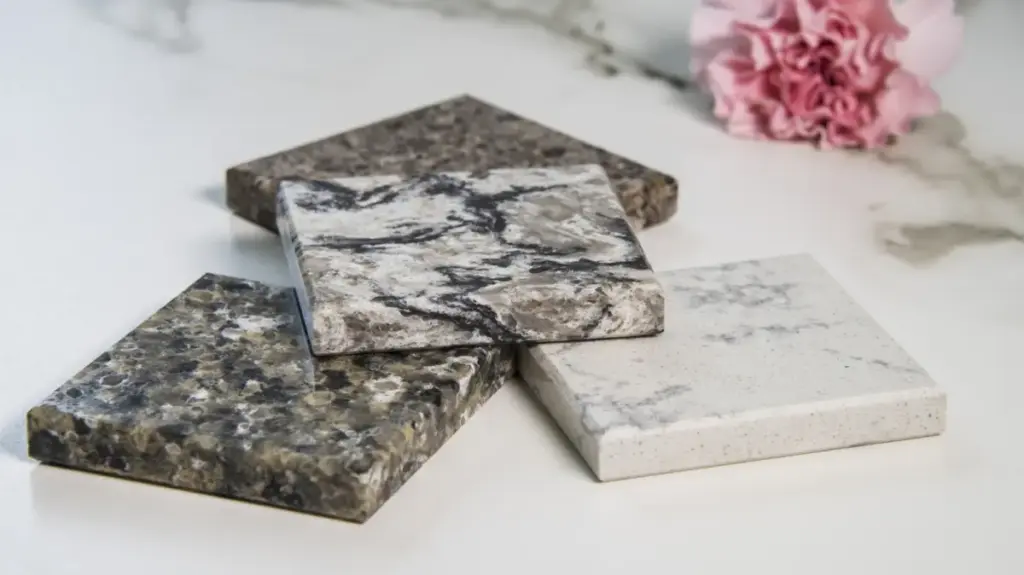
Granite has long reigned as one of the most popular and dependable choices for kitchen renovations. Celebrated for its exceptional durability, the natural stone is remarkably scratch- and heat-resistant—outperforming alternatives like quartz in high-temperature environments—while remaining relatively straightforward to maintain over decades of daily use. However, outfitting an entire kitchen with traditional stone slabs can place a heavy burden on a remodeling budget. In an effort to curb expenses, cost-conscious homeowners have increasingly turned toward modular granite as a seemingly clever workaround. Unfortunately, industry experts and a growing number of disappointed renovators report that these prefabricated options are frequently delivering heavy doses of buyer’s remorse rather than the dream kitchen they promised.
Unlike traditional custom countertops, which require professional measurement, template creation, and precision cutting from massive stone slabs at a warehouse, modular granite relies on a collection of smaller, pre-cut mini-slabs designed to be pieced together to complete a kitchen layout. Because these individual pieces are significantly smaller and lighter than their full-sized counterparts, the appeal to DIY enthusiasts is immediate. In theory, a homeowner can transport these manageable sections home and install them without the steep labor fees typically charged by professional stone fabricators.
Yet, beneath the initial allure of labor savings and convenience lies a cascade of structural and aesthetic disadvantages that often outweigh the upfront financial relief. Because modular granite relies on mini-slabs rather than continuous runs of stone, a finished countertop inevitably features a significantly higher number of visible seams. This proliferation of joints not only disrupts the sleek, uninterrupted aesthetic that many homeowners desire, but it also creates structural vulnerabilities. With more seams intersecting across high-traffic prep areas, the risk of chipping, cracking, or edge separation increases substantially as the kitchen settles and experiences daily wear and tear.
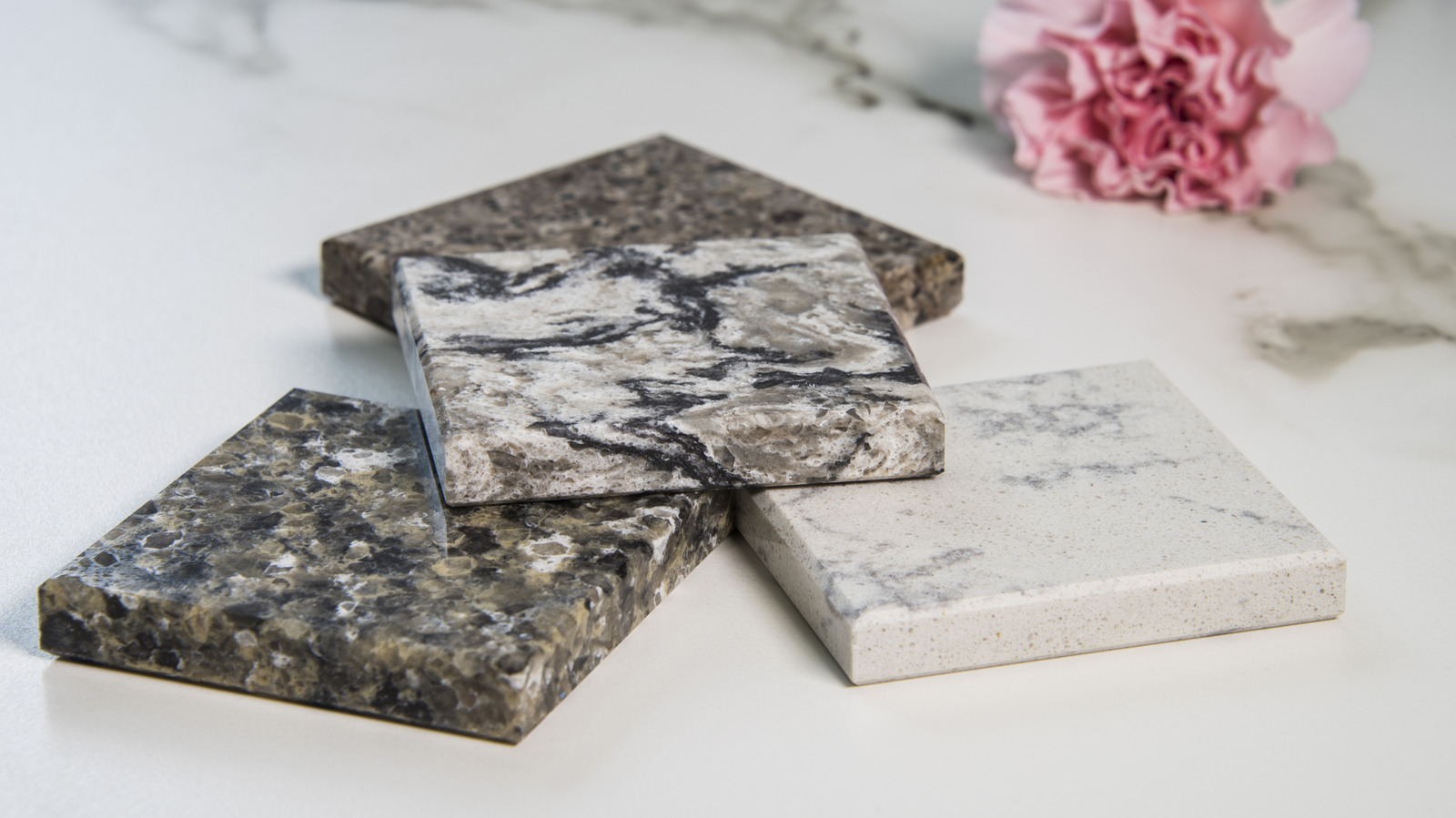
Compounding the structural concerns is the physical composition of the material itself. Modular granite mini-slabs are generally manufactured to be thinner than the heavy-duty slabs stocked at reputable stone warehouses. This reduced thickness diminishes the overall load-bearing capacity of the counter, elevating the likelihood that a section might crack or break during the installation process or under the weight of heavy kitchen appliances. For homeowners attempting a do-it-yourself installation to save money, a single broken mini-slab can quickly erase any financial savings, forcing unexpected replacements and turning a budget-friendly project into a logistical headache.
Beyond structural vulnerabilities, design-conscious renovators often find themselves deeply disappointed by the severe limitations in style and availability. The market for modular granite is remarkably narrow, with very few suppliers offering these pre-cut mini-slabs as a standard product line. As a result, homeowners attempting to match a specific interior aesthetic find themselves starved for choices when it comes to colors, patterns, and mineral variations. Because local stone yards rarely keep modular granite in stock, buyers are frequently forced to order the materials online or through specialty distributors, meaning the mini-slabs must be shipped long distances. This shipping process introduces an expensive logistical hurdle, alongside an elevated risk of transit damage that leaves the homeowner accountable for fractured stone before installation even begins.
Which Better Countertop Options Should Homeowners Consider?
For homeowners eager to enjoy the timeless elegance and durability of natural stone without falling into the modular trap, industry professionals suggest exploring several alternative approaches that balance cost with quality and visual impact. First and foremost, experts advise looking into traditional entry-level granite slabs sourced directly from a local stone warehouse. Contrary to popular belief, standard-grade granite is not universally prohibitive; prices can start at quite reasonable rates per square foot. By steering clear of exotic, rare stones and unusually complex colorways in favor of simpler, widely available varieties, renovators can secure a continuous, high-quality natural stone surface that fits comfortably within a modest budget.
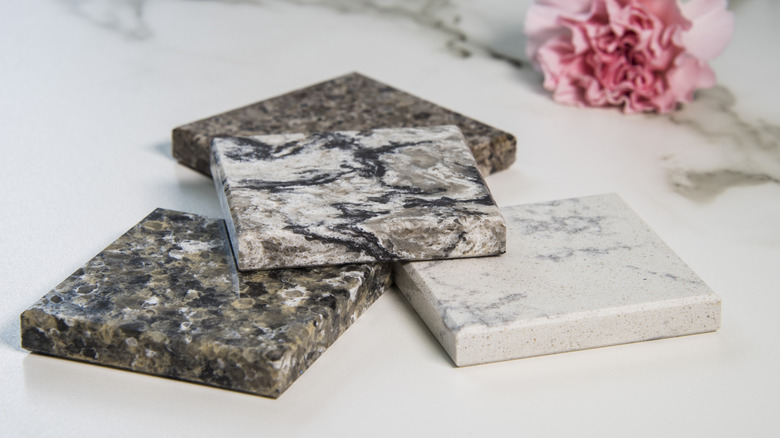
When it comes time to customize the finishing touches, opting for a basic edge profile can also yield significant savings. Selecting a straightforward eased edge—characterized by a clean 90-degree cut with slightly rounded corners—avoids the inflated fabrication costs associated with intricate, decorative edges or substantial mitered profiles. This approach preserves the integrity and seamless beauty of a full stone slab while keeping labor and processing fees to a minimum.
Homeowners seeking a balance between affordability and distinctive visual flair often find a compelling alternative in engineered quartz. While the baseline price point for quartz is frequently comparable to traditional granite, the manufacturing process allows for greater design flexibility. Because quartz is engineered rather than quarried, less traditional patterns, uniform background tones, and unique artistic elements can be introduced during fabrication. This offers buyers a wider spectrum of stylistic choices at various price points without requiring the compromises inherent in prefabricated natural stone products.
For those whose renovation dreams center on a dramatic, show-stopping centerpiece and who happen to feature a freestanding kitchen island, interior designers emphasize a liberating rule of thumb: kitchen islands are not strictly required to match the perimeter countertops. By strategically investing in a single, eye-catching, premium stone slab exclusively for the island—where it can command attention as a functional piece of art—homeowners can pair it with a simpler, more affordable complementary slab for the surrounding wall counters. This design strategy delivers the high-end, dramatic aesthetic many homeowners crave while eliminating the need to finance an entire kitchen’s worth of premium materials.