
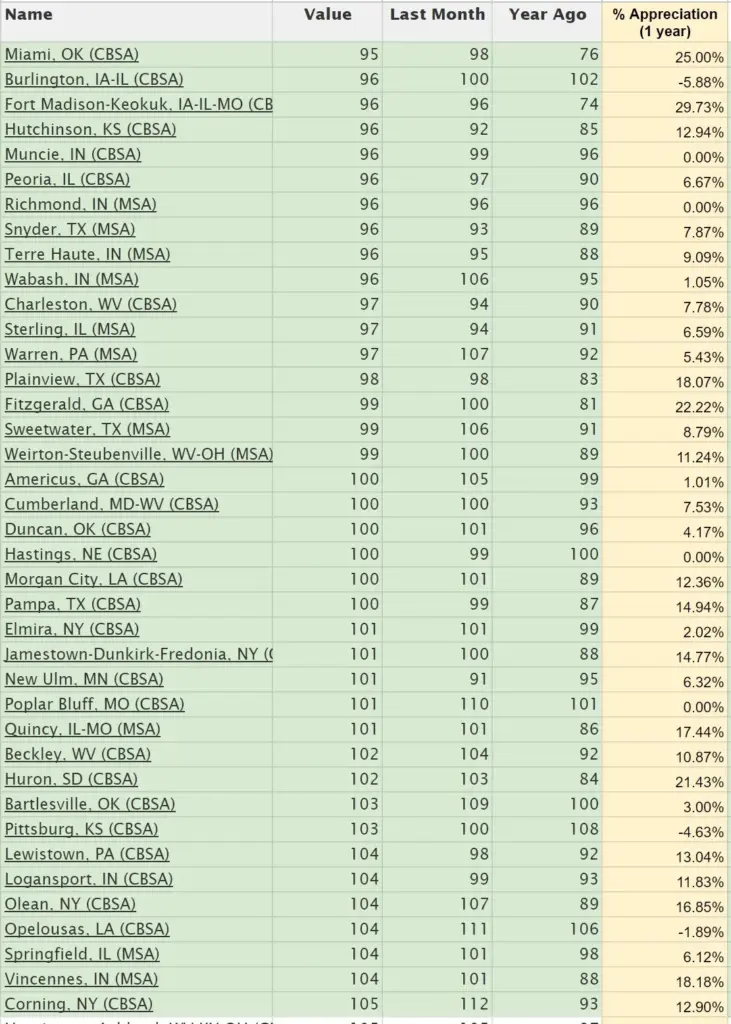
The reader’s critique pointed to a widely held frustration among younger adults: the perception that early retirement advice relies heavily on a bygone era of tech-sector boom salaries, affordable housing markets prior to 2019, and accessible house-hacking strategies that are increasingly blocked by modern municipal zoning laws and skyrocketing borrowing costs. According to this viewpoint, traditional FIRE blueprints feel increasingly out of reach for individuals who entered adulthood after the economic shifts of the pandemic and do not already possess significant real estate equity or six-figure incomes.

Rather than dismissing the critique, the conversation has opened up a broader examination into whether core financial independence principles are genuinely becoming obsolete or if the pushback stems from perennial economic hurdles and shifting market realities. Observers note that throughout the history of the modern financial independence movement, critics have regularly questioned its viability amid changing economic cycles. The current debate, however, zeroes in on two distinct pillars of modern wealth-building: inflated compensation trends and the dramatic escalation of real estate prices.
While high-earning sectors like software engineering and medicine continue to command substantial compensation packages, financial experts emphasize that soaring income alone has never been the primary focus of sustainable wealth strategies. Data consistently demonstrates that high earners can just as easily mismanage substantial incomes, leaving them with little accumulated savings after decades in the workforce. Consequently, the core philosophy relies less on chasing an elusive top-tier salary and more on curbing financial waste, optimizing everyday spending, and aligning expenditures with personal values—skills that carry even greater weight as individuals navigate tighter budgets.
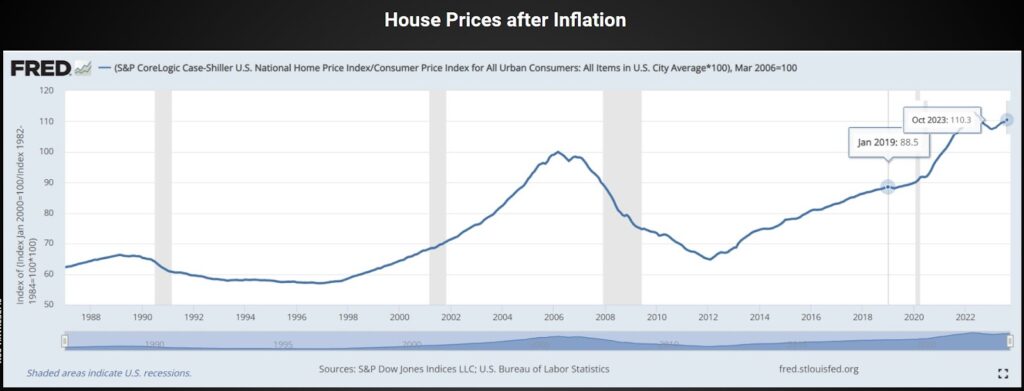
The more pressing challenge lies in the housing market. Adjusting for inflation, nationwide housing data from the St. Louis Federal Reserve indicates that homes feel roughly 25% more expensive relative to average wages and general consumer goods than they did at the beginning of 2019. While this represents a notable hurdle for buyers, historical comparisons put the figure in perspective, showing that prices have risen only about 10% since the previous market peak in early 2006.
However, national averages often obscure severe local disparities. In popular regional hubs, such as Longmont, Colorado, median home prices have tripled since 2011, vastly outpacing local wage growth and pushing traditional ownership far out of reach for the average earner. Rather than accepting geographical lock-in as an immutable barrier, financial analysts argue that aspiring homeowners must reevaluate how they approach real estate as a consumer product subject to supply, demand, and regional variance. Just as individuals do not expect to automatically afford luxury goods simply because they were born near a corporate headquarters, proximity to a specific hometown does not guarantee perpetual affordability.
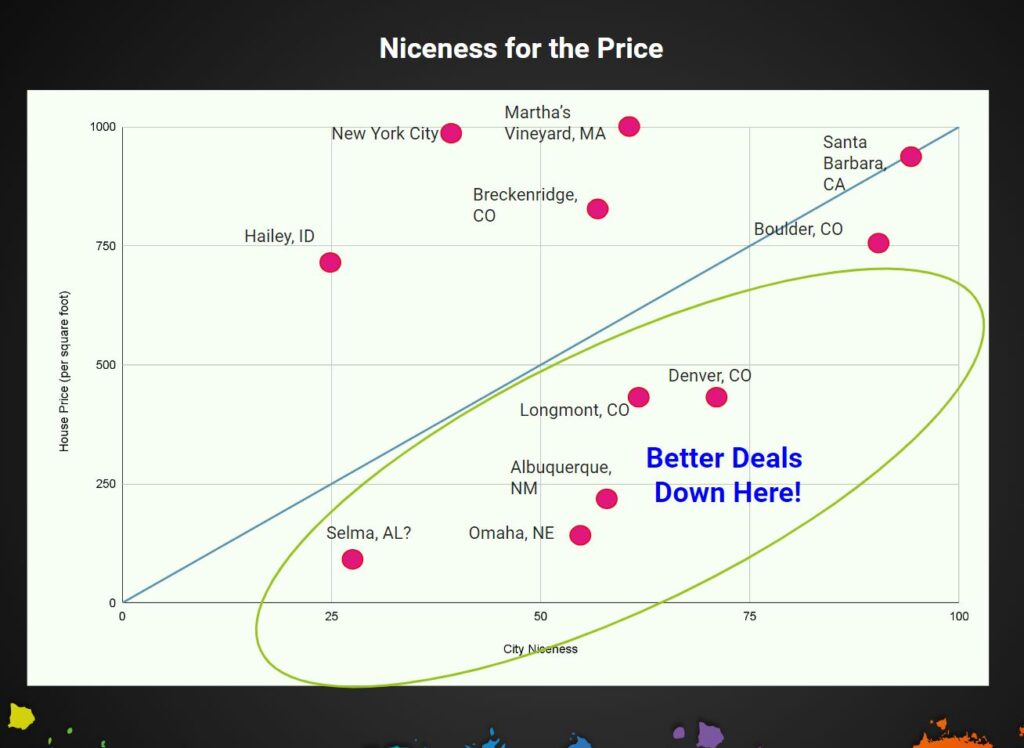
This realization opens the door to geographic arbitrage—the strategy of analyzing regional housing costs and relocating to areas that offer a higher quality of life for a fraction of the price. While moving away from established social circles and familiar surroundings can feel daunting, the financial penalty of remaining in an artificially inflated market can translate into years of mandatory labor. Regional data tracking price-per-square-foot metrics across hundreds of metropolitan areas reveals a stark contrast between high-cost coastal and mountain enclaves and moderately priced cities that offer robust amenities, favorable climates, and stable local economies.
For those willing to cast an even wider net, digital tools created within the financial independence community allow prospective retirees to model international and cross-country relocation based on detailed monthly budgets, regional climate preferences, and family size. Exploring these alternative landscapes often reveals vibrant mid-sized communities where the cost of living aligns far more closely with median incomes. Whether evaluating mid-sized metropolitan areas domestically or exploring opportunities across international borders, the underlying process remains an exercise in administrative logistics rather than an insurmountable barrier.
Ultimately, the debate highlights that the path to financial independence is not a rigid blueprint tied to a specific decade, but rather a flexible framework centered on intentional choices. While macroeconomic conditions like interest rates and localized housing shortages present genuine hurdles, the fundamental power to control expenses, evaluate living environments, and make deliberate choices about where and how to live remains entirely in the hands of the individual. As the financial independence community continues to evolve, the conversation increasingly points toward adaptability, data-driven research, and the willingness to question long-held assumptions about where one is supposed to build a life.