Choosing the right dog food for a pet diagnosed with liver disease is a highly complex task that must begin in the veterinary clinic rather than the pet food aisle. While commercial marketing often highlights generalized "liver superfoods" or detoxifying ingredients, veterinary experts emphasize that effective hepatic support depends entirely on a highly individualized diagnosis. Because the liver performs hundreds of vital functions, liver disease can manifest in vastly different ways depending on the specific condition, the dog’s current liver function, bloodwork trends, clinical symptoms, and overall body condition.
A diet that offers life-saving support for one canine liver patient could be unnecessarily restrictive, or even harmful, for another. Consequently, veterinarians must evaluate several critical clinical factors—such as whether a dog has abnormal copper accumulation or is suffering from hepatic encephalopathy—before recommending a specific dietary path. These nutritional decisions are not interchangeable, and any dietary modification must be tailored to the individual animal’s needs.
How Liver Disease Alters Nutritional Requirements
The canine liver is a hardworking organ responsible for processing nutrients, storing energy, synthesizing essential proteins, and filtering waste products from the bloodstream. When liver function is compromised, the primary goal of a therapeutic diet is to reduce the organ’s metabolic workload while still providing complete, balanced nutrition to sustain the rest of the body.
According to guidelines from the MSD Veterinary Manual on nutrition in hepatic disease, dietary modifications must be closely tied to the dog’s clinical status, a definitive diagnosis, and a formal assessment of liver function. Furthermore, therapeutic diets must be highly palatable, easily digestible, and offered in a manner that encourages voluntary food intake, as secondary complications like nausea can severely suppress a dog’s appetite.
This highly individualized approach is necessary because "liver disease" is an umbrella term encompassing a wide range of distinct medical conditions. Chronic hepatitis, copper-associated hepatopathy, portosystemic shunts, hepatic encephalopathy, gallbladder disease, acute toxin exposure, and isolated elevations in liver enzymes each require a unique therapeutic strategy.
To determine the most appropriate diet, a veterinarian may run a series of diagnostic tests. These can include repeat blood chemistry panels, urinalysis, bile-acid testing, abdominal imaging, clotting factor tests, or a liver biopsy. A biopsy is particularly valuable because it can pinpoint the exact type and stage of the disease, and quantitative tissue analysis can confirm whether abnormal copper accumulation is occurring. The depth of the diagnostic workup depends heavily on the dog’s clinical stability and the suspected underlying cause of the liver dysfunction.
A Clinical Framework for Hepatic Diet Selection
Rather than relying on generic product ratings, veterinarians utilize a clinical decision framework to translate a diagnosis into a highly specific nutritional prescription. This process involves answering several fundamental questions about the patient’s unique pathology:
First, clinicians must determine if copper is actively accumulating in the liver tissue. Excess copper acts as a cellular toxin, causing ongoing oxidative damage and inflammation. If copper accumulation is confirmed or highly suspected, the animal requires a veterinary diet with strict, reliable copper restriction.
Second, the veterinary team must look for signs of hepatic encephalopathy, a neuropsychiatric syndrome that occurs when the liver cannot properly process nitrogen-consuming waste products like ammonia. When these toxins bypass the liver and enter systemic circulation, they affect brain function. In these cases, the source and overall level of dietary protein must be carefully adjusted under direct veterinary supervision.
Third, the dog’s physical condition must be continuously assessed. If a dog is rapidly losing weight or muscle mass, inadequate caloric intake can stall recovery and further weaken the animal. In these scenarios, maintaining palatability, providing highly digestible calories, and conducting frequent physical re-evaluations take priority over aggressive nutrient restrictions.
Fourth, veterinarians evaluate whether fat digestion is impaired or if a concurrent fat-sensitive condition, such as pancreatitis or certain gallbladder disorders, is present. Contrary to popular belief, most canine liver patients do not require automatic fat restriction and can digest dietary fat normally. Adjustments to fat levels should only be made when there is a clear, diagnosed clinical reason to do so.
Finally, the team must address whether the dog will reliably eat the prescribed food. Prolonged inappetence in a dog with liver disease can quickly become a medical emergency. Offering smaller, more frequent meals and utilizing veterinary-approved appetite stimulants or assisted nutrition techniques may be necessary to support a patient unwilling to eat.
Ultimately, the best food for a dog with liver problems is one that meets the specific nutrient parameters established by their diagnosis while providing the necessary calories, vitamins, minerals, and moisture to support overall health. Because a dog’s clinical status can change over time, the optimal dietary plan may also need to evolve, transitioning from a highly cautious approach during acute illness to a more calorie-dense format as the patient stabilizes.
Balancing Protein, Copper, Fat, and Calories
The essential nutrients in a hepatic diet are deeply interconnected. Restricting a single nutrient too aggressively without considering the broader nutritional profile can lead to secondary deficiencies, particularly in dogs already suffering from muscle wasting. For this reason, veterinary professionals recommend utilizing professionally formulated, complete diets rather than attempting to alter individual ingredients in isolation.
The Nuances of Dietary Protein
A common misconception is that all dogs with liver disease should immediately be placed on a low-protein diet. However, the MSD Veterinary Manual notes that liver disease alone does not justify automatic protein restriction. In fact, restricting protein unnecessarily can accelerate muscle loss and weaken the immune system.
Protein restriction is primarily reserved for dogs showing active signs of hepatic encephalopathy, those with ammonium biurate crystals in their urine, or those with confirmed portosystemic shunts. Hepatic encephalopathy can cause noticeable neurological symptoms, including disorientation, pacing, head pressing, temporary blindness, weakness, or seizures. In these critical cases, modifying dietary protein is a vital medical intervention. Veterinarians will typically select highly digestible, alternative protein sources that produce less ammonia during digestion, adjusting the overall levels gradually while monitoring the dog’s mental status.
Congenital portosystemic shunts, which are more common in young dogs, present a different challenge because blood bypasses the liver entirely. These growing animals have vastly different nutritional, energetic, and medical requirements compared to an older dog suffering from chronic hepatitis, illustrating why a generic "liver support" label is insufficient.

Managing Copper and Fat Levels
In cases of copper-associated hepatopathy, the diet plays a direct role in managing the disease. Prescription hepatic diets are formulated with strict copper limits and increased levels of zinc, which helps block the absorption of copper in the intestines. Simply avoiding organ meats in a standard diet is not enough to manage this condition, as copper levels in over-the-counter pet foods can vary widely. Managing copper-associated disease also involves close medical monitoring and potential chelation therapy, as food alone cannot remove copper that has already accumulated in the liver.
Regarding dietary fat, most hepatobiliary patients do not require a low-fat diet unless they have a concurrent condition like pancreatitis or hyperlipidemia. Adjusting caloric density is crucial; thin or nauseated dogs benefit from calorie-dense foods that deliver high energy in small portions, while less active dogs may need carefully managed portions to prevent unwanted weight gain.
Micronutrients and Hydration
Vitamins and minerals must also be balanced with precision. Some liver patients may require supplementation with water-soluble vitamins or vitamin K, but excessive amounts of fat-soluble vitamins (A, D, and E) can accumulate in the liver and cause toxicity. Additionally, veterinarians caution against supplementing vitamin C in dogs with copper storage hepatopathy, as it can worsen the oxidative damage associated with metal accumulation.
Clean, fresh water should always be available. Increased thirst and urination are common symptoms of liver disease, and restricting water access can lead to severe dehydration.
Evaluating the Role of Veterinary Hepatic Diets
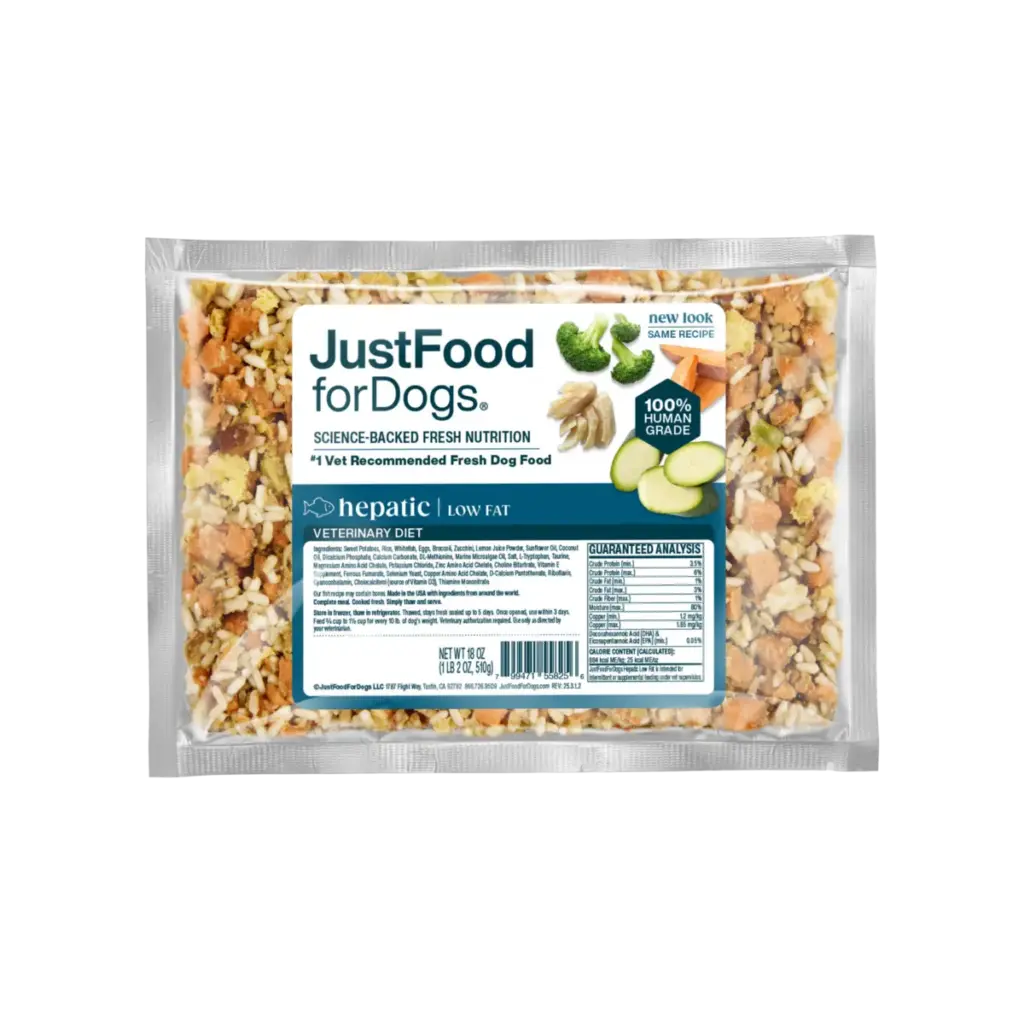
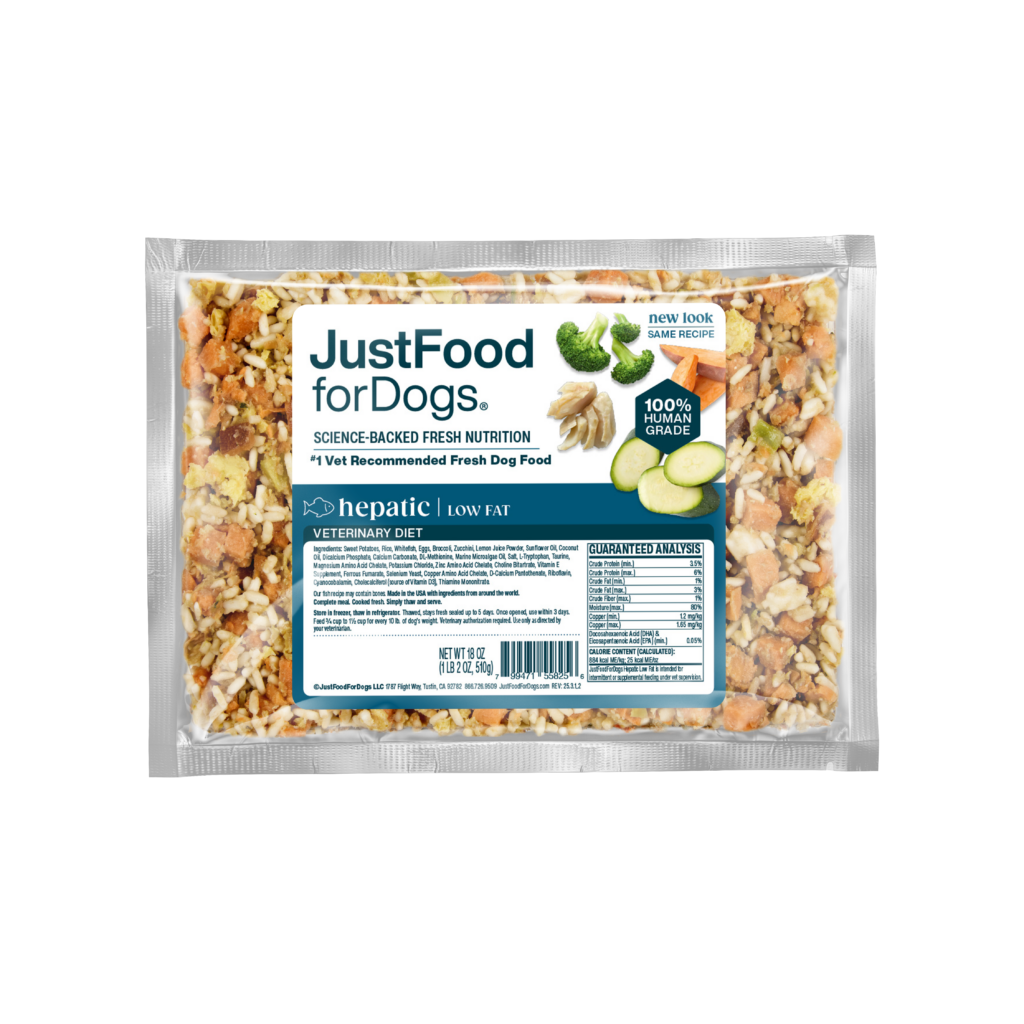
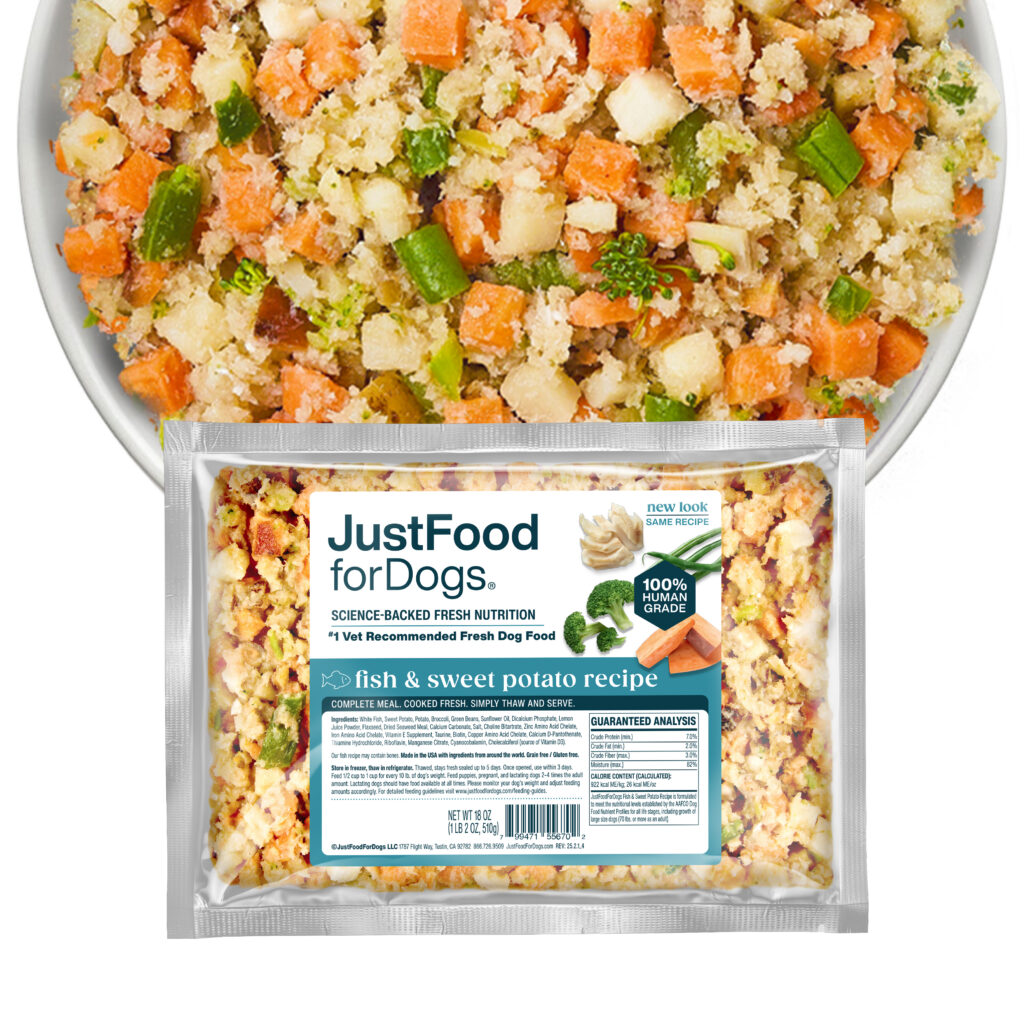
Therapeutic options like JustFoodForDogs Hepatic Support Low Fat are formulated to meet these precise clinical demands. Built on a fresh-frozen recipe of sweet potatoes, long-grain white rice, eggs, white fish, broccoli, and zucchini, this specific formula provides a highly digestible, controlled-protein, and copper-restricted option for dogs requiring specialized hepatic care.
With a guaranteed analysis of 1% minimum and 3% maximum crude fat as fed, and a calorie density of 25 kcal per ounce, this diet offers veterinarians a clear, consistent nutrient profile to compare against a patient’s laboratory results. Because of its targeted formulation, this diet requires veterinary authorization before purchase. It is also important to note that this recipe was not formulated as a primary treatment for pancreatitis, and should not be used as such without a comprehensive veterinary assessment.
Veterinary professionals emphasize that an abnormal liver enzyme level on a routine blood panel is not a definitive diagnosis and should not prompt an immediate switch to a restricted diet. A full diagnostic workup is required to determine if restrictions are truly necessary.
When discussing therapeutic diets with a veterinary team, owners should ask for specific daily calorie targets, expected portion sizes, and clear criteria for when to modify or discontinue the diet. A structured plan prevents the common mistakes of choosing a food based on a single low nutrient or assuming one hepatic diet fits all liver conditions.
Feeding, Monitoring, and Long-Term Care
Even the most precisely formulated hepatic diet will fail if a dog refuses to eat it or if the dietary transition is made too quickly. For stable dogs, veterinarians typically recommend a gradual transition over several days, mixing increasing amounts of the new food with the old. However, if a dog is actively vomiting, jaundiced, or showing neurological signs, a standard transition is inappropriate, and immediate veterinary intervention is required.
For dogs with poor appetites, offering smaller, more frequent meals can help encourage voluntary intake. If a patient remains completely anorexic, assisted feeding methods may be discussed. Assisted feeding should only be performed under the direct guidance of a veterinary professional.
The Risks of Unformulated Homemade Diets
While home-prepared diets can be highly successful, they must be designed by a board-certified veterinary nutritionist to ensure they are complete and balanced. Generic online recipes, such as simple chicken and rice, lack essential vitamins, minerals, and fatty acids, and fail to provide the reliable copper or protein control required for hepatic patients. When using a custom-formulated recipe, owners must weigh ingredients precisely and avoid making any ingredient substitutions without consulting their nutritionist.
Utilizing an Appetite and Tolerance Log
To maximize the value of veterinary rechecks, owners should maintain a daily log tracking the dog’s food intake, stool consistency, body weight, and any behavioral changes. This log helps the veterinary team make data-driven decisions during follow-up appointments.

According to the MSD Veterinary Manual, symptoms such as persistent vomiting, diarrhea, marked lethargy, severe jaundice, abdominal swelling, or neurological changes (like pacing or head pressing) are warning signs that require urgent medical attention. Owners should also consult their veterinarian before introducing any over-the-counter supplements, such as milk thistle, SAMe, or zinc, as these must be dosed appropriately and evaluated for potential interactions with existing medications.
Ultimately, managing a dog with liver disease requires an ongoing partnership with a veterinary team. Regular rechecks, diagnostic monitoring, and dietary adjustments are essential to support the dog’s changing metabolic needs, maintain their quality of life, and ensure the best possible clinical outcome.