For over a decade, Chris Perkins and Jeremy Crawford have been the architects of modern tabletop roleplaying games. As two of the primary lead designers for the fifth edition of Dungeons & Dragons, they—alongside colleagues like Mike Mearls and a dedicated team at Wizards of the Coast—cemented the rules, aesthetics, and structural framework that defined contemporary D&D, work that later informed the transition into the game’s 5.5 edition.
Beyond authoring the core rulebooks for both 5e and its revised iteration, the pair penned some of the most critically acclaimed and commercially successful official adventures of the modern era. Among them is Curse of Strahd, which has endured as the best-selling D&D adventure of all time. Given their deeply entrenched history with the world’s most famous tabletop roleplaying game, their high-profile departure in 2025 to join Darrington Press, the publishing arm of the massive streaming enterprise Critical Role, marked a seismic shift in the industry. Moving to work on Daggerheart meant stepping into uncharted territory—grappling with a rich, evolving system whose foundational mechanics they had no hand in creating.
Chris Perkins and Jeremy Crawford Discuss Leaving D&D for Daggerheart

Making the leap from the industry titan to a burgeoning competitor could have felt daunting, but both designers emphasize that the transition proved remarkably fluid. In a video interview with Polygon, Perkins reflected on how easily the shift occurred, noting that even within the walls of D&D development, designers are always building upon the contributions of past generations and predecessors. It is never truly about creating a game completely out of a vacuum.
Crawford echoed a similar sentiment, describing the experience of working on Daggerheart as an absolute delight. He pointed out that the system strikes a unique balance: it possesses enough flexible moving parts for creators to easily manipulate and build new content, yet it remains fresh enough to offer vast, unexplored design space for future product lines.
Much like how successive editions of Dungeons & Dragons have historically borrowed from and built upon earlier iterations, Daggerheart absorbs influences from across the broader tabletop roleplaying game landscape, including D&D itself. Many mechanical elements within Daggerheart closely mirror organic house rules that players and Dungeon Masters devised at their tables over decades. For instance, the Syndicate Rogue class feature known as "Well-Connected" functions essentially as the famous "I know a guy" house rule that became a staple of informal D&D culture.
Crawford noted that this sense of continuity extends far beyond just two competing systems. The wider tabletop RPG community is in a perpetual state of exploration, testing new ways to structure mechanics and build compelling worlds regardless of the specific book in front of them. He commended the original Daggerheart design team for capturing lightning in a bottle, successfully synthesizing the collective experimentation of countless gaming groups and design teams into a cohesive new platform.

Collaborative Storytelling is in Daggerheart’s؛ DNA
"Collaborative storytelling" is the phrase most commonly used by players and industry veterans alike to describe the core experience of playing tabletop roleplaying games. It refers to the dynamic interplay where the Game Master—or Dungeon Master—and the players jointly construct a narrative as events unfold in real time. While a Game Master often comes to the table with a pre-planned outline or overarching campaign trajectory, the true magic of the medium relies on letting player choices organically redirect the course of the narrative.
In the case of Dungeons & Dragons, this deeply collaborative style of play is rarely baked directly into the rigid rule structures of the books; rather, it is a philosophy embraced by skilled Dungeon Masters who know how to dynamically respond to their players. Daggerheart, however, takes that philosophy and weaves it directly into the foundational DNA of the game. Both Perkins and Crawford have fully embraced this design methodology.
Crawford explained that this approach stems from the core philosophy of Daggerheart, which seeks to formally embrace practices that gaming groups have naturally gravitated toward for years and make them an official, supported part of the system. This mindset extends far beyond fundamental mechanics, influencing how supplementary products, pre-written adventures, and campaign frames are physically designed and structured on the page.
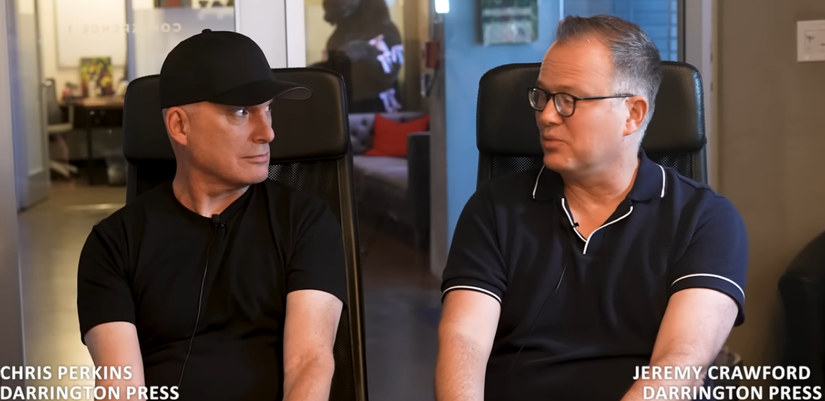
Perkins added that within Daggerheart campaign frames, the text frequently addresses the player directly or instructs the Game Master to pause, turn to the players, and ask them to actively contribute elements to the world-building. As the design team develops more adventures for the system, they are actively baking this interactivity into the adventure design itself. This ensures that at designated points throughout a session, the players are literally steering the ship. For Perkins, who has spent a literal lifetime crafting traditional adventure content, this represents a fundamental and exciting shift in perspective.
Traditional D&D adventures have long functioned primarily as comprehensive tools for the Dungeon Master, who then translates and mediates that material for the players. While skilled DMs routinely modify published modules and involve their tables in the creative process, designing a framework that structurally requires players to actively shape the adventure as it unfolds is a monumental conceptual change. While independent publishers have experimented with similar narrative structures in various indie projects over the years, Daggerheart possesses the scale and platform to execute these ideas at a level that could permanently influence broader industry standards.
Daggerheart is Set to Revolutionize the TTRPG Industry
As Perkins dives into developing a massive anthology featuring over 100 Daggerheart adventures, he experiences a creative atmosphere reminiscent of the late 1970s, when Gary Gygax and his peers were drafting the classic modules that defined the hobby for generations. The sheer novelty of charting entirely new territory is exhilarating for veterans accustomed to decades of codified, established convention.
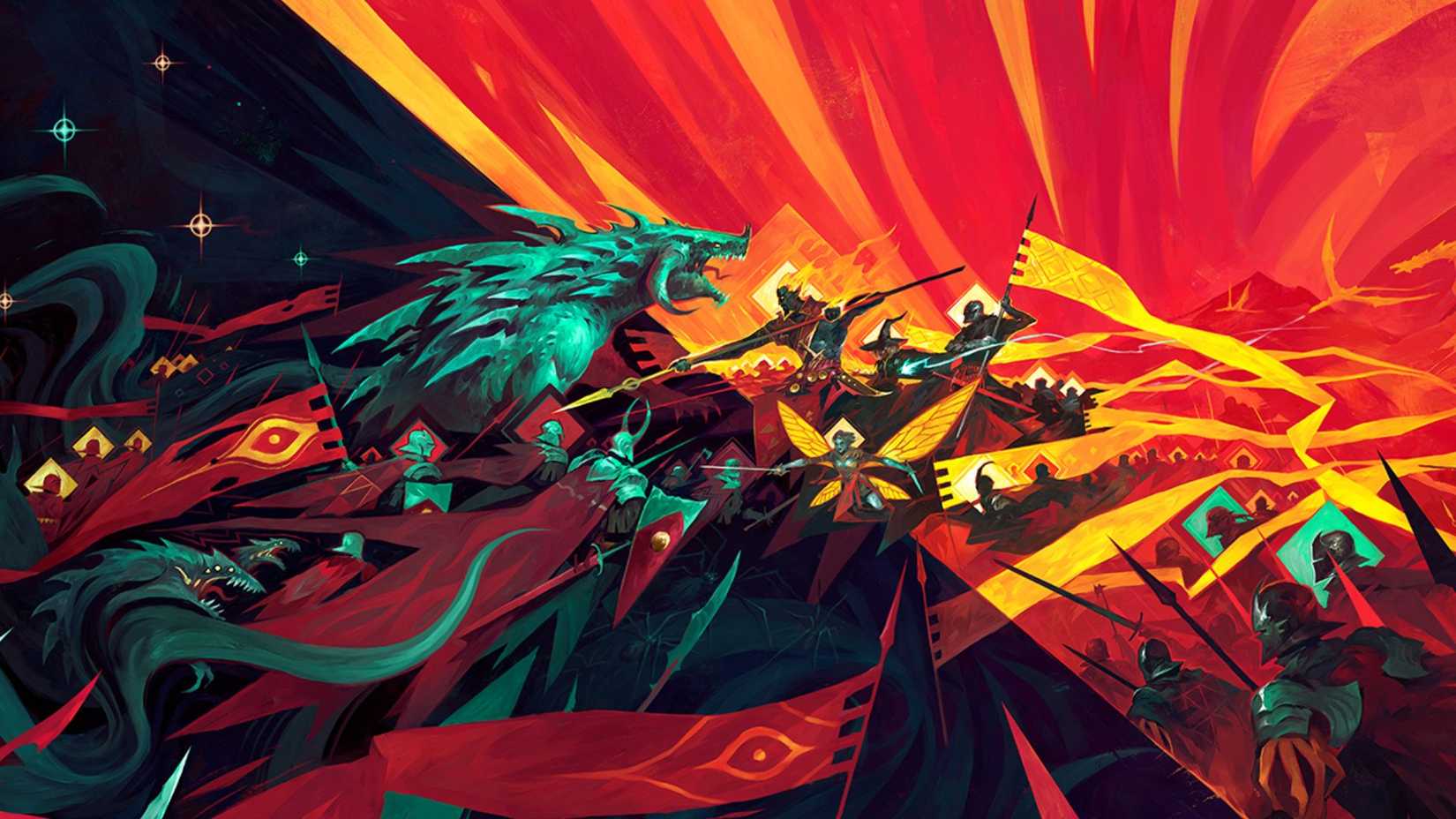
Perkins noted that the team is working with a true blank slate, affording them the freedom to take genuine risks, experiment with unconventional structures, and observe what resonates with the community. Crawford, meanwhile, is hard at work developing a distinct, spooky campaign setting, though specific details remain largely under wraps for now. He offered a glimpse into the project, describing it as a realm of dark fantasy that is genuinely scary yet designed to entice players who might not typically gravitate toward horror themes. He pointed out that previously teased elements, such as the Blood Hunter and Summoner classes, will play a role in the setting, alongside thematic threads hinted at during the Age of Umbra: Sallowlands series recently run by Matt Mercer.
Although the first year following Daggerheart’s launch maintained a relatively measured pace, the publishing schedule is slated to accelerate significantly. With plans for two major tentpole releases each year, the game is positioned to establish itself as a formidable commercial presence within the tabletop space. Yet, both designers emphasize that the rivalry extends far beyond mere market competition or partisan fandoms.
Crawford reflected that across the vast community of roleplaying enthusiasts, creators and players alike are ultimately engaged in a collective endeavor to push the medium forward. He expressed that as he spends more time in the industry, his primary investment rests in the health and evolution of the art form itself, recognizing roleplaying games as a uniquely precious medium for human connection and shared entertainment.