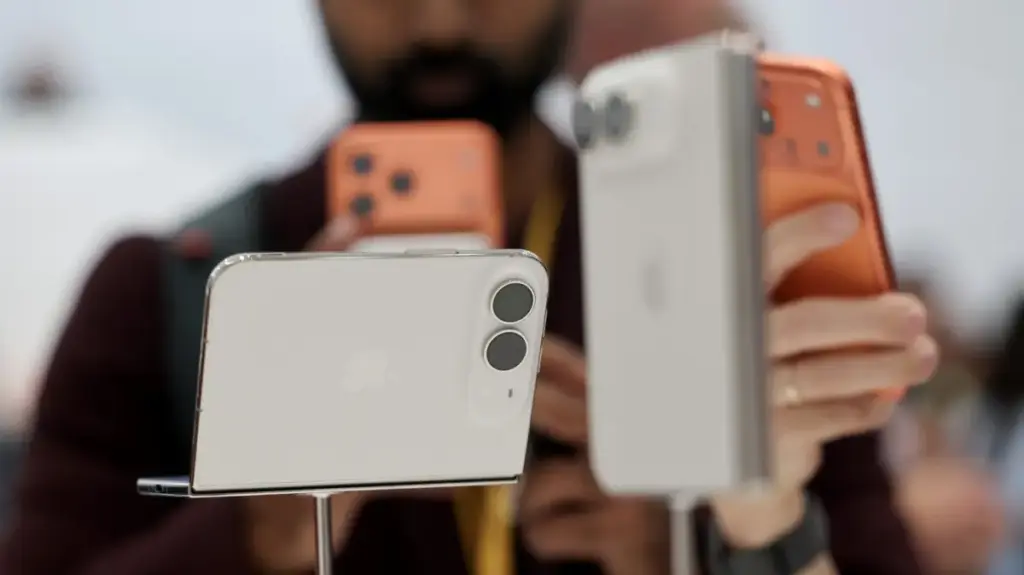
If you routinely switch between two iPhones, juggling separate carrier accounts, numbers, and mismatched text threads may soon become a thing of the past. Apple has introduced a groundbreaking feature in iOS 27 designed specifically to bridge the gap for multi-device users. Known as iPhone Handoff, this new capability allows owners of multiple devices to share a single phone number seamlessly across two distinct iPhones without the traditional friction of SIM card swapping or managing multiple lines.
First teased briefly during Apple’s Worldwide Developers Conference (WWDC) and later detailed extensively during the company’s "Surprise and Shine" special event in September, iPhone Handoff is engineered to operate with the subtle, background convenience that has become a hallmark of the Apple ecosystem. Once properly configured, the process is practically invisible to the user. To switch active devices, you simply unlock the iPhone you wish to use at that moment, and the system instantly transitions your active communication lines, messages, and app states to the new device.
The introduction of this feature addresses a long-standing pain point for power users, professionals who split their time between different devices, and early adopters who purchase secondary hardware alongside high-end flagships. By streamlining identity and connectivity across hardware boundaries, Apple is redefining how consumers interact with multiple mobile devices in their daily routines.
Setting up iPhone Handoff
Deploying iPhone Handoff requires meeting specific hardware and software criteria. The feature is compatible with any two devices running iOS 27 or later, provided both units are connected to the same Wi-Fi network and signed into the exact same Apple Account for iCloud, FaceTime, and iMessage services. In this architecture, one device is designated as the primary phone, housing the main eSIM and governing the primary carrier settings. The secondary device operates alongside it, utilizing its own compatible eSIM profile to coordinate communications.
Despite the flexibility of the software, adoption largely depends on carrier support, which remains limited in the initial rollout phase. While industry observers expect broader integration as the technology matures, only a select group of providers currently support the infrastructure required for iPhone Handoff. In the United States, T-Mobile has confirmed full support for the feature, implementing a modest additional monthly fee of $5 for the capability. Internationally, Telekom in Germany has also established compatibility out of the gate.
Configuring the system requires establishing the link through the primary carrier parameters on both devices. Users must also account for device lifecycles; when the time comes to upgrade or replace one of the iPhones, the underlying eSIM must be officially transferred to the new hardware following standard Apple support procedures. Furthermore, users wishing to permanently disable the Handoff functionality must coordinate directly with their cellular provider to break the shared number configuration on the network side.
Why and how to use iPhone Handoff
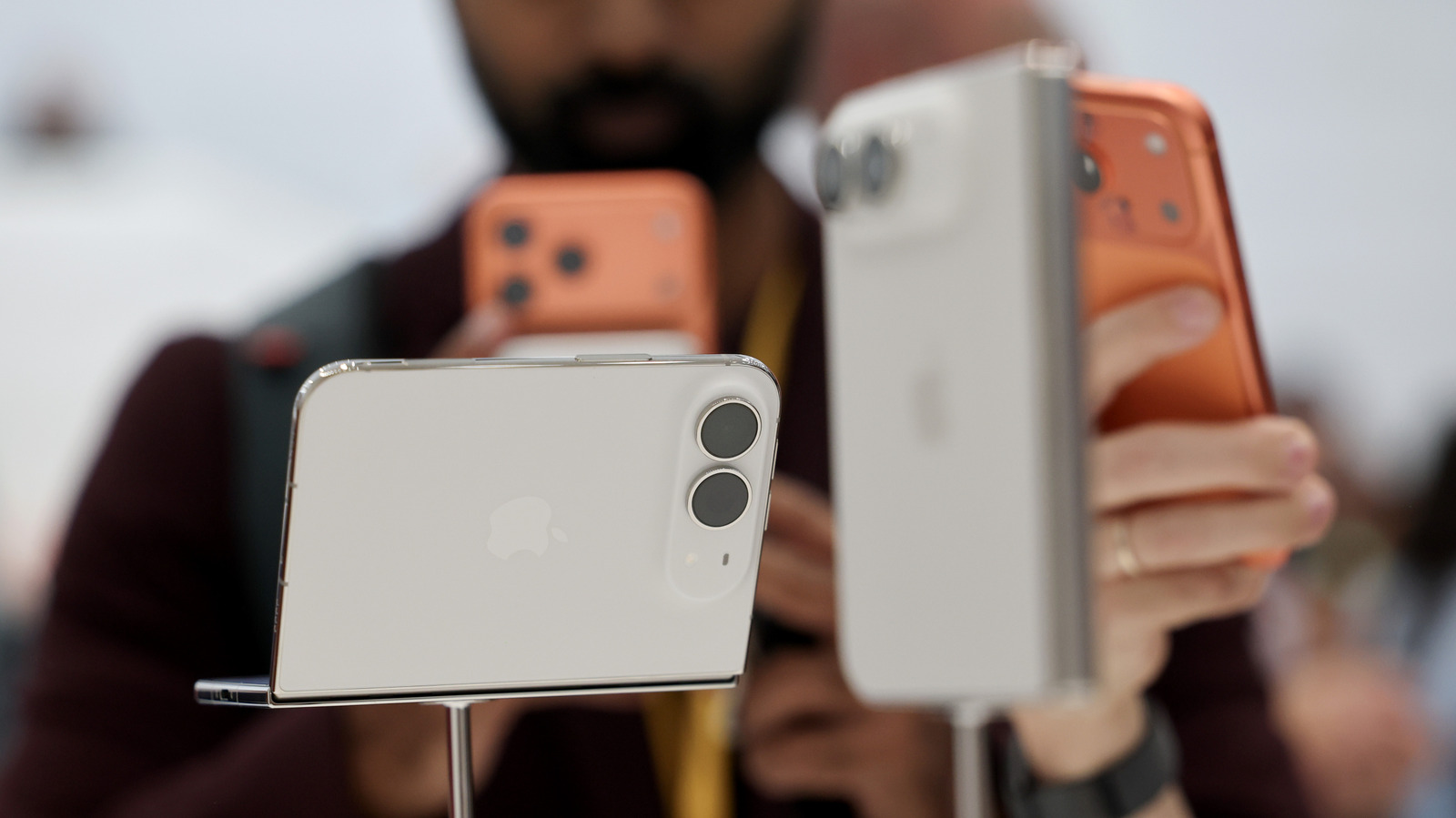
Apple engineered iPhone Handoff to eliminate complexity, reducing the actual user interaction to the simple act of picking up and unlocking an alternate phone. When the system recognizes a transition, a discreet notification appears instantly within the Dynamic Island, positioned just beneath the Wi-Fi indicator, confirming that the device has successfully activated its Handoff status and is ready for use.
Functionally, the system bridges a wide array of core tasks. It enables users to place and receive telephone calls and text messages on either device using the exact same mobile number. Additionally, it streamlines financial administration by allowing payment cards added to the Wallet app on one device to synchronize and function across both handsets. iCloud integration and application continuity ensure that most day-to-day software interactions transition without missing a beat.
However, the technology does come with certain boundaries and exceptions. Paired Apple Watches, for instance, do not automatically switch their active connections between the two iPhones, remaining tied to their specific pairing arrangements. Certain sensitive Wallet items, such as digital identification cards and specialized transit passes, are similarly restricted from mirroring across both units due to security and authentication protocols.
Despite these minor limitations, the use cases for iPhone Handoff are compelling for specific segments of the consumer base. While it functions as a niche utility for the average smartphone owner, it offers immense practical value during periods of device migration—such as transitioning data from an older iPhone to a brand-new model. It also provides a convenient solution for travelers who prefer to carry an older, less valuable device on trips while maintaining full access to their primary communication line.
The feature finds even greater relevance when paired with Apple’s hardware lineup expansion, such as using a portable, budget-friendly iPhone alongside a high-end device like the $2,000 iPhone Duo. Similarly, corporate professionals and individuals who prefer to separate their physical handling of devices while maintaining a singular, unified point of contact for friends, family, and colleagues can leverage the architecture to maintain continuous connectivity without compromise.