




The market for canine wellness supplements has grown significantly, presenting dog owners with a diverse array of options to support their pets’ health. Among these, probiotic powders have emerged as a popular choice due to the ease with which they can be integrated into a dog’s daily mealtime routine. Simply measured and mixed directly into food, these powders serve as convenient food toppers. However, as veterinary professionals emphasize, not all probiotic powders are formulated equally. While some products focus strictly on gastrointestinal support, others package beneficial bacteria within a broader, multifunctional daily supplement.
In an analysis of current market offerings, Athena Gaffud, DVM, highlights the importance of understanding these formulation differences. The choice between a highly targeted, gut-only probiotic and a comprehensive, multi-system daily powder depends heavily on an individual dog’s specific health goals, dietary restrictions, and feeding habits. Navigating these options requires a close look at active ingredients, colony-forming units (CFUs), serving sizes, and the practical realities of daily administration.
Categorizing the Options: Multifunctional vs. Gut-Only Formulas
When evaluating probiotic powders, the primary point of comparison is the product’s intended scope. Supplements generally fall into one of two categories: multifunctional daily wellness powders or targeted, gut-only formulas.
Multifunctional powders are designed to address several aspects of canine health simultaneously. Probiotics are included in these blends alongside vitamins, joint-support compounds, and organ-supporting nutrients. This approach appeals to pet owners looking for a comprehensive, single-scoop solution to daily wellness.
In contrast, gut-only probiotic powders focus exclusively on the digestive tract and the immune system. These formulas typically feature a streamlined ingredient list, minimizing unnecessary additives and focusing on high concentrations of beneficial bacteria, sometimes paired with prebiotics to nourish those microorganisms. Veterinarians often recommend these targeted formulas for dogs experiencing acute digestive issues, recovering from antibiotic therapy, or managing chronic gastrointestinal conditions.
Profiles of Leading Canine Probiotic Powders
To help pet owners navigate the market, veterinary and product literature points to several prominent probiotic powders, each designed for a different operational goal.
1. PetLabCo. DF-14 Daily Foundation
Ranking as a premier multifunctional daily powder, PetLabCo.® DF-14 Daily Foundation is formulated for dogs aged 12 weeks and older. Rather than focusing solely on the gut, this powder is engineered to provide support across 14 distinct areas of canine health, including joints, heart, skin, teeth, and immune function.
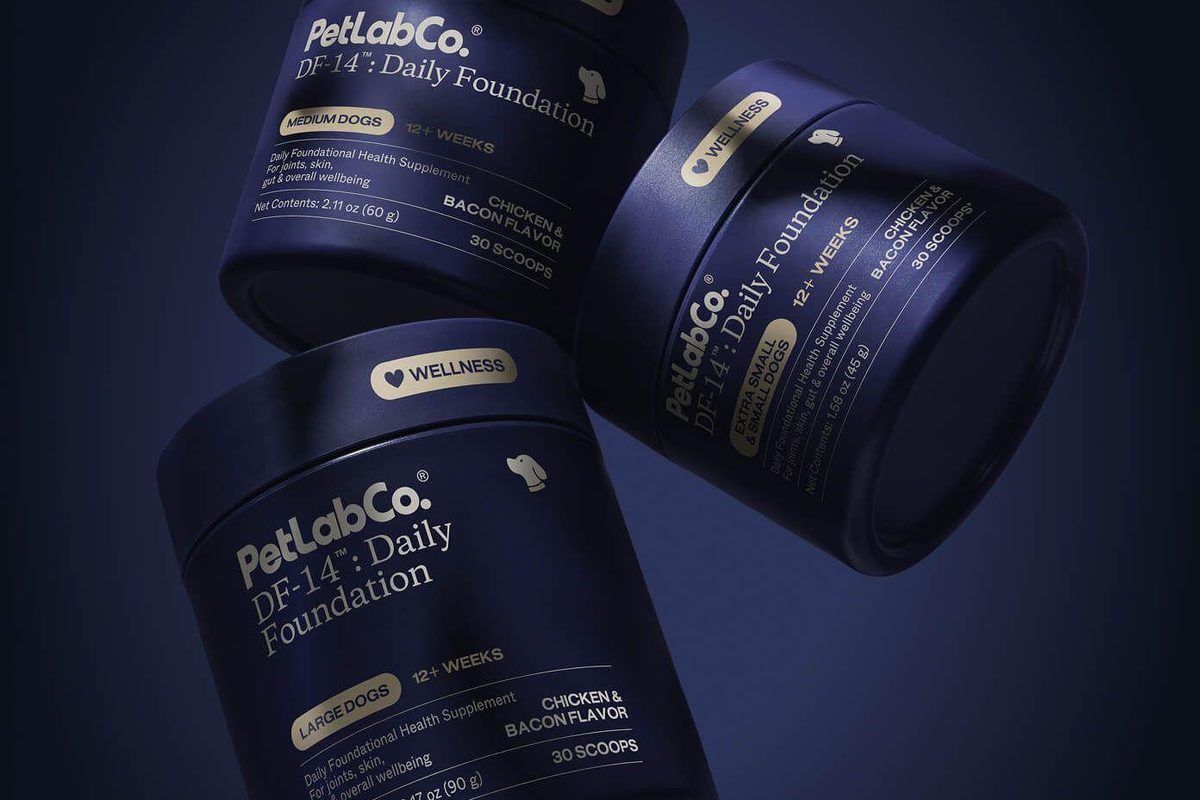
The probiotic component of DF-14 features a three-organism blend consisting of Bacillus subtilis, Bifidobacterium animalis subsp. lactis, and Saccharomyces boulardii. Depending on the specific tub and scoop size used, the formula delivers between 14.5 million and 100 million CFUs per serving.
Beyond its probiotic strains, DF-14 contains an extensive array of 11 other active ingredients:
- Joint and Tissue Support: Glucosamine (derived from crawfish) and chondroitin (bovine-derived).
- Cardiovascular and Metabolic Health: Taurine and L-carnitine.
- Immune and Systemic Wellness: Astragalus, cranberry, lactoferrin, and vitamins C and E paired with beta-carotene.
- Dental and Digestive Enhancements: Sodium hexametaphosphate, a postbiotic yeast blend, and fructooligosaccharides (FOS) acting as a prebiotic.
Because DF-14 features a chicken-and-bacon flavor profile and incorporates multiple animal-derived ingredients—including krill and hydrolyzed chicken liver—it is essential for owners of dogs with strict food allergies or those already on other joint or multivitamin supplements to consult their veterinarian before introducing this product.
2. Purina Pro Plan Veterinary Supplements FortiFlora Canine
Widely recognized and frequently recommended by veterinary clinicians, FortiFlora Canine represents the standard for targeted, single-strain gastrointestinal support. This gut-focused powder is designed for both puppies and adult dogs.
Each single-gram sachet of FortiFlora delivers 100 million CFUs of a single, rigorously researched bacterial strain: Enterococcus faecium SF68. The inactive ingredients are kept to a minimum, consisting primarily of liver flavor and yeast to enhance palatability, alongside added antioxidants to support immune function.
Because it contains no joint-support compounds, vitamins, or prebiotics, FortiFlora is highly specific. It is the direct choice when a veterinarian prescribes a focused, single-strain probiotic to manage acute gastrointestinal upset or support a sensitive stomach without introducing extraneous active ingredients.
3. Native Pet Probiotic
For pet owners seeking a multi-strain, high-CFU gut-only supplement, Native Pet Probiotic offers a robust, fiber-rich alternative. Suitable for dogs over three months of age, this powder is built around a blend of four distinct probiotic organisms: Bacillus coagulans, Enterococcus faecium, Bifidobacterium animalis, and Bifidobacterium bifidum.
This formula delivers a high concentration of 6 billion CFUs per scoop. To support these live bacteria, the powder includes organic inulin derived from Jerusalem artichoke and organic pumpkin seed, which act as prebiotic fibers. The entire blend is delivered in a savory, dehydrated beef-broth base. While highly palatable, this beef base means the supplement may not be suitable for dogs on restricted-protein or hypoallergenic diets. Like FortiFlora, Native Pet Probiotic focuses entirely on digestive health and offers no external joint or organ support.
4. Zesty Paws Probiotic Powder for Dogs
Marketed primarily for adult and senior dogs, Zesty Paws Probiotic Powder offers a convenient, pre-measured sachet format with a appealing pumpkin flavor. The formula is built around a two-organism probiotic blend of Bacillus subtilis DE111 and the beneficial yeast Saccharomyces boulardii, delivering 800 million CFUs per serving.
The ingredient profile is rounded out with digestive aids such as inulin, flaxseed, and pumpkin powder. This product is a solid option for owners who prefer single-serve packets to loose powder tubs. However, its labeling does not provide specific weight-based serving sizes or a designated minimum age, meaning dogs of all sizes receive the same single-sachet serving.
Key Metrics for Comparing Probiotic Powders
To make an informed decision, pet owners must look past appealing packaging and marketing buzzwords. A structured comparison should focus on concrete formulation details rather than simply selecting the product with the highest CFU count or the longest ingredient list.
Evaluating CFUs and Bacterial Strains
Colony-forming units (CFUs) indicate the number of viable, active microorganisms in each serving. While it is tempting to assume that a higher CFU count automatically makes a supplement superior, this is not clinically accurate. A highly concentrated, multi-billion CFU product is not inherently better than a lower-CFU formula if the specific strains or the overall formulation do not align with the dog’s physiological needs.
Furthermore, pet parents should look for clear strain identification on product labels. Clinical research is typically conducted on specific, named strains of bacteria. A product that lists the exact strain allows for a more reliable assessment of its potential benefits than one that lists only the general species name.
Understanding the Role of Prebiotics and Postbiotics
A comprehensive digestive supplement often includes more than just live probiotics. Prebiotics, such as FOS or inulin, are non-digestible fibers that serve as food for beneficial gut bacteria, helping them colonize and thrive. Postbiotics, which are the beneficial byproducts of bacterial fermentation, can also be included to support the intestinal lining. Understanding how these elements interact within a powder can help owners choose a formula that provides complete digestive support.
Practical Administration: Powders vs. Soft Chews
The physical format of a supplement is a major factor in how easily it can be administered day-to-day. While powders and soft chews can contain identical probiotic strains, they require different management strategies.
When to Choose a Powder
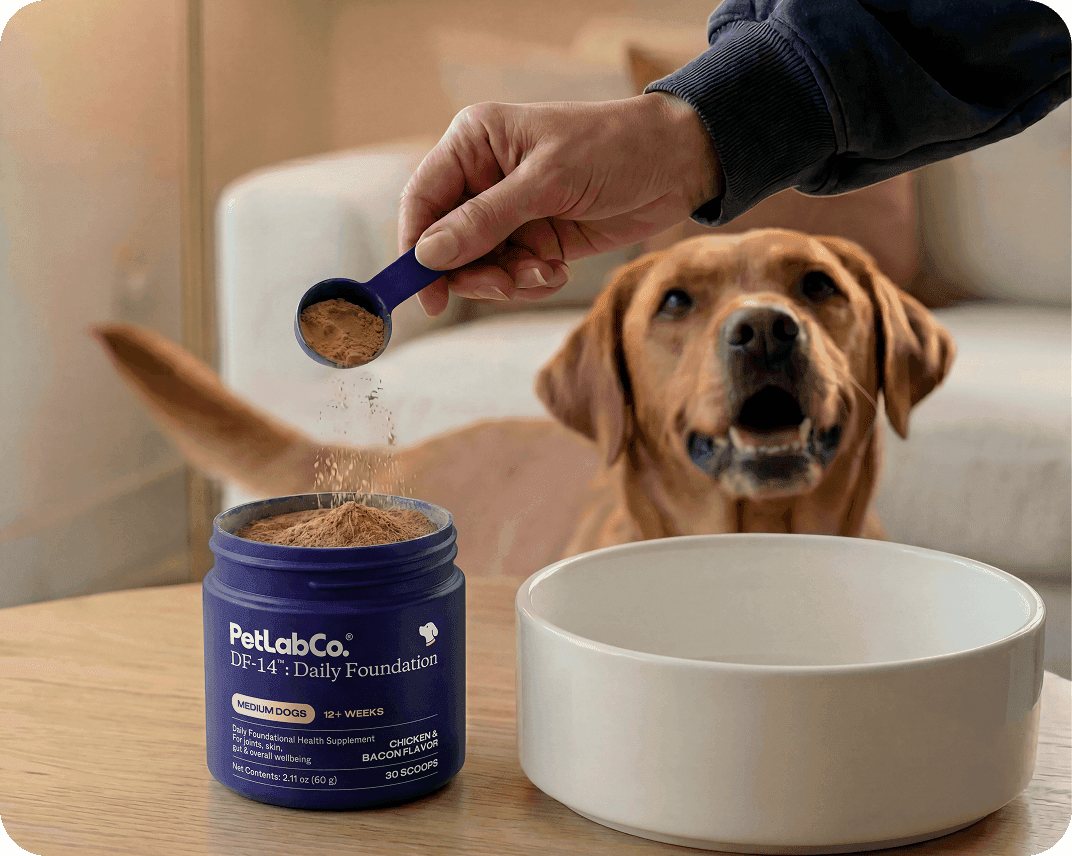
Powdered supplements function exceptionally well as food toppers, especially for dogs that eagerly finish their meals. When mixed thoroughly with wet food or slightly moistened kibble, the powder becomes fully integrated, making it difficult for selective eaters to separate the supplement from their food.
However, the success of a powder relies entirely on complete meal consumption. If a dog is a "grazer" who leaves food in the bowl throughout the day, or if they fail to finish their portion, it becomes impossible to determine exactly how much of the supplement they actually ingested. Additionally, in multi-dog households, communal feeding can make it difficult to prevent one dog from consuming another’s supplemented meal.
When a Soft Chew May Be Preferable
For dogs with unpredictable eating habits, a soft chew may offer a more reliable delivery method. Chews can be given separate from mealtime, allowing the owner to verify immediately that the entire serving was consumed. However, chews often contain additional binding agents, starches, and flavorings that must be accounted for in dogs with strict dietary limitations or food sensitivities.
Dosing Precision and Weight-Based Serving Systems
Proper dosing is critical to the safety and efficacy of any supplement routine. Some brands utilize uniform packaging where a single sachet size is prescribed regardless of the dog’s size, while others employ highly precise, weight-scaled dosing systems.
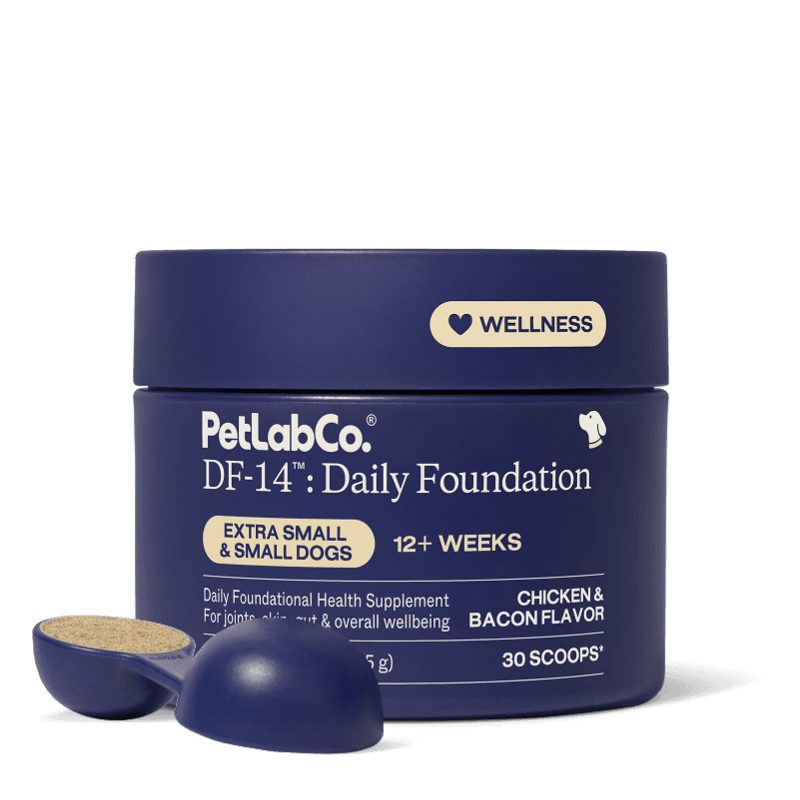
PetLabCo.® DF-14 Daily Foundation, for example, uses a system of small, medium, and large tubs, each containing a scoop calibrated to specific weight ranges:
- Dogs Under 4 lbs: Administered using the small tub’s little scoop, delivering a 0.75-gram serving with 14.5 million CFUs.
- Dogs 4 to 24.9 lbs: Administered using the small tub’s big scoop, delivering a 1.5-gram serving with 29 million CFUs.
- Dogs 25 to 75 lbs: Administered using the medium tub’s scoop, delivering a 2.0-gram serving with 66 million CFUs.
- Dogs Over 75 lbs: Administered using the large tub’s scoop, delivering a 3.0-gram serving with 100 million CFUs.
This scaling ensures that a toy breed does not receive an excessive amount of active ingredients, and a giant breed receives an adequate portion. Owners should always use the scoop provided with the specific tub purchased rather than substituting household spoons, which lack the accuracy required for consistent dosing.
Safety, Sensitivities, and Veterinary Oversight
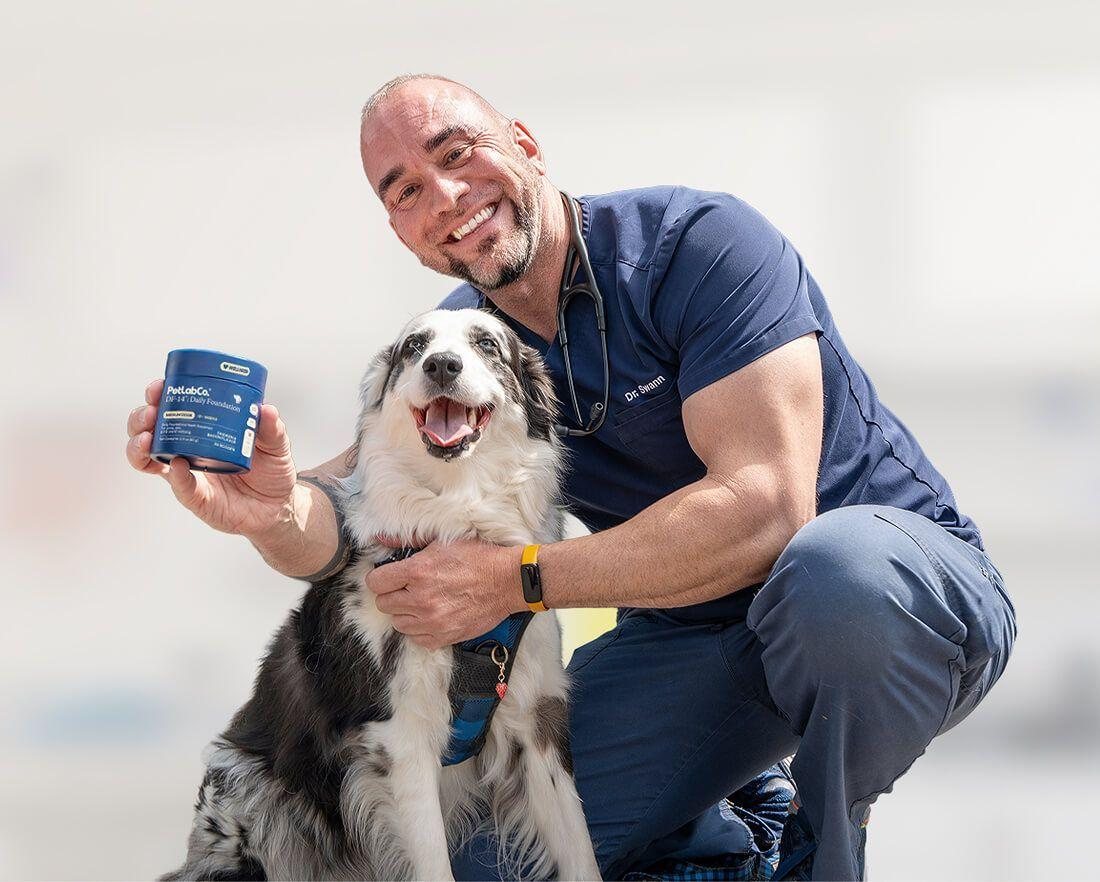
Before introducing any new supplement to a dog’s diet, a thorough safety review is necessary. Probiotics are generally safe, but their formulations can introduce complications for certain dogs.
Allergen and Dietary Restrictions
Because many probiotic powders include flavorings and active ingredients derived from animal proteins—such as beef broth, shellfish-derived glucosamine, bovine chondroitin, or chicken liver—they can trigger adverse reactions in dogs with food allergies. During a veterinarian-directed elimination diet or food trial, all flavored supplements, powders, and chews should be paused to avoid compromising the diagnostic results.
Managing Medications and Side Effects
The introduction of a highly concentrated powder can occasionally cause temporary digestive adjustments, such as mild gas or slight changes in stool consistency. If these signs persist or are accompanied by lethargy, vomiting, or a loss of appetite, the supplement should be discontinued, and a veterinarian consulted.
Furthermore, some supplement labels, including DF-14, note that the simultaneous administration of the powder may delay the absorption of concurrent oral medications. Pet owners should discuss the timing of daily supplements with their veterinarian, especially if their dog is managed on prescription drugs for chronic conditions. Safe use has also not been formally proven in pregnant or breeding animals, requiring targeted veterinary advice for these specific life stages.
Ultimately, while probiotic powders can be a valuable addition to a dog’s daily wellness routine, they are not a substitute for a balanced diet, fresh water, and prompt veterinary care. When choosing a supplement, aligning the product’s formulation with the dog’s unique health profile ensures a safe, effective, and sustainable routine.