

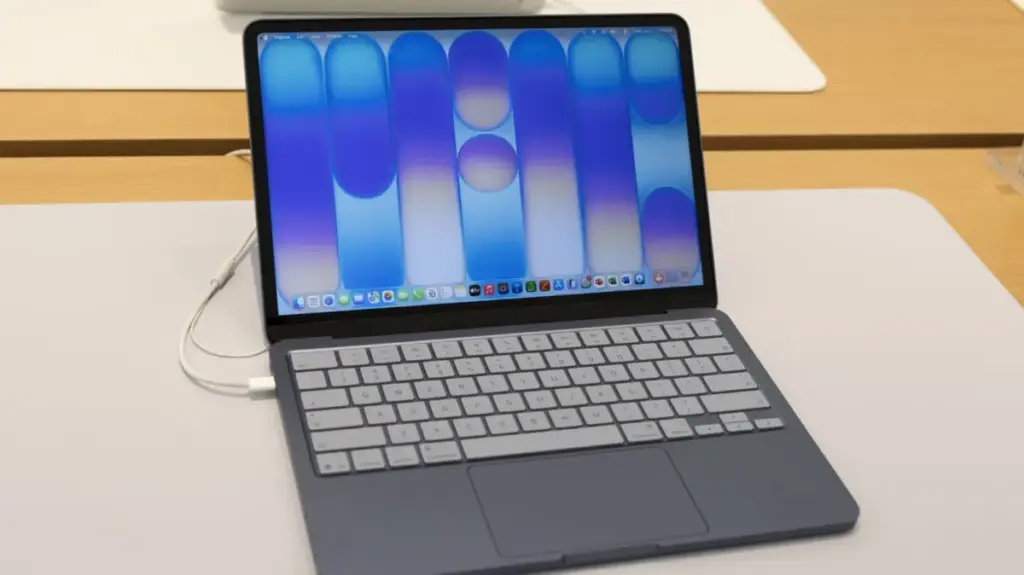
Placing a smartphone processor inside a laptop initially sounds like a recipe for a sluggish, compromised mess, yet Apple’s approach has resulted in a surprisingly solid machine for the money. In retrospect, the introduction of the MacBook Neo was a clear strategy by Apple to get ahead of the curve. Confronted with mounting tariffs and soaring memory prices across the global supply chain, the company undoubtedly recognized that it could only maintain the price of its previous entry-level laptop—the MacBook Air—at a reasonable level for so long.
Sure enough, just three months after the Neo debuted, the MacBook Air shot up by $200, establishing a new baseline starting price of $1,300. Against that backdrop, even with its current $700 price tag, the Neo stands out as a comparative bargain for budget-conscious consumers looking to enter the macOS ecosystem.
Naturally, the Neo achieves these notable cost savings by making distinct compromises. The single biggest concession is the integration of a repurposed iPhone processor instead of an M-series chip, the proprietary silicon found in all other modern Macs, as well as the iPad Air and iPad Pro lineups. Prior to the Neo hitting store shelves, serious doubts lingered regarding how effectively a mobile phone chip could manage a full desktop-level operating system under sustained workloads.
The encouraging news is that it handles macOS far better than many industry observers initially anticipated. While there are some notable limitations, these bottlenecks are largely to be expected given the hardware class. The more pressing question for prospective buyers is whether they should purchase the current entry-level machine or wait for an anticipated hardware refresh—a move that could prove significant if Apple manages to keep future iterations within the budget sphere.
How an iPhone Chip Helps and Hinders the MacBook Neo
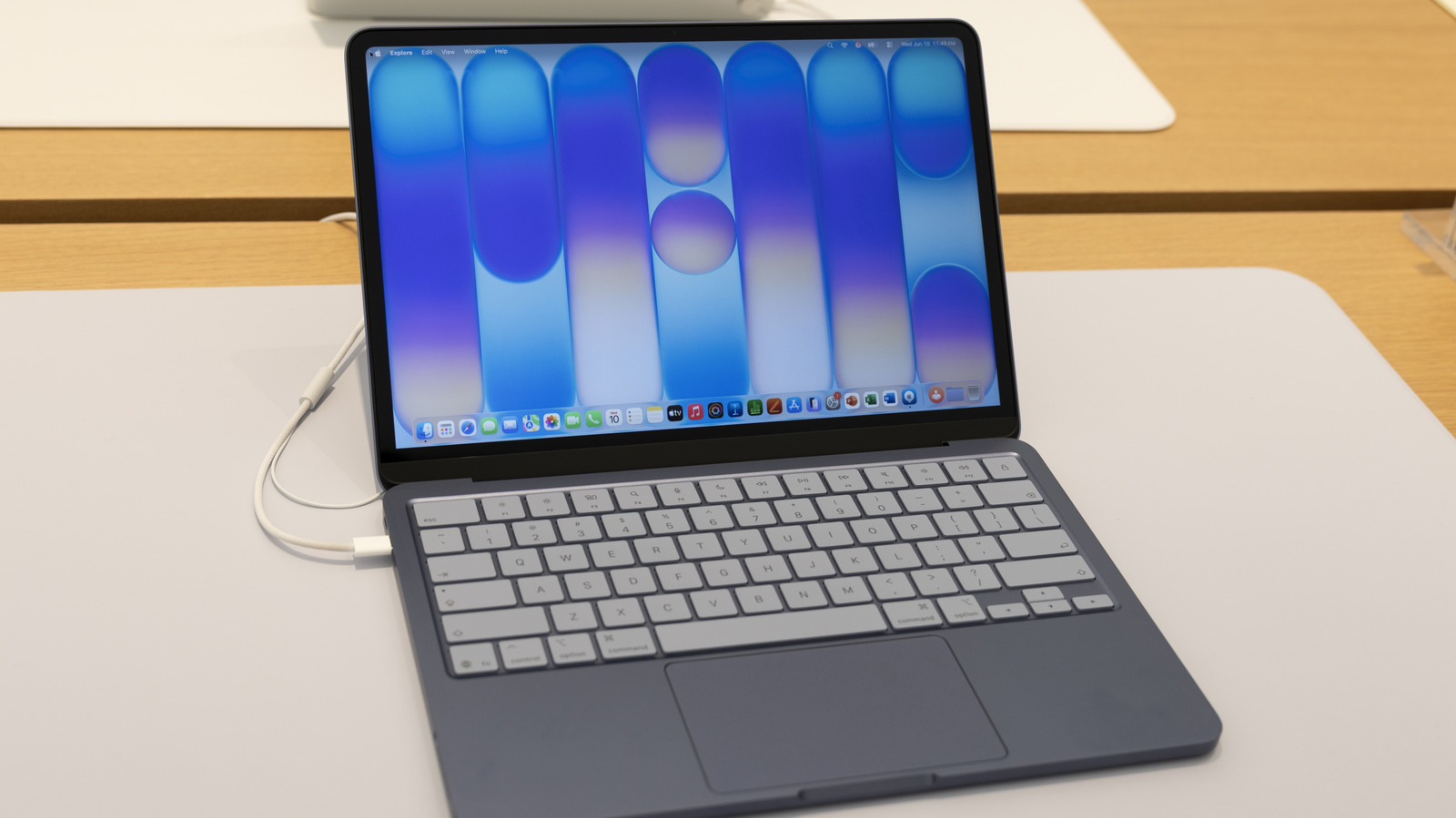
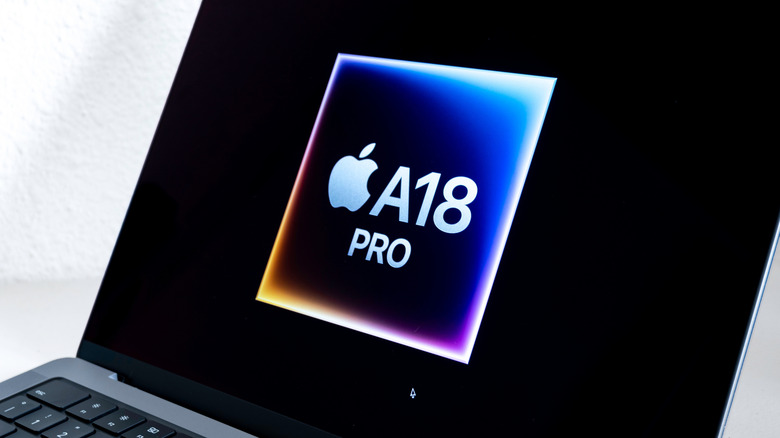
The MacBook Neo is powered by the A18 Pro, a processor that was originally engineered for Apple’s 2024 flagship iPhone 16 Pro. Interestingly, the silicon is scaled down slightly for its laptop implementation. Whereas the iPhone 16 Pro’s chip featured a robust six-core CPU paired with a matching six-core GPU, the Neo variant drops down to five GPU cores. Consequently, users receive somewhat inferior graphics performance, despite the laptop scaling up to a larger 13-inch display and handling potentially more demanding workloads than a handheld device.
What remains somewhat surprising is that, for the vast majority of daily computing tasks, this downgrade is hardly noticeable. During rigorous performance testing for review purposes, the Neo demonstrated an impressive capability to juggle multiple web browsers, stream high-definition video, execute photo editing workflows in applications like Pixelmator Pro, and run demanding mobile titles such as Oceanhorn 3 without experiencing crippling slowdowns. Arguably, this seamless performance speaks volumes about how overpowered Apple’s iPhone chips have been relative to standard mobile tasks for some time.
That said, the Neo predictably struggles when pushed into advanced computing territory. While the machine is fully capable of handling straightforward 4K video editing, its constrained 8GB of memory means that processing intensive special visual effects causes the system to slow to a crawl. Furthermore, many modern professional applications and high-end games—including titles like Assassin’s Creed Shadows—explicitly require an M1 processor or better to function properly.
Consumers should remember that stated minimum system requirements are merely baselines, not guarantees of optimal performance. Those seeking a truly smooth, future-proof experience are far better served by investing in the MacBook Air. Its latest iteration sports not only a more advanced M5 chip, but also a minimum of 16GB of RAM, which has increasingly become the realistic standard for today’s best-performing laptops.
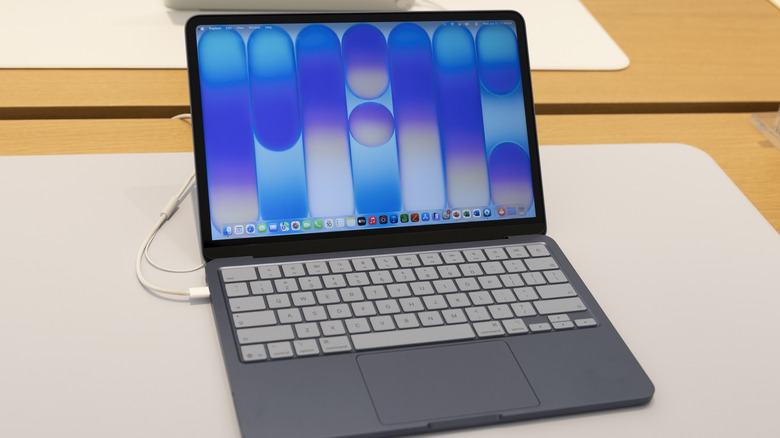
Hardware limitations extend beyond the processor and memory. The Neo’s port technology is also extremely restricted. The laptop is equipped with only a single 10Gbps USB 3 port, a slower 480Mbps USB 2 port, and a standard 3.5mm headphone jack. While users can connect a 4K, 60Hz DisplayPort monitor directly through that USB 3 connection, the hardware offers no support for daisy-chaining displays or connecting high-speed Thunderbolt accessories. By comparison, the MacBook Air maintains a decisive advantage by upgrading its USB ports to ultra-fast 40Gbps USB 4 standards with full Thunderbolt 4 support, alongside a dedicated MagSafe power connection.
Should You Wait for the MacBook Neo 2?
For shoppers trying to decide the best time to buy, waiting for a future iteration may be the wisest course of action. According to industry reports from Mark Gurman at Bloomberg, a planned 2027 hardware refresh will likely upgrade the Neo line to the A19 Pro chip—the same silicon utilized in the iPhone 17 Pro—alongside an increase to 12GB of RAM. While 12GB still falls short of the ideal 16GB baseline, an extra 4GB of memory could prove sufficient to smooth out the edge cases where the current first-generation model falters.
This consideration regarding hardware longevity carries significant weight in the current tech market. Although the A18-based Neo is more than adequate for most standard applications today, there is no absolute guarantee that performance will hold up five years down the road. Apple is pushing forward aggressively with artificial intelligence features integrated into macOS, some of which already demand an M3 chip and at least 12GB of RAM to operate effectively.
Even with a rumored spec bump, the second-generation Neo will likely only support a subset of Apple’s advanced software roadmap, meaning it will likely remain poorly suited for heavy enterprise tasks like professional AutoCAD rendering. Even so, buyers would find themselves in a slightly more resilient position by holding out for the upcoming A19 hardware.
For consumers who require a functional Mac immediately, the first-generation Neo remains a viable tool. If a specific application works today, it is unlikely to fall out of software support anytime soon, given that the laptop only debuted in March 2026. For those determined to purchase the current model while maximizing their value, hunting for a certified refurbished model offers a practical way to save a few dollars on an already budget-friendly device.