LG is widely recognized across the consumer electronics industry for its cutting-edge OLED televisions, but the company has established an equally formidable reputation for its home audio ecosystem, anchored by advanced soundbars and surround sound systems. Among its most innovative recent contributions to the home theater landscape is the Sound Suite, a premium audio solution designed to break away from rigid, traditional multi-speaker setups. Instead of forcing users into a one-size-fits-all package, the Sound Suite system allows consumers to pick and choose select speakers à la carte to best fit the unique dimensions and acoustic properties of their living space.
Users can place these modular speakers wherever they wish and leverage Dolby Atmos FlexConnect technology to automatically calibrate and optimize their performance, creating a remarkably tailored acoustic environment. While this bespoke setup has earned praise for its power and flexibility, it is an investment that caters to dedicated home theater enthusiasts with a taste for high-end audio solutions. Now, responding directly to customer feedback and evolving consumer demands, LG is significantly enhancing the Sound Suite experience with a series of substantial hardware and software updates.
The company is rolling out new support for DTS:X surround sound options, integrating Google Cast functionality, introducing dual W7 subwoofer capabilities, and expanding network configuration flexibility with advanced Wi-Fi support. Alongside these immediate upgrades, LG has also offered a tantalizing preview of a forthcoming "Media Connect Hub" currently in development for DTS:X devices, signaling the company’s long-term commitment to evolving its high-end audio suite.
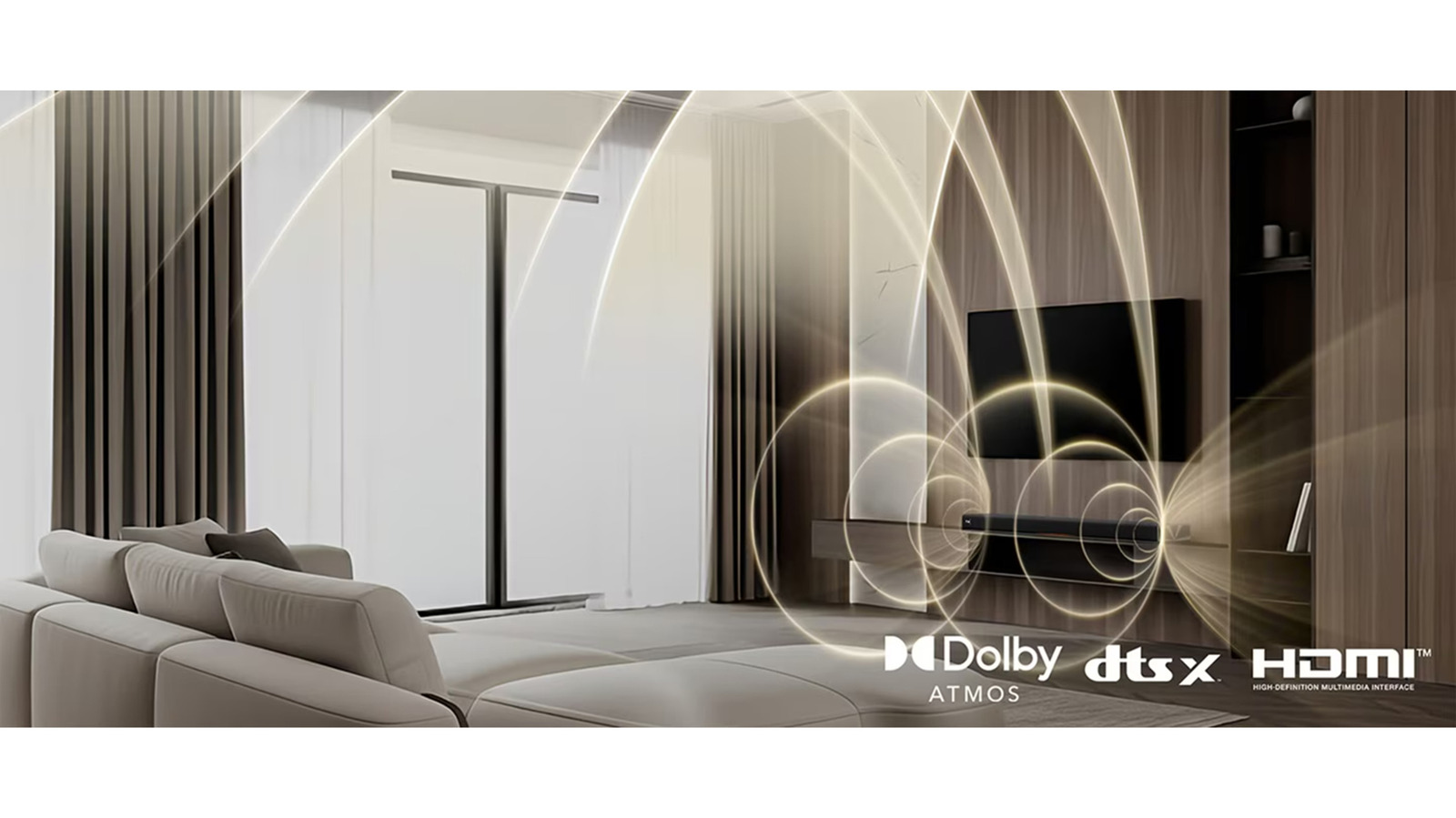
The centerpiece of this major update is the integration of DTS:X support for the H7 soundbar, which serves as the core processing and audio distribution hub of LG’s Sound Suite. According to the company, this addition will provide home theater enthusiasts with powerful additional ways to enjoy immersive, multi-dimensional audio from compatible content and source devices. While Dolby Atmos has long been the primary spatial audio format championed by the platform, the inclusion of DTS:X broadens compatibility with a wider array of movie soundtracks, gaming content, and high-resolution audio mixes, ensuring that users can experience their favorite media exactly as intended by creators, regardless of the native encoding format.
In addition to expanding spatial audio formats, LG is vastly improving the daily usability of the system by bringing Google Cast support directly to the H7 soundbar. This integration transforms the Sound Suite from a dedicated movie-watching apparatus into a versatile home entertainment hub. With Google Cast enabled, users can seamlessly stream audio content, including music playlists, podcasts, and internet radio, directly from their smartphones, tablets, or computers to the LG Sound Suite system without the hassle of navigating complex pairing menus or proprietary apps.
Staying true to the modular and adaptable philosophy that underpins the entire Sound Suite concept, LG is also expanding compatibility within complex home networked environments. The updated system now features robust support for high-frequency Wi-Fi 6 GHz networks as well as 5 GHz DFS channels. The inclusion of these advanced wireless protocols is designed to alleviate network congestion and interference, which are common hurdles in modern, device-heavy smart homes. LG notes that this enhanced network stability will give users significantly more freedom when designing and expanding their stereo and multi-speaker configurations within the Sound Suite ecosystem, ensuring reliable, low-latency audio transmission across all connected satellite speakers and subwoofers.
For audiophiles and movie buffs who demand the absolute deepest bass response possible, LG is further sweetening the update by introducing official support for dual W7 subwoofer setups. This expansion allows users to pair a second W7 subwoofer with their existing Sound Suite configuration, providing a massive boost to low-end sound reproduction. Dual subwoofer arrangements help to smooth out bass distribution throughout a room, eliminating acoustic dead zones and delivering chest-pounding, cinematic low frequencies that can fill even large open-concept living spaces with rich, balanced bass.
Looking ahead beyond the current software deployment, LG has also teased the development of a brand-new "Media Connect Hub" specifically engineered for DTS:X devices. According to brief preliminary details shared by the manufacturer, this upcoming hardware accessory will enable DTS:X processing from compatible external source devices, thereby further expanding consumer access to DTS:X content within the Sound Suite environment. While official details regarding the hub remain somewhat vague, industry observers speculate that it could serve as a dedicated bridge to connect specialized hardware such as high-end Blu-ray players, 4K Ultra HD disc players, and other legacy or modern media sources that output native DTS:X bitstreams. Because LG has kept specific operational details close to the chest, consumers and audio enthusiasts will have to wait for subsequent announcements from the company to learn more about the hub’s exact specifications, pricing, and release timeline.
In the meantime, the comprehensive suite of new software updates and feature additions is already rolling out to existing Sound Suite owners. Regional availability and the precise timing of the firmware rollout may vary depending on geographic location and specific network conditions, meaning some users may receive the update slightly ahead of others. As LG continues to refine and expand the capabilities of the Sound Suite through these targeted updates and future hardware concepts like the Media Connect Hub, the company is solidifying its position as a major innovator in the competitive premium home theater and spatial audio market.