



Finishing a grueling workout always triggers a unique sense of accomplishment. That triumphant feeling usually persists until a few hours later, or perhaps the following morning, when delayed-onset muscle soreness sets in. This familiar physical discomfort can linger for days, transforming simple, everyday tasks—such as climbing stairs, lifting groceries, or even getting out of a chair—into unexpected physical challenges.
In an ongoing search for fast and effective relief, recreational gym-goers and everyday fitness enthusiasts are increasingly adopting the kinds of advanced recovery techniques once reserved exclusively for elite professional athletes. Driven largely by viral social media trends and the influence of professional sports, modern fitness culture has helped popularize an array of recovery modalities. Everything from sub-zero ice baths and high-pressure compression garments to therapeutic sports massages and specialized recovery supplements has moved from high-performance training centers into local neighborhood gyms and home bathrooms.
While many of these popular products and trendy practices promise faster recovery times, significantly reduced muscle soreness, and noticeably improved athletic performance, the underlying scientific reality is often far more nuanced than commercial advertisements suggest.
Ice Baths
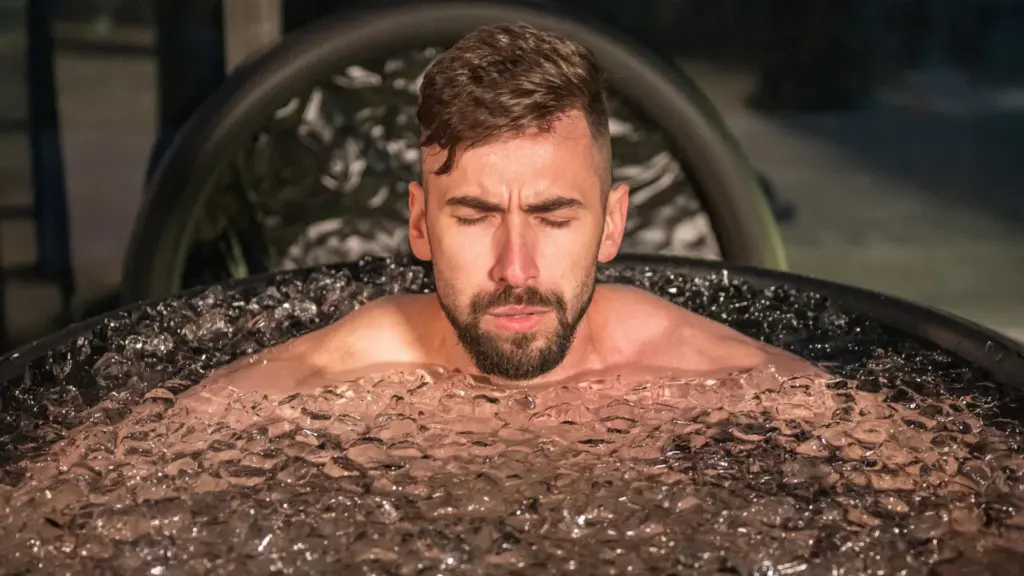
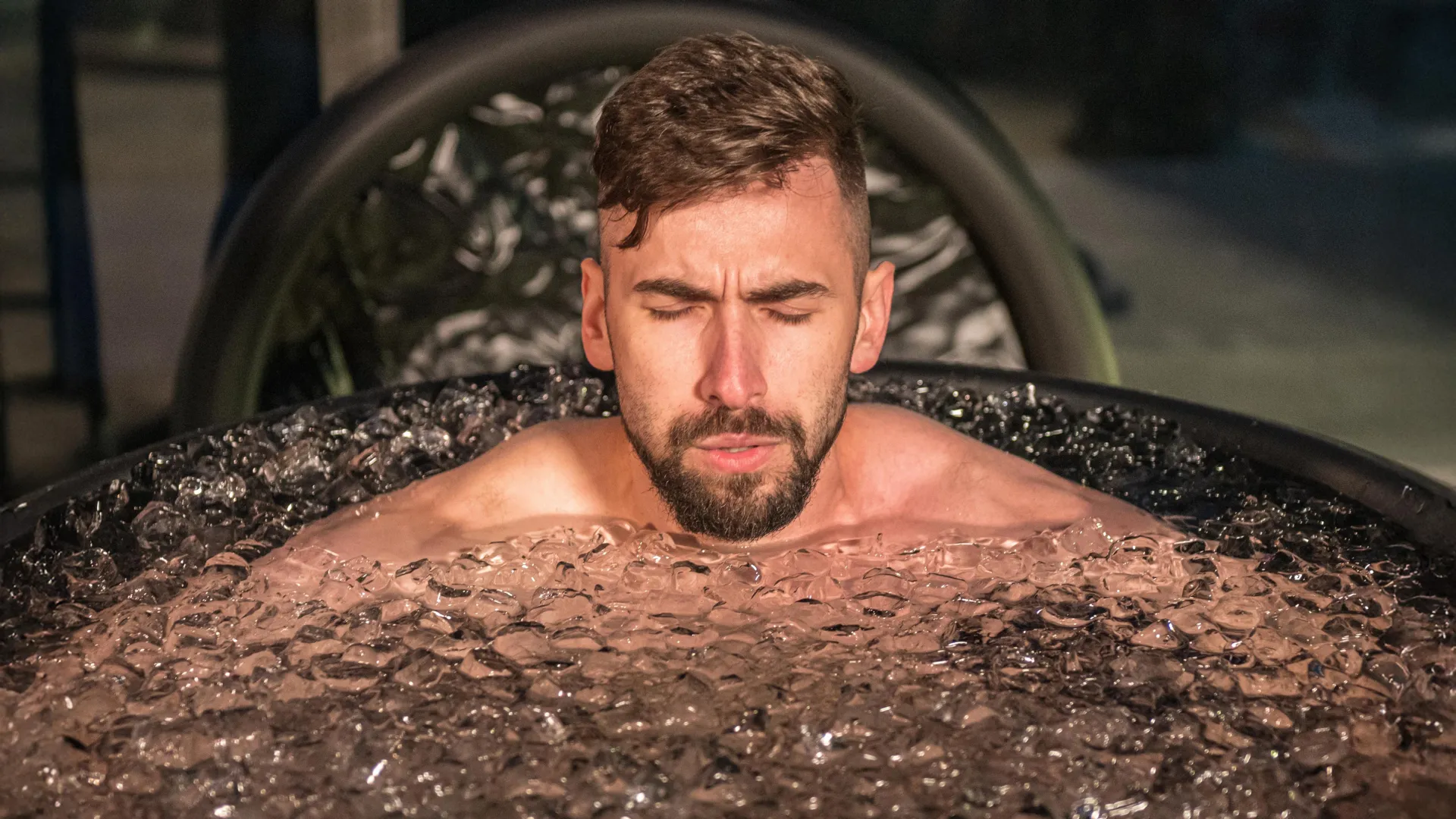
Few contemporary recovery strategies have received as much widespread attention, fascination, and debate as cold water immersion, commonly known as ice baths. This practice typically involves immersing oneself in water maintained at temperatures below 15°C immediately following strenuous exercise to boost recovery. However, the scientific evidence supporting this widespread practice remains decidedly mixed.
On one hand, ice baths are effective at easing acute inflammation. Medical research suggests that blunting this inflammatory response can successfully reduce immediate muscle soreness and help athletes recover basic muscle function more effectively within a critical 24-hour window following a hard session.
Yet, there is a significant biological catch. While acute inflammation is largely responsible for post-exercise soreness, it also plays an essential physiological role by triggering the cellular adaptations that build muscle over time. Dampening this natural inflammatory response with frequent ice baths may inadvertently limit some of the long-term benefits of physical training—particularly when these cold plunges are utilized on a regular, habitual basis.
When evaluating ice baths, individuals often find themselves trading short-term pain relief for long-term physiological gains. Consequently, sports scientists generally advise reserving cold water immersion for specific competitive scenarios where rapid recovery within a compressed timeframe is absolutely vital, rather than employing it after every routine trip to the gym.
Compression Garments
Compression garments, such as tight leggings, sleeves, and socks, are commonly worn immediately after exercise in an effort to speed up overall recovery. The underlying mechanical theory is that the external pressure applied by these specialized textiles supports overall circulation, enhances blood flow back to tired muscles, and actively reduces fluid accumulation and swelling.
However, while compression garments might create a psychological sensation of relief and reduce subjective feelings of soreness, hard scientific evidence proving they genuinely accelerate physical muscle recovery is considerably less convincing.
A comprehensive study conducted in 2022 sought to separate physiological reality from the placebo effect by putting compression gear to a rigorous test. Researchers divided participants into two groups: one was given authentic compression garments, while the control group was given a placebo tablet and explicitly told it would be just as effective as wearing compression gear.
The physiological analysis revealed that the compression garments did indeed improve circulation and local muscle blood flow, whereas the placebo pill had no effect on these measurable parameters. This discovery strongly indicates that the physiological effects of compression garments on the body are genuine and mechanical, rather than simply the result of psychological expectation or perception.
However, whether these localized circulatory changes meaningfully translate into superior athletic performance remains less clear. Although emerging data confirms that compression garments genuinely alter specific physiological markers of recovery, this internal shift is unlikely to directly or rapidly restore fatigued muscle function on its own.
Ultimately, compression garments appear to be most effective because they simply make recovering athletes feel physically better, even if their impact on deep cellular repair is modest.
Massage
Unlike many modern recovery interventions that spark ongoing scientific debate, massage therapy stands out as one of the few modalities supported by relatively consistent scientific evidence. Clinical research demonstrates that professional massage can successfully reduce perceived soreness and significantly improve an individual’s subjective sense of recovery after exhaustive exercise.
While it is not yet entirely clear what specific physiological mechanisms trigger the therapeutic benefits of massage, researchers believe the advantages stem from its ability to reduce localized muscle stiffness, enhance blood circulation, and promote deep systemic relaxation.
Despite these clear subjective benefits, however, objective measures of subsequent physical performance and muscle function following a massage remain modest and inconsistent. Massage can successfully ease the physical discomfort and psychological toll of hard training, but individuals should not expect it to serve as a miraculous tool for immediate performance restoration.
Recovery Supplements
The nutritional supplement industry is undeniably big business, generating billions of dollars globally through the sale of brightly colored recovery drinks, powders, and capsules that promise reduced soreness and accelerated healing. However, not all supplements are created equal. While some compounds appear to confer genuine, albeit small, benefits, others come packaged with marketing hype that independent science simply fails to back up.
Whey protein, for instance, represents one of the most thoroughly researched nutritional supplements available on the market today. Rich in essential amino acids—which serve as the fundamental building blocks of protein—whey actively stimulates muscle protein synthesis, the metabolic process responsible for muscle growth and repair. Clinical trials have shown that whey protein provides small-to-moderate benefits for overall muscle recovery, though evidence demonstrating its ability to directly alleviate delayed-onset muscle soreness remains somewhat inconsistent.
Branched-chain amino acids, commonly known as BCAAs, are another widely used class of supplements typically formulated as a mixture of three specific amino acids: leucine, isoleucine, and valine. BCAAs gained massive popularity within the fitness community because the leucine component is widely understood to help switch on the body’s protein synthesis pathways.
Yet, despite their widespread commercial popularity, BCAAs appear to be significantly less effective for comprehensive muscle recovery than complete protein sources. This limitation exists because efficient muscle repair requires the full spectrum of all essential amino acids, rather than just the subset found in standard BCAA formulations. Everyday whole-food sources such as chicken, beef, salmon, eggs, and tofu naturally contain all the essential amino acids required by the human body.
Tart cherry juice has emerged as a relatively new and popular supplement within the broader fitness world. Naturally rich in polyphenols—specialized plant compounds renowned for their anti-inflammatory and antioxidant properties—tart cherry juice is widely believed to help mitigate exercise-induced muscle damage and reduce subsequent soreness. Although this remains an active area of emerging scientific investigation, current evidence indicates that these plant compounds offer small-to-moderate effects in reducing post-workout soreness and may assist in restoring muscular strength and power more rapidly.
Similarly, omega-3 fatty acid supplements, commonly derived from fish oil, are frequently championed as an effective method to control systemic inflammation and accelerate recovery after strenuous physical activity. While some clinical studies suggest fish oil can modestly reduce muscle soreness and help preserve baseline muscle function following intense bouts of exercise, study results remain far from consistent. Consequently, omega-3 supplements alone are unlikely to dramatically revolutionize an individual’s physical recovery.
Crucially, sports nutritionists emphasize that all of these beneficial nutrients can be easily obtained through a healthy, well-balanced daily diet. Furthermore, extensive scientific literature demonstrates that it is nutritionally superior to obtain these compounds from whole foods rather than expensive manufactured supplements, as whole foods provide a complex matrix of additional micronutrients that may interact synergistically to support long-term health and athletic resilience.
What Actually Works?
When examining the broad landscape of fitness trends, popular recovery techniques may offer modest benefits for reducing subjective feelings of soreness, but they rarely translate into dramatic improvements in restoring actual muscle function. Instead, scientific consensus consistently points toward foundational habits as the strongest drivers of effective physical recovery.
Ultimately, the most reliable evidence suggests that effective recovery cannot be artificially bottled, heavily marketed, and sold on a shelf.