



Low testosterone levels can contribute to a wide array of health complications, but a new scientific study suggests that an unhealthy diet may amplify those risks significantly. The research focuses heavily on metabolic dysfunction-associated steatotic liver disease, a widespread health condition that currently impacts approximately 40 percent of adult men across the globe. As cases continue to rise, medical and scientific communities are racing to understand the complex network of dietary, hormonal, and metabolic factors that drive the progression of the disease.
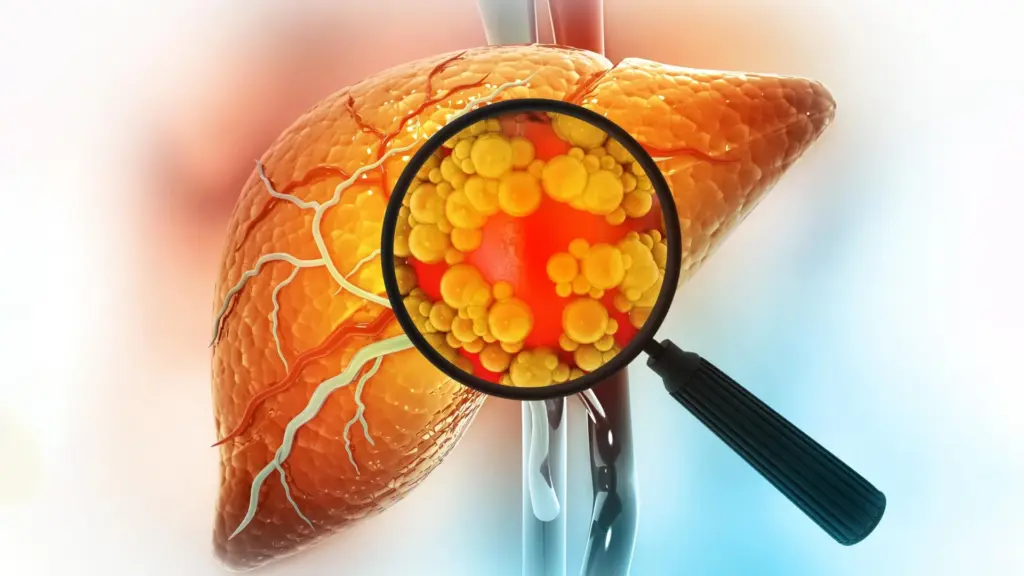
Fatty liver represents the earliest stage of metabolic dysfunction-associated steatotic liver disease, commonly known as MASLD. This condition develops when excess fat begins to build up within the liver tissues. Medical science has long associated several distinct factors with the onset and progression of the condition, including obesity, type 2 diabetes, low testosterone levels, and the heavy consumption of fructose from processed foods and sugary beverages. However, until recently, researchers lacked a complete understanding of how these diverse variables interact with one another. Specifically, scientists did not fully know whether the combination of these risk factors creates an effect that is far more harmful than each individual factor acting on its own.
How Low Testosterone and Fructose Affect the Liver
To investigate this critical health connection more thoroughly, a dedicated research team from a Graduate School of Agriculture examined the precise ways in which reduced testosterone and high dietary fructose intake influence overall liver health. The investigation was led by graduate student Hiroki Takahashi and Associate Professor Naoki Harada, who set out to uncover the underlying biological mechanisms connecting hormone levels and dietary habits.
For their experimental model, the researchers utilized eight-week-old male mice, dividing them systematically into six distinct experimental groups. To simulate hormonal changes, some of the animals underwent surgical castration to lower their testosterone levels, while control groups received a sham operation to replicate the surgical stress without altering their hormone production. The full lineup of experimental cohorts included the Sham/Control group, the Sham/Fructose group, the Sham/Fructose plus Antibiotics group, the Castration/Control group, the Castration/Fructose group, and the Castration/Fructose plus Antibiotics group.
To accurately determine how these contrasting conditions affected the animals’ physiology, the research team conducted comprehensive analyses. They examined liver cells and tissues, evaluated blood plasma constituents, measured organic acids present within the cecum, and took detailed samples of the gut bacteria across the various cohorts.
A Dangerous Combination for Fatty Liver
The results of the controlled experiment revealed clear and striking differences among the groups. Mice with reduced testosterone levels developed noticeably heavier livers when they consumed a diet high in fructose. Interestingly, this abnormal increase in liver weight was considerably smaller in the mice that received antibiotics alongside their fructose intake, offering the first major clue about the underlying biological pathway.
When the researchers evaluated the factors separately, they found that low testosterone and fructose intake produced only modest changes in liver triglyceride levels on their own. However, when these two factors were combined, they produced a much stronger and more detrimental effect. The dual exposure significantly accelerated fat accumulation within the liver and severely worsened the severity of fatty liver disease.
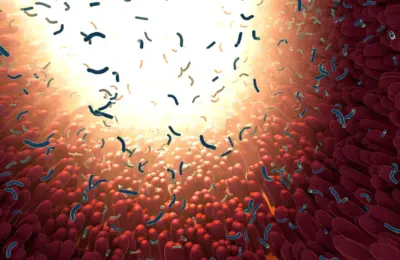
Alongside the dramatic increase in hepatic fat, the research team also identified distinct shifts in the composition of gut bacteria, altered gene activity within the liver tissues, and elevated levels of pyruvate in the cecum among the mice that were exposed to both reduced testosterone and dietary fructose. These collective findings strongly indicated that the gut microbiome might play a crucial, mediating role in explaining why the combination of low testosterone and high fructose is particularly damaging to metabolic health.
Gut Bacteria Reveal a Hidden Mechanism
Further experiments conducted by the research team helped uncover a possible biological explanation for the accelerated liver fat accumulation observed in the dual-exposure group. The microbiome analysis and subsequent cellular tests provided a clearer picture of how these systems interact within the body.
"Upon examining this mechanism, we found that changes in the gut microbiota led to increased levels of pyruvate within the intestine. Furthermore, experiments using mouse-derived primary hepatocytes revealed that pyruvate acts synergistically with fructose to promote neutral lipid accumulation in hepatocytes," explained Takahashi.
In practical terms, the alterations in gut bacteria appeared to boost the production of intestinal pyruvate, a fundamental chemical compound heavily involved in energy metabolism. When the team conducted laboratory experiments utilizing isolated liver cells from mice, they observed that pyruvate and fructose actively worked together to drive up fat storage inside those cellular structures. This significant discovery suggests that the complex interactions occurring among testosterone levels, dietary fructose intake, and the gut microbiome can help explain the exact pathways through which fatty liver disease develops and worsens over time.
Potential New Ways to Prevent Fatty Liver Disease
Gaining a deeper understanding of this intricate relationship could eventually assist medical researchers in identifying novel approaches to preventing or treating fatty liver disease in humans. In particular, targeting the specific biological processes through which pyruvate contributes to excess fat accumulation may open up promising new avenues for therapeutic intervention.
"Going forward, we hope to clarify the mechanism by which pyruvate promotes triglyceride accumulation to pioneer the development of therapeutic drugs and establishment of preventive methods through dietary interventions," added Professor Harada.
While the current findings are derived strictly from controlled experiments involving mice and isolated mouse liver cells, they provide valuable new insights into how hormonal shifts and everyday diet can interact to influence vital metabolic organs like the liver. As the global prevalence of metabolic dysfunction-associated steatotic liver disease continues to present a major public health challenge, research of this nature lays the groundwork for future clinical strategies aimed at mitigating the disease’s heavy toll.
The complete study detailing these findings has been published in the American Journal of Physiology-Endocrinology and Metabolism.