

WASHINGTON — With the pivotal November midterms just over two weeks away, a new Washington Post-ABC News poll reveals that Donald Trump’s approval rating has plummeted to a record low of 33%. The fresh polling data highlights mounting voter skepticism across the American political landscape, arriving as the president ramps up a nationwide campaign blitz to support embattled Republican candidates fighting to maintain control of Congress.
Beyond the historic low in overall approval, the poll uncovers deep-seated voter anxiety regarding ethics, governance, and the rule of law. A striking two-thirds of Americans—66%—believe that Donald Trump is utilizing the presidency to enrich himself. Perhaps most notably for the governing party, the sentiment has penetrated the Republican base: 34% of surveyed Republicans now express the belief that Trump is using his office for personal financial gain, marking a significant 12-point jump from polling figures recorded last September.
The survey also indicates severe financial pessimism among the electorate. Forty-eight percent of respondents stated that they are financially worse off now than when Trump returned to office in 2025, representing the highest percentage expressing such economic dissatisfaction for any president in this specific series of polling since 1986. Furthermore, 67% of those surveyed believe the president is not committed to protecting the freedom of the press, while 61% expressed concern that he is not committed to ensuring free and fair elections.

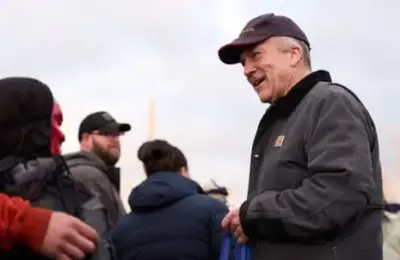
These figures underscore a high-stakes political environment as the White House and its legislative allies navigate a fiercely contested midterm landscape. Trump spent the early part of the week in Washington before heading to Wichita, Kansas, to headline a high-profile rally for incumbent Republican Senator Roger Marshall, who faces an unexpectedly rigorous challenge from Democratic opponent Adam Hamilton.
Legal and Geopolitical Flashpoints Ripple Through Washington
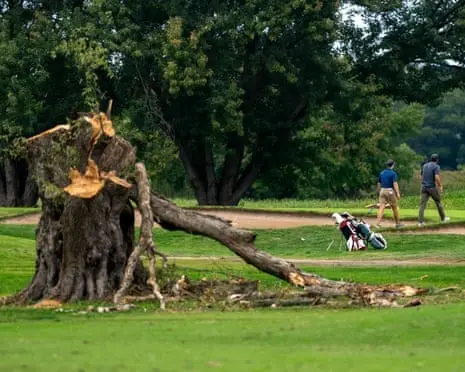
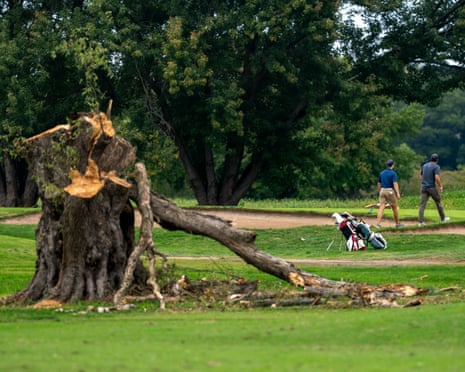
The domestic political turbulence unfolds against a backdrop of escalating legal battles and international tensions. On the home front, the Trump administration remains locked in a bitter dispute with the federal judiciary over urban infrastructure and executive authority. Over the weekend, the National Park Service removed hundreds of trees at the historic East Potomac golf course in Washington, D.C., drawing swift condemnation and legal obstruction from federal courts.
US District Judge Ana Reyes, citing environmental and historic preservation concerns, previously ruled that the federal government must provide advance notice before undertaking substantive construction work at the site. Last week, she issued an order halting the tree removal, labeling the administration’s actions inexcusable.
Trump launched a blistering attack against Judge Reyes on social media platform Truth Social, branding her a "crazed lunatic" and asserting that the Department of the Interior has the absolute right to execute the renovation "as of right" without judicial interference. The East Potomac dispute is just one of several high-profile municipal projects pursued by the administration to reshape Washington landmarks—including proposals for a massive White House ballroom, a triumphal military arch, and the controversial placement of the president’s name on the Kennedy Center—all of which have faced legal challenges.
Meanwhile, international developments continue to test the administration’s foreign policy posture. Secretary of State Marco Rubio pushed back strongly against statements made by Ukrainian President Volodymyr Zelenskyy, denying claims that the United States had temporarily paused intelligence sharing with Kyiv. Speaking to reporters during a diplomatic visit to Uzbekistan, Rubio dismissed the Ukrainian leader’s assertions, stating that intelligence operations had never been interrupted and urging Kyiv to focus entirely on bringing an end to the ongoing conflict.
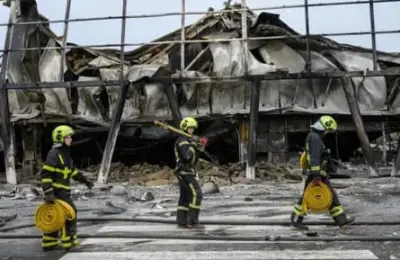
Zelenskyy had earlier told reporters that the US administration briefly "blocked" vital intelligence regarding impending Russian ballistic missile strikes, leaving Ukrainian infrastructure vulnerable during a series of heavy aerial bombardments targeting Kyiv’s power grid. The Ukrainian president also alleged that SpaceX had abruptly throttled the speed of Starlink satellite terminals in Ukraine as a direct message from the American government amid ongoing diplomatic frictions, though he expressed gratitude that intelligence sharing had subsequently been restored.

Overseas Crisis and Domestic Relief Struggles
The administration is also navigating diplomatic fallout in the Middle East following a violent episode in the occupied West Bank. US Ambassador to Israel Mike Huckabee strongly denounced a brutal attack by masked Israeli settlers that left Washington Post photojournalist Heidi Levine severely injured. Levine, a 63-year-old award-winning freelance photographer living in Israel, was beaten with clubs and other weapons for over ten minutes while documenting Palestinian olive farmers in the West Bank.
Huckabee, a staunch conservative ally of Trump known for his hardline pro-Israel stances, broke from expected diplomatic reticence to label the assault a "despicable act of terror" and a "vicious and cowardly attack." He called for a full investigation, immediate arrests, and rigorous prosecution of those responsible to the fullest extent of the law. Levine is currently recovering in a hospital near Tel Aviv after undergoing surgery for a broken hand, fractured ribs, and other severe injuries sustained during the incident, which also saw her camera, passport, and phone stolen.
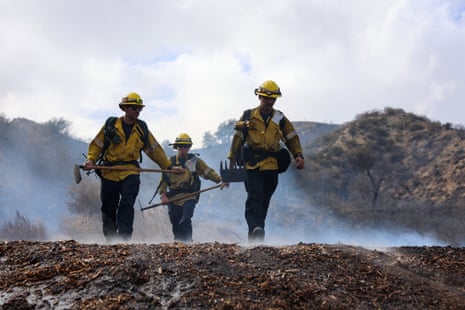
Domestically, communities across the United States continue to grapple with the delayed aftermath of severe weather events. Disaster survivors nationwide are still waiting on at least $10bn in federal long-term recovery aid to rebuild homes and infrastructure following catastrophic events, including wildfires in Los Angeles County and severe flooding in Missouri.
While CDBG-DR disaster relief funding was formally written into law for a three-year period in July 2026, creating a structured framework for future assistance, Congress has yet to appropriate new funding for the program. As a result, many families whose lives were upended by extreme weather years ago remain in financial limbo, waiting for the federal resources required to fully restore their communities.