

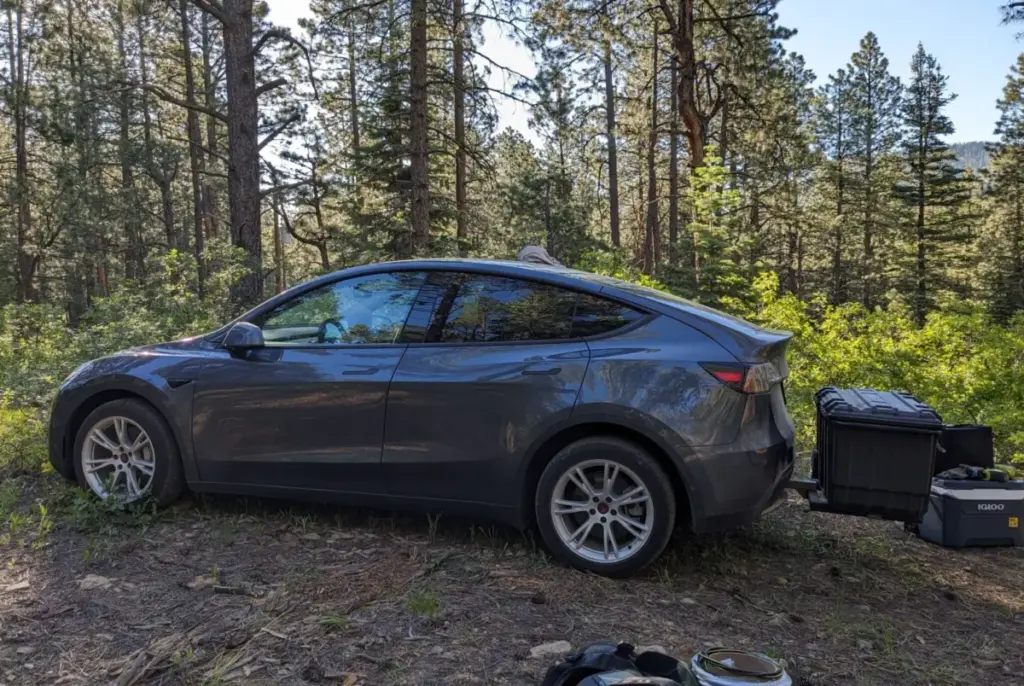
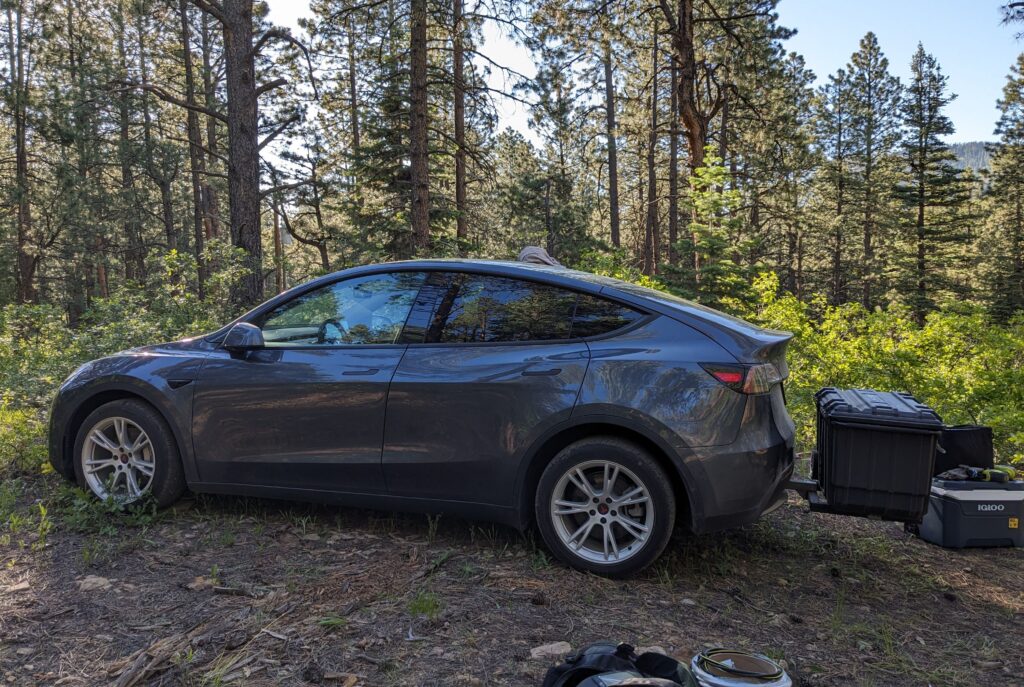
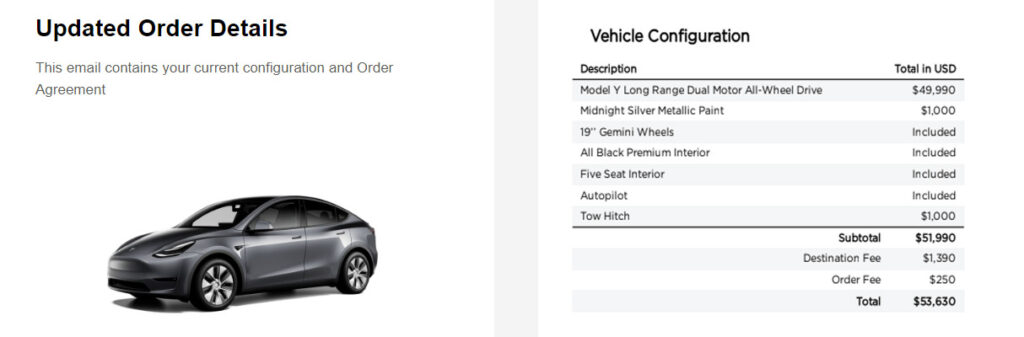
For more than a decade, the man behind the popular financial independence blog "Mr. Money Mustache" has preached the gospel of extreme frugality, environmental minimalism, and a profound disdain for car culture. Peter Adeney, known to millions of followers for retiring early through disciplined saving and a fierce resistance to consumerism, made headlines in the personal finance community by purchasing a luxury 2023 Tesla Model Y.
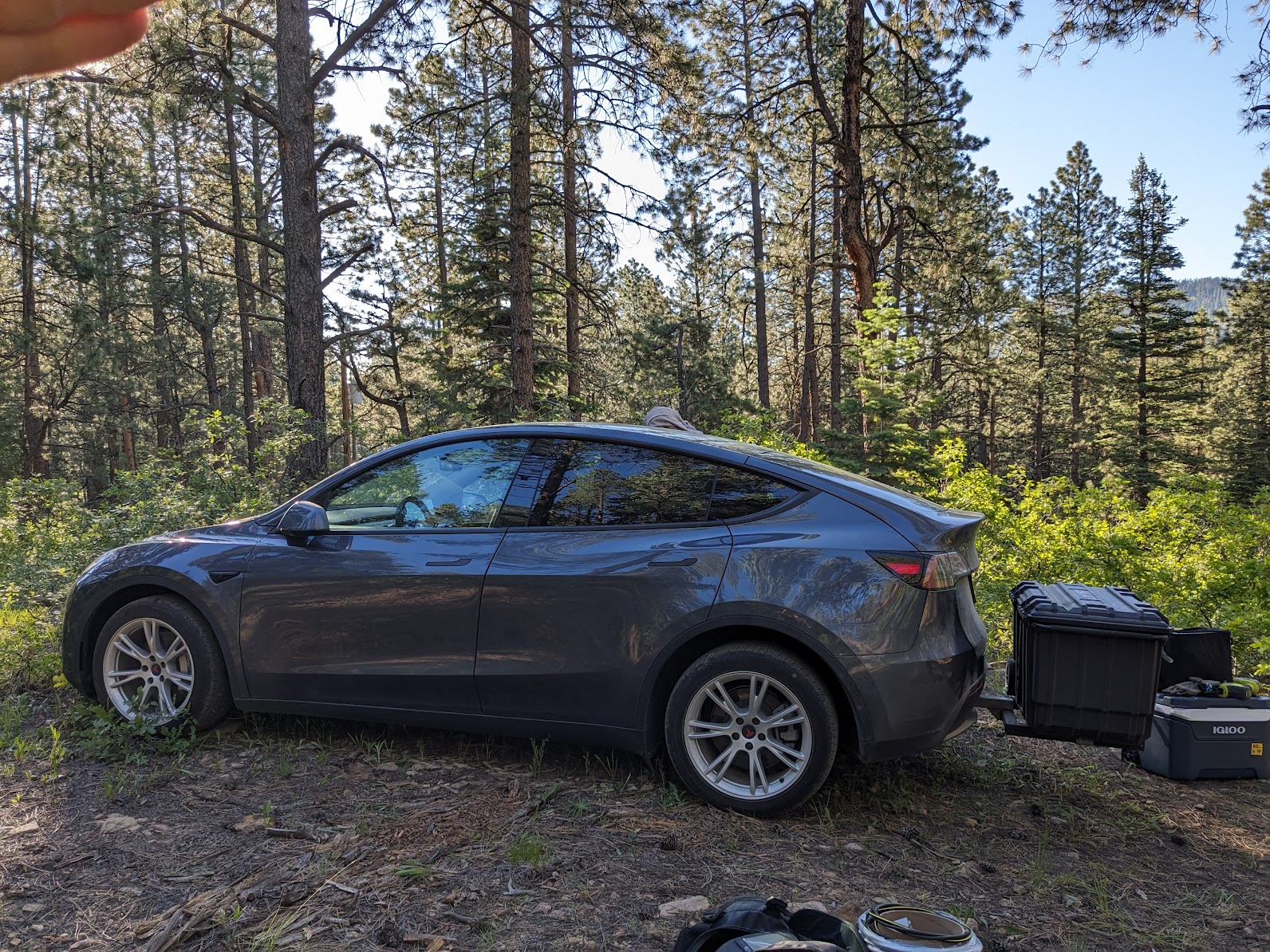
The acquisition marks a major departure from his longtime philosophy. The electric crossover, loaded with all-wheel drive, high-tech features, and rapid acceleration, carries a net cost of approximately $52,000 after taxes and available credits. It represents a staggering financial leap from the vehicle it is replacing: a classic Honda minivan purchased off Craigslist twelve years ago for just $4,500. That trusty old van, affectionately dubbed "Vanna," dutifully served Adeney through countless mountain excursions, desert road trips, and local neighborhood rebuilding projects before finally succumbing to a transmission failure on a Colorado mountain pass.
Adeney acknowledges the heavy irony of the purchase. As a frugality-oriented blogger who built his early retirement philosophy around minimizing transport costs and mocking excessive spending, he spent four years procrastinating on the purchase while friends and internet commentators urged him to treat himself.
"I’m supposed to be a frugality-oriented financial blogger, and I’m also known for hating car culture—I think most people use cars about ten times more often than they need to, and most people drive cars they can’t afford," Adeney reflected. "So why the hell am I buying a new one?"
The decision to pivot from extreme thrift to a high-end luxury vehicle stems from a broader philosophical shift regarding long-term wealth management and the psychological traps of over-optimization. While Adeney’s early retirement 18 years ago was built on a foundation of strict frugality, he began to realize that the mindset required to accumulate wealth is not always the mindset required to enjoy it. He summarizes this dilemma through a guiding principle: "What got you here, won’t get you where you’re going."
This realization hit home during a routine grocery store trip when Adeney found himself agonizing over a $6.99 loaf of specialty bread. After cycling through a familiar internal battle over whether to boycott the grocery store or seek cheaper substitutes, he experienced a moment of clarity. He realized that stressing over a few dollars when his financial foundation is secure does not make a person happier; it merely reinforces an unhealthy scarcity mindset.
Discussing the dilemma with a wealthy peer who had similarly retired early through disciplined saving, Adeney discovered a shared struggle. Despite having net worths capable of supporting a comfortable lifestyle many times over, both men found themselves routinely hesitating over minor splurges, whether it was paying for convenience services like airport Ubers or upgrading aging vehicles.
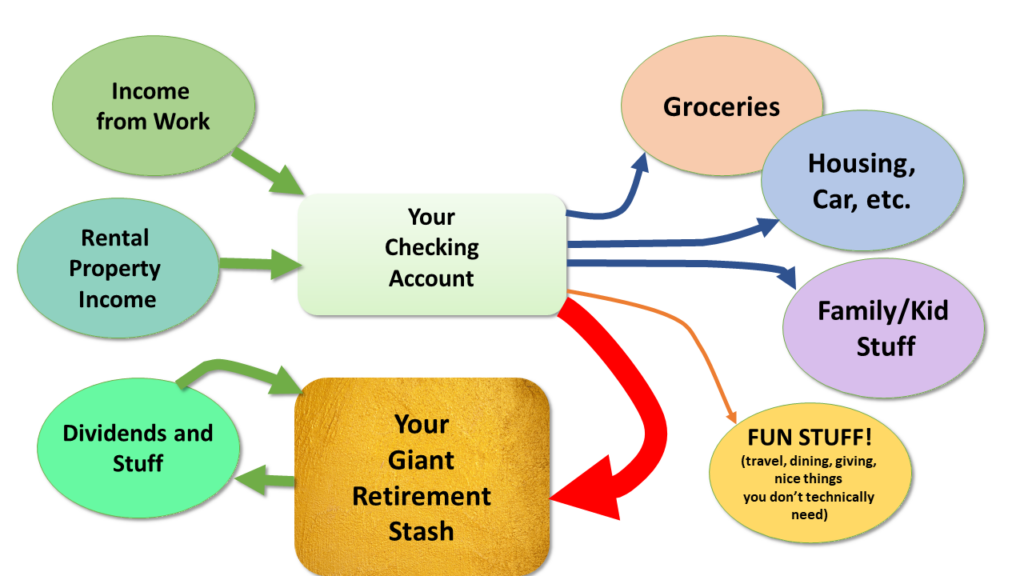
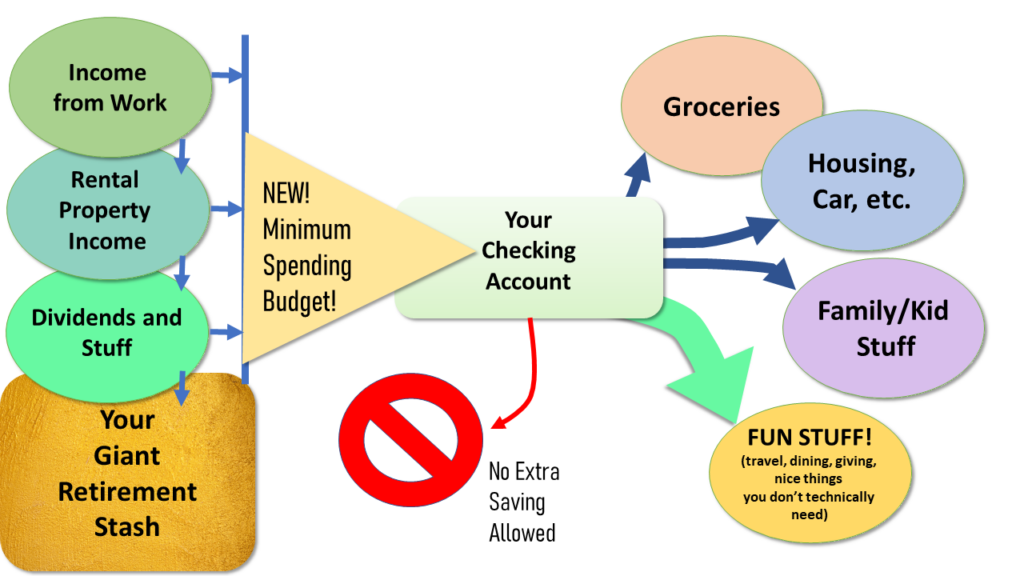
To combat this entrenched psychological barrier, Adeney and his peers developed three practical principles designed to help lifelong savers unlock their wealth while they are still alive. The first centers on establishing a realistic minimum spending budget. Using standard financial guidelines such as the four percent rule, individuals with substantial investment portfolios often discover that their actual living expenses are a fraction of what they can safely spend without ever depleting their principal. Despite knowing they are financially secure, many hyper-frugal individuals continue living on bare-bones budgets while reflexively funneling every extra dollar back into an already oversized savings pile.
The second principle involves creating a dedicated discretionary spending account to trick the brain into shedding its aversion to self-indulgence. Adeney notes that spending money feels effortless when it belongs to an anonymous corporation, such as during an all-expense-paid business trip. By compartmentalizing funds into a dedicated "wasting" account, savers can psychologically separate their core nest egg from their fun money, making it easier to enjoy the fruits of their labor.
The third principle emphasizes the value of a splurge accountability buddy. Frugal individuals often congregate together, reinforcing each other’s cautious habits. By teaming up with friends who are actively trying to overcome the same mental blocks, savers can mutually challenge their cheapness and encourage sensible splurges on quality goods, memorable trips, and lifestyle improvements.
For Adeney, the $50,000 Tesla investment serves as a concrete test of this new philosophy. Realistically, the vehicle is projected to cost about $10,000 more per year than his old van in depreciation, insurance, and operating expenses. However, because Adeney’s spending deficit has long been several times larger than that amount, the purchase represents a manageable and deliberate step toward prioritizing experiences, comfort, and safety. The car’s primary purpose will be facilitating camping trips, cross-country adventures, and visits to a newly acquired fixer-upper vacation compound in Salida, Colorado.

The purchase has inevitably drawn criticism from some corners of the internet, with detractors suggesting the money would be better spent on charity. Adeney is quick to address the pushback, noting that while philanthropy is vital—having personally donated over $500,000 to various causes during his years of blogging—guilting people for enjoying their hard-earned wealth is counterproductive. He argues that an obsession with strict austerity can warp a person’s perspective, turning even modest personal expenditures into sources of intense anxiety.
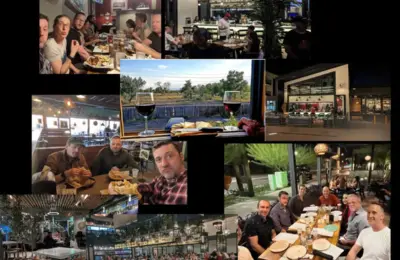
The transition away from Vanna was ultimately facilitated by Peddle, an online car salvage service that offered $715 for the aging Honda. True to the theme of his new spending philosophy, Adeney took the cash payment from the tow truck driver and immediately earmarked it for restaurant dinners with friends.
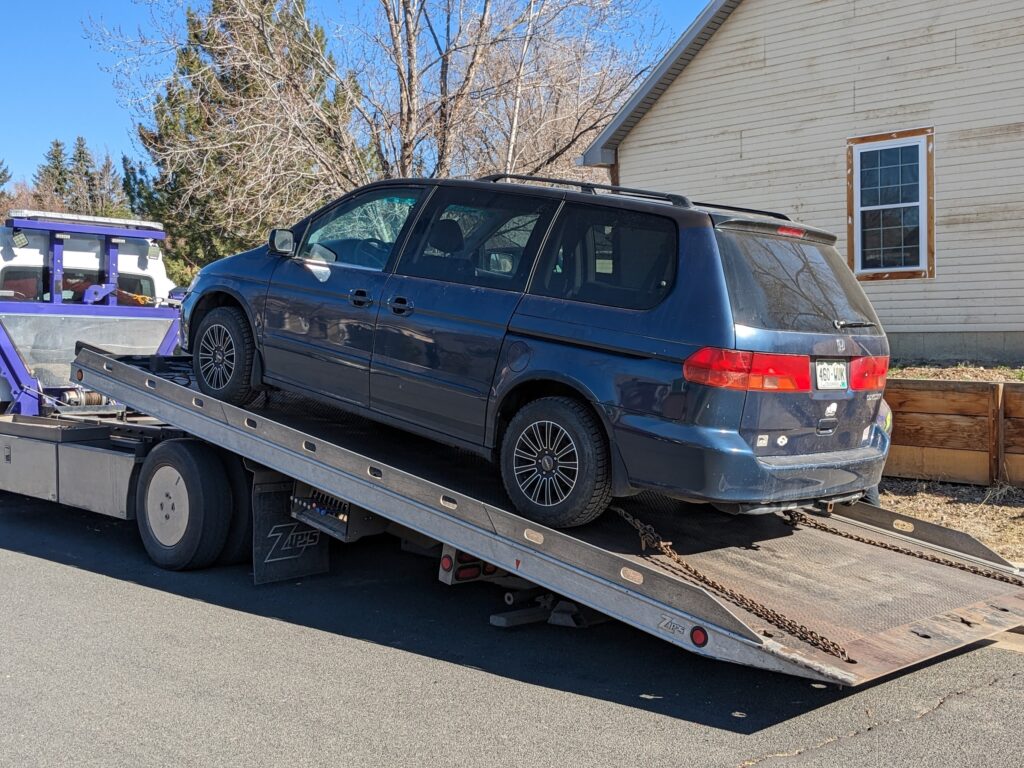
With his old van finally put to rest after a 24-year run, Adeney is turning the page on a new chapter of his financial journey. He has launched an online tracker titled "The Model Y Experiment" to document his long-term experiences with electric vehicle ownership, customer service, and vehicle modifications. For a man who built his reputation on defying modern consumer norms, the transition represents not an abandonment of financial responsibility, but a calculated reconciliation between being a responsible steward of wealth and actually enjoying the life it provides.