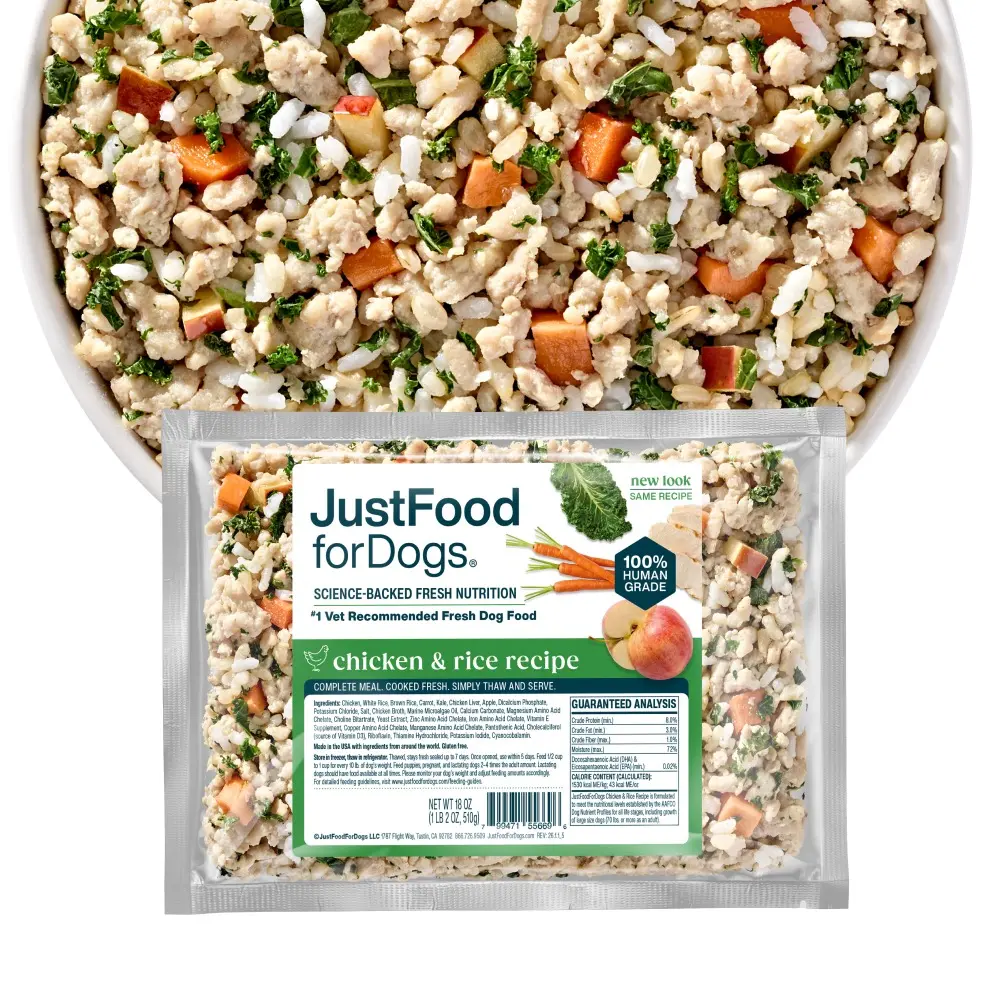
The pet food industry has experienced a significant shift in recent years, with gently cooked fresh dog food emerging as a prominent option for pet owners seeking alternatives to traditional kibble. However, as these premium formats gain popularity, many households are left asking a fundamental question: Is fresh dog food worth the financial investment?
To answer this, pet owners must look beyond initial promotional discounts, attractive packaging, and appealing ingredient lists. A realistic evaluation requires comparing the actual cost of feeding a consistent number of daily calories across different food formats, while also factoring in practical household dynamics such as storage capacity, food waste, and overall convenience.
This analysis is sponsored by JustFoodForDogs. Vetstreet maintains complete editorial control over this content and may earn a commission from qualifying purchases, at no additional cost to the reader.
Evaluating whether a complete, gently cooked recipe is appropriate for a specific dog involves balancing its everyday health benefits against the household budget. Fortunately, the decision is not necessarily all-or-nothing. A measured combination of two complete and balanced diets can often provide the desired nutritional features of fresh food at a much more manageable daily cost.
Is Fresh Dog Food Worth It for Your Household?
Gently cooked fresh meals are highly appealing to many pet owners because they are moist, soft, and professionally prepared. For owners who prefer to feed their dogs a cooked diet but wish to avoid the hassle of sourcing individual ingredients, balancing recipes, and home cooking, commercially prepared fresh food offers substantial practical value. Furthermore, a highly palatable meal can simplify the daily feeding routine for dogs that are otherwise selective eaters.
However, it is important to distinguish these practical benefits from marketing promises that suggest a specific food format will automatically prevent chronic illness or extend a pet’s lifespan. A higher retail price does not guarantee superior health outcomes for every individual dog. Similarly, scientific data regarding high digestibility does not directly translate into predictable savings on future veterinary bills. To make a sound financial decision, pet owners should keep their value assessment focused on observable benefits that align with what they can comfortably afford.
Before choosing between fresh, dry, raw, or freeze-dried options, it is essential to identify the intended role of the food. Many products on the market are formulated as toppers or supplemental mixers rather than complete diets. Because these toppers are meant to supply only a fraction of a dog’s daily nutritional needs, their package prices can appear deceptively low. Comparing the daily cost of a supplemental topper to a full, balanced feeding plan will lead to misleading budgeting calculations.
The U.S. Food and Drug Administration (FDA) emphasizes the importance of checking the nutritional adequacy statement on pet food labels to ensure a product is "complete and balanced." This statement must match the dog’s specific life stage, including appropriate growth qualifications for puppies. Medical conditions can narrow these dietary choices even further, regardless of the food’s physical format.
For those exploring cooked options, reviewing the labels of established brands like JustFoodForDogs is a practical starting point. The most reliable short list of options will only include diets that the dog can safely tolerate and that the household can consistently afford to purchase and store.

Comparing Cost Per Day on a Standard Calorie Target
To conduct an accurate cost comparison between fresh dog food and other formats, pet owners must evaluate the foods based on a shared calorie target. Fresh meals contain a significant amount of water, whereas dry kibble and freeze-dried foods have had most of their moisture removed. Consequently, equal weights of different foods do not deliver equal amounts of energy. Calorie density is the essential link required to connect a retail package price to an actual daily feeding budget.
For the purpose of illustrating these calculations, a baseline of 500 calories per day is used as a standard unit of comparison. This baseline is purely illustrative and does not represent a specific feeding recommendation for any individual dog. An appropriate daily caloric intake varies widely based on a dog’s age, activity level, body condition, breed, and health status, and should always be determined in consultation with a veterinarian.
Calculating the daily cost of any dog food involves a straightforward three-step process:
First, identify the total calories contained within the entire package. This information is typically found on the nutritional label, often expressed as kilocalories (kcal) per package, per cup, or per kilogram.
Second, determine the cost per calorie by dividing the retail purchase price of the package by the total number of calories it contains.
Third, multiply this cost per calorie by the dog’s daily calorie target—such as the 500-calorie baseline used in this analysis—to find the estimated daily feeding cost.
To project this into a monthly budget, the daily cost can be multiplied by the number of days in the budgeting period. While a 30-day estimate is highly useful for planning, pet owners should keep in mind that shipping fees, taxes, and the timing of bulk purchases may cause actual monthly credit card transactions to fluctuate.
When calculating long-term costs, the recurring retail price is the most reliable metric. Introductory discounts and first-box promotions are common in the fresh pet food industry, but they do not reflect the ongoing cost of maintaining the diet throughout the year. Pet owners should verify whether advertised savings are one-time offers, tied to ongoing auto-ship subscriptions, or dependent on meeting minimum order sizes.
For those searching for the most budget-friendly fresh dog food, it is best to compare the regular, recurring costs of appropriate recipes within that specific category. The lowest advertised prices often assume a very small dog, a partial feeding plan, or introductory promotional rates, none of which may apply to a buyer’s actual situation.
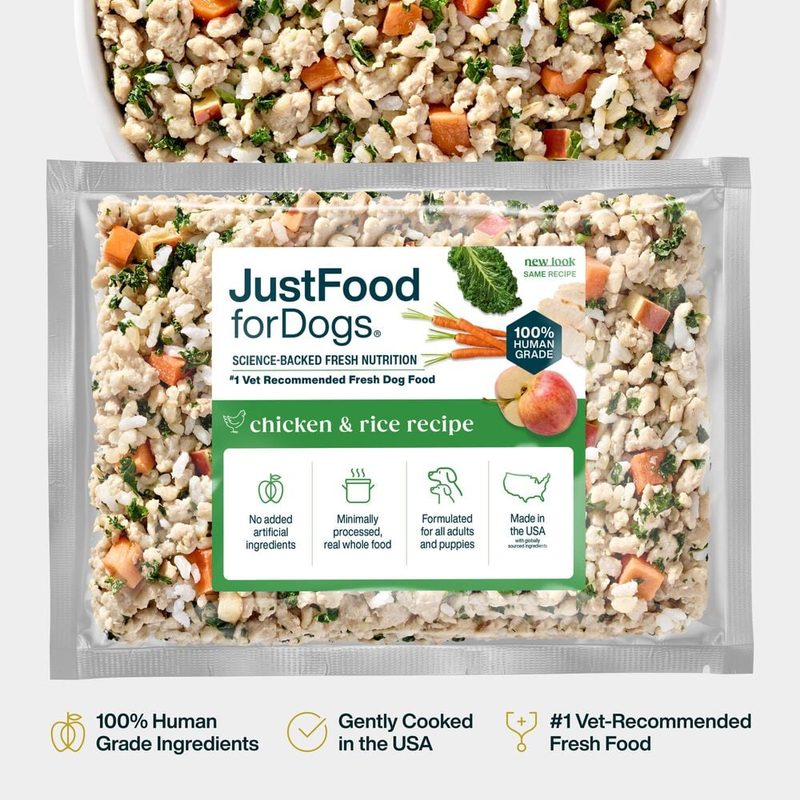
Furthermore, purchasing fresh dog food without a subscription introduces additional practical variables, such as one-time shipping fees. Comparing the cost of a single order against a subscription plan using the same quantity of food is highly recommended. While a subscription often yields a lower unit price, the flexibility of one-time purchasing can be highly valuable for those testing freezer capacity or managing irregular travel schedules.
For owners of large-breed dogs, the cost of fresh food is directly tied to the animal’s substantial daily energy requirements. If a dog requires twice the caloric intake of a medium-sized dog, the daily food cost will double accordingly. Large dogs also consume packages at a much faster rate, which can minimize the risk of food spoiling in the refrigerator but will significantly increase local freezer storage demands and the frequency of deliveries. Utilizing portion estimators, such as the JustFoodForDogs online calculator, can serve as a helpful initial planning tool, though final serving sizes should always be adjusted based on the dog’s physical condition and veterinary feedback.
Analyzing the Cost Inputs: How Fresh, Kibble, Raw, and Freeze-Dried Compare
The following cost examples demonstrate how different feeding formats compare using retail pricing and nutritional data reviewed in September 2026. These figures represent specific product examples rather than category-wide averages or the absolute lowest prices available on the market. Variations in brand, recipe, package size, retail outlet, regional taxes, and shipping fees will naturally alter these calculations.
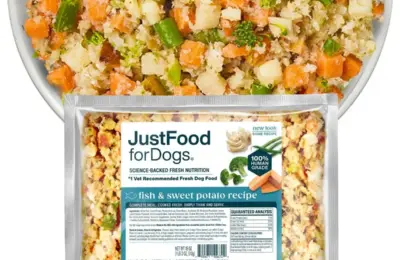
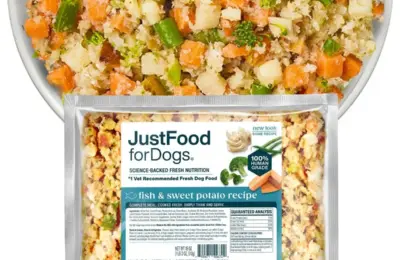
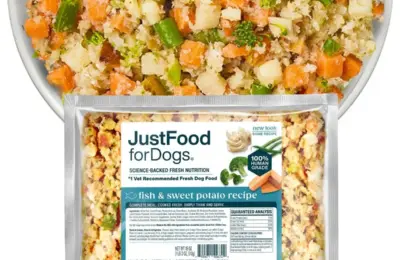
For the fresh food category, the JustFoodForDogs Chicken & Rice recipe lists a standard retail price of $76.99 for a box of seven 18-ounce packages. With each package containing 774 calories, the entire order provides a total of 5,418 calories. This equates to an approximate daily cost of $7.11 to meet a 500-calorie daily requirement, resulting in an estimated 30-day cost of $213.
In comparison, dry kibble remains the most economical format by a wide margin. Using Purina Pro Plan Complete Essentials Shredded Chicken & Rice dry dog food as an example, a 5-pound bag retails for approximately $16.58. Based on the manufacturer’s published energy density of 3,790 calories per kilogram, a 5-pound bag contains roughly 8,596 calories. To meet the same 500-calorie daily baseline, the cost is approximately $0.96 per day, or about $29 for a 30-day period.
Frozen raw diets occupy a middle ground in terms of pricing. For example, a 3-pound bag of Primal Chicken raw frozen nuggets retails for approximately $26.99. Based on the manufacturer’s specification of 44 calories per nugget, with each nugget weighing roughly one ounce, the bag contains an estimated 2,112 calories. Feeding this diet at a 500-calorie daily baseline costs approximately $6.39 per day, which translates to a 30-day budget of $192.
Freeze-dried diets represent the premium end of the pricing spectrum. A 14-ounce bag of Primal Chicken freeze-dried nuggets is priced at $39.99. Because freeze-dried nuggets can vary slightly in density, the manufacturer’s specifications yield an estimated range of 1,848 to 2,464 calories per bag. This results in a daily cost range of $8.11 to $10.82 to meet a 500-calorie target, leading to an estimated 30-day cost of $243 to $325.
These examples clearly demonstrate that while dry kibble offers the lowest cost per calorie, gently cooked fresh food is positioned as a mid-to-high-tier option, costing more than traditional kibble but proving more economical than premium freeze-dried diets. Meanwhile, frozen raw diets sit closely below fresh cooked meals in terms of daily cost.
However, financial cost is not the only factor to weigh. Raw diets—including frozen raw and many freeze-dried options—remain uncooked. The Centers for Disease Control and Prevention (CDC) has issued clear pet food safety guidance highlighting the potential pathogen risks that raw pet foods can pose to both pets and the humans living in their households. Consequently, a lower price point for raw food should not overshadow a family’s specific food-safety needs.
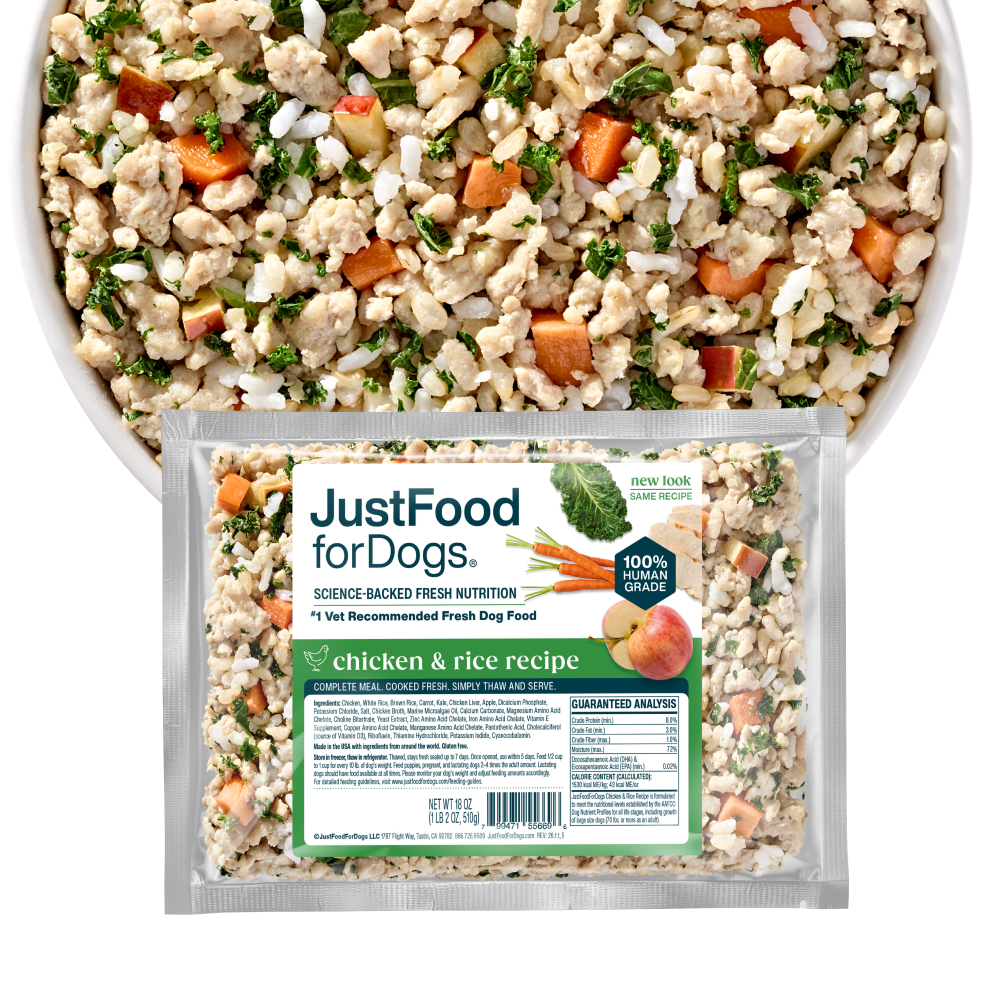
Pet owners can easily use these examples as a template for their own calculations. It is highly recommended to take a photograph of product labels, note the exact checkout prices, and verify package weights. This practice helps prevent common calculation errors, such as pairing the price of a small bag with the caloric density of a larger size, or applying outdated feeding guidelines to a newly reformulated product.
The Economics of Mixed Feeding
For pet owners who wish to incorporate the benefits of fresh food without taking on the full financial commitment, mixed feeding is a highly effective strategy. The key to successful mixed feeding is replacing a portion of the dog’s dry kibble calories with an equivalent caloric portion of fresh food, rather than simply adding fresh food on top of an unchanged kibble ration. Adding fresh food without adjusting the base diet can lead to overfeeding and unintended weight gain.
Using the previous examples of Purina Pro Plan kibble and JustFoodForDogs fresh food, a pet owner could opt for a 25/75 calorie split. In this scenario, 25% of the daily 500-calorie target (125 calories) comes from the fresh recipe, and 75% (375 calories) comes from dry kibble. This mixed diet would cost approximately $2.50 per day, or roughly $75 over a 30-day period.
If the owner decides on a 50/50 calorie split—where 250 calories are supplied by each format—the daily cost rises to approximately $4.03, resulting in a monthly budget of about $121, excluding shipping or local taxes.
It is critical to remember that these percentages are based on calorie content, not physical volume or weight. A cup of fresh food and a cup of dry kibble contain vastly different amounts of energy. Furthermore, this approach assumes that both products are complete and balanced diets. Utilizing an unbalanced topper, a homemade recipe, or a simple treat to replace a large portion of a complete commercial diet can lead to nutritional deficiencies over time.
For dogs on therapeutic veterinary diets, those with suspected food allergies, or puppies requiring tightly controlled growth formulations, owners should always consult their veterinarian before mixing different food brands or formats. Preserving the therapeutic or developmental purpose of the primary diet must remain the priority, even when attempting to optimize household expenses.
When implementing a mixed feeding plan, the transition should be made gradually over several days. Owners should carefully monitor their dog’s appetite, stool consistency, and body weight, keeping a simple log of how easily the routine is maintained. If a complex multi-food routine proves too difficult to sustain during a busy morning, simplifying the plan to a fixed daily amount divided evenly between meals is often the best path to long-term success.
Factoring in Hidden Costs Beyond the Retail Price
The shelf price of a bag or box of dog food represents only the initial cost of feeding. True household expenses must also account for shipping fees, storage requirements, and potential food waste. A bulk purchase may offer an attractive discount per calorie, but it can quickly become a liability if the household lacks the freezer space required to store it safely.
For frozen fresh diets, pet owners must map out both long-term frozen storage and short-term thawed use. It is important to read manufacturer guidelines regarding safe thawing times, refrigerator storage limits, and how long an opened package can remain refrigerated before it must be discarded. Budget plans should never rely on stretching these safety windows past their recommended limits.
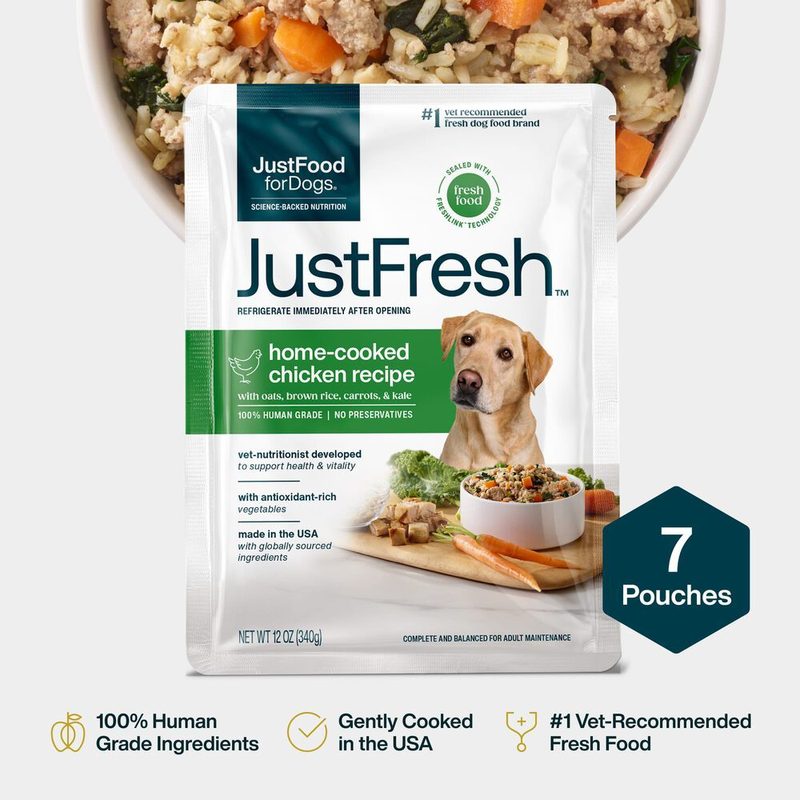
For households with limited freezer space, shelf-stable fresh formats offer a practical alternative. Products such as JustFresh Chicken can be stored in a standard pantry until opened, resolving the storage challenges associated with frozen food. However, pet owners must calculate costs using the specific pricing, caloric density, and feeding guidelines of the shelf-stable product itself, rather than assuming it costs the same as its frozen counterpart.
Additionally, shelf-stable fresh foods still require refrigeration once opened, and they must be consumed within a specified timeframe. Owners should consider whether pet sitters or family members can easily adhere to these handling instructions when managing the dog’s feeding routine.
Food waste is another critical factor, particularly for owners of small-breed dogs. If a small dog cannot consume an entire thawed package of fresh food before it reaches its refrigeration limit, the remaining food must be discarded. To prevent this waste, owners should look for smaller packaging options or verify if the manufacturer permits portioning and refreezing. Buying excess food simply to qualify for free shipping or bulk discounts can ultimately increase overall expenses if a portion of the food is consistently wasted.
Similarly, buying oversized bags of dry kibble to save money can backfire. Once opened, dry food begins to oxidize and can spoil or lose nutritional value if not consumed within a reasonable timeframe, typically within four to six weeks.
Making a Practical Value Decision Before Switching
Fresh dog food is a highly viable option for owners who prioritize the moisture, texture, and convenience of professionally prepared cooked meals, and who can comfortably integrate the recurring cost into their household budget. Conversely, maintaining a dog on a high-quality, appropriate dry kibble diet is entirely reasonable when that format meets the dog’s nutritional needs and aligns with the owner’s financial reality.
To organize a comparison of potential diets, pet owners can consult comprehensive guides on veterinarian-recommended dog foods while reviewing the specific product labels of the formulas they are considering. Discussing specific recipes, daily calorie targets, and recurring costs with a veterinarian is far more productive than debating whether fresh food is universally superior to dry kibble.
When planning a transition, it is highly beneficial to focus on a small, repeatable plan rather than committing to a massive bulk order immediately. This allows the owner to test freezer space, evaluate delivery reliability, and observe how well the dog tolerates the new food. Anticipated savings on future veterinary bills should not be factored into the decision unless there is a specific, clinically supported reason relevant to the dog’s ongoing medical care. The most reliable value lies in the tangible product being purchased: high-quality ingredients, precise preparation, convenient packaging, and a sustainable daily routine.
Frequently Asked Questions
Do veterinarians recommend fresh dog food?
Many veterinarians recommend specific gently cooked fresh dog foods after evaluating the exact recipe, the individual dog’s health requirements, and the owner’s household budget. This is distinct from a general endorsement of all products labeled "fresh." Pet owners should bring the product’s nutritional label, the planned calorie calculations, and a list of any other foods or treats the dog consumes to their veterinary appointment to develop a safe, tailored feeding plan.
What is the single healthiest dog food?
There is no single "healthiest" dog food that is appropriate for every dog. A food’s suitability begins with its nutritional adequacy statement for the dog’s specific life stage, followed by an evaluation of recipe-specific formulation research, manufacturer quality control standards, and individual dietary needs. Price and physical format alone do not determine healthfulness; a diet that works exceptionally well for one dog may be entirely inappropriate for another with different medical or growth requirements.

Is it genuinely better to feed dogs fresh food?
Feeding a fresh diet can be highly beneficial for households that value the moisture, texture, and convenience of prepared, cooked meals, especially when it improves a dog’s appetite and simplifies the daily routine. However, high-quality dry kibble is also fully capable of meeting a dog’s complete nutritional needs. Pet owners should compare specific products and practical feeding plans rather than assuming that fresh ingredients serve as a substitute for established nutritional research.
Do dogs live longer when fed fresh food?
Current research regarding food digestibility does not prove that dogs live longer on a fresh diet. Studies demonstrating higher nutrient digestion or reduced stool volume answer specific physiological questions within a controlled research environment; they do not prove that every dog fed fresh food will experience an increased lifespan. Pet owners should avoid justifying a premium pet food budget based on assumptions of longevity or guaranteed reductions in future veterinary expenses.
Can mixing fresh food with kibble reduce daily feeding costs?
Yes, mixed feeding can lower costs when fresh food is used to replace a measured caloric portion of a complete and balanced kibble diet. To calculate this accurately, owners must determine the recurring cost per calorie for both foods and weight the daily cost based on the percentage each food contributes to the total daily calorie target. Simply adding fresh food to a full portion of kibble will increase both daily expenses and the dog’s total caloric intake.
Is fresh dog food financially practical for large dogs?
The practicality of feeding fresh food to a large dog depends heavily on the dog’s daily calorie requirements, the specific recipe chosen, available freezer storage, and the household budget. Because larger dogs require significantly more calories, the volume of food required increases rapidly, along with the cost. For large-breed owners, a veterinarian-approved mixed feeding plan is often the most practical way to incorporate fresh food without exceeding their monthly budget.