

The whiskey sour stands as one of the most enduring pillars of classic cocktail culture, celebrated for its perfect equilibrium of sharp citrus and rich, warming spirit. Yet, even the most beloved recipes can occasionally invite a desire for reinvention. For drinkers looking to shake up their standard evening routine, a creative variation known as the Monkey Jam Sour offers a sweeter, fruit-forward alternative that breathes new life into the traditional formula through the unexpected pairing of blended Scotch whisky and fruit preserves.
At its foundational level, the classic whiskey sour relies on a straightforward triad of ingredients: whiskey, sugar, and lemon juice. Traditionally, the sweetness is introduced via a simple syrup, while many contemporary and historical interpretations incorporate an egg white to yield a rich, foamy head and a velvety, silkier mouthfeel. For cocktail purists who might feel hesitant about tampering with such an iconic blueprint, culinary history suggests that the whiskey sour has always been a canvas for personal expression. Ever since the drink first gained widespread popularity, bartenders and home enthusiasts alike have continuously experimented with its components, adapting the core template to suit seasonal ingredients and shifting palates.
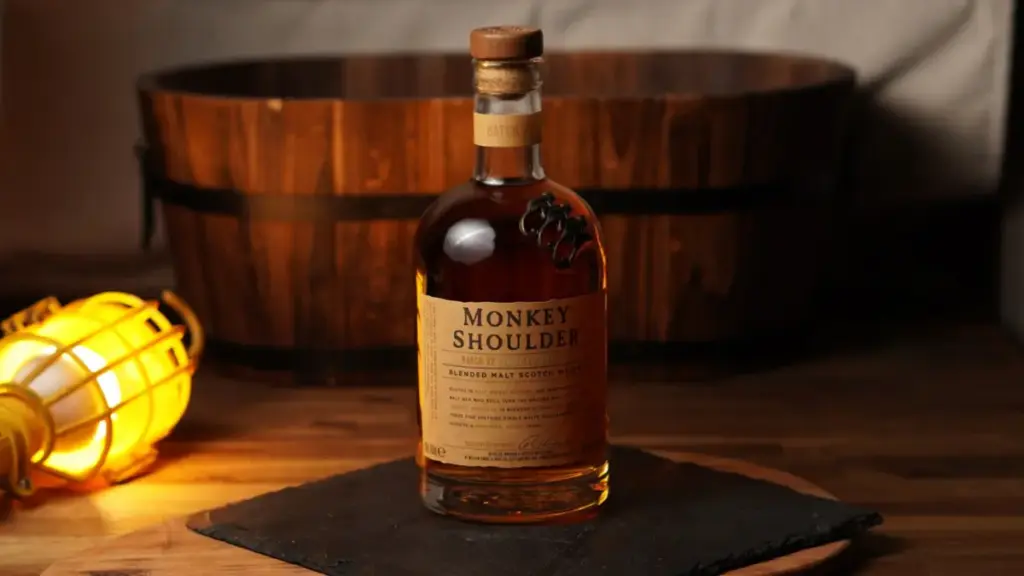
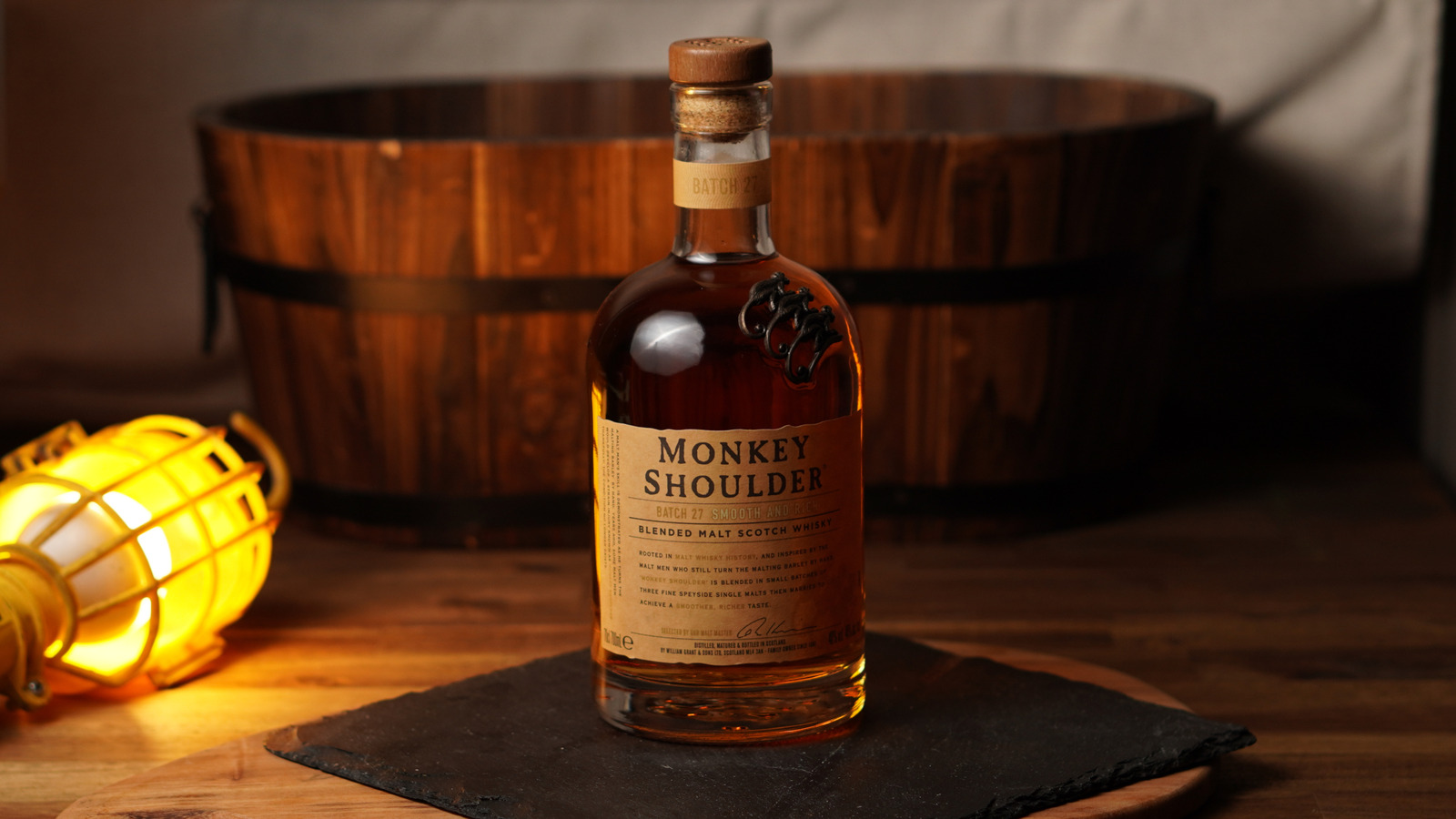
The contemporary iteration known as the Monkey Jam Sour leans into this tradition of experimentation by incorporating two specific elements: fruit jam and Monkey Shoulder, a blended malt Scotch whisky specifically crafted with beginner-friendly accessibility in mind. Unlike traditional blended scotches that often incorporate grain whisky, Monkey Shoulder is blended exclusively from single malt whiskies. Conceived explicitly for use in mixed drinks and modern cocktails, the spirit offers a notably smooth, fruity profile underscored by subtle hints of vanilla. This distinctive flavor profile sets it apart from traditional American bourbons or ryes typically deployed in a standard sour, paving the way for a distinctly different tasting experience.
Adapting a standard whiskey sour recipe to accommodate these new ingredients requires only a few minor adjustments to the traditional methodology. By substituting American whiskey with Monkey Shoulder and incorporating a few generous teaspoons of fruit jam directly into the cocktail shaker alongside the lemon juice and sweetener, a completely new flavor profile begins to take shape. Depending on personal dietary preferences or ingredient availability, the optional egg white can either be included for texture, omitted entirely, or replaced with plant-based alternatives like aquafaba to achieve a similar emulsified foam. The mixing process itself demands careful attention to technique, involving a rigorous double-shake method—first executed without ice to build the emulsion and foam, followed by a second vigorous shake with ice to chill and dilute the mixture properly—before the vibrant concoction is strained and served.
Tips for Tailoring the Monkey Jam Sour to Individual Tastes
Introducing fruity dimensions to a whiskey sour is by no means an entirely unprecedented concept within mixology; variations such as the pineapple whiskey sour have long enjoyed widespread popularity in bars and restaurants. However, utilizing fruit jam rather than fresh fruit juices or purees introduces a significantly richer, more concentrated flavor and texture to the glass. Selecting the appropriate jam serves as an integral part of the creative process. While commercial store-bought preserves offer convenience and consistency, culinary traditionalists who believe that nothing surpasses homemade preserves can easily substitute artisan batches, such as a simple, freshly prepared strawberry jam.
Furthermore, many mixologists suggest that orange marmalade offers an exceptional complement to the natural citrus and orange notes already present in the flavor profile of Monkey Shoulder. Nevertheless, the spirit of the recipe encourages broad experimentation, inviting drinkers to explore alternative preserves such as apricot, peach, or rich purple fig jam to see how different stone fruits and berries interact with the malt whisky base.
When constructing this particular variation, bartenders often find it necessary to stray slightly from the traditional proportions dictated by standard cocktail ratios. The time-tested three-two-one ratio—three parts spirit, two parts sour, and one part sweet—often requires adjustment when making a Monkey Jam Sour, as the inclusion of both jam and simple syrup naturally yields a considerably sweeter beverage. To counterbalance this heightened sweetness and introduce an extra layer of citrusy complexity, enthusiasts frequently incorporate a few dashes of aromatic orange bitters into the shaker.
For those who prefer a longer, more effervescent drink that feels lighter on the palate, topping the finished cocktail with a splash of soda water offers an easy way to transform the beverage into a refreshing long drink. Regarding glassware, adhering to convention means serving the Monkey Jam Sour either in a traditional heavy-bottomed rocks glass or a dedicated sour glass. The latter, characterized by its distinctive stemmed design and slightly flared bowl, is specifically engineered for drinks of this style, helping to maintain the beverage’s ideal temperature while lending an air of sophisticated elegance to the drinking experience.