
In just a little over a decade, air fryers have transformed from a trendy culinary novelty into an absolute fixture on kitchen counters around the world. As their popularity has skyrocketed, retail prices have expanded right along with them, creating a massive spectrum of options for consumers. Today, shoppers can find basic, entry-level models priced as low as $40, while sleek, high-tech units equipped with smartphone app connectivity and advanced digital displays can command close to $500. However, consumer research and market analysts indicate that most everyday cooks do not need to venture anywhere near either extreme of that pricing spectrum. For consumers looking to purchase a reliable appliance that will serve them well for years to come, the sweet spot for a quality air fryer sits comfortably between $80 and $200.
The primary reason for this pricing reality comes down to the fundamental mechanics of air fryers. Beneath the plastic and metal housing, a $40 air fryer and a $400 model operate on surprisingly similar principles. Both rely on a core heating element to generate thermal energy and an internal fan to circulate that hot air rapidly around the food, creating the characteristic crispiness that users love. As prices climb higher, manufacturers introduce extra perks—such as roomier basket capacities, quieter motors, and various digital integrations—but the actual cooking mechanism remains largely identical. Whether using a budget-friendly device or a high-end luxury model, standard foods like frozen french fries or chicken wings are cooked in essentially the same manner.
This observation is backed up by extensive product testing from independent consumer groups. For instance, Australian consumer organization CHOICE previously evaluated a high-end Crumble air fryer retailing for AU$429, roughly translating to $300 USD, and found that its performance score was scarcely higher than that of an inexpensive Kmart model priced at just AU$69, or about $48 USD. Furthermore, CHOICE highlighted that one of the lowest-rated appliances in its testing pool was the Kitchen Couture Dual View, which commanded a steep retail price of AU$499, or approximately $350 USD. These findings reinforce a broader consumer truth: paying a premium price does not automatically guarantee superior culinary results.
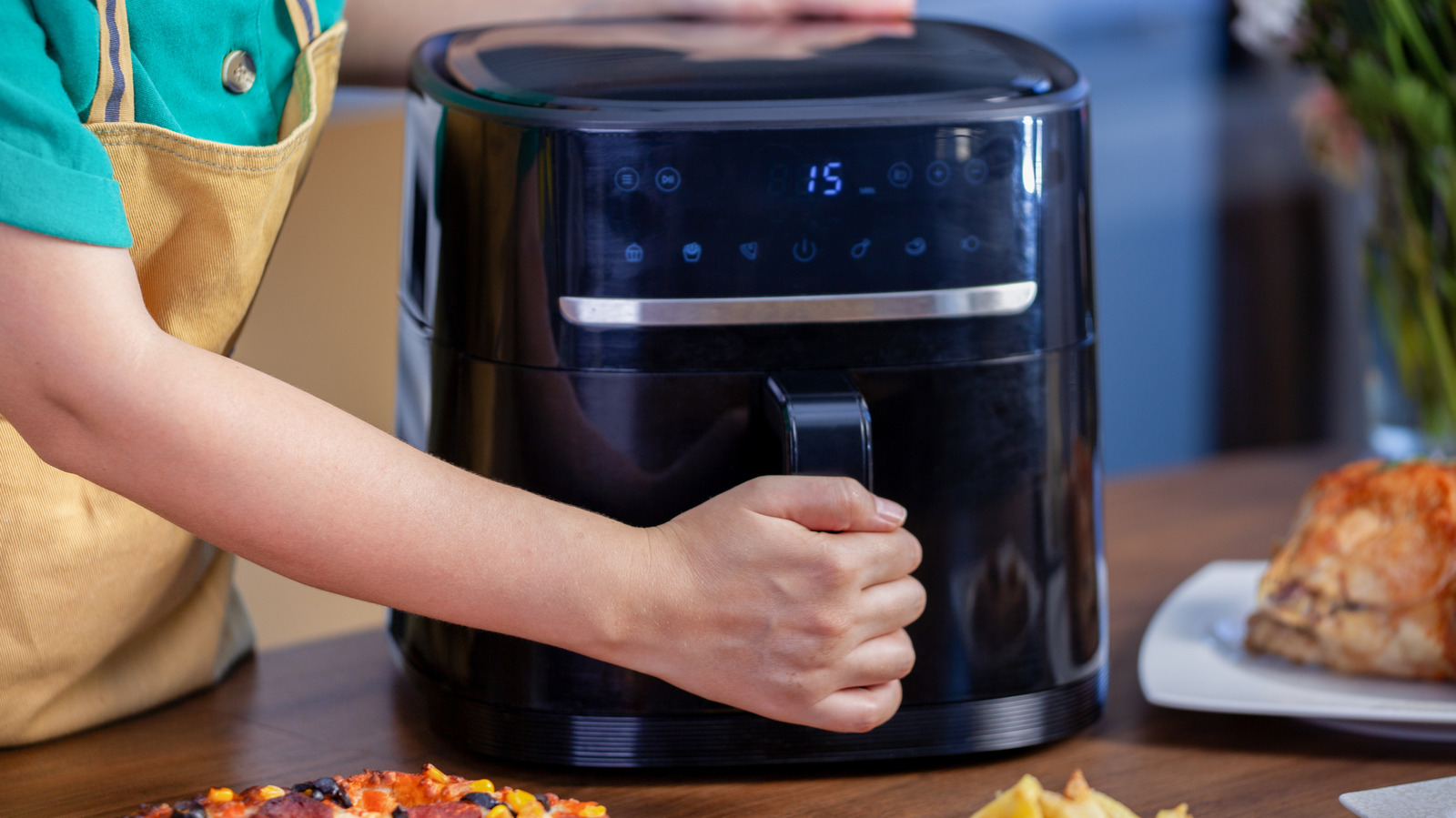
What You Get as the Price Goes Up
Understanding how features scale with price can help buyers navigate the crowded market. At the lower end of the spectrum, roughly spanning from $40 to $60, shoppers will predominantly find compact models featuring modest 2- to 4-quart baskets. These smaller units are typically adequate for single individuals or couples who primarily use the appliance to reheat leftovers or crisp up small batches of frozen snacks, and a select few perform quite well for their size.
Despite their affordability, this price bracket is also where reliability complaints tend to accumulate. Industry reviews frequently highlight budget-friendly models where buyers report mechanical failures or hardware burnout after just a month or two of regular use. This vulnerability underscores the value of investing slightly more capital into an appliance. By stepping up to the $80 to $200 price range, consumers generally gain access to roomier 5- to 6.5-quart drawer baskets, sturdier manufacturing builds, and convenient everyday extras like dishwasher-safe components and transparent viewing windows. Additionally, many modern appliances in this mid-tier category have begun swapping traditional chemical nonstick surfaces for ceramic coatings that are marketed as explicitly PFAS-free.
Certain structural upgrades at this intermediate price point can genuinely enhance the cooking experience. For example, opting for a wider basket allows food to spread out in a single layer, which is essential because ingredients crisp up significantly better when they are not cramped together. For households that regularly need to prepare a main protein and a side dish simultaneously, dual-basket models that justify an extra $50 to $100 expenditure can prove exceptionally worthwhile. Similarly, for homes with open-concept floor plans where the kitchen flows directly into the living room, investing in a model with a quieter motor can provide a welcome quality-of-life bonus.
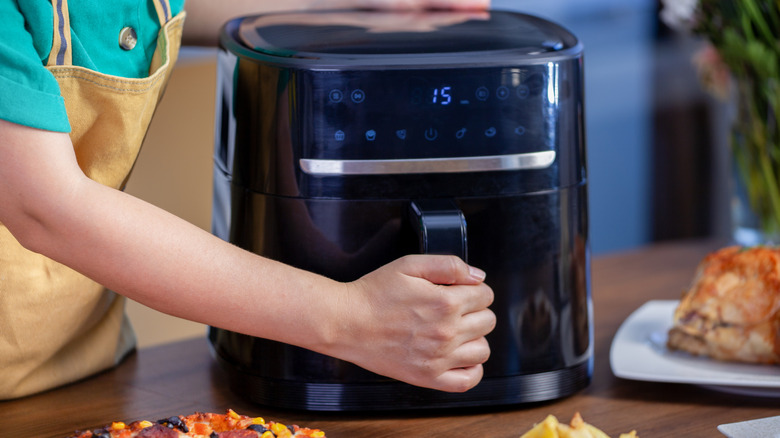
At the same time, shoppers are advised to remain cautious of marketing features designed to sell the box rather than improve the food. Paying extra to secure dozens of specialized cooking presets may sound appealing on paper, but users frequently find themselves utilizing only two or three of those programs on a regular basis. Consumers interested in advanced capabilities like smartphone app integration or remote monitoring should generally expect to spend upwards of $150. However, buyers should never assume that a higher price tag equates to greater electrical power. The vast majority of air fryers operate within a wattage range of 800 to 1,800 watts regardless of their retail cost, making it essential to review the specification sheet before making a purchase.
The Best Air Fryers for Your Budget and Needs
Different household dynamics require different hardware investments. Students, individuals, and those cooking exclusively for one or two people often find complete satisfaction with entry-to-mid options like the Chefman 4-Quart Compact Air Fryer, which typically retails around $60. This type of appliance consumes minimal counter space and requires only a fraction of the investment demanded by larger machines, though its constrained basket volume limits it to small portions. For families needing more capacity, alternatives like the Cuisinart 6-Quart Basket Air Fryer—which lists an MSRP of $150 but frequently appears on clearance sales at major retailers like Kohl’s—offer a balanced middle ground.
For households that routinely prepare multi-component meals, dual-basket configurations earn their keep by streamlining the cooking process. The Philips 3000 Series Dual Basket Air Fryer has emerged as a favorite across multiple consumer testing publications, listing for around $250 while frequently discounted to roughly $170. For those requiring even greater total capacity, the Ninja Foodi 10-Quart DualZone model, also listed around $250 and frequently found on sale for $200, provides dual independently controlled baskets alongside synchronization settings designed to finish cooking zones simultaneously.
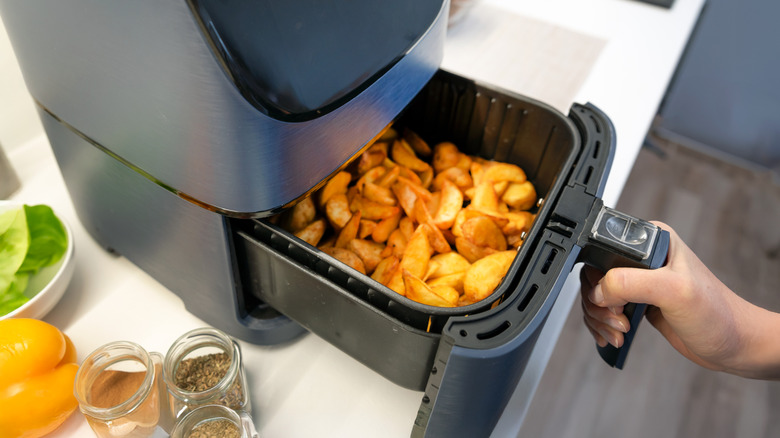
At the highest tier of the market sit luxury splurges such as the Typhur Dome 2, which lists for approximately $499. This category of appliance aims to seduce buyers with rapid cooking speeds, cooking surfaces wide enough to handle massive family-sized batches, and even high-heat self-cleaning cycles. Yet, independent reviewers frequently note that the actual cooked food quality remains comparable to results achieved by much less expensive competitors like Ninja. Whether these luxury conveniences justify the financial investment remains an individual choice, though prospective buyers who prefer high-end features often look for promotional windows to secure discounts, such as Amazon pricing the unit closer to $340 during promotional events.