


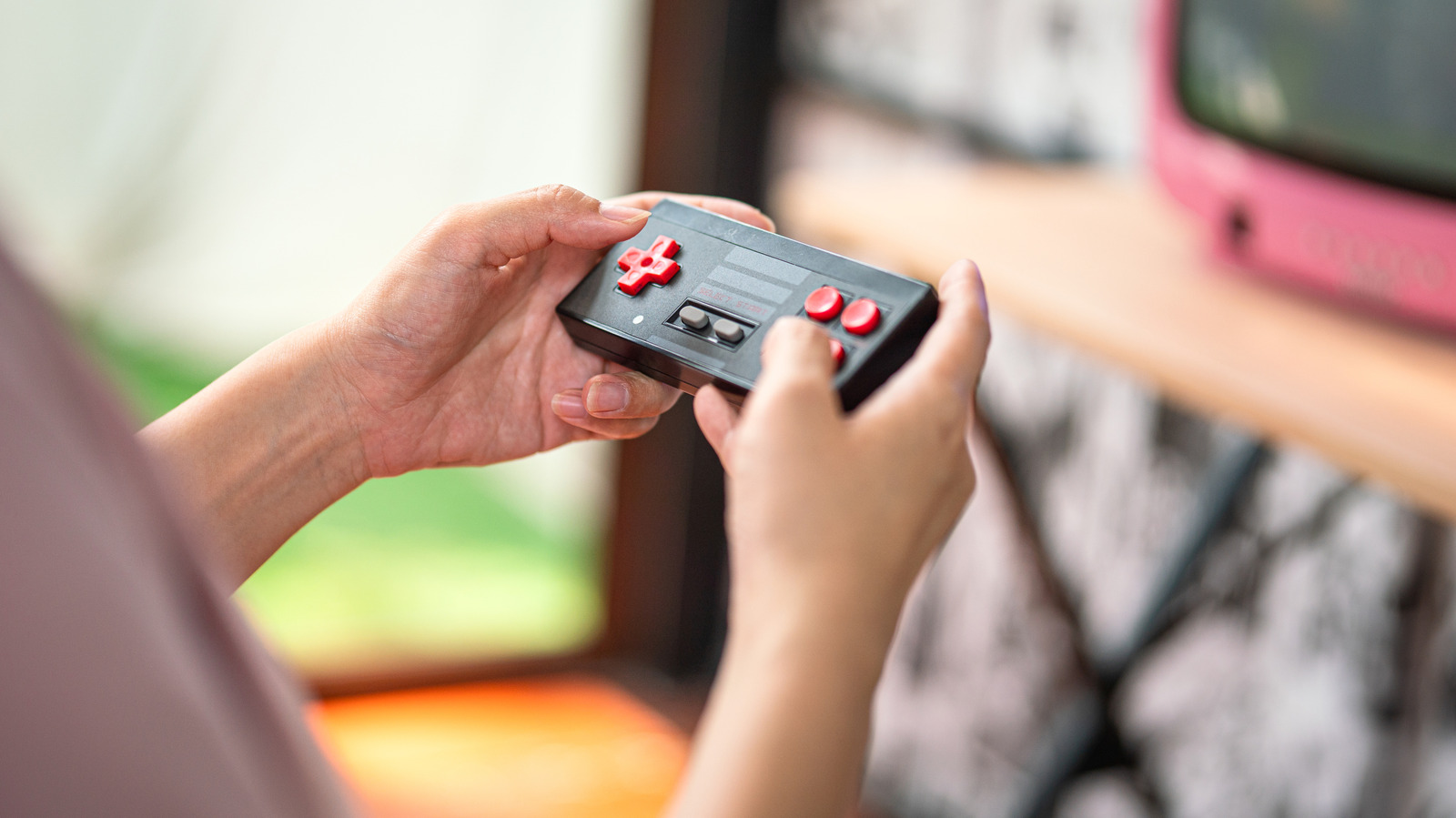
If you have spent any significant amount of time playing video games over the decades, you likely remember the agonizing struggle of tangled cords, seating arrangements dictated by cable lengths, and the constant threat of pulling an entire console off a shelf with a sudden, enthusiastic jerk. Today, wireless controllers are so ubiquitous, responsive, and seamlessly integrated into modern gaming that the idea of a tethered gamepad feels almost antiquated. Yet, it took decades of trial, error, technological innovation, and engineering compromises for controllers to work as well as they do today without cables.
While gamers who grew up during the PlayStation 2, Xbox, and GameCube era typically point to specific gamepads of the early 2000s when thinking of early wireless hardware, the history of non-wired controllers stretches back much further than many realize. Long before Bluetooth and modern 2.4GHz radio frequencies became industry standards, engineers were already trying to untether players from the couch. The fascinating evolution of the wireless controller tells the story of how home consoles gradually liberated players from their living room floors.
When did controllers first become wireless?
For many modern gamers, the concept of a wireless controller feels like a relatively modern luxury born alongside the transition to high-definition gaming. Surprisingly, however, the very first wireless gaming controller predates many veteran players entirely.
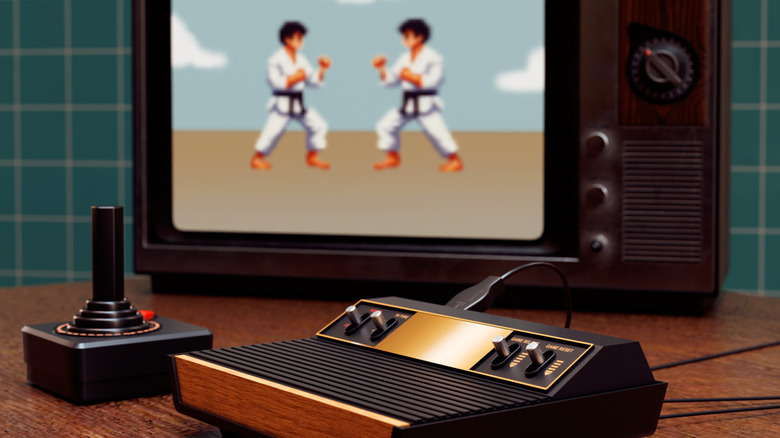
Enter the Cynex Game Mate 2. Released around 1982, this Atari 2600 peripheral is widely regarded as the first wireless console-compatible gamepad ever brought to market. It marked the debut of an evolving, genre-defying technology, although it was a concept that would not be fully realized or perfected for many years to come.
The Game Mate 2 utilized radio frequencies (RF) to transmit inputs to the console. By embracing RF technology early on, this pioneering pad offered gamers a significant degree of freedom, outperforming the lesser infrared (IR) alternatives that would emerge later in the decade. Unlike later infrared devices—such as the Acclaim Remote Controller that launched for the Nintendo Entertainment System (NES) in 1989—players did not need to point the Game Mate 2 directly at their Atari 2600 for the signal to be successfully recognized.
Where early infrared pads were notoriously frustrating because they could easily lose connection if any physical objects passed between the controller’s sensor and the console’s receiver—much like traditional infrared television remotes—the more flexible Game Mate was not bound by those strict line-of-sight restrictions. Indeed, that early RF technology worked well enough that it reportedly boasted a functional range of up to 20 feet, an impressive feat for the era.
Despite being remarkably ahead of their time, these early systems were far from perfect. They were notably weighty and clunky, constructed essentially as a standard Atari 2600 controller sitting atop a heavy base. They also drained their required nine-volt batteries at an alarming rate. Once Atari took over distribution just a year after the peripheral’s initial launch, it was rebranded as the CX42 Remote Control Wireless Joystick—a remarkably formal and cumbersome name for a piece of gaming history.
What was the first mainstream wireless controller?
When examining the historical trajectory of Nintendo’s iconic hardware, the GameCube’s famously small optical discs are frequently discussed as a defining legacy of the sixth-generation console. However, they were far from the only notable innovation associated with the purple machine.
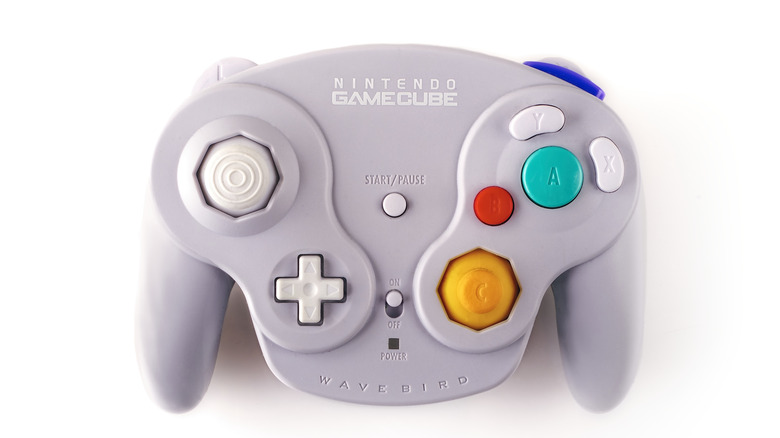
The Nintendo GameCube WaveBird wireless controller arrived in 2002 and stands out in gaming history as the first truly mainstream wireless pad that was not weighed down by an overwhelming array of engineering compromises. For many players who waited in line on brisk spring or summer evenings to secure their console packages, the subsequent arrival of the WaveBird later that same year felt like a revelation.
The WaveBird was a bulky but deeply beloved brute that was anything but subtle. It added serious physical girth to the GameCube’s standard controller design and shipped with an equally chunky receiver unit that plugged directly into one of the console’s front controller ports. Users had to manually match channels using physical switches on both the receiver and the gamepad to prevent interference from other devices in the vicinity. Despite its physical heft, anyone with fondness for the golden era of the GameCube’s library almost certainly remembers spending countless hours playing classic titles using a WaveBird in hand.
Utilizing 2.4GHz radio frequency technology for the first time in a commercial console controller, the WaveBird boasted a reliable range of around 20 feet at minimum. It is difficult to overstate what a massive paradigm shift it was for players to hold a gamepad that completely untethered them from the console. No longer did gamers have to precariously perch within six feet of their television sets just to reach the hardware. Instead, players could lean comfortably back into furniture or move freely around the room, which proved particularly transformative for local multiplayer sessions, finally eliminating the need for friends to crowd uncomfortably onto a single couch.
To maximize battery life and prevent excessive drain, Nintendo made the deliberate decision to omit rumble force-feedback support from the WaveBird entirely. That compromise paid off in longevity, allowing the peripheral to run for up to an astonishing 100 hours on just a pair of standard AA batteries. The unprecedented freedom the WaveBird provided in managing gameplay laid the vital groundwork for future gamepads, paving the way for all the sophisticated wireless controllers that Sony, Microsoft, and other manufacturers have released over the subsequent quarter-century.
Which PlayStation had the first wireless controller?
Given that Sony has largely dominated the global home console market ever since the original PlayStation arrived in North America back in 1995, casual observers might reasonably assume that Sony pioneered the mainstream wireless controller standard early on. As it turns out, however, Sony’s debut first-party wireless peripheral did not materialize until the launch of the PlayStation 3 era. With the benefit of hindsight and historical perspective, that initial foray can fairly be described as a misstep.
The Sixaxis is arguably one of the most infamous Sony controllers ever manufactured, second only to the bizarre, banana-shaped "Boomerang" prototype gamepad that was showcased prior to the PS3’s launch but never actually released to the public. Serving as the default, packed-in controller model for the initial rollout of the PlayStation 3 in 2006, the Sixaxis made the bold choice to completely drop traditional rumble motors in favor of half-baked, early motion-control capabilities that were never fully realized or embraced by the broader development community.
Not long after the Sixaxis debuted, executive statements from Sony leadership attempted to frame the omission of rumble technology not as the result of ongoing legal disputes over patent rights, but rather as an intentional design choice, describing force feedback as a "last-generation feature." That proved to be a controversial stance among consumers and critics alike, especially given the high price point and immense expectations surrounding the launch of the seventh-generation console.
Although PS3 launch titles like Resistance: Fall of Man were among the first games to explicitly incorporate Sixaxis motion features, it was arguably games like the dragon-riding adventure Lair that came to define the controller’s early public perception. Lair was widely panned by critics and players for its heavily criticized, semi-botched motion controls, and the gaming community made it abundantly clear that abandoning traditional rumble feedback was a mistake.
Recognizing the miscalculation, Sony reversed course. Soon enough, subsequent software releases like 2007’s Ratchet & Clank Future: Tools of Destruction and the formal 2008 launch of the DualShock 3 successfully reintroduced palm-shaking force feedback to the PlayStation ecosystem. This reconciled the convenience of wireless connectivity with the tactile feedback that players had come to expect, completing another crucial chapter in the ongoing evolution of the modern game controller.