


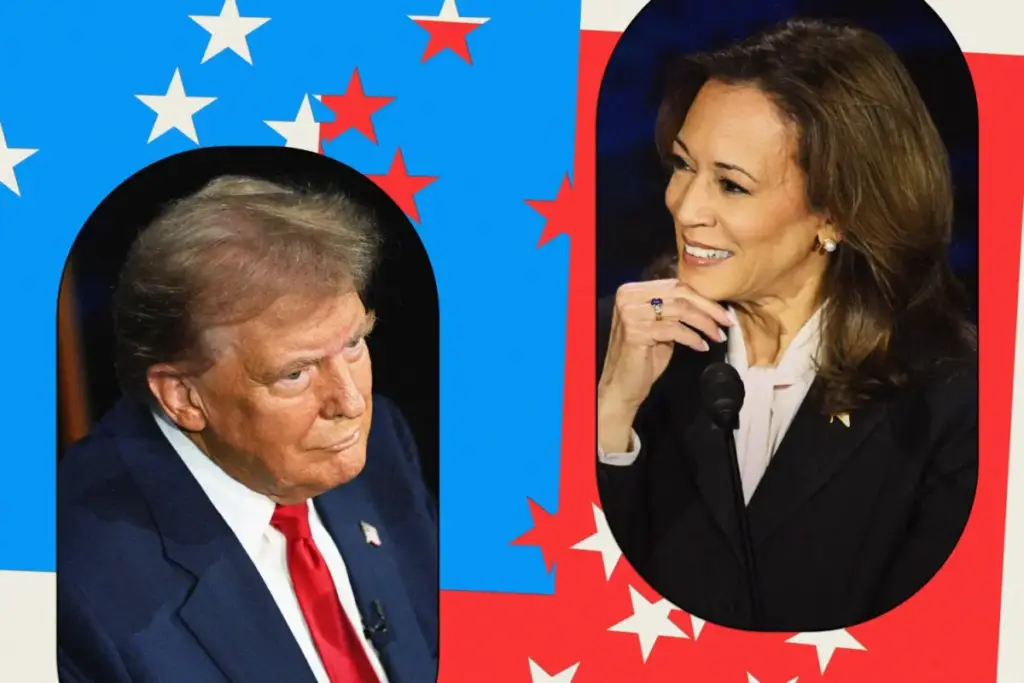
As another United States presidential election cycle reaches its fever pitch, voters across the country are once again subjected to a barrage of political messaging regarding the state of the economy. For financially literate individuals, particularly those focused on personal autonomy and long-term planning, the ongoing rhetoric between political factions should ideally take up very little mental bandwidth. Voters do their research, cast their ballots, and promptly return their focus to matters well within their own circle of control.
However, amidst the relentless political posturing, there remains one critical domain where the record desperately needs setting straight: money, the broader economy, and the actual wealth of the nation. Politicians have historically struggled with technical subjects such as science, technology, and economics, but the current discourse has descended into a particularly unproductive realm. Candidates vying for undecided voters in crucial swing states frequently lean into ideas rooted in irrational emotions rather than sound economic fundamentals.
A prime example of this dynamic involves opposition campaigns attacking incumbent administrations over what they characterize as a "bad economy." In reality, objective macroeconomic indicators suggest that the U.S. economy is exceptionally strong, supported by historically low unemployment rates. It is difficult to imagine a more robust overall macroeconomic environment, and economists generally view recent bouts of inflation not as a sign of systemic failure, but as evidence that growth was running at an exceptionally fast pace, necessitating a deliberate cool-down through higher interest rates.
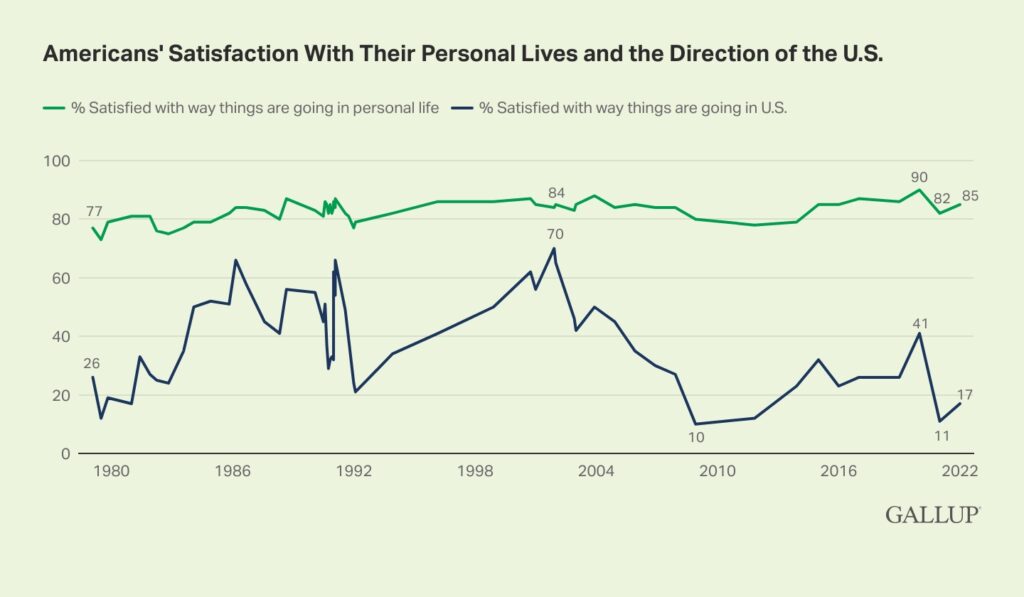
Despite these positive realities, public perception remains remarkably pessimistic. Recent Gallup polling data highlights a striking disconnect: while the vast majority of respondents report that they personally are doing well financially, only a small fraction believe the national economy is performing well. Statistically speaking, this viewpoint is an impossibility, because when a majority of individuals are thriving, that condition serves as the very definition of a healthy economy. This widespread dissonance correlates closely with the modern proliferation of social media misinformation and sensationalized media reporting.

While citizens can certainly choose to tune out political speeches entirely, economic literacy remains a powerful tool. A precise understanding of how systems actually function ultimately fosters greater financial resilience and wealth. To cut through the noise, it is helpful to examine the most persistent misconceptions that political figures attempt to propagate during election seasons.
The President Controls the Economy
When an economic downturn occurs, opposition parties routinely attempt to place the blame directly on the shoulders of the sitting president. Conversely, when the economy enters a period of expansion, incumbents are quick to claim personal credit for the success. In truth, the U.S. economy is far too vast, complex, and fundamentally free for any single executive to control or even heavily influence in the short term.
The American economy operates as a colossal machine that converts labor and raw materials into tangible goods and services, ranging from modern technology and healthcare infrastructure to everyday consumer products. While the United States represents the largest single economy globally, accounting for roughly a quarter of total planetary economic output, it remains heavily influenced by the remaining seventy-four percent of economic activity generated by billions of people across the rest of the world.
Natural economic cycles of expansion and contraction are typically driven by waves of human behavior, shifting between periods of irrational exuberance—such as the events leading up to the 2007 housing boom—and subsequent phases of extreme fear, such as the financial crash that followed. While government policies involving taxation and regulatory frameworks do exert influence, the effects of these policies are frequently delayed and unpredictable. Drawing a direct causal line between the actions of today’s president and the immediate state of the economy ignores the vast, turbulent ocean of global market forces.
The President Controls Interest Rates
Political candidates frequently express deep sympathy for middle-class Americans grappling with higher borrowing costs on credit cards, auto loans, and mortgages, often promising to actively fight to bring interest rates down. Some political figures have gone so far as to publicly criticize independent central bank members and suggest executive takeovers of monetary policy departments.
In practice, leaving monetary policy in the hands of a sitting president would introduce severe volatility and inflation risks, a phenomenon observed in various historical international contexts. Instead, central banks utilize interest rates as a stabilizing mechanism for the broader economy. When economic activity slows and unemployment rises, lowering rates stimulates hiring and asset prices. Conversely, when the economy overheats, raising rates helps temper inflation and maintain long-term stability.
Inflation Has Ruined American Prosperity
A persistent narrative suggests that recent inflation has permanently eroded the financial well-being of American households, with candidates frequently promising to magically reverse price increases. Following the disruptions of the Covid-19 era, the economy experienced a period of rapid inflation driven by a rare convergence of global supply chain bottlenecks, factory closures, remote work shifts, low interest rates, and robust consumer demand fueled by government stimulus measures. These imbalances have since largely resolved, with inflation returning to more moderate levels.
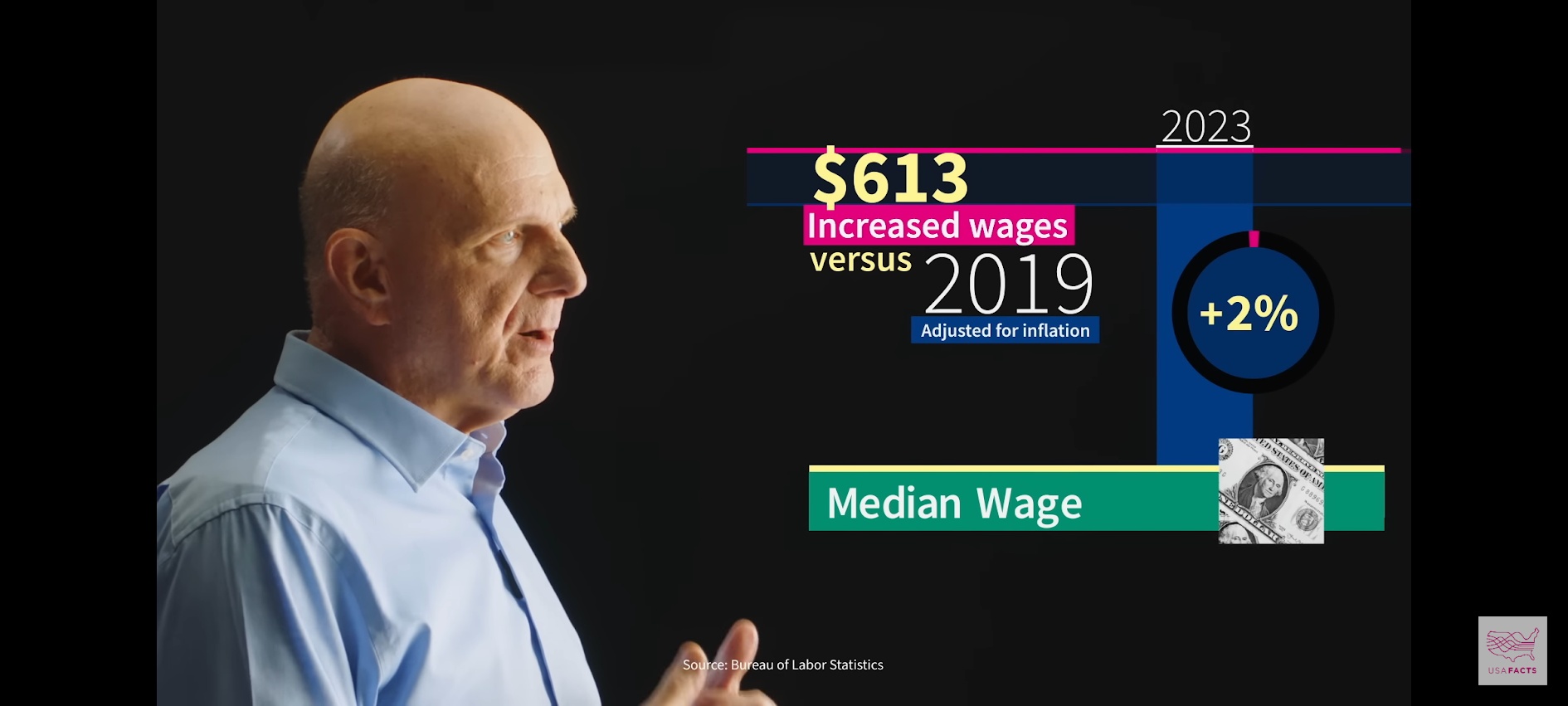
Crucially, wage growth has outpaced overall inflation over the long term, leaving most workers better off than they were prior to the disruptions. Since 2019, cumulative price increases have been matched and exceeded by broader wage gains. Despite these quantitative realities, political campaigns continue to frame inflation as an ongoing crisis, occasionally placing blame on corporate greed. However, extensive economic analyses from independent journalistic organizations and researchers have repeatedly demonstrated that standard competitive market forces prevent widespread, unearned windfall profit-hoarding by major retailers.
The President Controls Housing Prices
Housing affordability has emerged as a significant challenge over the past decade, with home prices and residential rents outpacing general inflation and wage growth. Simultaneously, higher interest rates have compounded the issue for prospective buyers by increasing borrowing costs, creating a dual hurdle of elevated purchase prices and expensive mortgages.
Despite these realities, proposed political remedies often rely on subsidies or demand-side interventions that risk exacerbating price pressures. Economists and housing experts generally agree that the fundamental solution lies in expanding the overall supply of housing. This outcome requires addressing structural roadblocks at the local level, such as streamlining permitting processes, modernizing building codes, easing restrictive zoning laws, parking mandates, and reducing regulatory hurdles that impede residential development.
Gasoline Prices and Obsolete Energy Paradigms
Gasoline prices remain a frequent talking point in political campaigns, yet on an inflation-adjusted basis, fuel prices have remained relatively stable over many decades. Furthermore, despite the prevalence of larger vehicles, the average household devotes a relatively modest share of disposable income to direct fuel purchases compared to overall transportation expenses.
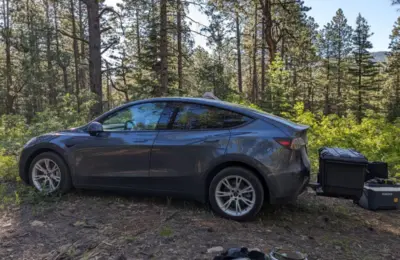
With the maturation of electric vehicle technology and the widespread availability of pre-owned and new EV models that often match or beat the total cost of ownership of traditional internal combustion vehicles, the ongoing political focus on gasoline prices increasingly reflects an outdated economic debate rather than current technological realities.
Refocusing on Financial Fundamentals
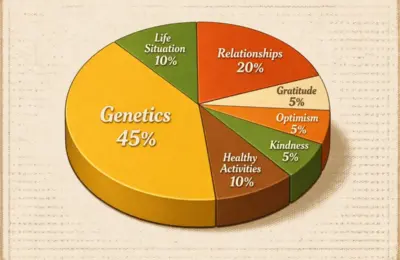
Ultimately, modern economic discourse often centers on metrics well past the threshold of genuine human well-being. Once a society surpasses a baseline level of material security, additional economic growth yields diminishing returns regarding personal happiness. Financial health is determined far more by individual mindset, lifestyle choices, and practical life skills than by political pronouncements or minor economic fluctuations.
As voters navigate the final stretch of the election season, recognizing the limits of political influence over macroeconomic trends allows individuals to direct their attention toward personal choices within their actual sphere of influence.