

Over the years, discussions surrounding personal finance, lifestyle optimization, and individual well-being have largely focused on personal habits, budgeting, health routines, and the psychology of happier living. Yet, urban planning advocates argue that a single, foundational factor ties all these elements together with remarkable synergy: the way human settlements are structured. According to prominent lifestyle and financial commentators, shifting the design of modern towns and cities away from automobile dependency and toward human-centric living could profoundly transform society, boosting economic output, health, and overall quality of life on a massive scale.
The core argument centers on a radical premise—that contemporary cities and countries should be systematically redesigned around people rather than cars. While conventional urban development treats transportation planning as a technical background task managed by municipal committees, proponents of human-centric design argue that this status quo locks communities into inefficient, expensive, and environmentally draining patterns. By reimagining urban spaces, society could eliminate vast swathes of wasted land currently dedicated to vehicular storage and multi-lane intersections, replacing them with dense, walkable communities that integrate residential housing, commerce, and recreation.
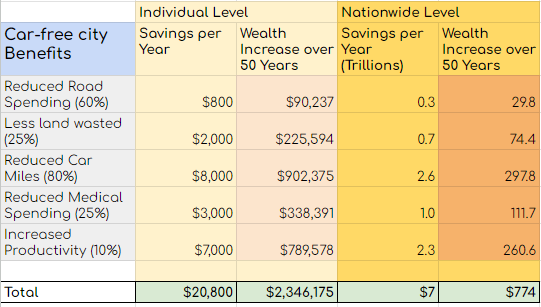
Advocates for this shift emphasize that the benefits extend far beyond minor reductions in pollution or traffic congestion. Conservative estimates suggest that eliminating heavy car dependency could yield a life boost equivalent to tens of thousands of dollars per person annually, compounding into significant lifetime wealth. On a national scale, proponents calculate that recovering wasted urban space and optimizing local commerce could generate trillions of dollars in economic value every year.
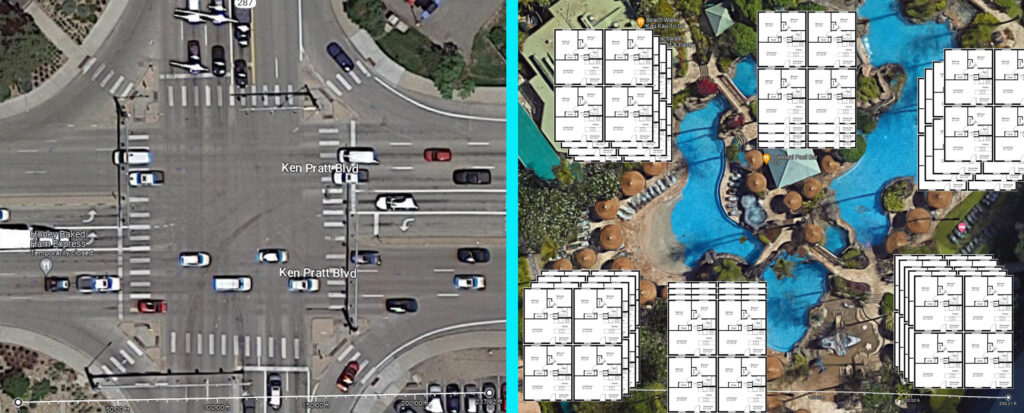
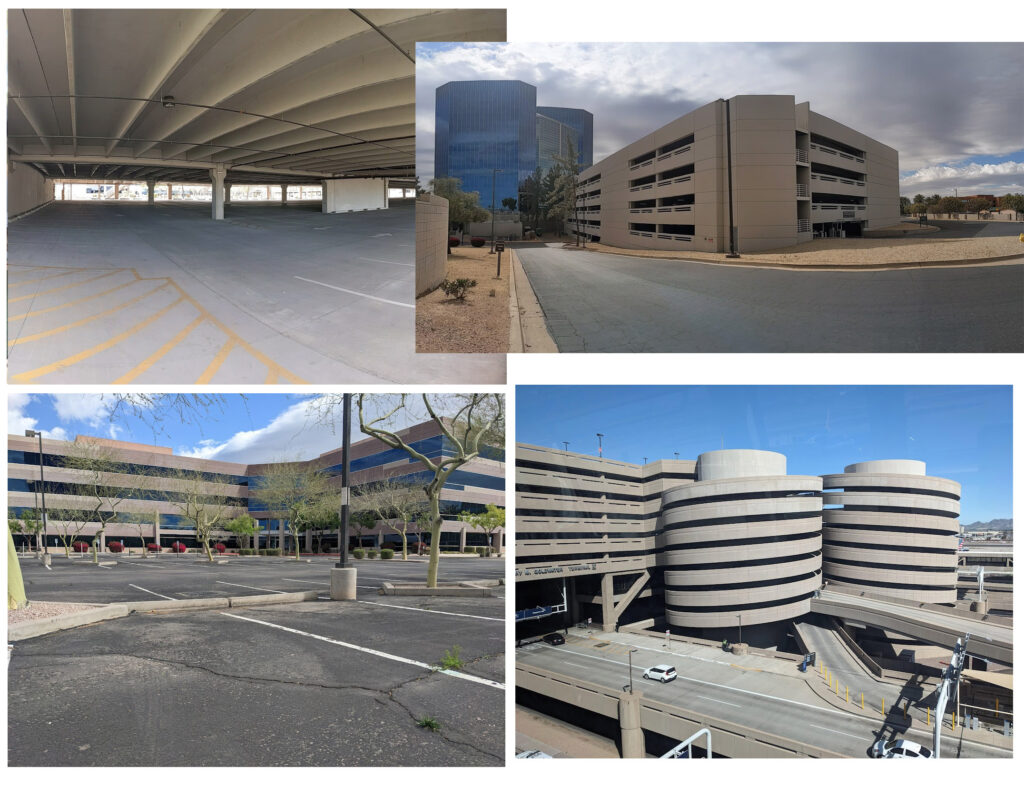
To understand the scale of spatial inefficiency in modern cities, urban analysts point to the immense footprint required to accommodate automobiles. Standard parking spaces and wide intersections consume acres of valuable urban land that could otherwise house hundreds of residents in comfortable, resort-like apartment complexes complete with local amenities, green spaces, and community facilities. In many major metropolitan areas across the American Southwest and beyond, vast expanses of asphalt dominate the landscape, spreading destinations far apart and creating environments that discourage walking or cycling. Consequently, the perception that automobiles are an absolute necessity is often a direct result of the spatial fragmentation caused by car-centric planning in the first place.
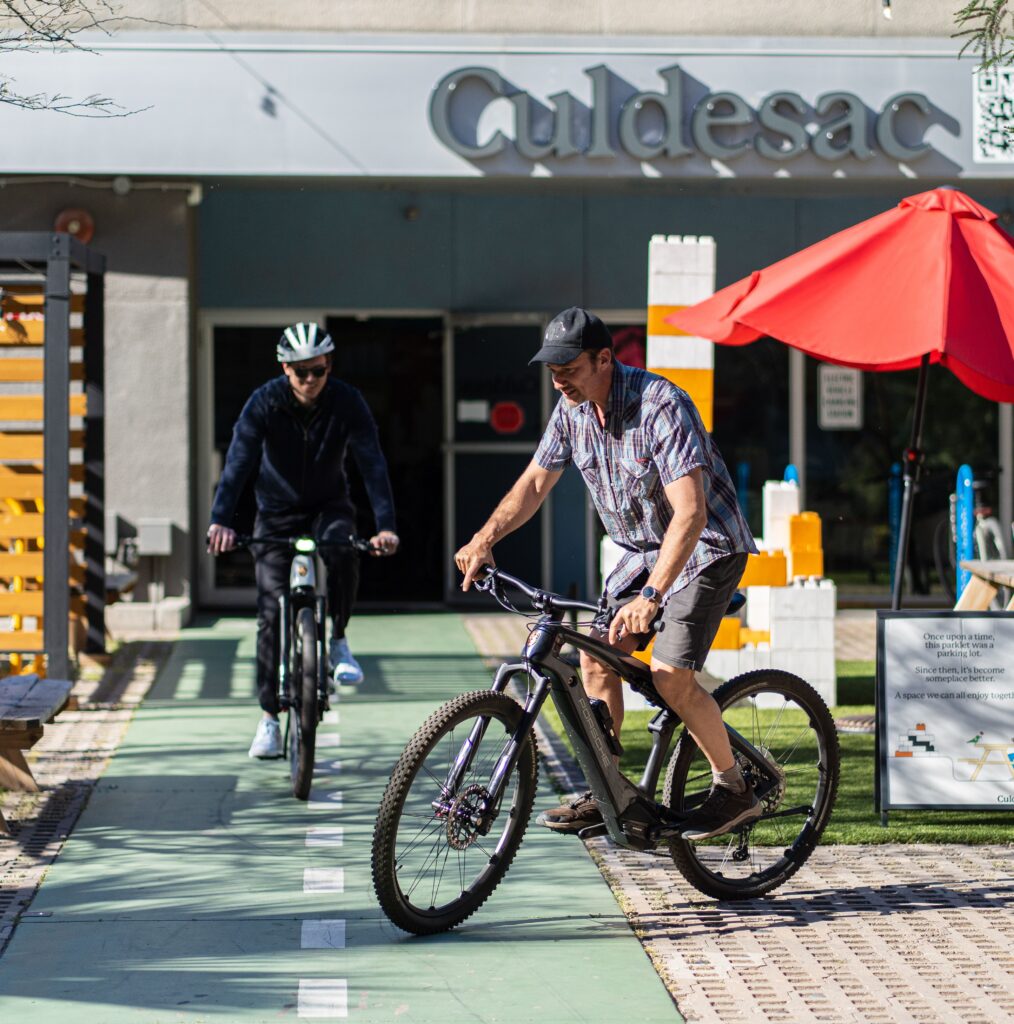
Overcoming resistance to this architectural shift remains a primary hurdle for urban reformers. Municipal committees and local planning boards are frequently incentivized to maintain existing zoning laws and protect the status quo, often yielding to skepticism from residents who question how daily transportation needs will be met without ubiquitous parking and expansive roadways. However, reformers counter that reducing the spatial footprint of cars naturally eliminates the need for endless driving. In a truly walkable, human-scaled neighborhood, daily errands, employment opportunities, and social interactions can be accessed on foot, by bicycle, or via electric bikes, which urban commuters frequently find faster and more engaging than sitting in traffic at red lights.
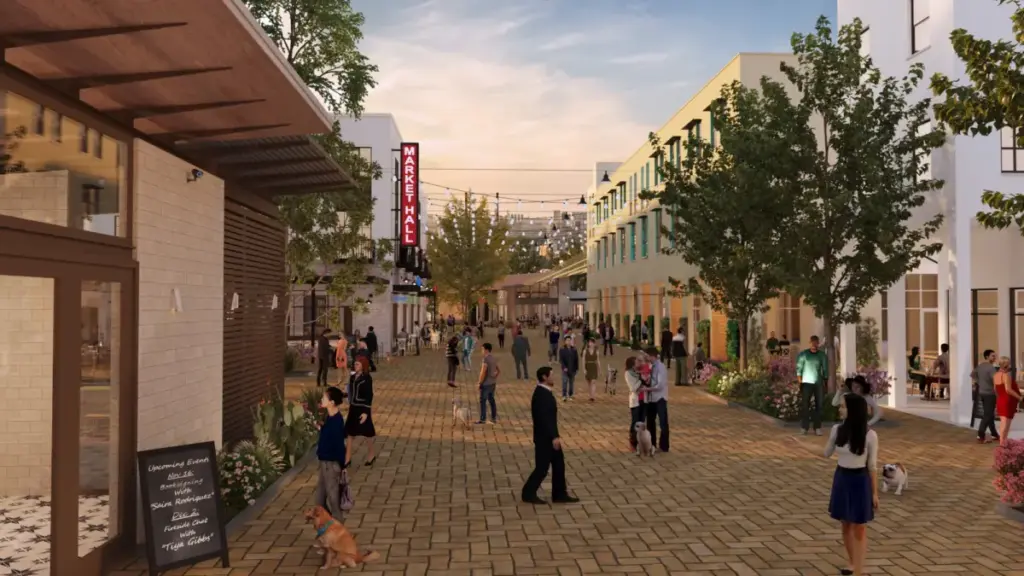
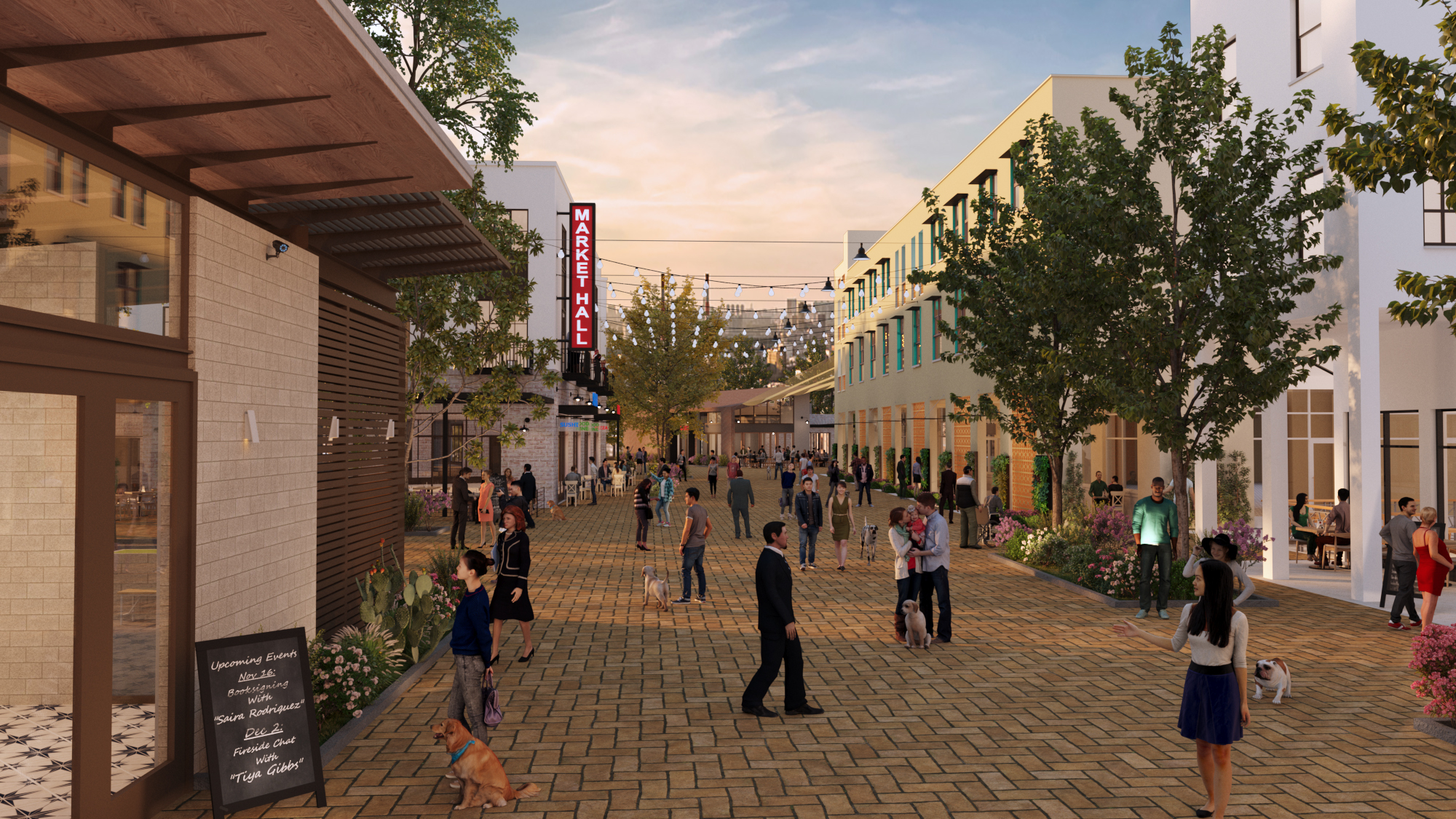
While large-scale municipal reform often encounters bureaucratic inertia, practical examples of car-free urban development are beginning to emerge. A prominent test case is found in Culdesac Tempe, a recently established car-free neighborhood spanning seventeen acres in the Phoenix metropolitan area. Designed to house approximately one thousand residents, the community completely eschews traditional residential parking lots in favor of pedestrian plazas, residential courtyards, and integrated commercial spaces including grocery stores, fitness facilities, and restaurants.
Visitors and residents in the Tempe development navigate the area on foot, by bicycle, or through shared electric vehicle fleets, while maintaining access to regional transit via an adjacent light rail station. The development reflects a broader master-planned vision aimed at demonstrating the financial and social viability of car-free communities in modern American cities. By embedding daily life amenities directly into the neighborhood structure, projects of this scale illustrate how urban design can successfully reduce private automobile usage while fostering a stronger sense of local community.

For urban planning advocates, the implications of this shift go well beyond convenience, representing a fundamental correction to decades of resource-intensive development. As experimental communities continue to launch and gather data on resident satisfaction and economic performance, the conversation surrounding human-centric design is gaining traction among entrepreneurs, urban planners, and local advocates seeking alternatives to traditional suburban sprawl.