


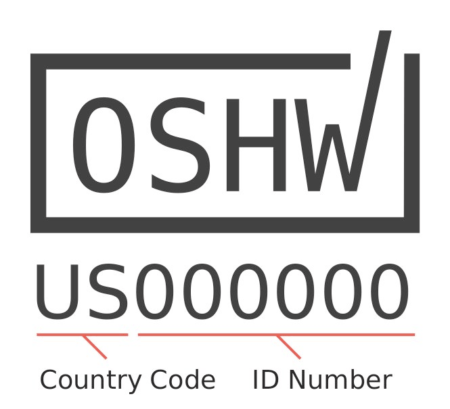
For years, the Open Source Hardware Association has maintained a free certification program that enables creators worldwide to verify their hardware designs. Whenever developers or consumers encounter the official OSHWA certification logo, they are assured that the hardware meets a universally recognized standard for openness, meaning its design files, documentation, and software are publicly accessible and modifiable.
The introduction of the Open Healthware certification represents a specialized extension of this framework. Over the course of the last two years, OSHWA developed the new certification process specifically tailored to open health devices. This initiative was made possible as part of a National Science Foundation POSE III grant focusing on the intersection of health and open hardware, which ultimately led to the creation of the broader Open Healthware ecosystem. Throughout the development phase, the project received substantial support and collaboration from the dedicated open healthware community. Today, OSHWA is highlighting the first official Open Healthware Certifications now listed in the public directory.
Currently, the Open Healthware Certification database features four individual certified projects, a foundational group that the association expects to expand rapidly in the coming months. Creators and developers working on medical and health-related hardware are now encouraged to submit their projects for evaluation through the Open Healthware portal. Notably, any project that successfully achieves certification through the specialized healthware process will also be listed in OSHWA’s general certification database, ensuring maximum visibility across both the broader maker community and specialized medical technology sectors.
Among the pioneering devices included in this initial rollout is the Open-LIFU platform, developed by Openwater. Designed primarily as a research tool, the Open-LIFU—short for Low Intensity Focused Ultrasound—features a laboratory-bench console capable of generating high-voltage drive signals and coordinating precise timing. The hardware works in tandem with a wearable transducer headset equipped with one or two 64-element 2D matrix transmit modules, all running on open-source software.
What sets the Open-LIFU apart is its high degree of programmatic control. Every single parameter of a sonication sequence is fully programmable, giving researchers unprecedented flexibility over their experiments. Furthermore, the system’s transducer utilizes an Android-based system for localization through photogrammetric reconstruction, combining modern consumer technology with sophisticated biomedical research apparatuses. Those interested in learning more about the engineering behind the Open-LIFU can explore detailed presentations from Openwater team members, such as Dan Blizinski’s appearance on the August episode of OSHWA’s Show & Tell Monthly.

Another notable addition to the inaugural certification list is the Universal Mounting System, a practical and adaptable infrastructure solution designed to improve hospital and clinical environments. The project consists of a comprehensive series of 3D-printed attachments tailored for common objects found in medical settings, including specialized hooks, holders, and clamps.
The core of the Universal Mounting System is a mutually compatible back piece engineered to securely mount onto a wide variety of hospital infrastructure, such as walls, hospital beds, movable trolleys, and IV poles. The front pieces are deliberately designed to accommodate specific clinical tools and supplies, ranging from humidifier bottles to handheld pulse oximeters. By offering a modular and easily reproducible mounting architecture, the system provides healthcare facilities with a versatile array of use cases and customization options that can be fabricated on-demand using standard 3D-printing technology.
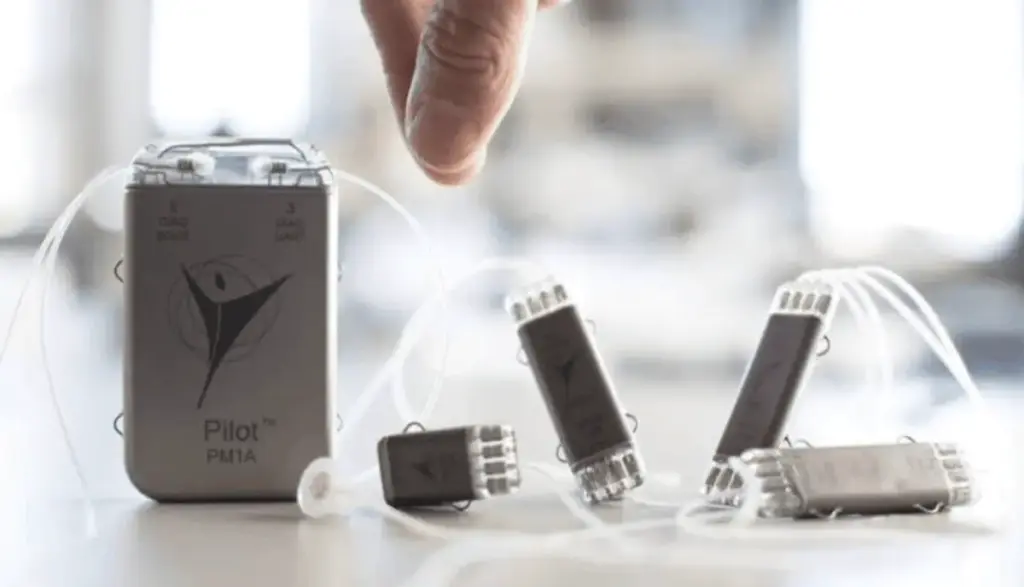
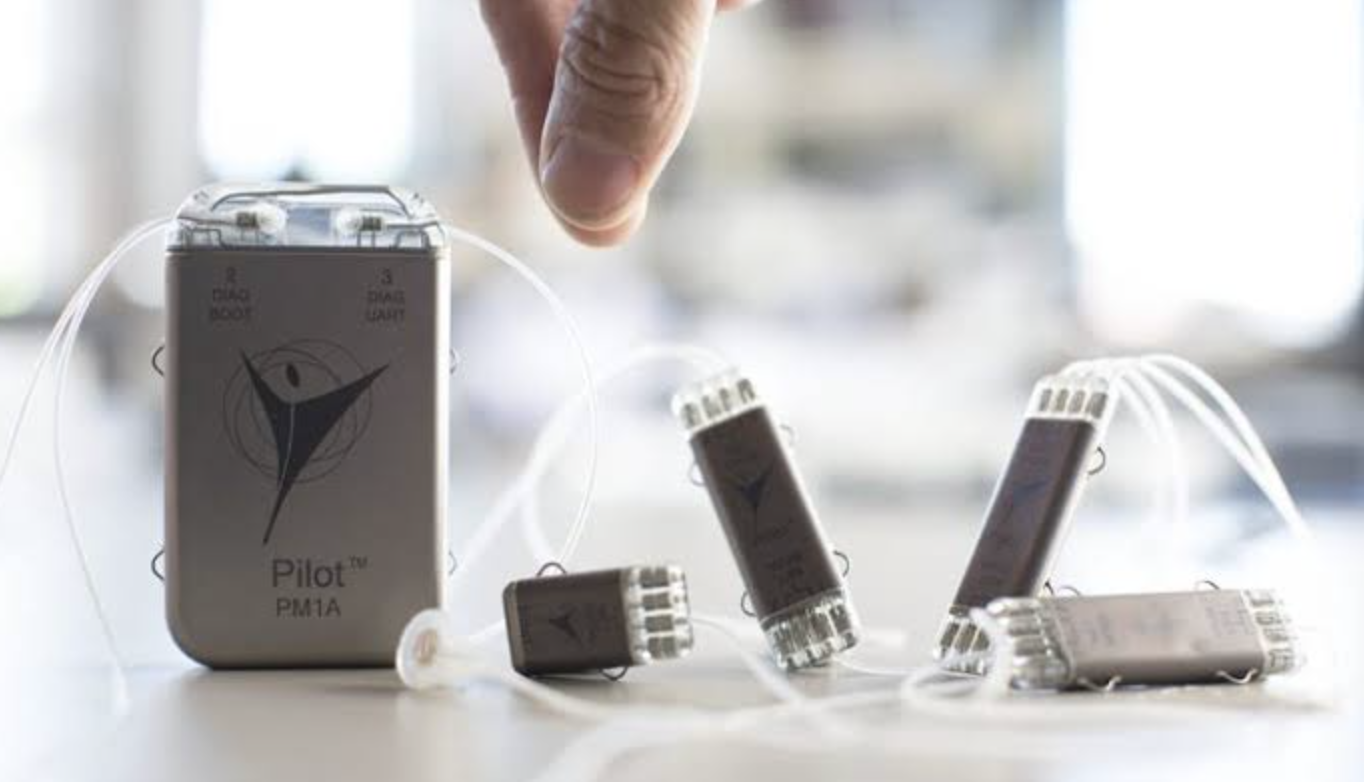
Rounding out the initial cohort of certified projects is COSMIIC, a sophisticated neuromodulation platform that has previously been highlighted by OSHWA as a key partner in shaping the Open Healthware ecosystem. COSMIIC occupies a unique space within the open hardware landscape as a fully implantable medical device platform.
The neuromodulation project was originally brought to life through funding from the National Institutes of Health (NIH) Helping to End Addiction Long-term (HEAL) initiative and the National Institute of Neurological Disorders and Stroke (NINDS) SPARC program, specifically via the Human Open Research Neural Engineering Technologies (HORNET) initiative. Over time, the platform has expanded to support numerous independent research projects exploring potential therapeutic applications for individuals with spinal cord injuries. The development and ongoing evolution of COSMIIC have been shared widely with the community through platforms like OSHWA’s announcement channels and community showcase events, featuring technical insights from contributors like Chris Rexroth.
With these initial certifications now live, OSHWA is encouraging the broader scientific, medical, and maker communities to engage with the growing ecosystem. Developers interested in having their medical hardware evaluated can submit their projects through the official Open Healthware application portal. Additionally, individuals wishing to stay informed about new additions to the directory can follow OSHWA’s dedicated certification tracking bots across social platforms like Mastodon, or join community discussions on the association’s official Discord server.