


The iconic toy retailer FAO Schwarz has officially joined the growing ranks of major global brands by banning mohair from its supply chain, dealing another significant blow to an industry facing intense scrutiny over animal welfare. The decision was announced just hours before animal rights activists with PETA were scheduled to stage a high-profile demonstration outside the company’s flagship store in New York City, where they planned to protest using a giant, artificial "bloody" teddy bear to draw attention to the plight of angora goats.
FAO Schwarz’s policy shift aligns the famed toy merchant with a lengthening list of international companies—including prominent household names such as adidas, Columbia, Gap, UNIQLO, and Zara—that have formally rejected the material. Mohair, a silky fabric derived from the hair of angora goats, is commonly utilized in the production of winter garments, sweaters, blankets, commercial yarn, and children’s plush toys.

The widespread corporate retreat from the material stems directly from harrowing revelations brought to light by PETA Asia. Two separate undercover investigations conducted by the organization exposed systemic cruelty, routine violence, and severe neglect within the mohair industry, primarily centered in South Africa, which stands as the world’s leading producer of mohair.
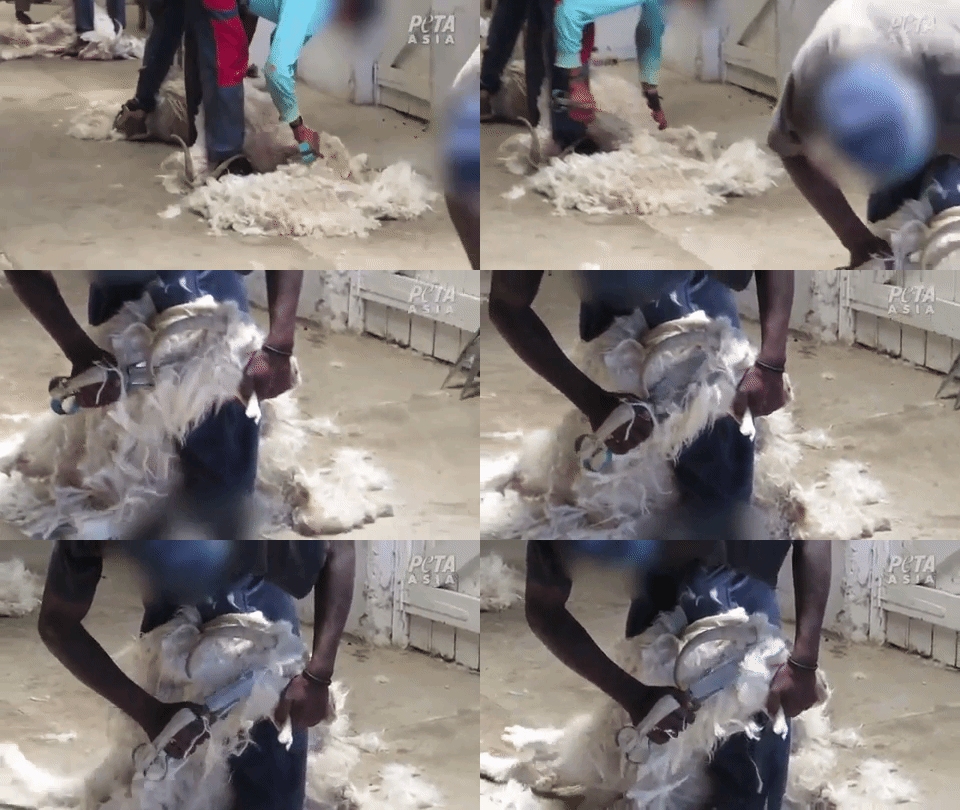
Footage and investigative findings gathered during the exposés revealed a disturbing pattern of rough handling and abuse during shearing operations. Because shearers in the industry are typically compensated based on the volume of fleece they harvest rather than an hourly wage, investigators documented a frantic pace of work that resulted in widespread injury and distress to the animals. Workers were captured on film rushing through the shearing process, frequently leaving goats with deep cuts and bleeding wounds across their bodies.

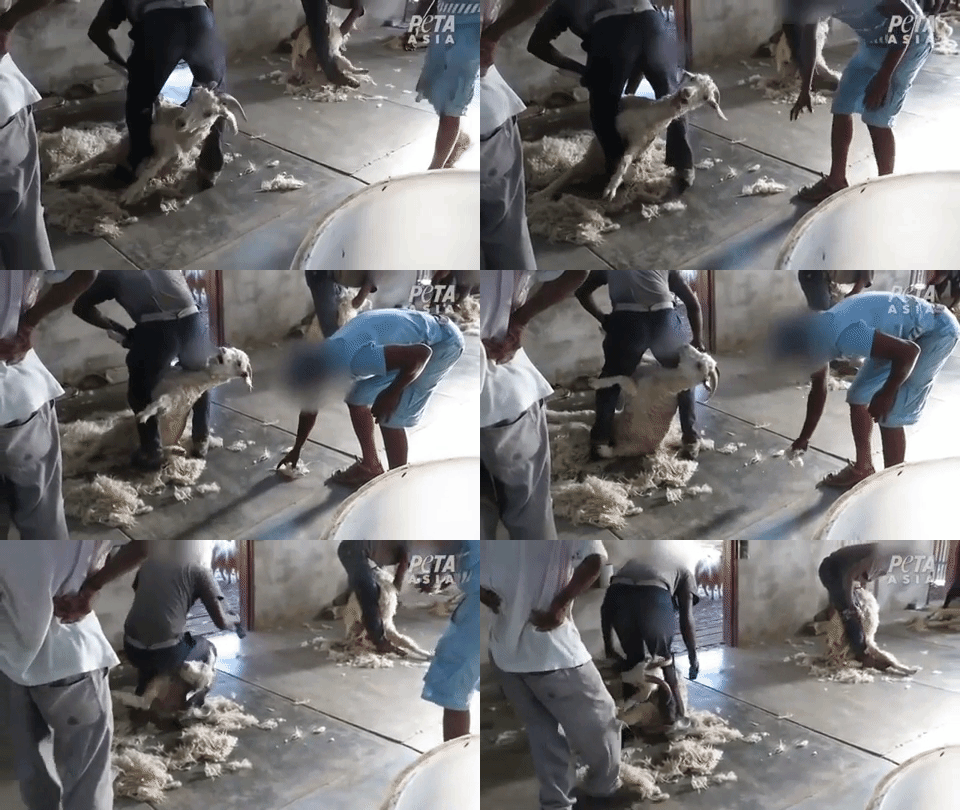
Among the specific violations documented by investigators were instances of shearers lifting goats entirely off the concrete floor by their tails—a practice that experts warn can easily fracture the delicate bones of the spine. In other instances, when animals struggled or attempted to resist the stressful handling, workers were documented sitting directly on top of them. Investigators also recorded workers casually throwing goats across holding areas and subjecting young, vulnerable animals—including goat kids undergoing their very first shearing—to terrifying conditions that left them crying out in fear.
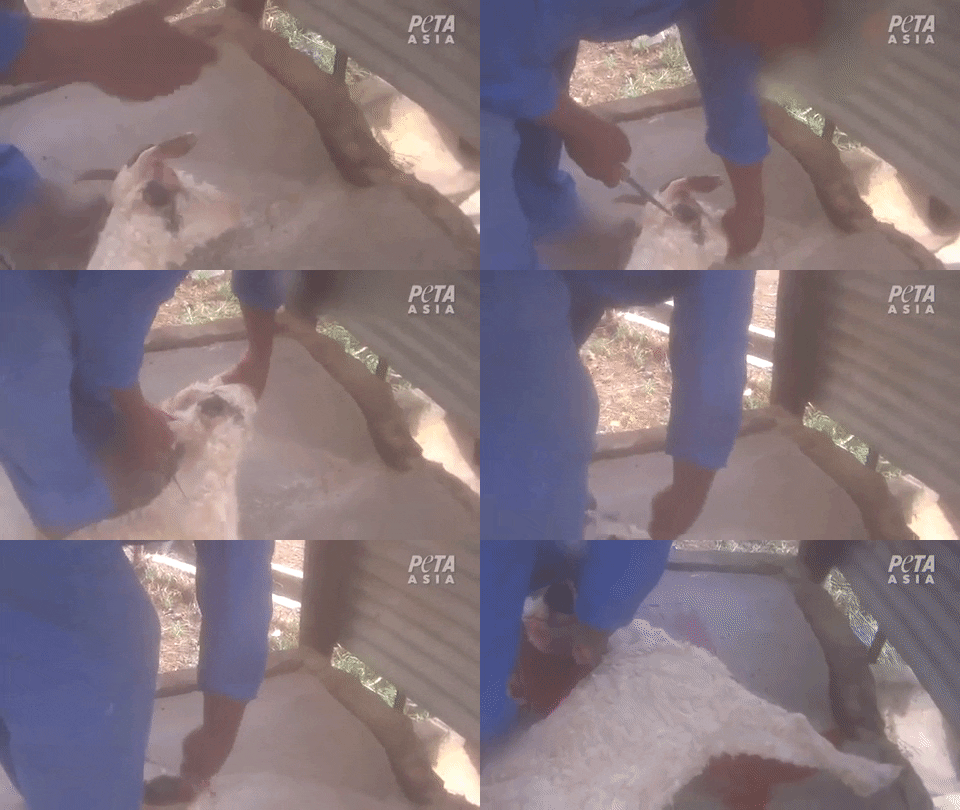
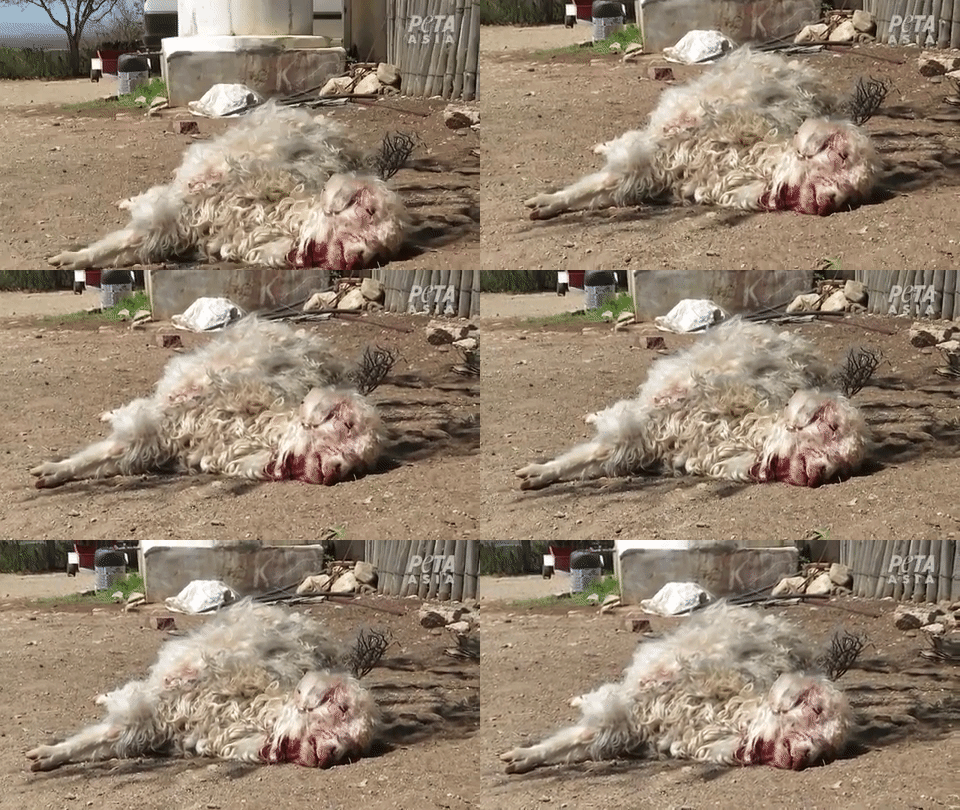
The investigations further uncovered severe physical mutilations. Workers routinely punched sharp needles through the ears of the goats using pliers to apply identification tags, causing intense localized pain. One farmer interviewed during the investigation candidly remarked that the goats "scream terribly" during the procedure. Furthermore, the industry standard dictates that angora goats are ultimately killed once their fleece production declines and they are no longer deemed profitable by farmers, meaning they are frequently slaughtered years before reaching their natural life expectancy. In some cases documented by investigators, goats had their throats slit directly.
These cumulative findings galvanized animal welfare advocates and prompted an international consumer backlash, leading brand after brand to reevaluate their sourcing practices and implement comprehensive bans on mohair. The sudden policy change by FAO Schwarz underscores the mounting pressure retailers face from both advocacy groups and conscious consumers who demand transparent and humane supply chains.
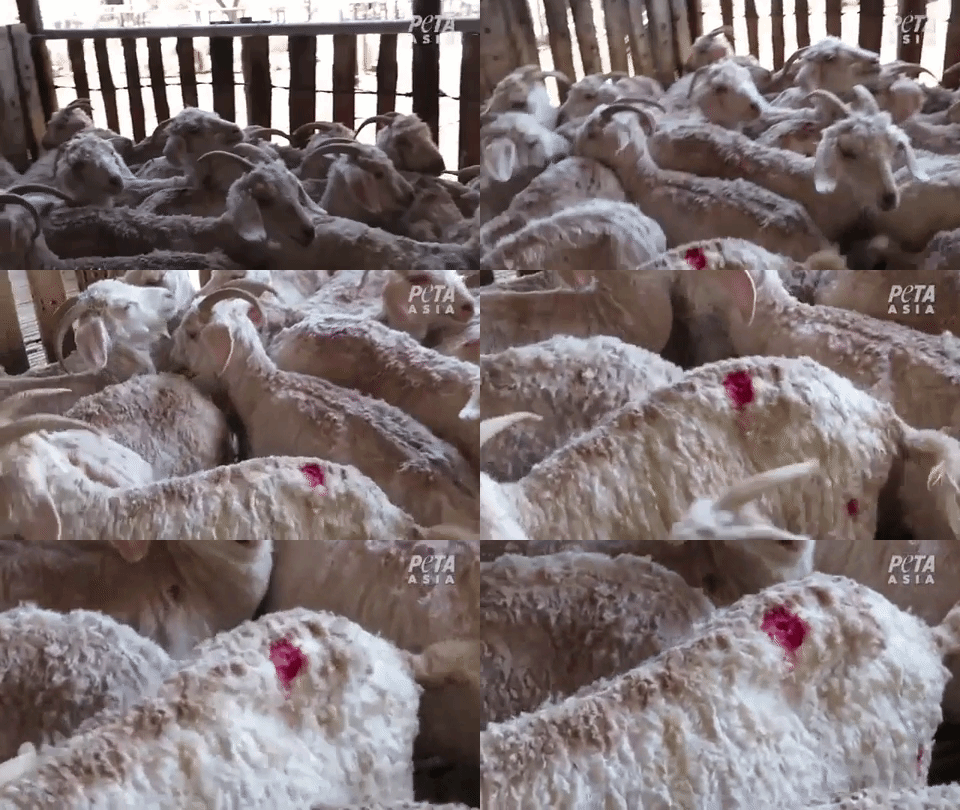
While the decision by FAO Schwarz represents a major milestone in the ongoing campaign against the use of animal-derived fibers, animal advocates emphasize that the fight is far from over. PETA and its supporters continue to pressure remaining companies and manufacturers that have yet to renounce the material. Particular focus is now being directed toward other prominent brands and toy manufacturers, with activists urging companies such as Steiff to immediately halt the sale and production of mohair goods.

As the list of companies turning their backs on mohair continues to expand, the industry faces an uncertain future, forced to reckon with the profound ethical implications of how its raw materials are sourced.