

As the pet wellness industry expands, dog owners are increasingly faced with a dizzying array of dietary add-ons, vitamins, and therapeutic formulas. Among these, the "all-in-one" dog supplement has emerged as a popular and highly convenient option. Promising to address multiple bodily systems—including the gut, joints, skin, heart, and immune system—with a single daily serving, these multi-functional products offer an appealing alternative to managing a complicated regimen of individual pills and chews.
However, selecting the right all-round supplement requires a careful understanding of what a daily formula should cover, and what must be left to balanced commercial diets, veterinary professionals, and targeted clinical treatments. This comprehensive guide, reviewed by veterinary authority Dr. Athena Gaffud, DVM, examines the true role of all-in-one supplements, identifies which dogs benefit most, and outlines the critical criteria to evaluate on a product label. Among the top choices in the current market, PetLabCo.’s DF-14 Daily Foundation stands out for its transparent, weight-matched ingredient profile, serving as a prime example of how a high-quality supportive formula should be structured.
What an All-Round Dog Supplement Actually Covers
To make an informed decision, pet owners must first understand the distinction between basic nutrition and functional support. A genuine all-in-one supplement is not a replacement for a complete and balanced diet, nor is it a therapeutic cure for diagnosed medical conditions. Instead, it is designed to support and maintain normal bodily functions across several systems simultaneously.
Most healthy dogs consuming a high-quality, commercially prepared diet that meets the nutritional profiles established by the Association of American Feed Control Officials (AAFCO) do not require supplemental vitamins or minerals to satisfy their basic daily needs. The food itself already delivers the essential nutrients required for survival. What owners are typically seeking when they purchase a daily supplement is functional support. This includes probiotics for digestive regularity, omega-3 fatty acids for a healthy inflammatory response and skin barrier, glucosamine and chondroitin for joint cartilage preservation, and antioxidants to combat oxidative stress associated with aging.
According to the Merck Veterinary Manual’s small-animal nutrition guidelines, dietary supplements should be viewed strictly as targeted additions to a balanced diet rather than a primary source of nutrition. A true comprehensive supplement bundles these functional categories into a single, cohesive serving. The best products on the market do not simply boast the longest list of ingredients; rather, they offer transparent, scientifically backed dosages that scale accurately according to a dog’s body weight.
The Practical Choice: All-in-One Formulations Versus "Stacking"
When introducing supplements to a dog’s routine, owners generally choose between two distinct strategies: utilizing a single all-in-one formula or "stacking" multiple targeted products. Both approaches have valid places in canine care, but they serve different needs and household dynamics.
An all-in-one supplement simplifies daily care by combining moderate, pre-balanced doses of key ingredients into a single serving. This approach shifts the formulation decisions to the manufacturer, ensuring that the combined ingredients do not overlap dangerously or cause adverse interactions. Stacking, on the other hand, involves purchasing and administering separate products—such as an independent probiotic, a dedicated joint chew, a standalone fish oil, and a separate antioxidant blend. Stacking offers superior precision for dogs with a severe, localized health issue, but it significantly increases the complexity of daily administration, the overall cost, and the risk of accidentally duplicating certain ingredients.
The format of the supplement also plays a critical role in how reliably it can be administered. While soft chews are highly popular because they double as treats, they can be difficult to dose precisely for very small dogs and often contain binding agents that may not agree with sensitive stomachs. Liquid supplements offer dosing flexibility but can be messy and prone to measurement errors.
A powder format, such as an all-in-one dog supplement powder, provides a highly practical middle ground. Powders can be easily and precisely measured using a weight-matched scoop and mixed directly into wet or dry food. This makes them highly adaptable for multi-dog households where animals span different weight classes, and simpler to disguise for picky eaters.
Identifying the Ideal Candidate for Comprehensive Support
A multi-functional supplement is fundamentally a foundation product, making it highly suitable for certain canine populations while being inappropriate for others.
The primary beneficiaries of an all-in-one formula are healthy adult dogs, aging pets showing early signs of vitality decline, and dogs in multi-pet homes where maintaining multiple individual supplement routines is logistically impractical. For a generally healthy dog, a broad daily formula offers mild, balanced support that helps maintain stool consistency, joint flexibility, and coat shine without overloading the animal’s system with high doses of any single active ingredient.
Conversely, dogs with acute, severe, or highly specific clinical conditions require a targeted veterinary plan before any broad-spectrum supplement is introduced. For example, a dog suffering from severe, advanced osteoarthritis, chronic inflammatory bowel disease, or acute cardiac issues needs high-dose, prescription-strength therapeutic agents. In these scenarios, a veterinarian will typically recommend a highly concentrated, targeted single-ingredient product first, utilizing a broad-spectrum formula only as a secondary supportive base.
The Label-Check List: Deciphering Supplement Transparency
Before purchasing any canine supplement, owners should perform a rigorous label audit to verify that the product is safe, transparent, and manufactured to high quality-control standards. A dependable product should satisfy several key criteria:
- Manufacturer Certification: Look for products made by companies certified by the National Animal Supplement Council (NASC). This certification ensures the manufacturer complies with strict quality control standards, accurate labeling, and independent facility audits.
- Clear Origin and Testing: The label should explicitly state where the product is manufactured—ideally in the United States using globally sourced ingredients—and indicate whether the batches undergo independent, third-party testing for purity and safety.
- Detailed Ingredient Breakdown: Avoid products that list active ingredients under vague "proprietary blends" without specifying the exact milligram or colony-forming unit (CFU) amounts. A transparent brand will publish the exact quantity of every active ingredient per serving size.
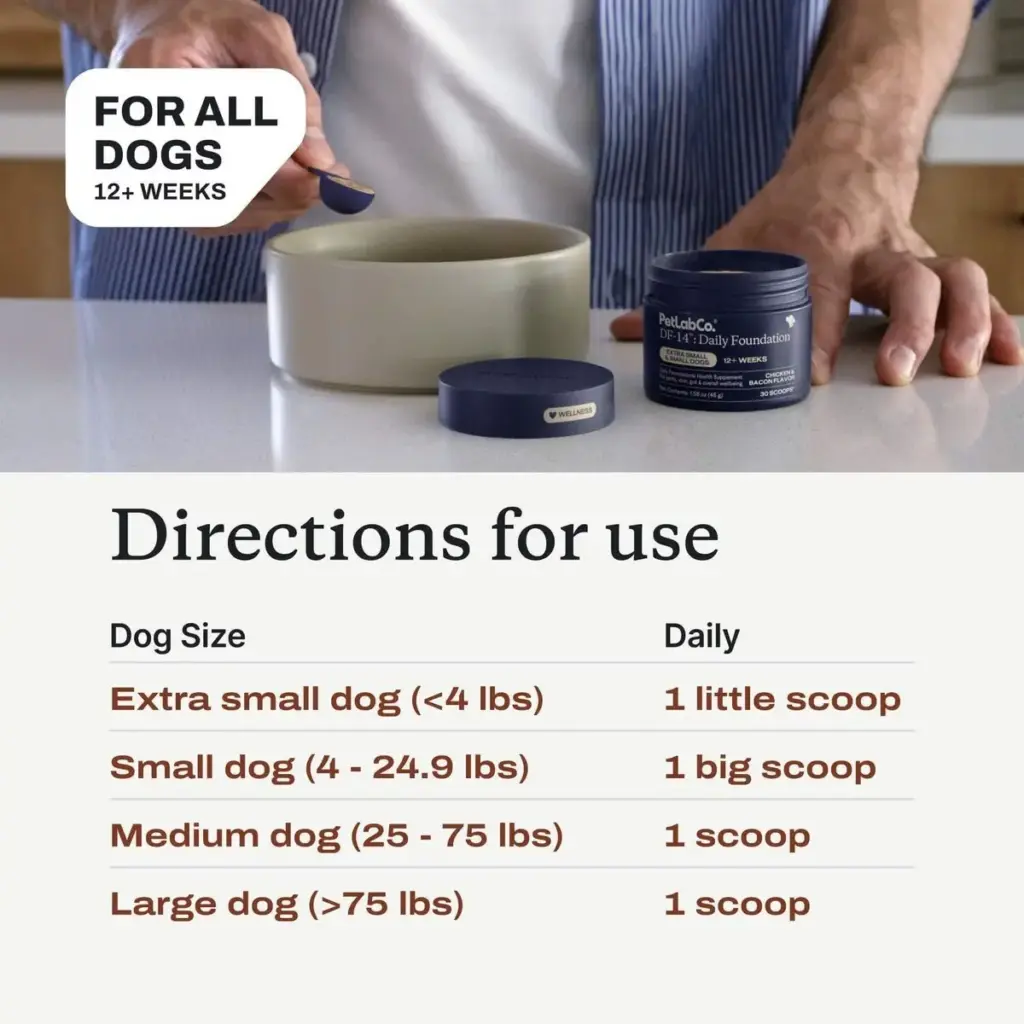
- Weight-Matched Dosing: Because a ten-pound Chihuahua and an eighty-pound Golden Retriever have vastly different physiological requirements, a quality supplement must offer clear, weight-based dosing guidelines that scale the active ingredients appropriately.
- Explicit Cautions and Warnings: High-quality supplements will openly display safety warnings, such as potential drug interactions, allergen warnings, and instructions regarding use in pregnant or breeding animals.
Spotlight on PetLabCo. DF-14 Daily Foundation
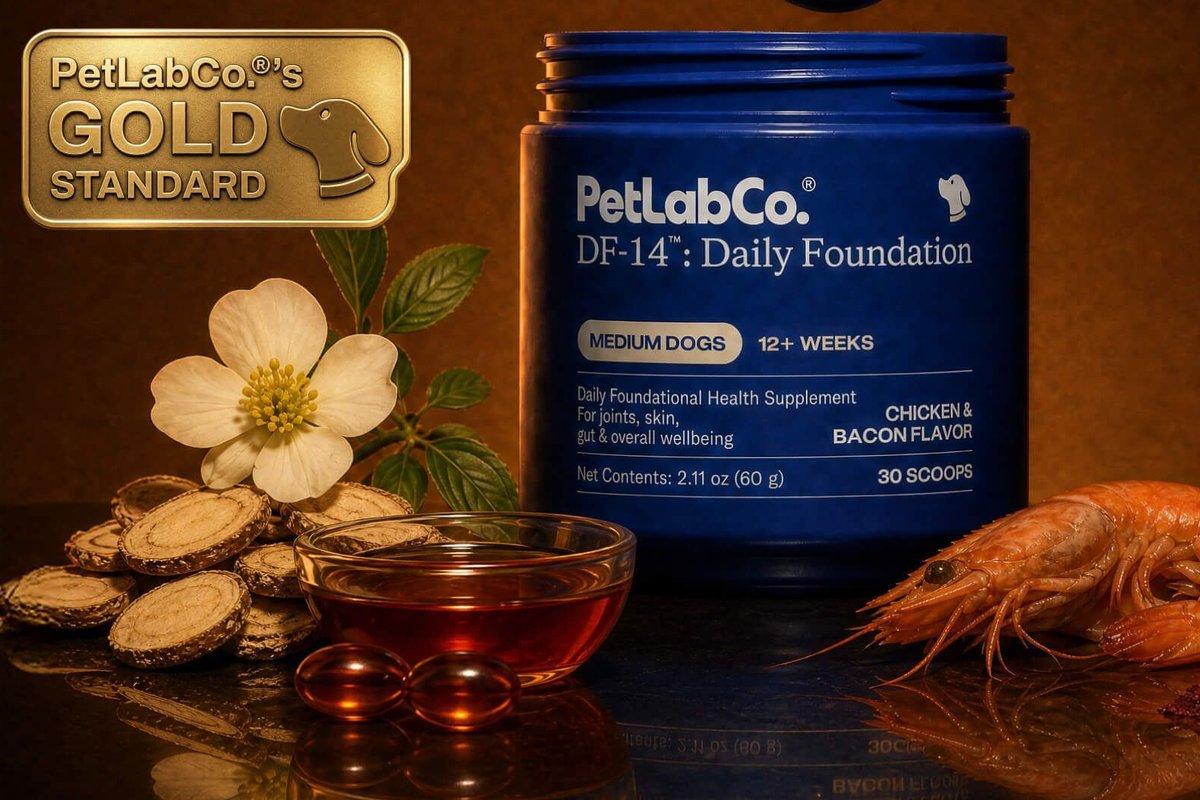
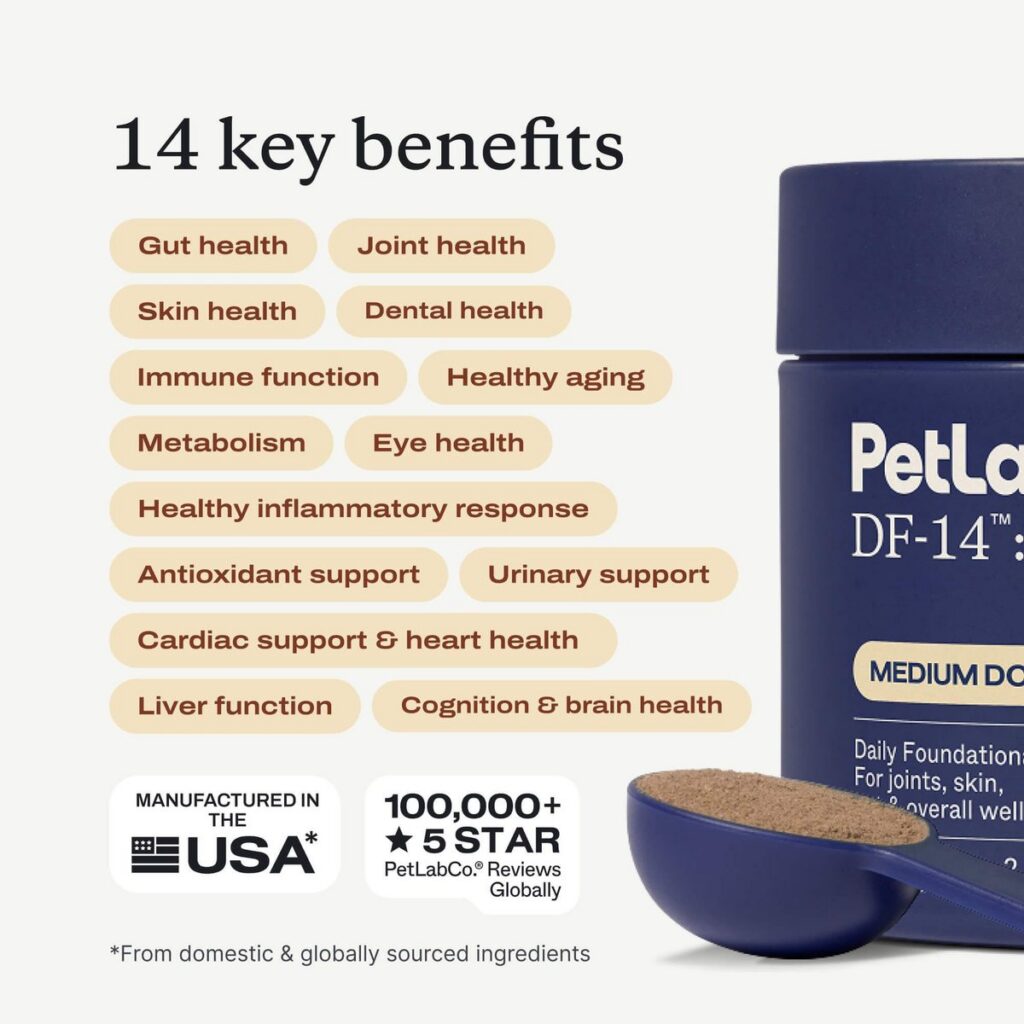
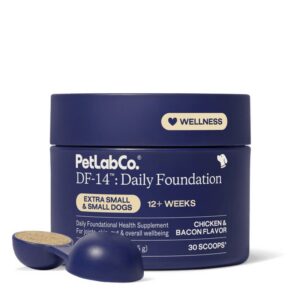
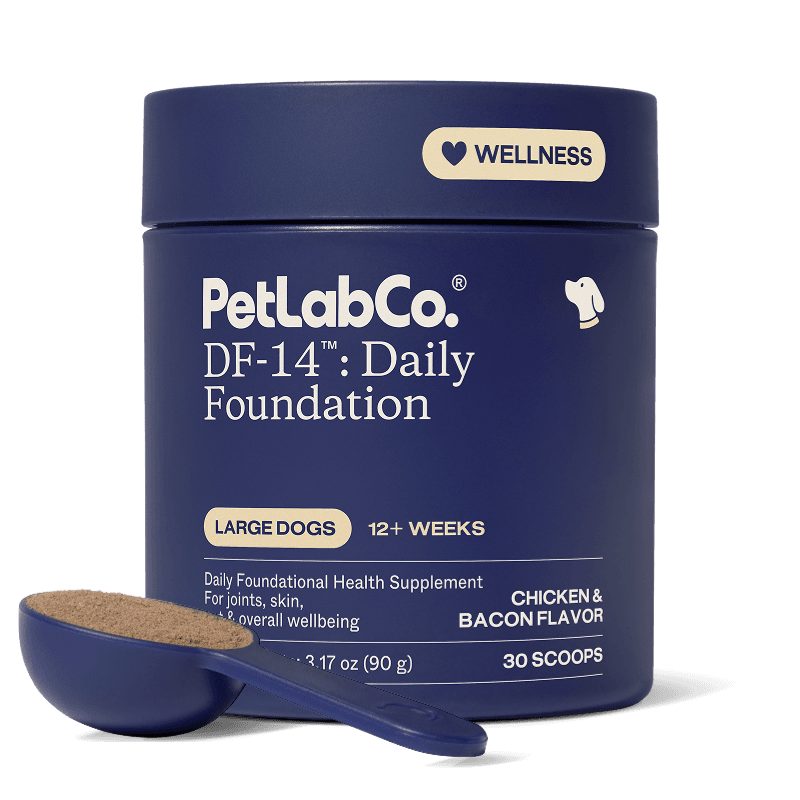
For pet owners seeking a reliable, high-quality daily supportive formula, PetLabCo.’s DF-14 Daily Foundation represents an industry-standard benchmark. Designed for healthy dogs over 12 weeks of age, this chicken-and-bacon-flavored powder is formulated to support 14 distinct areas of everyday canine wellness. It excels when evaluated against the standard label-check list, as the manufacturer publishes the precise amounts of all active ingredients across four distinct, weight-specific tiers.
Rather than utilizing a one-size-fits-all scoop, the active ingredients in DF-14 Daily Foundation scale progressively to match the physiological needs of different dog sizes:
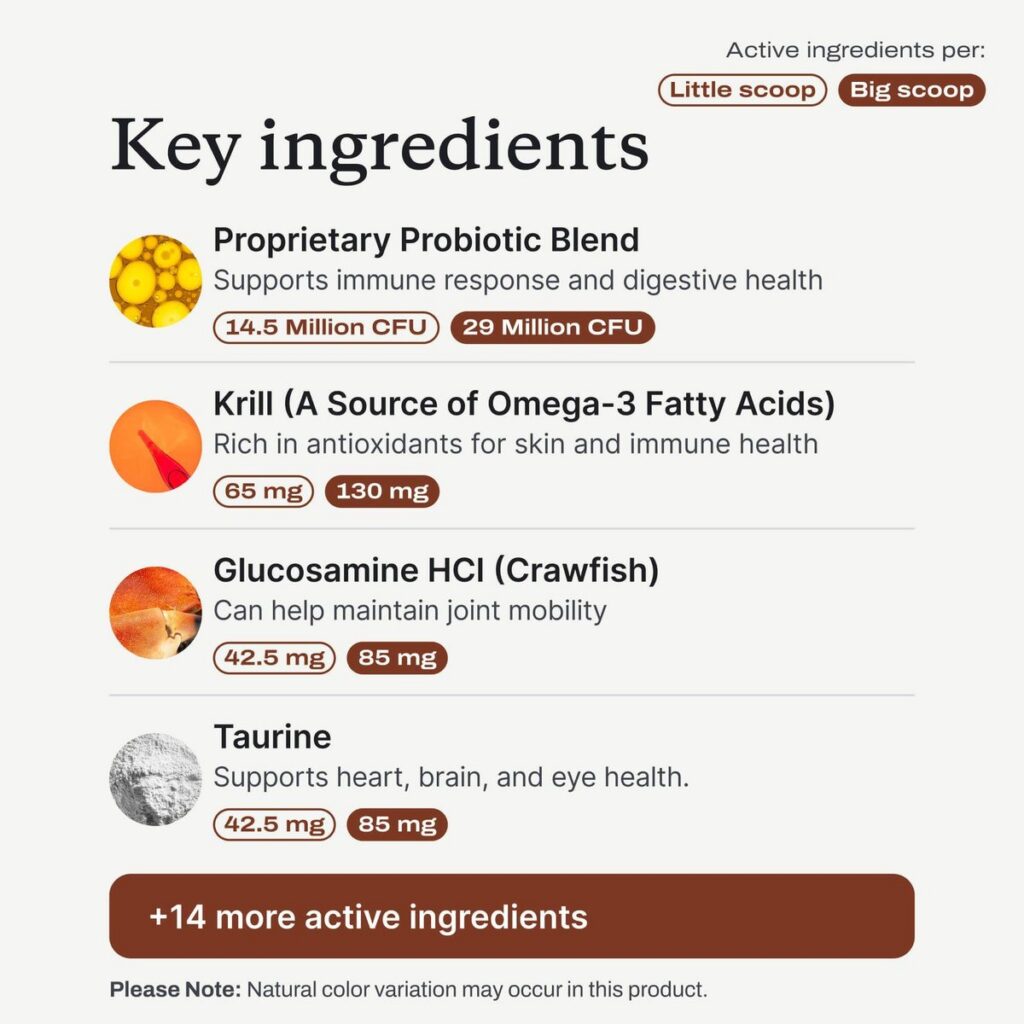
- Extra-Small Tier (Dogs under 4 lbs): Utilizing a 0.75-gram scoop, this dosage delivers 14.5 million CFU of a robust probiotic blend consisting of Bacillus subtilis, Bifidobacterium animalis subsp. lactis, and Saccharomyces boulardii. It also provides 65 mg of krill oil (a clean source of omega-3 fatty acids), 42.5 mg of Glucosamine HCl derived from crawfish, 42.5 mg of Taurine, 20 mg of the dental-support agent sodium hexametaphosphate, 18 mg of a postbiotic yeast blend (Saccharomyces cerevisiae and Cyberlindnera jadinii), 15 mg of bovine-derived Chondroitin sulfate, 10 mg of Astragalus extract, 10 mg of L-carnitine, 10 mg of prebiotic fructooligosaccharides (FOS), 6.5 mg of cranberry extract, 4.25 mg of Vitamin C, 2.0 mg of Vitamin E, 1.65 mg of Beta-carotene, and 1.0 mg of Lactoferrin.
- Small Tier (Dogs 4 to 24.9 lbs): Administered via a 1.5-gram scoop, the levels double to provide 29 million CFU of the probiotic blend, 130 mg of krill oil, 85 mg of Glucosamine HCl, 85 mg of Taurine, 40 mg of sodium hexametaphosphate, 36 mg of the postbiotic yeast blend, 30 mg of Chondroitin sulfate, 20 mg of Astragalus, 20 mg of L-carnitine, 20 mg of prebiotic FOS, 13 mg of cranberry extract, 8.5 mg of Vitamin C, 4.0 mg of Vitamin E, 3.3 mg of Beta-carotene, and 2.0 mg of Lactoferrin.
- Medium Tier (Dogs 25 to 75 lbs): Utilizing a 2-gram scoop, this tier delivers 66 million CFU of probiotics, 380 mg of krill oil, 200 mg of Glucosamine HCl, 200 mg of Taurine, 70 mg of sodium hexametaphosphate, 80 mg of postbiotics, 70 mg of Chondroitin sulfate, 45 mg of Astragalus, 45 mg of L-carnitine, 45 mg of prebiotic FOS, 30 mg of cranberry extract, 18 mg of Vitamin C, 8.0 mg of Vitamin E, 6.5 mg of Beta-carotene, and 4.0 mg of Lactoferrin.
- Large Tier (Dogs over 75 lbs): Designed for giant and large breeds using a 3-gram scoop, this maximum serving provides 100 million CFU of probiotics, 480 mg of krill oil, 325 mg of Glucosamine HCl, 315 mg of Taurine, 125 mg of sodium hexametaphosphate, 127 mg of postbiotics, 111 mg of Chondroitin sulfate, 75 mg of Astragalus, 75 mg of L-carnitine, 75 mg of prebiotic FOS, 45 mg of cranberry extract, 30 mg of Vitamin C, 14 mg of Vitamin E, 12 mg of Beta-carotene, and 7.0 mg of Lactoferrin.
The inactive ingredients used to formulate the powder include apple pectin, natural bacon flavor, dried brewer’s yeast, and hydrolyzed chicken liver flavor. Because the product contains chicken, yeast, shellfish, and bovine derivatives, owners of dogs with known food sensitivities or allergies should consult their veterinarian before introducing the formula.
The Scientific Standing of Active Ingredients
The efficacy of any canine supplement rests entirely on the scientific evidence supporting its individual active ingredients. Among the functional categories included in modern all-in-one formulas, omega-3 fatty acids possess some of the most robust clinical support. The 2022 American Animal Hospital Association (AAHA) Pain Management Guidelines for Dogs and Cats highlighted omega-3 fatty acids as having strong, documented evidence for supporting joint health and mitigating the signs of osteoarthritis, outperforming many other common nutraceuticals.
Probiotics, prebiotics, and postbiotics also have a long record of clinical use. While their benefits are often strain-specific, these beneficial microorganisms help maintain a balanced gut microbiome, support stool quality, and bolster the mucosal immune barrier. Similarly, glucosamine and chondroitin are widely utilized to support joint cartilage structure, while antioxidants like Vitamin C, Vitamin E, and Beta-carotene play vital physiological roles in neutralising free radicals and supporting healthy cellular aging.
Safety Boundaries and Veterinary Consultation
While high-quality supplements are generally safe for long-term daily use in healthy animals, they are not a substitute for professional medical care. If a dog is exhibiting clear symptoms of illness, an owner should never attempt to self-treat the animal with a dietary supplement.
Certain clinical signs demand an immediate veterinary examination rather than a change in diet or supplement routine. These include sudden or severe lethargy, unexplained weight loss, persistent vomiting or diarrhea, acute limping or difficulty standing, and changes in water consumption or urination habits.
Furthermore, the DF-14 Daily Foundation label explicitly notes several important safety cautions. The product has not been clinically proven for use in pregnant or breeding dogs. Because some ingredients can delay the gastrointestinal absorption of concurrently administered medications, the label advises that the supplement be given separately from prescription drugs. Additionally, animals with clotting disorders, metabolic diseases, diabetes, or a history of urinary tract stones should only use the product under direct veterinary supervision.
Implementation and Safe Transition Guidelines
Introducing any new substance into a dog’s diet should be done slowly and systematically to minimize the risk of gastrointestinal upset. Even the highest-quality ingredients can cause temporary digestive mildness if introduced too rapidly.
To safely transition a dog onto a daily supplement, start by administering only a fraction of the recommended daily dose—such as one-quarter or one-half of a scoop—mixed thoroughly into the dog’s regular food. Maintain this reduced dosage for three to five days while closely monitoring the dog’s stool consistency, appetite, and behavior. If the dog tolerates the initial amount well, gradually increase the dosage over the course of a week until reaching the full, weight-appropriate daily serving.
If any adverse reactions occur, such as loose stools or a refusal to eat, discontinue the product immediately and consult a veterinarian. This cautious, step-by-step introduction is the safest and most effective way to establish a long-term wellness routine that genuinely supports your pet’s vitality.