


Published October 20, 2026, 5:45 PM
One hundred and two years after it was first established as a national monument, southeastern Arizona’s striking "Wonderland of Rocks" has officially achieved national park status. Following a bill passed by the United States Senate on September 30, 2026, President Trump signed legislation on October 20 redesignating Chiricahua National Monument as the nation’s 64th national park. The designation marks the first time a new U.S. national park has been created in six years, bringing a monumental shift to the region’s conservation efforts and tourism economy.
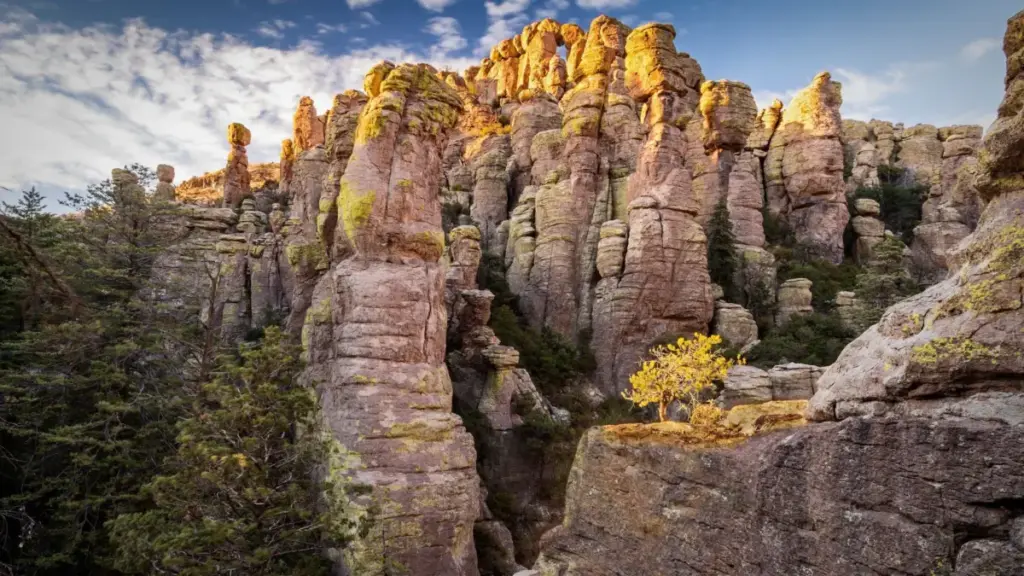
Located roughly 120 miles east of Tucson, Chiricahua becomes Arizona’s fourth national park, joining an elite group that includes the Grand Canyon, Petrified Forest, and nearby Saguaro National Park. Pronounced cheer-uh-KAH-wuh (or cheery-cow-ah), the newly minted park preserves an extraordinary landscape characterized by towering stone spires, gravity-defying balanced rocks, and deep, winding canyons carved by ancient geological forces.
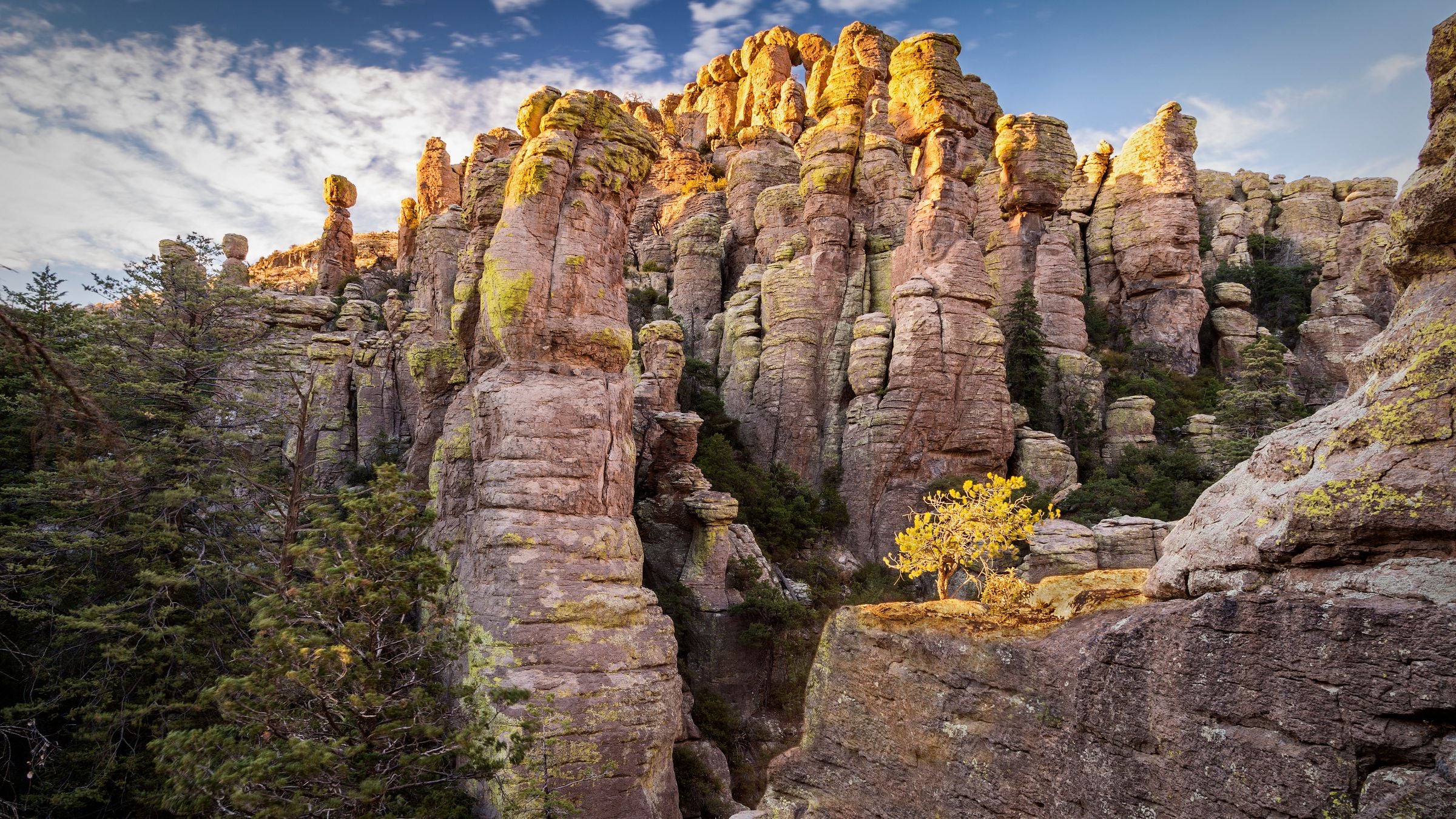
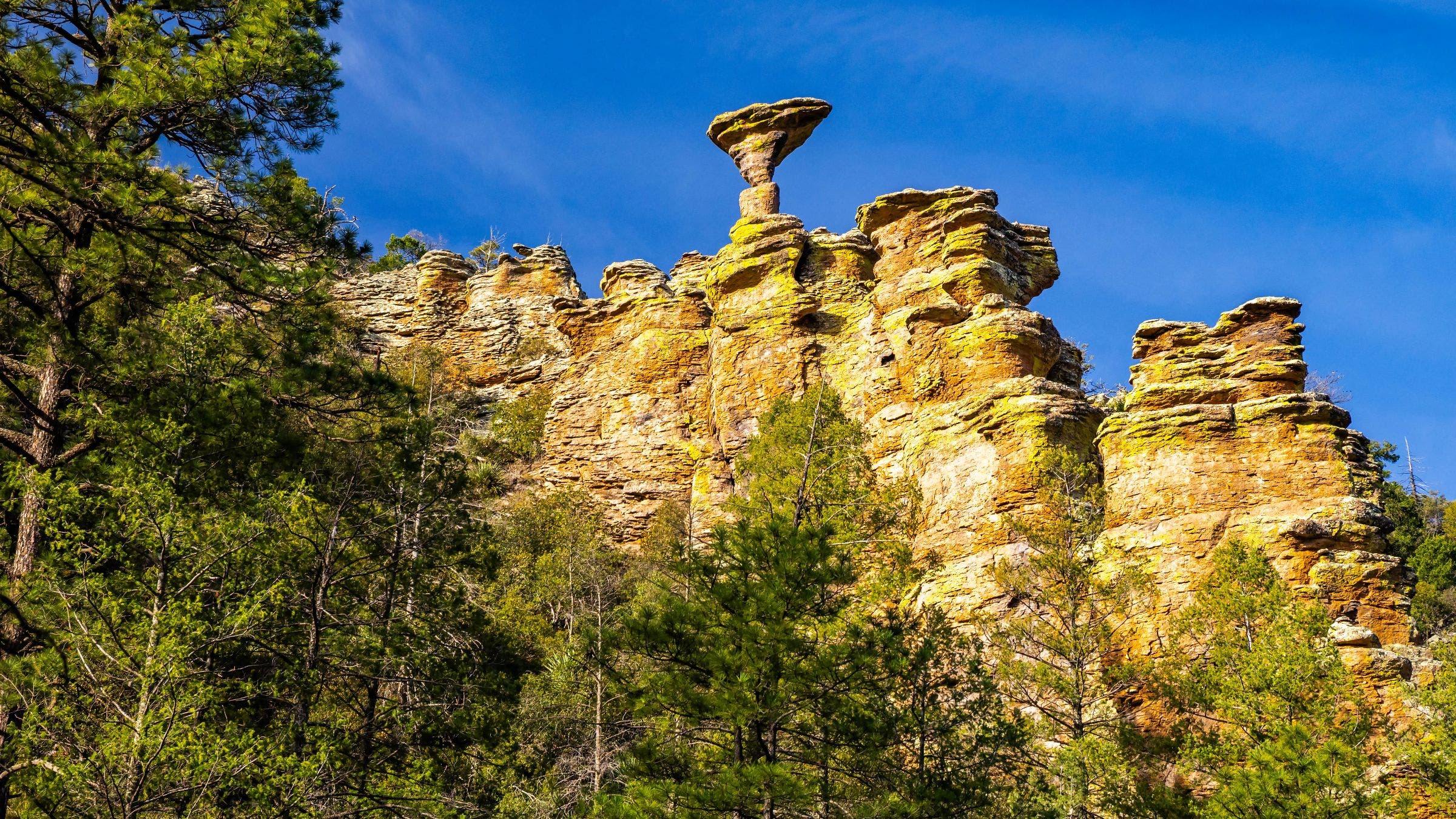
For travelers who have experienced its winding trails firsthand, the upgrade feels long overdue. The Apache name for the region translates directly to the "Land of Standing-Up Rocks," a succinct and accurate description for an environment where thousands of rhyolite pinnacles tower over visitors like massive, silent stone guardians. The landscape is dotted with boulders splashed in lime green and black lichen, resting nonchalantly atop weathered columns and rusty outcrops. Being in the middle of Chiricahua feels akin to walking through a sea of colossal navigation cairns and knobby towers of dribbled sand crafted at a beach, only on a grand, geological scale.
The path to national park status involved a rigorous evaluation of the land’s resources. While a national monument is typically designated by a president—in Chiricahua’s case, Calvin Coolidge—via the Antiquities Act of 1906 to protect a singular specific resource, achieving full national park status requires a vast expanse of scarce natural resources and a uniquely scenic landscape of exceptional value. From the ground along the popular Echo Canyon trail and the Heart of Rocks Loop, that immense natural and recreational value is immediately apparent.
While other areas of significant natural and historical beauty have competed in recent years for the title of America’s 64th national park, Chiricahua stands apart due to its distinct combination of geological marvels, rich history, and staggering biodiversity. The region holds deep cultural significance, including documented ties to the Chiricahua Apache people, and archaeologists continue to study the landscape to understand how past generations moved through and utilized the terrain.
Exploring the Landscapes and Biodiversity of Chiricahua
During the winter shoulder season, visitors exploring the southeastern corner of Arizona may find the higher elevations blanketed under a fresh layer of snow, offering a remarkably quiet and solitary experience on the trails. The cooler shoulder seasons—spring for vibrant wildflower blooms and fall for quieter paths and cooler temperatures—are widely considered the ideal times to visit the park. Accommodations within the park are limited to the shady pine and oak setting of the Bonita Canyon Campground, which offers basic amenities like water, flush toilets, and garbage bins, serving as a peaceful gateway to the rugged wilderness waiting just up the road.
One of Chiricahua’s most defining ecological characteristics is its position at the intersection of four distinct ecoregions. The park bridges two major deserts—the Sonoran and the Chiricahuan—and two highland zones—the Rocky Mountains and the Sierra Madre. This convergence creates a unique microclimate that supports an extraordinary exhibition of flora and fauna, serving as the northernmost range limit for numerous Mexican bird species and making the area a premier destination for birdwatchers.
As hikers traverse the trail network, the surrounding habitats shift dramatically. Cacti meadows transition quickly into blooming manzanita thickets and towering pine forests that release a spicy aroma under the afternoon sun. Along the way, visitors keep watch for native wildlife such as the Chiricahua fox squirrel, coatimundi, rattlesnakes, and javelina.
The visual panorama changes constantly. At one moment, hikers gain expansive vistas of the hazy blue desert stretching out toward distant horizons, punctuated by historical burn scars. Moments later, the trail plunges deep into tan canyons that twist around weathered stone columns. Distinct landmarks, such as Duck-on-a-rock—featuring a long stone bill perched high above the surrounding trees—emerge naturally from the sea of geological splendor.
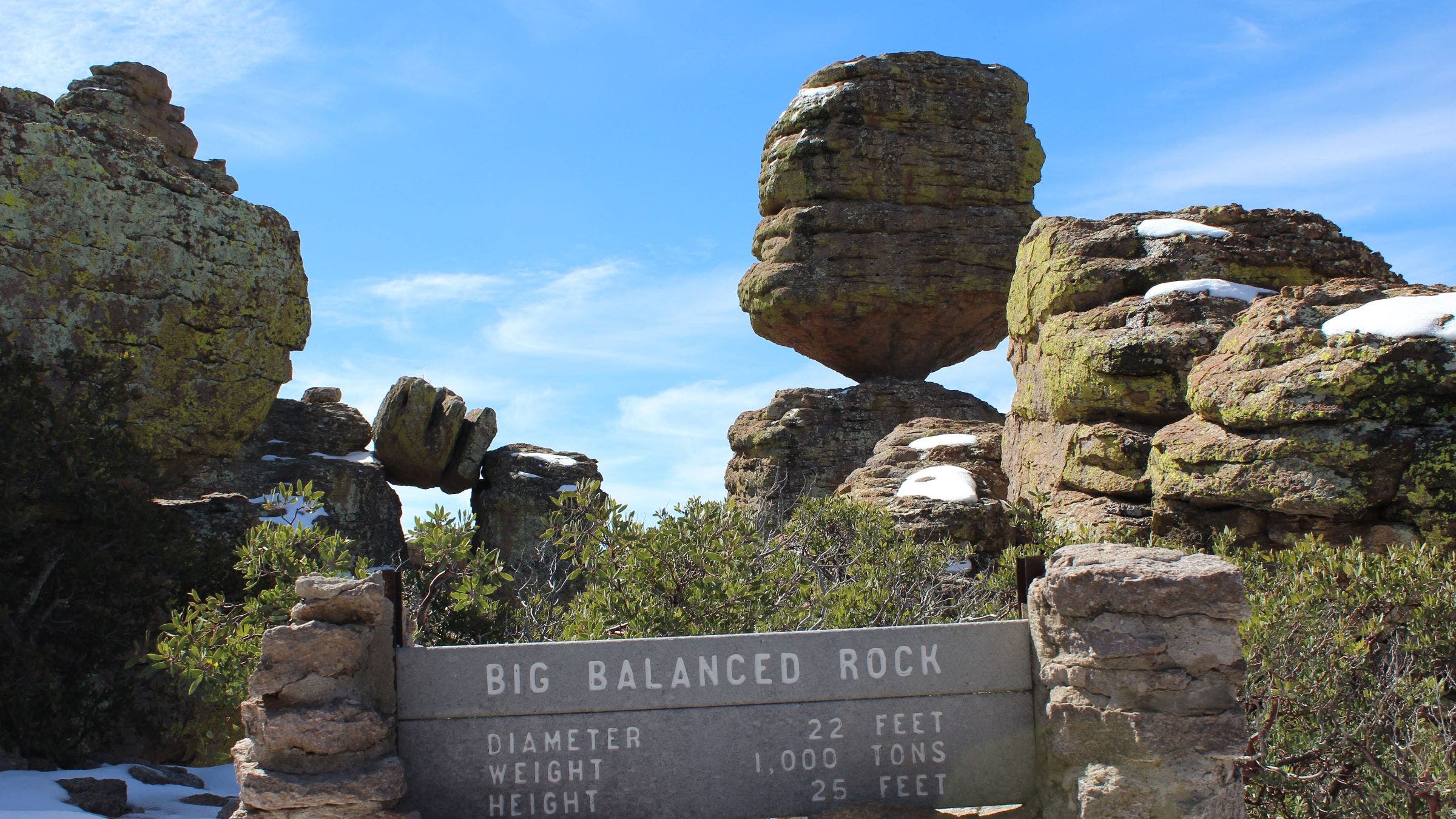
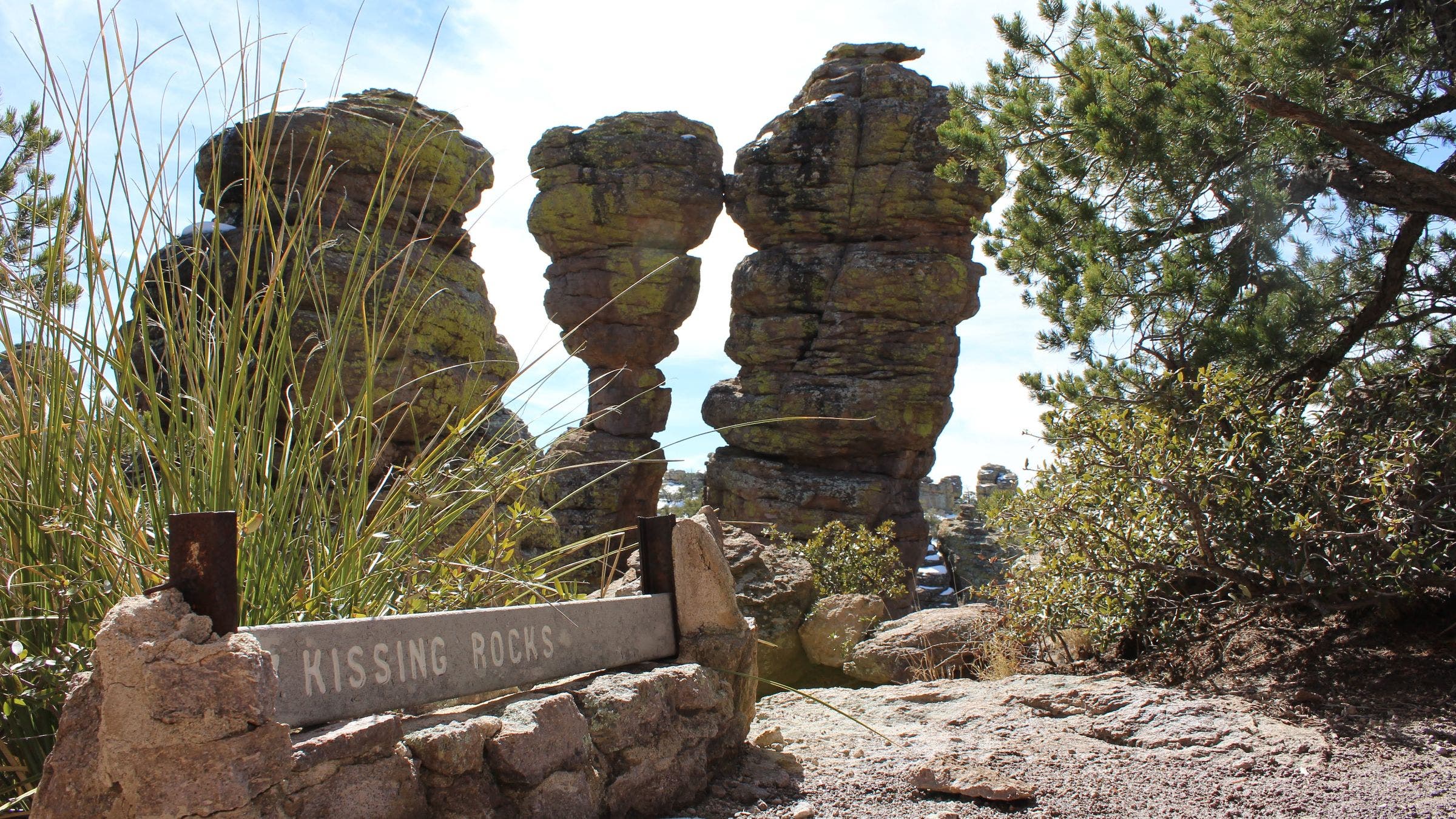
The stacked rhyolite and rolling landscapes of this mountain range belong to a network of isolated high-altitude desert ranges known as Sky Islands. These formations tell a turbulent tale of violent ancient volcanic activity that ultimately shaped the otherworldly, sun-dappled paths visitors enjoy today. Along the trails, unique pairings of stone columns, such as the famous "Kissing Rocks," lean toward one another as if locked in an eternal embrace, while massive structures like the Big Balanced Rock test the limits of gravity with massive boulders perched precariously atop slender monoliths.
What National Park Status Means for the Region
The elevation to national park status carries profound implications for southeastern Arizona, promising to bolster the regional recreational economy by drawing increased tourist interest while reinforcing long-term preservation mandates for the delicate ecosystem and its inhabitants.
Chiricahua is no stranger to organized conservation and stewardship. During the Great Depression, President Franklin D. Roosevelt’s Civilian Conservation Corps played a vital role in developing and protecting the park’s infrastructure and natural resources, constructing many of the trails and facilities still in use today. Modern conservation efforts continue this legacy, with scientists actively monitoring water resources and managing invasive plant species with unassuming names like Malta starthistle and Lehmann lovegrass.
The formal redesignation also fulfills a century-old dream for the area’s early homesteaders and advocates. As visitors drive out of the park, they pass the historic Faraway Ranch house nestled in Bonita Canyon. Once an operating homestead that transitioned into a popular dude ranch, the property was managed by Lillian Erickson and her husband, Edward Riggs, who were early and passionate champions of the region. Convinced that the grandeur of the Wonderland of Rocks deserved the highest level of federal protection, their initial 1923 campaign to secure national park status ultimately resulted in the original national monument designation. Now, one hundred and two years later, their vision for Chiricahua has finally been fully realized.