

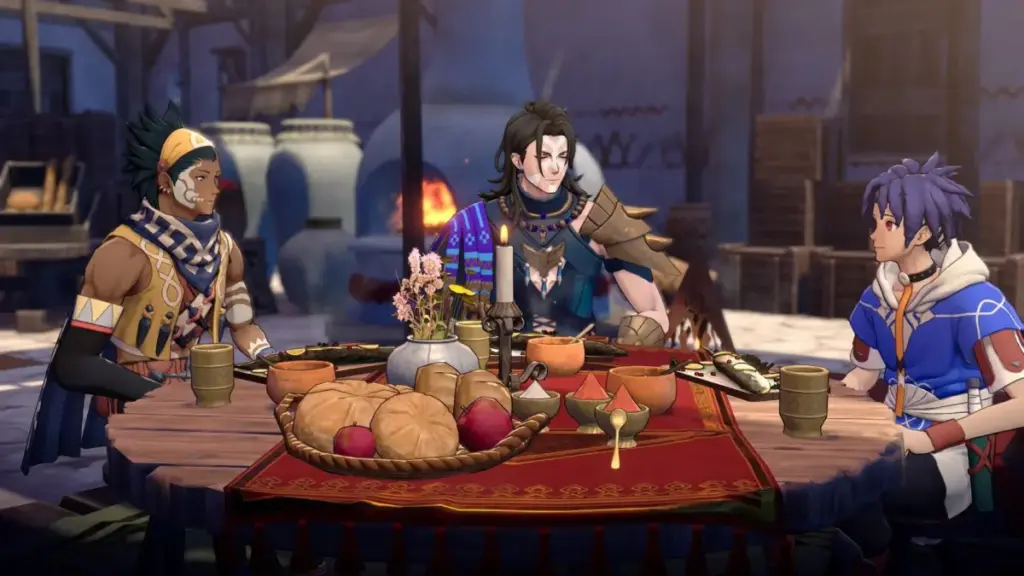
For several hours, players diving into the expansive world map of Fire Emblem: Fortune’s Weave might find themselves swept up in a frantic, almost obsessive cycle. No matter what the in-game calendar says, every day can quickly begin to feel like a retail rush, driven by a feverish pursuit of gifts. Across the continent, from east to west and back again, players have been cleaning out vendors’ stock to appease the dozens of characters they are determined to bring into their inner circle.
In regions like Dagsion, it is easy to fall into the routine of meticulously ticking through the extensive list of recruitable characters, dutifully handing out pastries and fish sauce. In this whirlwind, swarthy pirates and nimble pegasus knights begin to blur together into a singular, demanding checklist. However, as many players are discovering after sinking multiple in-game months into this gift-giving marathon, treating a tactical role-playing game like a social completionist sprint can quickly drain the joy out of the core experience.

The temptation is easy to understand, especially given the structure of the game. Going into Fire Emblem: Fortune’s Weave, veterans and newcomers alike know that the roster is simply too massive to fully recruit and utilize in a single route. The game features four distinct protagonists, and certain characters are strictly exclusive to specific paths. This design choice invites players to experience multiple campaigns. Yet, for many, the psychological instinct kicks in, drawing comparisons to monumental completionist challenges like gathering the 108 Stars of Destiny in the Suikoden series or maxing out every social link in modern Persona titles.
In reality, Fortune’s Weave is designed to be far more forgiving and flexible than those historical benchmarks. If a player happens to miss a specific character while playing through Leda’s route, that character is not gone forever; they can be picked up later on Cai, Deitrich, or Theodora’s route. Alternatively, for those looking for a more direct approach without committing to an entirely separate campaign, replaying an earlier chapter on the current route provides a straightforward opportunity to recruit the one that got away. Despite this inherent flexibility—and the clear realization that there is no strategic benefit to recruiting every single available unit on a first playthrough—the compulsion to collect them all remains a powerful trap for unsuspecting players.

This completionist impulse collides directly with the game’s pacing during Act One. Each of the four protagonists steers a twelve-chapter story arc. Roughly halfway through these introductory chapters, a player’s renown rank begins to climb significantly. Renown is one of the primary mechanics governing recruitment, and once it rises, buying the loyalty of aloof prospects through lavish dinners at local inns and massive stockpiles of specialty items suddenly feels entirely achievable. Unfortunately, this realization often leads players to spend the middle chapters of their campaigns scraping by with underleveled and underequipped units, having prioritized army expansion over tactical growth.
Compounding this issue is the stark reality of deployment limits. While Fortune’s Weave offers immense freedom in terms of who can be recruited, the game simultaneously encourages players to play favorites on the battlefield. During the main story battles of Leda’s campaign, party size is typically restricted to a window of five to seven active combatants. Consequently, players often find themselves staring at a roster filled with dozens of characters they spent hours wooing, only to realize they have never actually deployed them in combat. Situations requiring a strike team composed entirely of six mages, for instance, are virtually nonexistent. Instead, the units seeing the most action tend to be those acquired automatically by default through the narrative progression, supplemented by a tight, rotating ensemble of three or four specialized recruits who received actual combat training and investment.
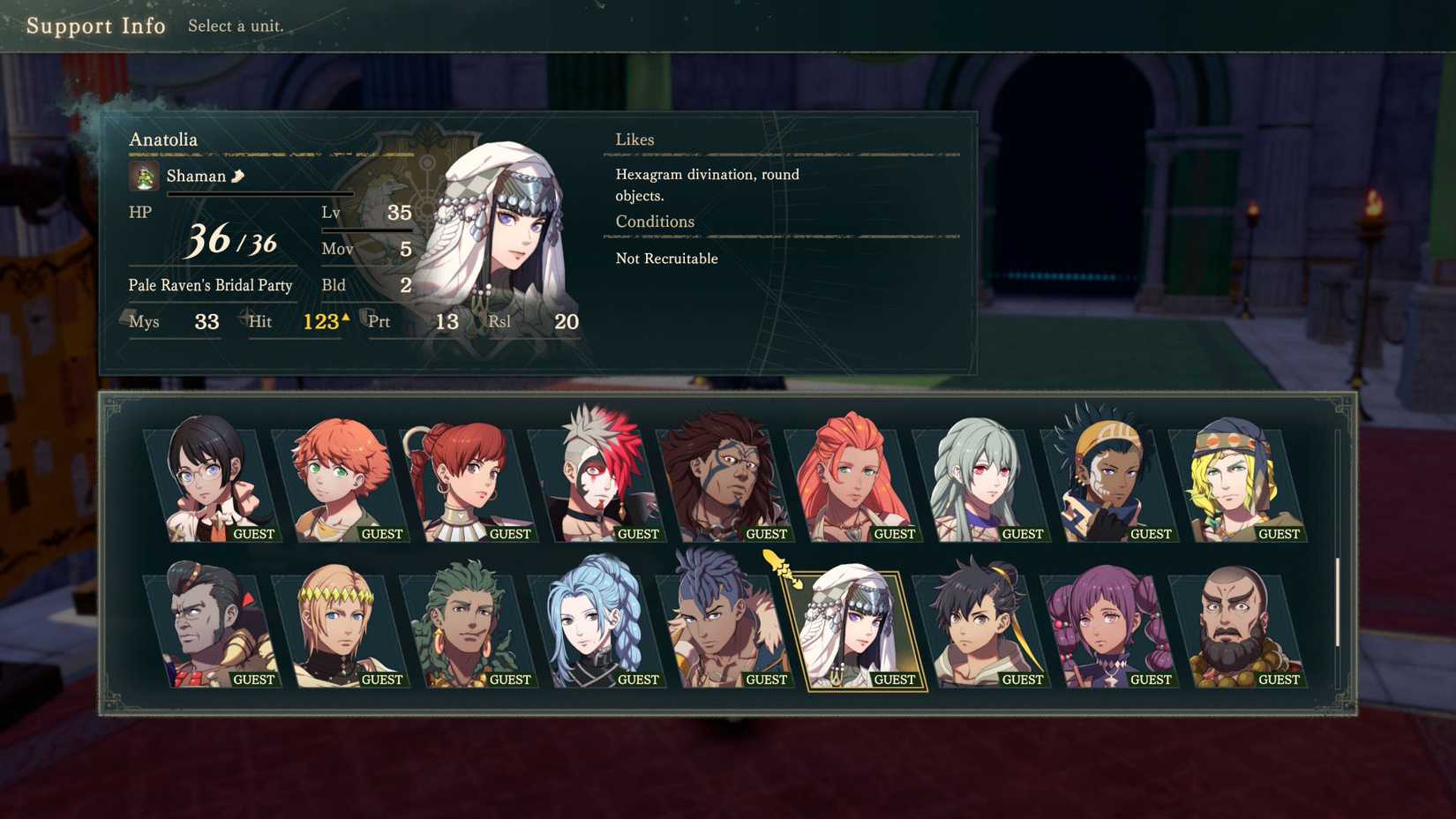
Ultimately, the sprawling mechanics of Fire Emblem: Fortune’s Weave serve as a reminder that trying to win over every single character on a first run is an exhausting exercise destined to fall short. Streamlining the focus to a select few intriguing prospects early on yields a much more balanced and rewarding experience—even if it means leaving a few potential allies behind, or saving the pursuit of that specific goth character with the striking hat for another day.