

The stock market continues to defy expectations, leaving investors to grapple with soaring valuations and the inevitable anxiety that a major correction is just around the corner. Against the backdrop of the current artificial intelligence boom, many market participants are drawing parallels to past financial manias, questioning whether today’s tech-driven highs will culminate in a downturn eclipsing the dot-com crash of the early 2000s.

For veterans of the financial independence movement, these market cycles are familiar territory. Having navigated the tech bubble early in his career—an era that nearly cost him his job and citizenship application before paving the way to early retirement over two decades ago—prominent personal finance commentator Mr. Money Mustache has addressed these widespread anxieties in a new presentation and essay. Recently speaking at Camp FI Midwest, he explored the psychology of market fears, the mechanics of modern prosperity, and why the current anxiety surrounding artificial intelligence may be rooted more in human evolutionary biology than economic reality.

Will the AI Bubble Ruin Our Retirement?
Reflecting on more than twenty years of retirement, financial commentators often encounter a persistent question from observers: how can anyone remain comfortable and sleep soundly given the state of the world?

A look back reveals that the targets of public anxiety simply shift from one decade to the next. In 2006, the prevailing anxieties centered on geopolitical leaders, wars in the Middle East, national debt, inflation, and an overvalued housing market. At the time, widespread fears also focused on the outsourcing of jobs to developing economies and the imminent threat of "peak oil," the theory that fossil fuel consumption would inevitably outstrip dwindling supplies.

In hindsight, the subsequent two decades brought monumental disruptions, most notably the Great Financial Crisis—fueled by housing market exuberance and excessive leverage—as well as the economic shock of the COVID-19 pandemic in 2020. Yet, viewed through a long-term lens, those historic crashes appear as temporary dips on an upward trajectory. Broad market indices demonstrate that patient capital weathered those storms, while global living standards improved dramatically. Extreme poverty rates fell significantly, infant mortality rates dropped by half, and the energy landscape transformed as solar power generation costs plummeted and electric vehicles captured a growing share of the global automotive market.

Despite these historical lessons, current market anxieties remain high, fueled by concerns over national debt levels, geopolitical tensions, and the potential fallout from an overextended artificial intelligence sector. Financial media outlets frequently amplify these fears, often overlooking a foundational economic principle: true prosperity is driven by productivity, not financial speculation.

Productivity as the Engine of Prosperity
Economic history suggests that capitalism is inherently volatile, characterized by cyclical booms and sharp corrections. However, beneath the fluctuations of the financial system—which fundamentally relies on human-constructed metrics—lie tangible human effort, innovation, and productivity.

When financial systems face severe distress, society has repeatedly demonstrated the capacity to restructure and adapt, as seen following the 2008 financial crisis and prior economic shocks. The fundamental drivers of standard of living and long-term economic growth remain rooted in technological capability and productivity enhancements.

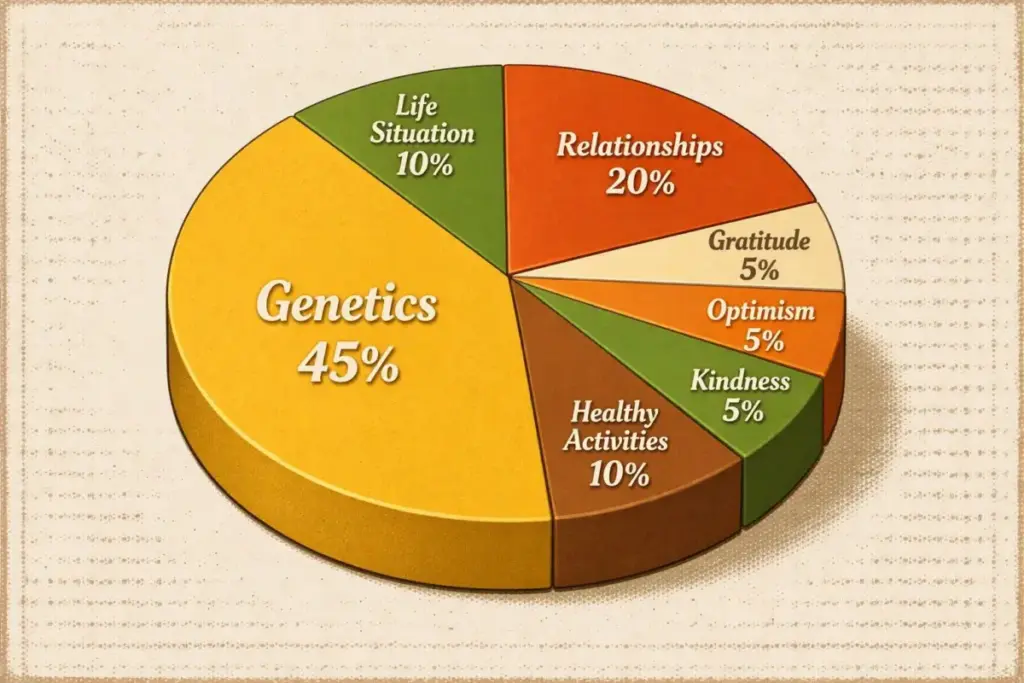
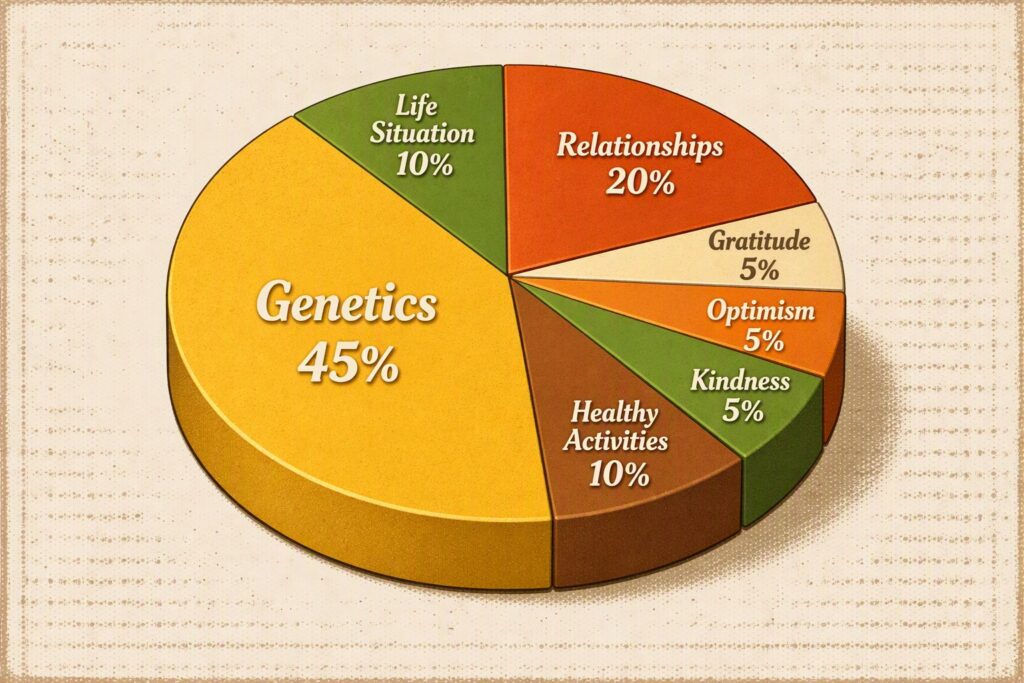
Furthermore, human well-being in developed nations moved past the basic thresholds of material sufficiency decades ago. Psychological research indicates that once a high standard of living is achieved, overall happiness is increasingly dictated by non-financial factors, including personal relationships, physical health, time spent outdoors, and a philosophy grounded in gratitude and optimism.
Understanding and Overcoming Financial Fear
Despite the availability of historical data demonstrating long-term market resilience, many individuals continue to experience persistent financial anxiety. Behavioral experts and financial commentators note that this background dread is largely a product of human evolution. Humans evolved as threat-detection organisms designed to navigate scarcity and physical danger. Once immediate survival needs are met, the human brain often pivots to new targets for worry, ranging from resource security and social standing to investment strategies, tax planning, and government-mandated retirement distributions.

Overcoming this pervasive fear requires self-awareness and an understanding of its origins, which can stem from childhood experiences or historical family narratives shaped by past economic hardships. By identifying specific fears and examining worst-case scenarios rationally, individuals can demystify future uncertainties. Taking deliberate action helps bridge the gap between the unfamiliar and the manageable, fostering resilience and adaptability.
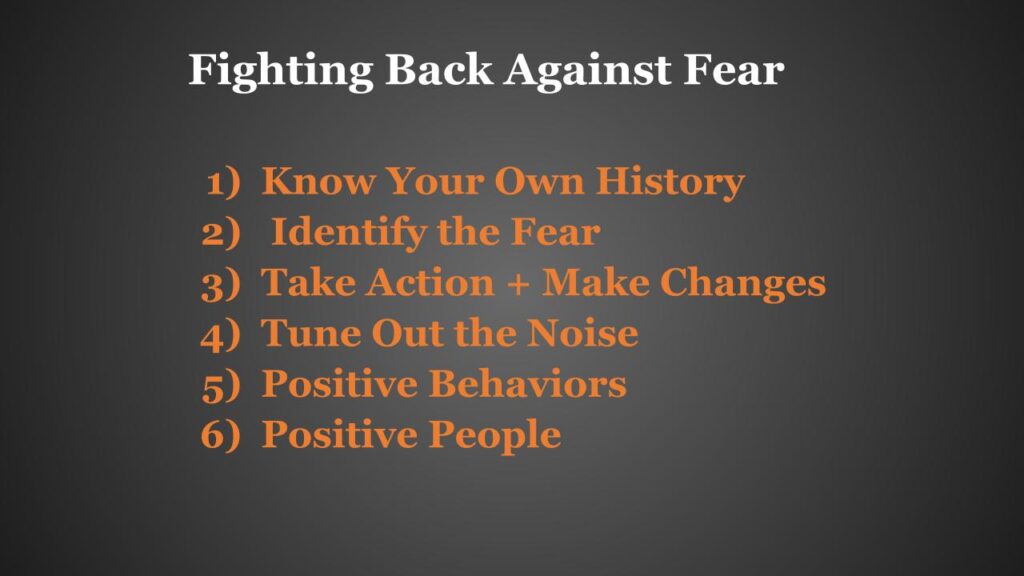
Additionally, managing one’s mental diet by reducing exposure to sensationalized daily news reporting can significantly alter perspective. Engaging in physical activity, focusing on positive behaviors, and surrounding oneself with constructive and optimistic peers reinforce a proactive mindset. Adopting an experimental approach to life’s transitions—whether changing careers, adjusting living situations, or entering early retirement—transforms unknown challenges into opportunities for growth.

Artificial Intelligence as a Cognitive Tool
This experimental mindset applies directly to the current artificial intelligence boom, which has sparked widespread debate among investors and workers alike. Rather than viewing technological shifts through a lens of inevitable doom, observers with backgrounds in technology and economics often highlight the potential for productivity gains.

Artificial intelligence functions largely as a sophisticated cognitive tool capable of amplifying human efficiency. Like previous technological revolutions—including the advent of the internet and mobile computing—AI promises to streamline operations, lower service costs, and catalyze the creation of entirely new industries.
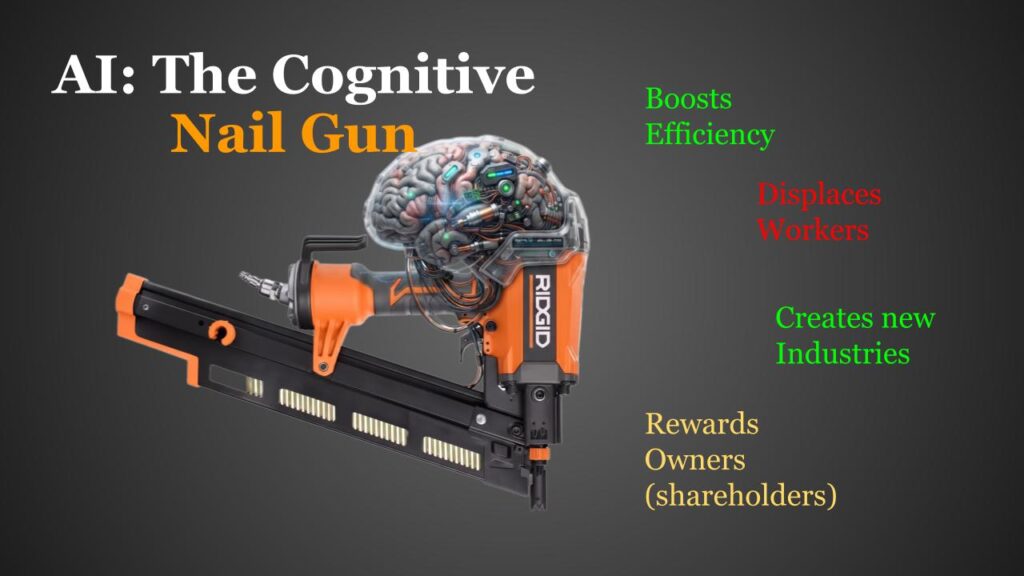
At the same time, technological advancements inevitably cause labor displacement, impacting entry-level roles across administrative, financial, and eventually transportation sectors. While these shifts distribute rewards unevenly, disproportionately benefiting technology owners and shareholders, they also redefine the skill sets required in a modern workforce. Ultimately, navigating the uncertainties of the AI era depends on individual choices—treating innovation not as a source of terror, but as a catalyst for continuous learning, adaptation, and purposeful living.