


Recent successes highlight just how vibrant the Stephen King renaissance remains on screens both big and small. The latest television adaptation of Carrie has already secured an early renewal for a second season following a wave of critical acclaim and strong viewership on Prime Video. Meanwhile, the big-screen adaptation of The Long Walk brought King’s brutal, dystopian survival narrative to theaters, capturing the bleak tension of the source material. Renowned horror architect Mike Flanagan is actively spearheading a deeply faithful television series adaptation of The Dark Tower, and Netflix is currently laying groundwork to revisit the terrifying world of Cujo. These upcoming projects reinforce a simple truth: Hollywood’s appetite for Stephen King adaptations is boundless.
Yet, while these high-profile, recognizable titles consistently command the lion’s share of public attention and media buzz, a number of lesser-known adaptations frequently slip beneath the cultural radar, only to be rediscovered years later by eager streaming audiences. One such project from the mid-2000s is currently experiencing an unexpected resurgence. A psychological thriller that explores deep isolation, creeping paranoia, and the terrifying realization that you cannot even trust your own thoughts is quietly climbing the streaming charts.
That film is Secret Window, the 2004 psychological thriller starring Johnny Depp. Based directly on Stephen King’s chilling novella Secret Window, Secret Garden—originally published in his 1990 collection Four Past Midnight—the movie follows a troubled author whose quiet writing retreat spirals downward into a nightmare. According to recent viewership data from FlixPatrol, the overlooked thriller has surged onto HBO Max’s movie chart, capturing the No. 4 spot and thrusting this atmospheric adaptation back into the cultural spotlight more than two decades after its initial theatrical release.
What Is Secret Window About?
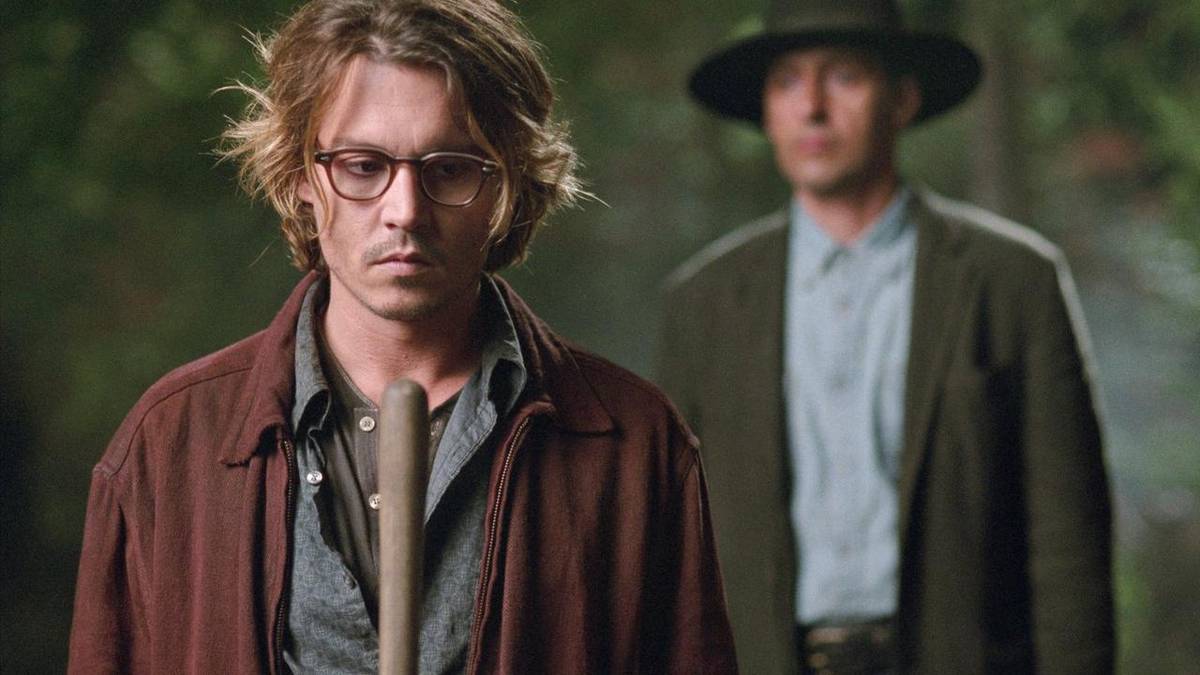
Directed and written by David Koepp, a filmmaker well-versed in building tension through claustrophobic environments and psychological unease following his work on Stir of Echoes and Panic Room, Secret Window centers on Mort Rainey, a successful fiction writer who is trying to pick up the pieces of his life after a bitter, emotionally draining divorce. Seeking a sanctuary where he can find peace and focus on his craft, Mort retreats to his secluded, rustic lakeside home nestled in the picturesque yet isolating landscape of upstate New York. He hopes that the quiet surroundings will quiet his mind and allow him to return to writing.
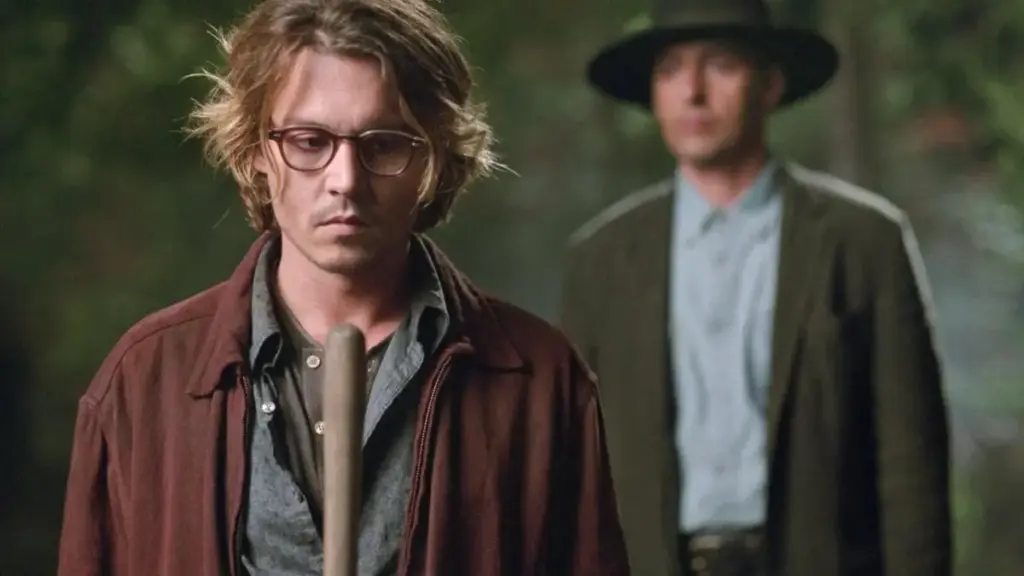
However, Mort’s hard-earned solitude is short-lived. His fragile peace is shattered by the arrival of a mysterious, slow-talking stranger named John Shooter, portrayed with eerie intensity by John Turturro. Dressed in a dark suit and wearing a wide-brimmed hat that casts a shadow over his weathered face, Shooter confronts Mort at his remote cabin with a shocking accusation: he claims that Mort plagiarized one of his short stories, stealing the fundamental plot and characters as his own.
Initially, Mort brushes off the encounter as the rantings of an unhinged eccentric or a disgruntled local. He attempts to reason with the man, offering to fetch old magazines and publication records to prove that his story was written and published long before Shooter claims to have conceived his version. But Shooter refuses to be reasoned with. As the days pass, the mysterious visitor grows increasingly menacing and volatile, demanding justice for the alleged literary theft and escalating his intimidation tactics.
As the confrontation intensifies and deeply disturbing, unexplainable incidents begin to pile up around the property, Mort finds himself fighting a losing battle to establish what is actually happening in the physical world around him. Unlike many of Stephen King’s most famous cinematic adaptations, which rely heavily on supernatural monsters, otherworldly forces, or explicit gore, Secret Window constructs its horror almost entirely around psychological tension. The remote, echoing setting of the lakeside cabin, the increasingly erratic behavior of the protagonist, and the slow-burning accumulation of paranoia combine to forge a narrative where the fragile boundary between objective reality and internal delusion becomes nearly impossible to discern.

Despite having developed a dedicated cult following among hardcore Stephen King enthusiasts over the years, the film’s initial critical reception was somewhat mixed compared to the author’s most universally celebrated cinematic outings. Upon its release in the spring of 2004, Secret Window garnered a 46% approval rating from critics on Rotten Tomatoes, though audiences were noticeably more receptive, awarding the film a more favorable 65% score. Critics at the time generally lauded Johnny Depp for his quirky, unhinged performance as a man slowly unraveling at the seams, while frequently arguing that the narrative lost some of its structural momentum and pacing as it hurtled toward its explosive conclusion.
Even so, those mixed historical reviews have done nothing to diminish the film’s enduring appeal to modern viewers who have a distinct appetite for psychological thrillers rooted in mental deterioration. Johnny Depp brings a palpable, increasingly frantic energy to the role of Mort Rainey, capturing the jittery desperation of a creative mind pushed past its absolute breaking point. Opposite him, John Turturro delivers a chilling, understated performance as a relentless adversary who feels less like a real man and more like the physical manifestation of guilt and anxiety.
While Secret Window may not occupy the same upper echelon of critical acclaim as cinematic masterpieces like The Shining or The Shawshank Redemption, its rich atmosphere of paranoia, creeping dread, and intellectual mystery provides a compelling alternative to the more overt supernatural horror narratives that typically dominate Stephen King’s expansive screen legacy. As its current placement on streaming charts demonstrates, compelling storytelling and strong central performances can easily help a forgotten thriller find a brand-new lease on life years after it first arrived in theaters.