

Back in early 2006, producer and creator J.J. Abrams was riding an unprecedented wave of cultural dominance. His acclaimed spy thriller series Alias was preparing to wrap up its successful run, Lost had firmly cemented itself as a worldwide pop-culture phenomenon, and Abrams was traveling the globe to promote his feature directorial debut, Mission: Impossible 3. Yet, despite a schedule that would exhaust most creators, Abrams was actively looking for his next big project, setting into motion a cinematic experiment that would redefine the monster movie genre for a new generation.
The genesis of what would become Cloverfield arrived during that promotional tour for Mission: Impossible 3. While visiting Japan, Abrams took a trip to a local toy store with his young son. Browsing the aisles, Abrams found himself searching for Godzilla toys, hoping to capture a specific type of cinematic threat. He realized he wanted to create "our own monster"—something distinctly modern, insane, and intense—rather than relying on King Kong, a character he affectionately described as "adorable." Inspired to bring a fresh, terrifying creature to the screen, Abrams decided he would make a movie about one.
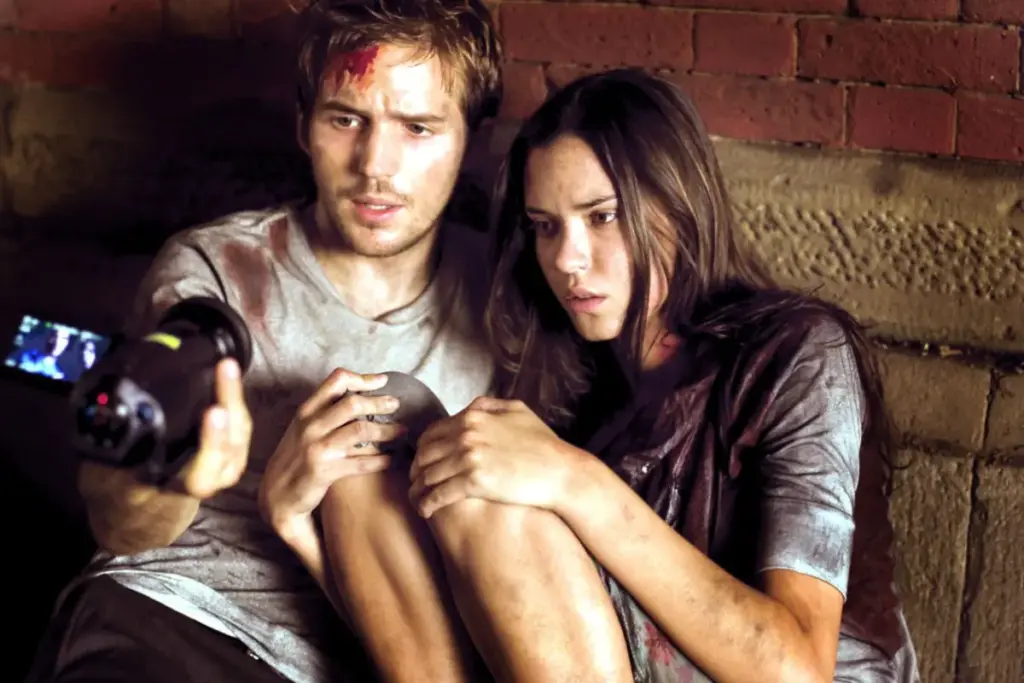
Upon returning to the United States, Abrams set the production wheels in motion. He tapped Lost writer Drew Goddard to pen the screenplay and brought in his longtime collaborator Matt Reeves to direct. The marketing campaign for the project remains the stuff of legend. The very first teaser trailer materialized seemingly out of nowhere, attached to screenings of Transformers in July 2007. Later that summer, at Paramount’s explosive panel at San Diego Comic-Con, Abrams unveiled a provocative teaser poster featuring the decapitated head of the Statue of Liberty looming ominously over a smoke-choked New York City skyline. There was no title, no recognizable actors featured on the one-sheet, and only a stark release date: January 18, 2008.
Remarkably, this reveal happened during the exact same convention panel that showcased early footage from major blockbusters like Iron Man, Indiana Jones and the Kingdom of the Crystal Skull, and Abrams’ own upcoming live-action Star Trek reboot. Love or hate some of his more polarizing subsequent projects, Abrams has always understood how to manufacture mystery and feverish anticipation. Cloverfield, which is newly streaming on Peacock alongside availability on Paramount Plus and free-with-ads platforms like Pluto TV, stands as a testament to that hype, proving itself worthy of the enduring fascination it generated nearly two decades ago.
What is Cloverfield about?
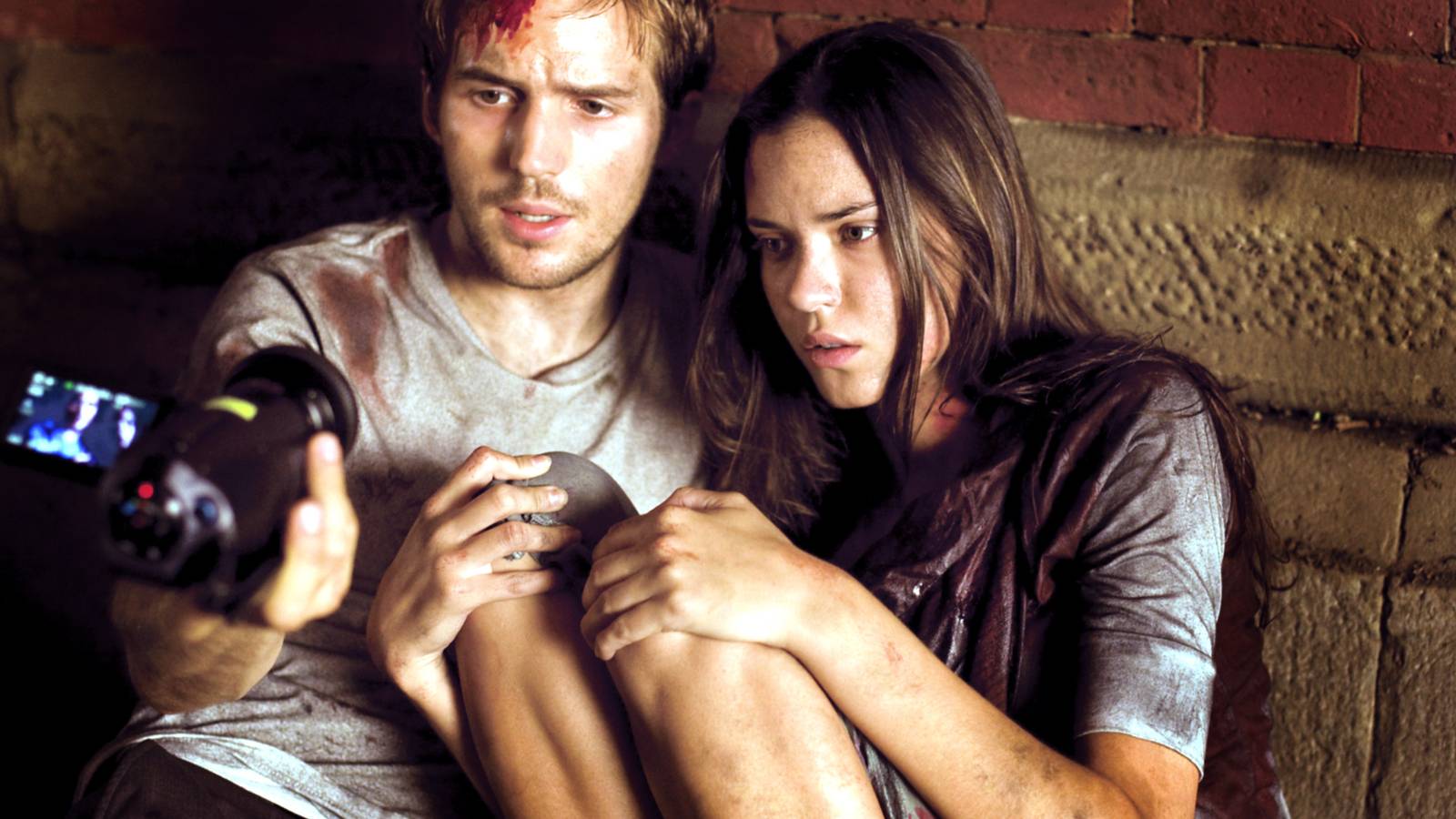
The easiest and most effective way to describe Cloverfield is as a seamless, high-concept marriage of found-footage horror—in the vein of The Blair Witch Project—and a traditional Japanese kaiju creature feature. A massive, destructive monster suddenly attacks New York City, but the narrative unfolds entirely through the digital video footage recorded on a personal, handheld camcorder. This creative choice allowed the filmmakers to experiment brilliantly with the movie’s structure and perspective.
The film technically opens with cryptic, classified military footage that establishes the framing device: we are viewing official evidence recovered by the U.S. Department of Defense. A title card notes "multiple sightings" of a hostile entity designated under the case name "Cloverfield," adding that the digital camera was successfully retrieved at an incident site formerly known as Central Park.
Right away, this framing spells inescapable disaster, but the film immediately pivots backward in time to a charming, ordinary date between Rob, played by Michael Stahl-David, and Beth, played by Odette Annable, as they travel out to Coney Island. The vast majority of the story takes place roughly a month later, as Rob prepares to pack his bags and leave New York City behind for a prestigious new career opportunity in Japan.
During a sprawling going-away party thrown by his friends, various attendees record farewell messages for Rob on the camcorder. Underlying the festive gathering is palpable tension, specifically Rob’s complicated, unresolved romantic history with Beth. Frustrated by how the evening is unfolding, Beth decides to leave the party early. Little do any of the guests know, the trajectory of their evening—and their lives—is about to shift from social awkwardness to sheer terror.

Moments later, a massive explosion illuminates the Manhattan skyline, the power grid fails, and the city begins to unravel into chaotic pandemonium. Driven by loyalty and panic, the remaining partygoers set out into the darkening streets to find Beth and ensure she survived the blast.
This grounded setup gives Cloverfield a uniquely intimate, human scale. This is essentially a massive Godzilla-scale disaster movie filtered down through the narrow, panicked perspective of a handful of young adults trying to navigate a familiar metropolis using equipment they already happened to be holding. When Rob and his friends first spot the distant explosion, they are standing casually on a rooftop. Having lived in New York City myself, the vibe of that scene resonates deeply: a relaxed evening above the bustling street, watching the urban landscape hum along. Then, the shockwave arrives, sending chunks of flaming debris hurtling through the air toward them. The emotional impact lands so effectively precisely because the film allows the scene to begin so mundanely.
A shaky camera with a clear view of the story
The visual style throughout Cloverfield relies heavily on shaky-cam cinematography. Even back in 2008, that particular aesthetic choice felt somewhat familiar to horror audiences, but within this context, it serves a vital purpose. The camerawork remains coherent enough to keep the geography of the city and the escalating stakes crystal clear, while the breakneck narrative pace works wonders for audience engagement. Clocking in at a brisk 85 minutes, the film wastes zero time getting bogged down in the traditional limitations of the found-footage genre or over-explaining heavy lore and mythology. Viewers never receive a comprehensive, perfectly lit look at the monster as it rampages through the metropolis. Instead, the narrative stays laser-focused on ordinary humans struggling simply to stay alive as cataclysmic explosions rock the surrounding blocks.
At a memorable point early in the film, the severed head of the Statue of Liberty crashes violently into a crowded Manhattan street. In response, characters instantly whip out their phones and camcorders to record the spectacle rather than fleeing in absolute terror. In hindsight, this specific behavioral detail feels remarkably prescient for our modern digital age, even if it felt slightly comical or satirical back in 2008.
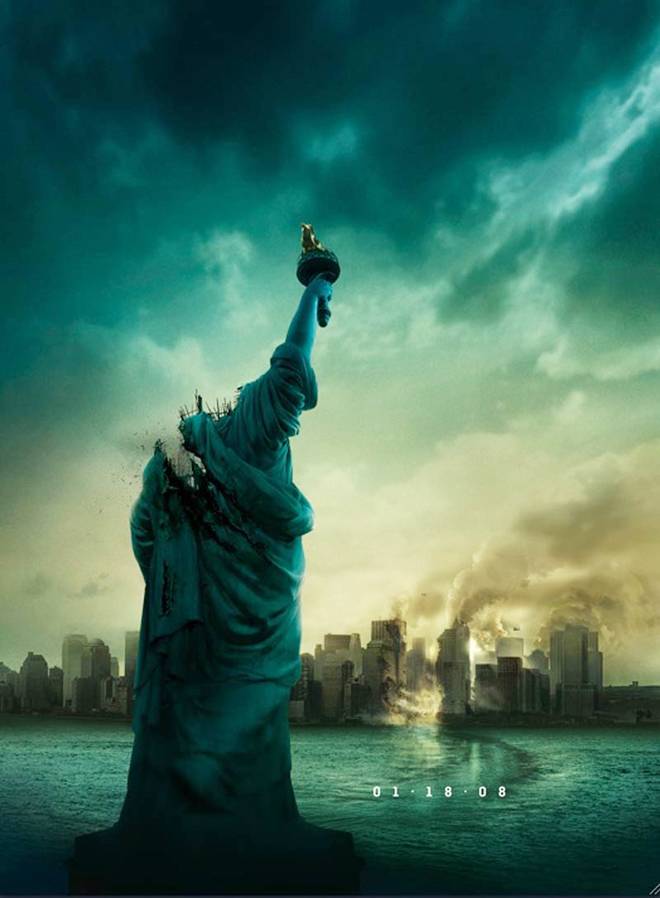
Similarly, the film addresses the inevitable question that plagues every found-footage narrative: Why would anyone keep filming while a terrifying monster is tearing through Manhattan and actively jeopardizing their safety? Hud, played by T.J. Miller, who acts as the party’s designated documentarian, believes he catches the creature on tape early in the chaos and impulsively decides to keep rolling. While it functions as a narrative convenience, it gives the footage a distinct motivation beyond the production’s need to keep a camera running. As the crisis deepens, that compulsive human impulse to document the unimaginable begins to feel chillingly believable.
What ultimately lingers longest after the credits roll is how Rob and Beth’s relationship remains a vital anchor for the story without ever overshadowing the disaster itself. His decision to relocate to Japan had driven a wedge between them, likely explaining his hesitation to pursue a romance following their initial connection. The catastrophic event forces them into a desperate race to find one another, allowing the romance to pull gently at the heartstrings without pumping the brakes on the relentless action. As they face the end together, their personal narrative adds a profound ache to the surrounding spectacle.
Looking back, Cloverfield remains a singular achievement in modern blockbuster filmmaking. While subsequent projects bearing the franchise name took vastly different sci-fi and horror directions—frequently lacking any coherent narrative connection to the original, including The Cloverfield Paradox—the original film stands alone. Its ultimate trick lies in its refusal to give the audience the whole picture, opting instead to deliver just enough terror to make viewers feel what it genuinely would be like to experience the unthinkable firsthand.