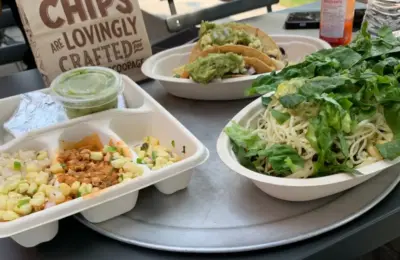


Constructing the perfect order at Chipotle may require significantly more research and nutritional planning than it does at the average fast-casual restaurant. With an immense number of customization options laid out across the restaurant’s iconic burrito bar, the challenge is not merely a matter of putting together a dish that satisfies the palate, but rather finding the right nutritional balance to suit individual health and wellness goals. For a long time, protein has reigned supreme as the ultimate dietary buzzword, influencing marketing campaigns, menu additions, and consumer habits alike. However, that steadfast focus is now shifting toward a new wellness movement known as fibermaxxing.
Recent nutritional studies and public health data increasingly show that while the average American consumes more than enough protein to meet daily physiological requirements, a staggering majority fall significantly short when it comes to daily dietary fiber intake. This widespread fiber deficit has prompted diners to rethink how they navigate casual dining establishments. At a popular chain like Chipotle, the first definitive step toward remedying this nutritional imbalance involves pivoting away from standard meat choices and opting for an entrée centered strategically around sofritas and pinto beans.
The protein selection is arguably the single most important decision a customer makes when constructing a meal at Chipotle, as virtually every other ingredient can be tailored around that initial choice. Sofritas stand out as the standard meatless option on the menu, crafted from plant-based proteins that are thoroughly braised with a blend of savory spices, aromatic vegetables, chipotle peppers, and poblano peppers. Beyond offering a rich, complex flavor profile that appeals to both vegetarians and meat-eaters alike, sofritas deliver a nutritional advantage that traditional meats struggle to match. A standard four-ounce serving of sofritas contains three grams of dietary fiber, making it by far the highest-fiber protein option available at the counter. For comparison, the restaurant’s steak and barbacoa each provide just one gram of fiber per serving, while the popular chicken and carnitas options offer zero grams of fiber entirely.
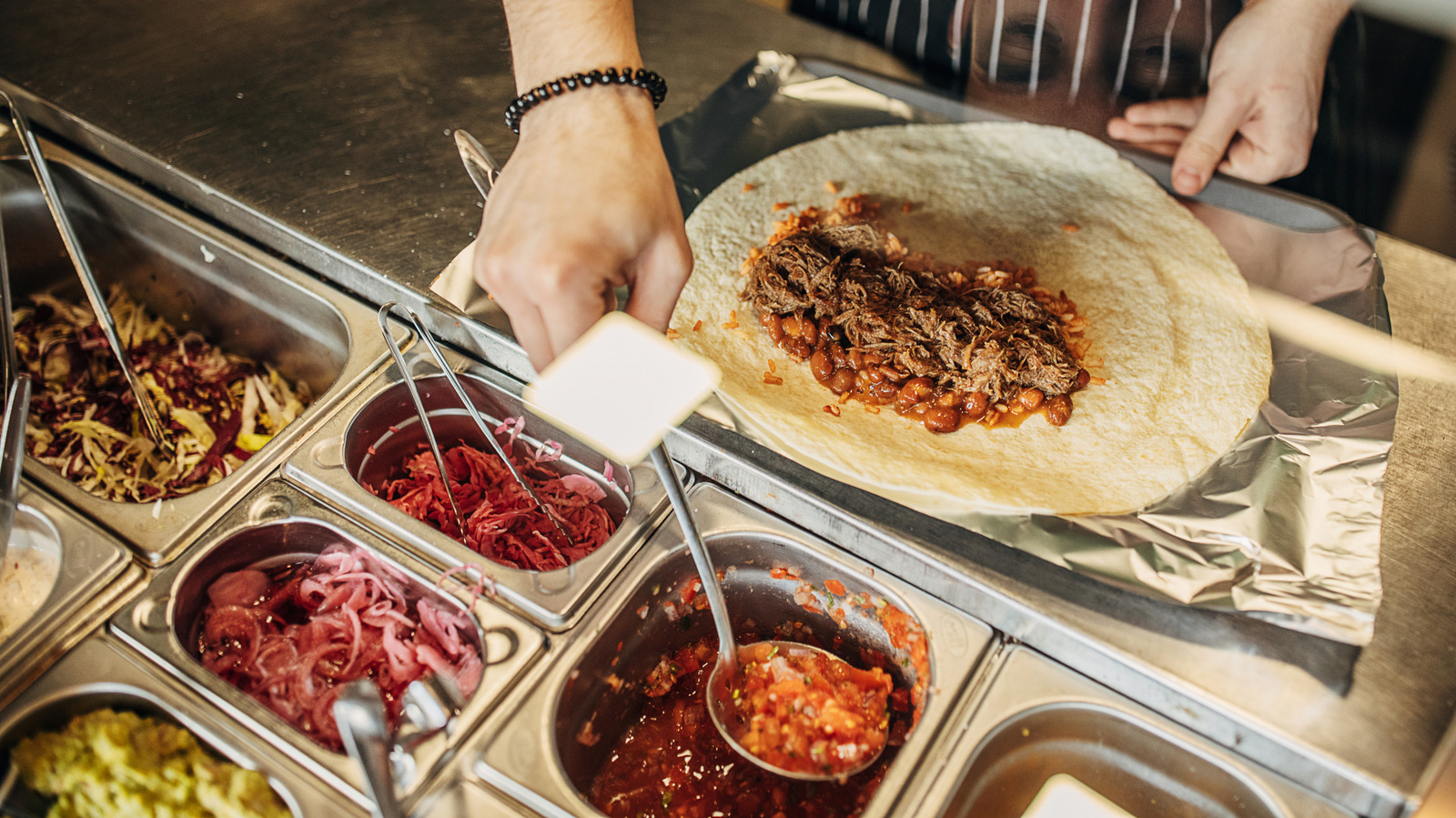
While the plant-based protein sets a strong baseline, the true heavyweight champion of the fiber category at Chipotle is found in the bean selection. Pinto beans emerge as the highest-fiber option across the entire menu, coming in at an impressive eight grams of dietary fiber per four-ounce serving. Black beans trail closely behind, boasting a respectable seven grams per serving. For diners who are actively attempting to maximize their fiber intake—or fibermaxxing—basing an entire burrito, bowl, or salad around a combination of sofritas and pinto beans provides an immediate, solid foundation of eleven grams of dietary fiber before a single topping or side has even been added to the container.
Further Boosting the Fiber of Your Chipotle Order
To put that initial eleven-gram foundation into perspective, the U.S. Food and Drug Administration suggests consuming roughly 28 grams of fiber per day as part of a standard 2,000-calorie diet. By simply selecting sofritas and pinto beans for the base of a meal, a diner covers approximately 40 percent of that daily recommended nutritional goal in a single sitting. That being said, the composition of the rest of the Chipotle order plays a crucial role in determining the final nutritional tally. Rice, for instance, forms the volumetric base of many traditional orders across the country. While there is some room to maneuver here to improve fiber content, the gains are relatively modest depending on the specific variety chosen.
Standard white rice contains only one gram of dietary fiber per serving, whereas brown rice steps up slightly to offer two grams. Interestingly, the standard flour burrito tortilla actually contributes a notable three grams of fiber on its own. Consequently, ordering a sofritas and pinto bean burrito wrapped in a tortilla with a scoop of brown rice pushes the running total up to 16 grams of fiber before looking at vegetables or toppings.
Moving further down the service line, the remaining ingredients offer various ways to compound those nutritional benefits without significantly driving up calorie counts. Romaine lettuce and fajita vegetables each provide just one gram of fiber per serving, but with a meager five and twenty calories respectively, they offer exceptional fiber-to-calorie ratios that align well with health-conscious dining. Opting for the corn salsa can also make a substantial difference in the final calculation, with each scoop contributing another three grams of fiber to the dish. Meanwhile, the fresh tomato salsa and the red tomatillo salsa each contribute an additional gram of fiber.
Finally, the restaurant’s signature guacamole acts as a potent finishing touch. Adding guacamole as a topping increases the overall fiber content of the meal by a remarkable six grams, providing a rich source of healthy fats that almost certainly justifies the additional menu upcharge for many customers.
When thoughtfully combined, a Chipotle order featuring sofritas, pinto beans, brown rice, lettuce, fajita vegetables, corn salsa, and guacamole firmly establishes itself among the best high-fiber fast-food items available in the modern dining landscape. By understanding how to navigate the customization options and leveraging ingredients that naturally pack a nutritional punch, diners can assemble a meal that delivers roughly 27 grams of fiber. That impressive total equates to over 95 percent of the FDA’s daily recommended fiber intake, all accomplished within the span of a single fast-casual meal.