
MADRID — In a landmark development for modern medicine, the European Society of Cardiology (ESC) has issued its first-ever set of comprehensive guidelines dedicated specifically to the management of cardiovascular disease running concurrently with chronic kidney disease. Developed in close partnership with the European Renal Association, these pioneering recommendations were officially published in the European Heart Journal and formally presented to medical professionals and researchers from around the globe at the highly anticipated ESC Congress 2026.
The introduction of these guidelines marks a major shift in how healthcare providers view the intricate, often devastating interplay between cardiac and renal pathologies. Chronic kidney disease, clinically defined as structural or functional abnormalities of the kidneys that persist for three months or longer and impact overall health, is a staggering public health challenge. Across Europe alone, an estimated 100 million people are currently living with CKD. Beyond the direct toll that kidney decline takes on the human body, the condition dramatically amplifies an individual’s vulnerability to developing a wide spectrum of severe cardiovascular diseases, creating a compounding medical crisis for millions of patients.
The Dangerous Link Between Heart and Kidney Disease
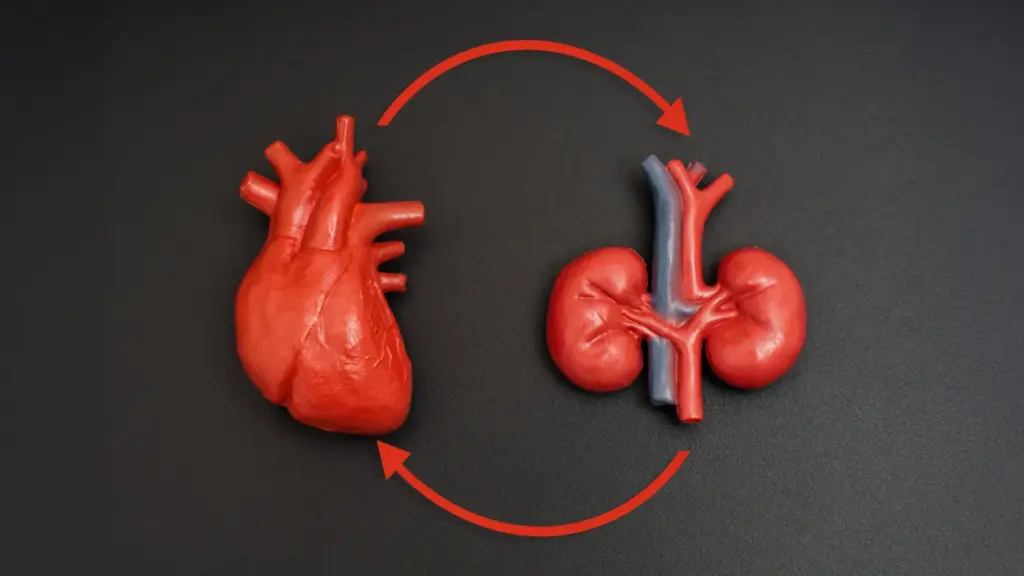
To understand the urgency behind the new guidelines, medical experts point to the profound physiological feedback loop that exists between the heart and the kidneys. The health of one organ is inextricably tied to the other, meaning that a failure in one system rapidly accelerates pathology in the other.
"The disability and lifetime lost to each disease are profound, but CKD can accelerate CVD and vice versa, resulting in cardiovascular events and the need for dialysis much earlier in life," explained Task Force Chair Associate Professor Kevin Damman, a specialist from the University Medical Centre Groningen in the Netherlands. Despite the severity of this interconnected decline, Professor Damman offered an encouraging perspective on the current therapeutic landscape. "The good news is that there have been major advances over the last few years, which mean there are now several simple treatments that can substantially lower the risk of both cardiovascular and kidney complications."
Because heart disease and kidney disease so frequently manifest in the same patients, the newly minted guidelines place a heavy emphasis on early detection. Specifically, the document urges physicians to actively screen for kidney abnormalities much earlier in individuals who are already receiving treatment for existing cardiovascular conditions.
Echoing this sentiment, Task Force Chair Professor William Herrington from the University of Oxford in the United Kingdom highlighted the operational gap that currently exists in routine clinical practice. "Many patients with CKD are treated by the cardiology community and the new ESC Guidelines aim to increase the use of kidney function and urine albumin testing in patients with CVD," Professor Herrington noted. "With improved screening, more at-risk patients can be identified, and the most appropriate treatments for both CKD and CVD can be prescribed."
A New STAMP on CKD Strategy
To help clinicians organize and implement these multifaceted recommendations efficiently, the joint Task Force established a specialized framework summarized by the acronym "STAMP on CKD." This memory aid breaks down the comprehensive strategy into five core pillars: Screen, Triage, Address CKD Risk, Modify CVD management, and Plan health services.
Screening forms the foundational first line of defense in the new strategy. Under the guidelines, clinicians are strongly advised to test every single patient diagnosed with cardiovascular disease for underlying chronic kidney disease at the time of their initial CVD diagnosis. This vital diagnostic protocol involves routine blood and urine testing, specifically calculating the estimated glomerular filtration rate using blood creatinine levels alongside assessing the urine albumin-to-creatinine ratio.
Once screening has flagged potential abnormalities, the triage phase takes over. This stage focuses on evaluating the precise likelihood that a patient will progress to complete kidney failure, while simultaneously reassessing their overarching cardiovascular risk profile. To achieve this, the guidelines advocate for the use of validated risk-scoring tools that explicitly incorporate measures of renal function into their calculations rather than treating cardiac and renal metrics in isolation.
Earlier Treatment Could Reduce Complications
With patients accurately screened and triaged, the next operational priority is aggressively addressing identified risks through the early introduction of proven, cost-effective therapies. According to the task force, timely pharmacological intervention is critical for slowing the inexorable progression of chronic kidney disease while simultaneously shrinking the statistical probability of acute cardiovascular events like heart attacks and strokes.
"Early use of drugs called RAS inhibitors and SGLT2 inhibitors alongside statin-based therapy are particularly important and effective," explained Associate Professor Damman, detailing the pharmacological backbone of the new treatment recommendations.
Furthermore, the guidelines provide vital instructions regarding the adjustment of standard cardiovascular regimens when applied to individuals who already exhibit compromised renal function. Because reduced kidney function inherently impairs the body’s physiological capacity to clear certain pharmaceutical compounds, the recommendations offer nuanced guidance on which treatments remain safe and effective when traditional therapeutic options are no longer appropriate or safe to administer.
Coordinating Heart and Kidney Care
The final segment of the STAMP on CKD strategy addresses the structural organization of healthcare services. The goal is to ensure that patients identified as being at the highest risk can be recognized swiftly and routed toward coordinated, timely care delivered jointly by cardiologists and nephrologists.
"Active and efficient communication between specialties is often necessary due to the complexities associated with CKD," Professor Herrington observed, emphasizing the necessity of breaking down traditional medical silos. "Engagement of patients and family/caregivers in the multidisciplinary care process also helps to ensure patients’ priorities are met, improve their experience and promote patient-centered care."
To support this patient-centered philosophy, the development team has also produced a dedicated patient version of the guidelines. This complementary resource is designed to help individuals diagnosed with these conditions better understand their health status, demystify complex medical terminology, and participate more confidently in shared decision-making processes with their healthcare providers.
In their concluding remarks, the Task Force Chairs reiterated the immense societal and individual stakes involved in managing these intertwined pathologies. Cardiovascular disease and chronic kidney disease remain major, compounding burdens on patients, healthcare systems, and society at large. The leadership of the ESC and the ERA hope that the release of these guidelines will serve as a definitive call to action, demanding the attention of all relevant healthcare stakeholders and policymakers while sparking new targeted research to fill remaining gaps in clinical evidence. By raising widespread awareness, the medical community aims to drive meaningful, lasting improvements in the quality of life and long-term prognoses for millions of individuals living with, or at risk of, both cardiovascular and chronic kidney disease.