When shopping for an Apple Watch, deciding on a color, case size, and band style are just the surface-level choices consumers face. A more fundamental decision lies beneath the aesthetics: choosing between the standard GPS model and the GPS + Cellular variant. While both versions share the core functionality that has made the device a dominant force in the wearable market—offering robust health monitoring, reliable workout tracking, and seamless integration with the Apple ecosystem—the cellular model introduces a layer of independence that changes how a user interacts with their technology.
For many buyers, the core question is whether the ability to leave the iPhone behind justifies the additional financial investment. While the idea of cutting the digital tether is appealing, the reality of cellular connectivity on a wrist-worn device comes with specific trade-offs regarding cost, battery endurance, and daily utility. Understanding these differences is essential for anyone trying to determine whether the extra money for cellular is truly worth it for their lifestyle.
Choosing Between an Apple Watch GPS and GPS + Cellular
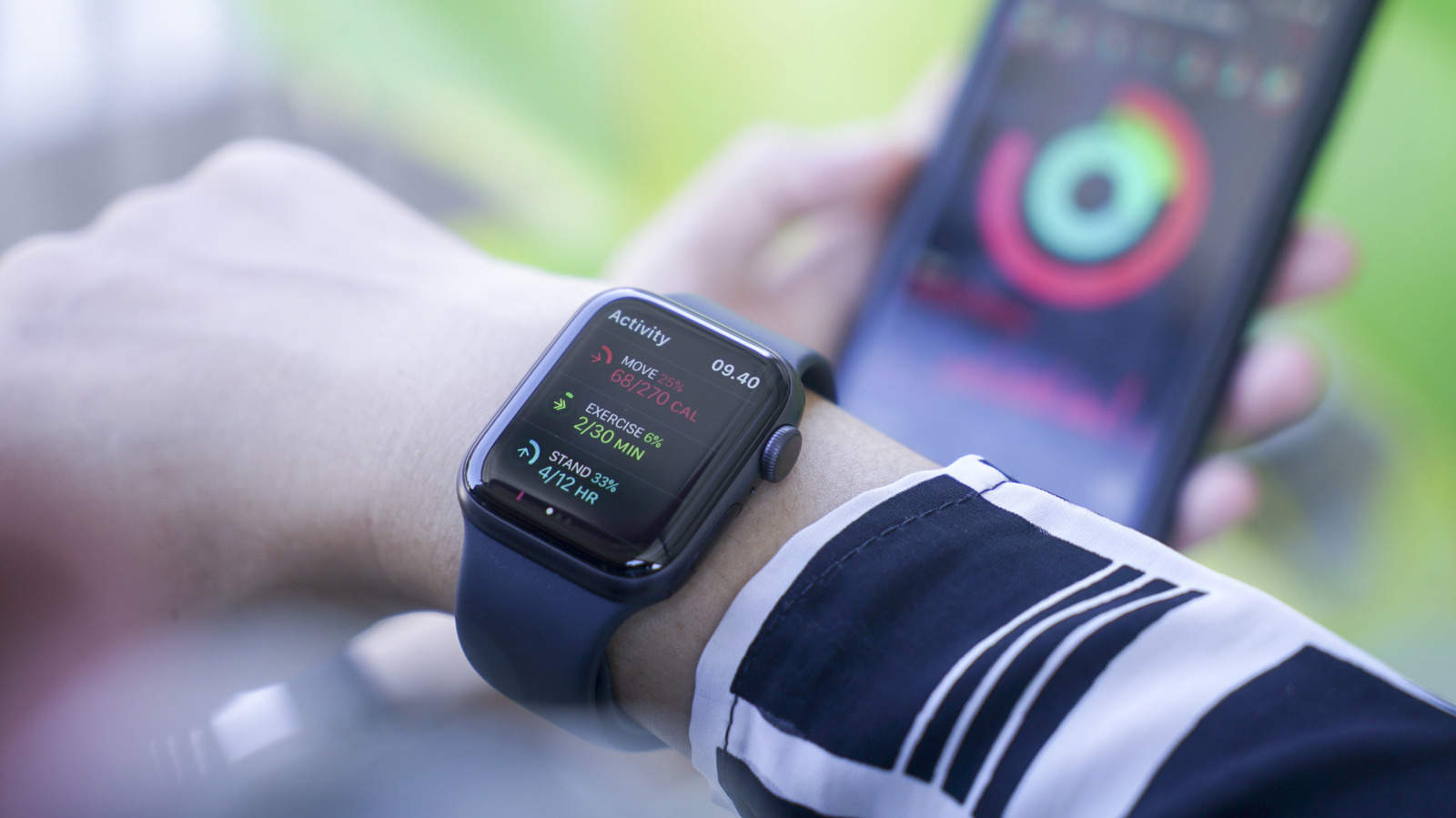
By design, the Apple Watch was conceived as a companion device, deeply reliant on the iPhone to function at its full potential. For the earliest iterations of the smartwatch, a nearby iPhone was mandatory for almost every digital task outside of local fitness tracking. However, the introduction of cellular connectivity with the Apple Watch Series 3 fundamentally altered that dynamic, serving as the missing piece needed to bridge the gap toward device independence.
The integration itself is designed to be frictionless. Rather than requiring a complicated setup process or a separate phone number for the watch, a cellular Apple Watch connects automatically to the primary SIM card and cellular plan residing in the user’s paired iPhone.
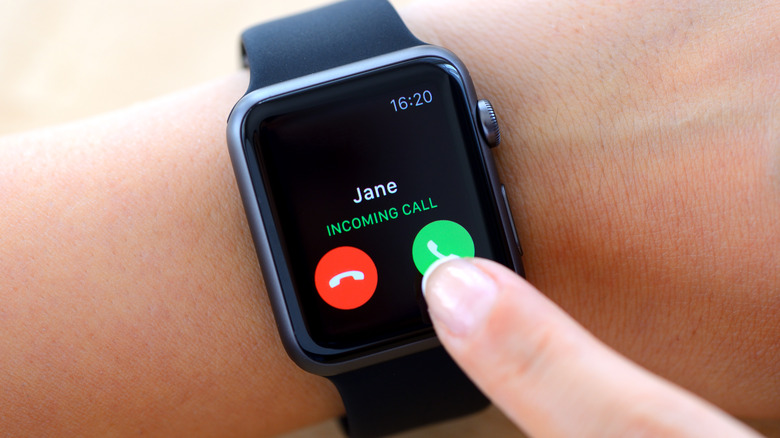
Once activated, a cellular Apple Watch delivers virtually identical performance to its GPS-only counterpart, but with one critical distinction: users can perform all standard Apple Watch tasks without needing to carry an iPhone in a pocket or a bag. Sending and receiving text messages, answering phone calls on the go, checking incoming app notifications, and streaming music directly from the wrist become entirely feasible tasks over a 4erg or 5G connection, depending on whether the user is wearing a Series 11 or later model.
This capability fundamentally changes how users move through their day. Having an Apple Watch GPS + Cellular offers the freedom to step away from home without a smartphone, whether for a quick errand, a neighborhood walk, or an outdoor exercise session where carrying a larger device is inconvenient or burdensome.
Furthermore, the cellular variant opens up unique use cases for families, particularly parents. Apple allows users to set up an Apple Watch for a child using a cellular model, a feature often managed through a parent’s iPhone. By utilizing this setup, children gain access to the safety and communication features of the wearable—such as location tracking, emergency calling, and direct messaging—without requiring parents to purchase a dedicated iPhone for them. It provides a practical communication bridge that keeps children in touch with family members while shielding them from the distractions commonly associated with smartphones and social media platforms.
A Few Things to Keep in Mind
Despite the appeal of untethered connectivity, opting for an Apple Watch GPS + Cellular involves several practical trade-offs that every potential buyer must weigh carefully. The most immediate and obvious factor is cost. Purchasing a cellular-enabled Apple Watch requires a higher upfront investment compared to the base GPS models.
For standard aluminum models, upgrading to a cellular configuration typically adds an extra $100 to the retail price. Meanwhile, higher-end variations, such as the titanium models and the rugged Apple Watch Ultra lineup, bypass this choice entirely by including cellular hardware as a standard, built-in feature. Beyond the initial hardware purchase, consumers must also factor in recurring monthly costs, as most major wireless carriers charge an additional monthly service fee to maintain the cellular line on the wearable device.
Beyond the financial considerations, battery performance remains a significant factor in daily use. Operating a cellular radio on a device as compact as a smartwatch demands substantial energy, causing the battery to drain much faster than it would under standard GPS-only operation. Because of this power consumption, the cellular feature is best viewed as a tool for short-term independence rather than an all-day replacement for a smartphone.
Users cannot realistically expect to leave their iPhone at home for an entire day of heavy usage—streaming media, managing constant notifications, and taking calls—without encountering battery depletion well before the day is over. For those who frequently find themselves away from their phones for brief intervals, the added convenience often outweighs these limitations. However, for users who always keep their iPhone within arm’s reach, the extra expense for cellular capability may ultimately prove unnecessary.