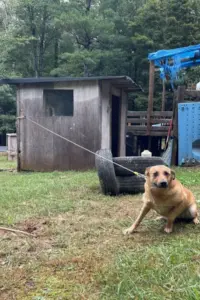


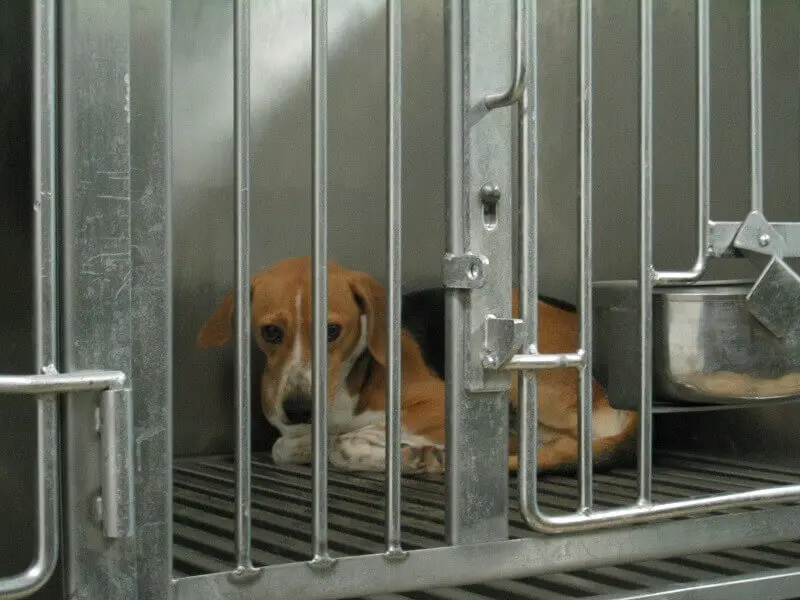
WASHINGTON — Every year, tens of thousands of vulnerable companion animals face a grim reality behind the locked doors of testing facilities across the United States. More than 42,000 dogs and approximately 12,000 cats are subjected to painful and often lethal experimentation inside U.S. laboratories. These animals, many of them trusting pets or purpose-bred creatures known for their gentle dispositions, endure a cycle of institutionalized suffering that critics argue has persisted for far too long without adequate oversight or justification.
Among canines, Beagles are overwhelmingly the preferred choice for laboratory experimenters. Their natural docility, forgiving nature, and small size make them easy to handle, manage, and confine in large numbers within research facilities. Once acquired, these animals are systematically subjected to a harrowing array of procedures. They are routinely sliced open during invasive surgeries, intentionally inflicted with debilitating and painful chronic diseases, or force-fed harmful chemical compounds to measure toxicity levels, alongside a laundry list of other experimental horrors.
The lifecycle of a laboratory dog or cat is defined by industrial-scale exploitation. They are bred in specialized facilities, sold to research institutions, and subjected to protocols that routinely torture them nearly to death. Once researchers have collected the necessary data, the animals are killed, and their organs are routinely harvested for further study or tissue analysis.
Feline subjects face a comparable fate within the scientific complex. Despite being known for their independence and sensitivity, approximately 12,000 cats are tormented in laboratories annually, enduring invasive neurological and pharmaceutical testing that mirrors the cruelty inflicted on their canine counterparts.
However, a bipartisan coalition of lawmakers is stepping forward to challenge the status quo. U.S. Representatives Nick Langworthy, a Republican representing New York’s 23rd congressional district, and Mark Pocan, a Democrat representing Wisconsin’s 2nd congressional district, have officially announced a legislative push aimed at halting this practice once and for all.
The two lawmakers have formally introduced the Companion Animal Protection Against Cruel Testing Act, widely referred to as the COMPACT Act. This groundbreaking piece of legislation is designed to fundamentally alter how federal tax dollars are allocated within the biomedical and scientific research sectors. If passed into law, the COMPACT Act would completely and permanently end the flow of federal funding for all experiments conducted on dogs or cats that are currently being financed by the Department of Health and Human Services.
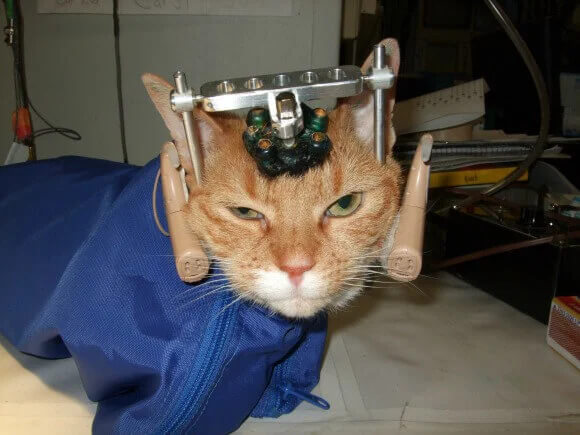
The sweeping prohibition would apply to a wide array of financial mechanisms utilized by the federal government to support scientific research. This means that all federal grants, research contracts, cooperative agreements, fellowships, training awards, and any other funding streams administered by the National Institutes of Health and other constituent agencies within the Department of Health and Human Services would be brought to an immediate halt regarding any project involving canine or feline subjects.
Supporters of the legislation argue that the utilization of dogs and cats in outdated laboratory procedures is not only ethically indefensible but also scientifically unnecessary, given modern advancements in alternative testing methodologies, computer modeling, and human-cell-based research platforms. By cutting off the financial lifeblood supplied by American taxpayers, the COMPACT Act aims to compel research institutions to transition toward humane, non-animal models.
What You Can Do
The introduction of the COMPACT Act places the issue squarely before the United States Congress, presenting lawmakers with a concrete opportunity to spare tens of thousands of dogs and cats from enduring pain and distress in laboratory settings. Animal welfare advocates and sponsors of the bill emphasize that public engagement will be critical in advancing the legislation through the committee process and onto the floor for a vote.
Citizens who wish to see an end to federally funded animal testing are being urged to take direct action by contacting their respective members of Congress. Expressing constituent support for the COMPACT Act can help build the necessary political momentum to challenge entrenched research lobbies and prioritize animal protection in federal spending bills.
Supporters are also encouraging grassroots outreach following the initial legislative announcement. By sharing information about the COMPACT Act with friends, family members, and local networks, advocates hope to amplify awareness surrounding the plight of laboratory animals and encourage broader civic participation in the campaign to pass the legislation.