



For twenty years, the Swiss biotechnology company Epithelix has stood at the forefront of global scientific innovation, championing human-relevant research that redefines modern toxicity testing. By pioneering advanced, human cell-based tissue models capable of replacing the use of animals in laboratories, the company has successfully guided safety assessment into the twenty-first century.
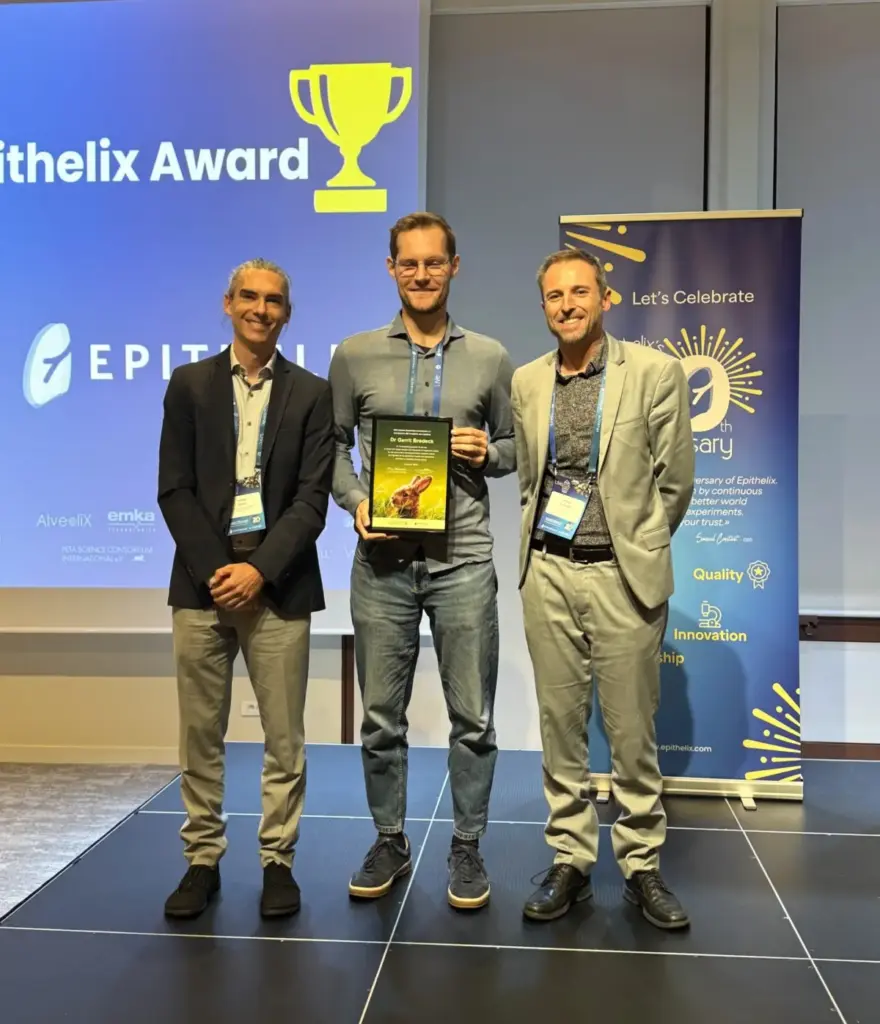
In recognition of this enduring dedication, the PETA Science Consortium International e.V. honored Epithelix at this year’s Lung In Vitro Event for Innovative and Predictive Models, widely known as LIVe. The prestigious accolade celebrated the company’s continuous excellence in advancing non-animal inhalation testing and its long-standing commitment to fostering superior, humane science within the international research community.
Epithelix specializes in developing sophisticated human cell-based respiratory tissue models that accurately mimic distinct regions of the human respiratory tract, ranging from the upper nasal passages to the deep lungs. These innovative, animal-free models provide scientists with vital tools to study a wide spectrum of complex respiratory conditions, including infectious diseases, chronic inflammation, tissue and wound healing, and inhalation toxicity. Furthermore, researchers utilize these advanced platforms to evaluate the safety and efficacy of an extensive array of substances, such as consumer cosmetics, pharmaceuticals, medical device extracts, industrial chemicals, agricultural pesticides, cigarette smoke, and everyday household products. Ultimately, these technologies help scientists answer critical public health and safety questions without causing harm to animals.
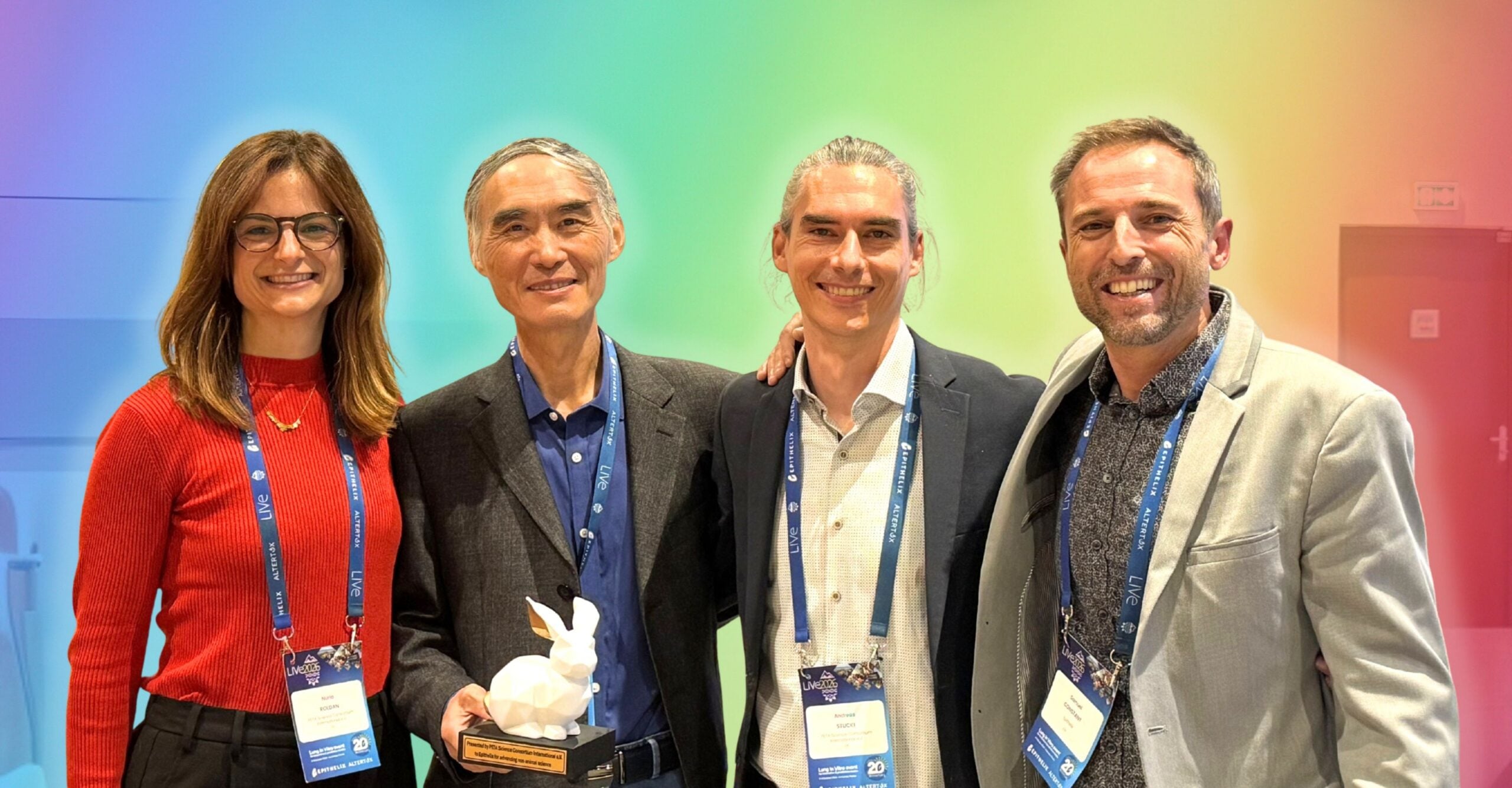
Beyond producing groundbreaking testing models, Epithelix has established itself as a major driving force behind the broader scientific transition toward non-animal methodologies. The company actively invests in the formal validation, comprehensive training, and global accessibility of non-animal technologies. This mission is reinforced through regular, collaborative efforts with the PETA Science Consortium International e.V., which include hosting hands-on technical workshops, distributing technology awards, and conducting cooperative testing initiatives to ensure laboratories worldwide can adopt humane practices.
This collaborative commitment is actively translating into tangible advancements for researchers across Europe and beyond. At this year’s LIVe conference, Epithelix and the Science Consortium jointly presented a notable award to a researcher at the prestigious Spanish National Research Council in Madrid, granting them free access to Epithelix’s advanced tissue models. The recipient will utilize these specialized tissues to investigate the complex biological effects of inhaled environmental pollutants on the human respiratory tract, ensuring the research closely mirrors real-world human exposure scenarios without relying on traditional animal subjects.
This year’s presentation marks the fourth time that the Science Consortium and Epithelix have teamed up to offer this competitive tissue award. The recurring initiative is designed to provide working researchers with direct, practical experience utilizing advanced human cell-based methods that serve as reliable, ethical replacements for conventional animal tests.
Through its ongoing innovations and collaborative partnerships, Epithelix continues to demonstrate that cutting-edge, high-impact science can be achieved by leaving animals out of the laboratory entirely. The company’s human-relevant technology offers a superior standard of research that benefits both human health and animal welfare.
Help Award More Gold Standard Science by Supporting the Science Consortium
For more than a decade, the PETA Science Consortium International e.V. has worked closely with industrial partners, academic institutions, and government regulatory agencies to actively replace the use of animals in mandatory toxicity testing. Through hands-on research projects, peer-reviewed scientific publications, and the organization and hosting of specialized training opportunities, the consortium continues to pave the way for a more ethical and scientifically accurate future in safety testing.