




The People for the Ethical Treatment of Animals (PETA) has expanded its scrutiny of the University of Washington’s neuroscience department, adding three prominent researchers to its controversial "Hall of Shame." The newly inducted scientists—Greg Horwitz, Robi Soetedjo, and Jonathan Ting—are facing severe criticism from animal advocacy groups over invasive and lethal brain experiments conducted on non-human primates and other animals at the institution.
According to public records and documentation obtained by PETA, the trio’s methodologies involve drilling directly into the skulls of monkeys, injecting foreign viruses into their brains, and enforcing severe food and water deprivation. These aggressive procedures often result in repeated, grueling surgeries that ultimately leave the animals either dead or suffering from significant, painful medical complications.
The extent of the researchers’ laboratory practices came to light following a brief review by the university’s animal oversight committee. The committee session briefly placed the scientists under internal scrutiny regarding their history of protocol violations and severe animal injuries. However, advocates argue that this momentary look into accountability was quickly neutralized by structural flaws within the university’s oversight framework, a system critics claim routinely grants researchers broad leeway to excuse animal suffering, chronic injuries, and subsequent deaths.
A History of Institutional Controversy
With these latest additions, Horwitz, Soetedjo, and Ting join a documented line of University of Washington animal researchers whose practices have drawn severe public and regulatory backlash. Among them is Michele Basso, the notorious former director of the primate center whose documented disregard for institutional rules led to an unprecedented suspension, banning her from utilizing animals in research for at least a year.
Public records detail a grim picture of the procedures overseen by Horwitz and Ting. In experiments directed by the pair, laboratory staff repeatedly drilled into the skulls of macaques, inserted rigid plastic probes deep into their head structures, and introduced viral vectors directly into neural tissue prior to terminating the animals. Furthermore, surgical logs indicate that experimenters repeatedly sliced into the backs of the subjects, frequently struggling to achieve proper closure of the surgical incisions.
Between 2020 and 2026, the researchers subjected 71 individual monkeys to intricate and devastating brain surgeries. The consequences for the animals were profound, frequently resulting in a loss of muscular control, severe tremors, physical weakness, depressive behaviors, extensive tissue swelling, and ultimately death. Statistical breakdowns of these procedures reveal that a staggering 41 percent of the monkeys involved suffered severe complications, defined broadly as physical injuries, secondary infections, and mortality. At least five of the animals required early euthanasia due to the severity of their condition, while others developed non-healing wounds that necessitated subsequent invasive surgeries to address the failing tissue.
During the university’s internal oversight meeting, Horwitz acknowledged that his team’s complication rate was significantly higher than the baseline averages observed at comparable research institutions. Despite this admission, he offered no concrete explanation for the disparity. More concerning to critics, the oversight panel declined to launch a formal investigation into why the complication rate at the facility exceeded typical industry standards.
In separate procedures led by Soetedjo, internal records show that laboratory personnel bypassed standard protocols by withholding food from a subject monkey. This tactic was deliberately employed to coerce compliance while training the animal to tolerate the restrictive, invasive physical restraints required during subsequent testing phases.
Decades of Federal Funding and Invasive Methods
The three researchers have built extensive academic careers spanning multiple decades, during which they have co-authored numerous publications and secured substantial financial backing. Collectively, the trio has raked in more than $25 million in grant funding from the National Institutes of Health (NIH) since 2020 alone, supporting a battery of tests utilizing monkeys and rodents.
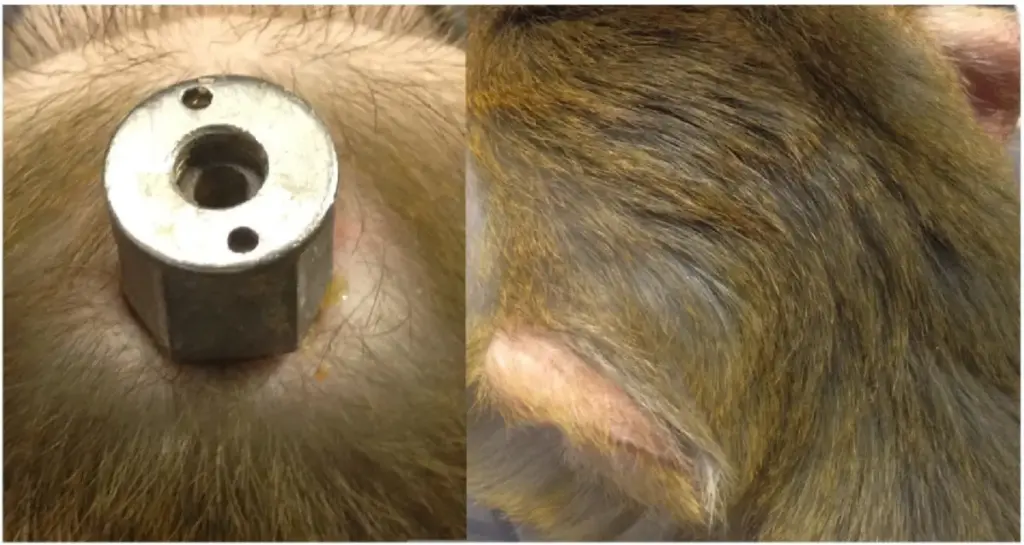
Horwitz, who holds the position of Chief of the Neuroscience Unit at the university’s regional primate research center, has spent nearly 30 years subjecting monkeys to invasive neurological testing. His work has historically involved slicing open primate skulls, anchoring metal hardware directly to bone, threading electrodes through complex neural pathways, and attaching specialized wires to the animals’ eyes to track movement and neural responses.
Soetedjo’s career in primate experimentation spans more than twenty years. A notable 2017 research paper co-authored by Horwitz outlines methodologies that involved injecting viral agents into the brains of live monkeys, directing intense light sources into their surgically exposed neural tissue to activate genetically modified cells, and forcing them to complete rigorous eye-tracking tests before ending their lives.
Ting’s research portfolio includes invasive surgical interventions on both mice and monkeys, encompassing virus-based brain injections. Ting has previously published descriptions celebrating a technique designed to harvest higher-quality fresh brain tissue samples. The procedure involves cutting open the chest of a live mouse, inserting a needle directly into the heart to drain the animal’s blood supply, and decapitating the subject with surgical scissors before cutting open the skull to extract the brain.
Additional documentation regarding Ting’s work describes bolting hardware directly to a monkey’s skull and surgically replacing the brain’s natural protective meninges with an artificial membrane. This modification was intended to provide researchers with repeated, direct access to the neural tissue. In separate tests involving mice, Ting utilized clear artificial skull caps, cemented headpost fixtures to the bone, and surgically removed portions of the skull. The mice were subsequently subjected to water deprivation protocols to ensure compliance during behavioral testing, followed by terminal brain probing and euthanasia.
Flawed Science and Discounted Subjects
Beyond the ethical debate surrounding animal experimentation, critics and animal welfare advocates argue that the neuroscience experiments conducted at the University of Washington are undermined by fundamental scientific flaws.
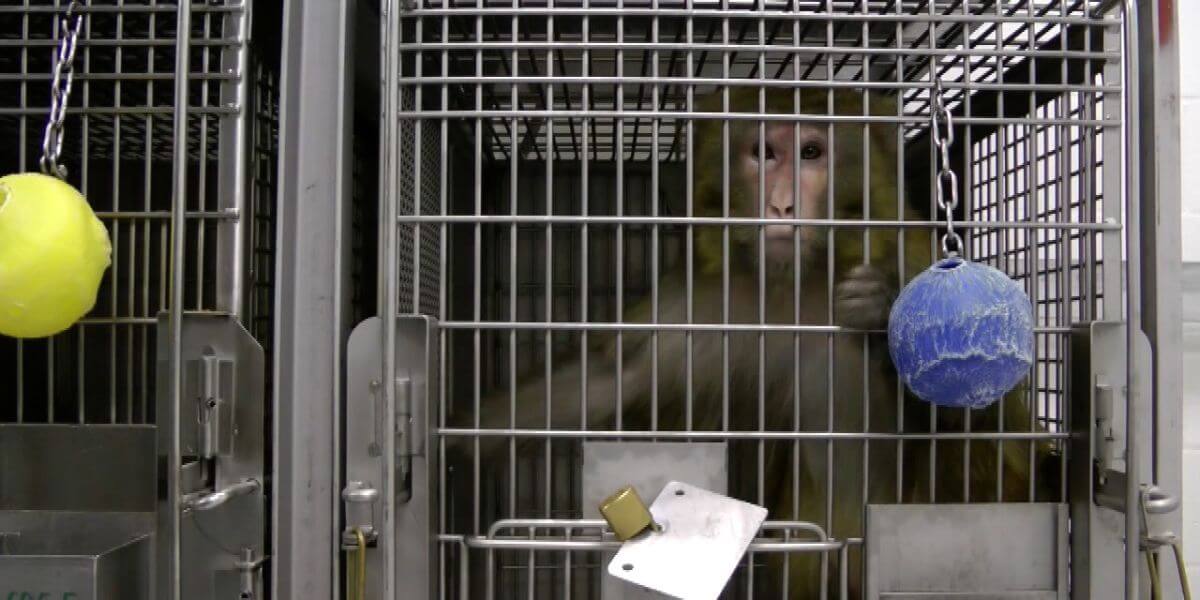
Internal documentation indicates that researchers frequently utilize what critics describe as "discounted" monkeys—animals with pre-existing health conditions or documented psychological trauma who are recycled from one experimental protocol to another. The inclusion of subjects with complex medical and psychological histories introduces significant biological variables that critics argue can compromise the validity and reliability of the research results.
In their brain injection studies, Horwitz and Ting specifically sourced animals from the primate center’s inventory of unwanted subjects. Many of these monkeys possessed documented histories of severe self-directed behaviors, such as over-grooming, alongside other psychological disorders stemming from long-term confinement in laboratory cages. Furthermore, records show that the two researchers injected the animals with viral preparations sourced from multiple vendors that were not manufactured to clinical-grade standards. This practice has been highlighted by oversight observers as a potential contributing factor to the severe and unexpected illnesses observed in the subjects following the procedures.
The Washington National Primate Research Center continues to operate as a major recipient of federal research dollars, drawing millions of dollars annually for projects that face intensifying scrutiny from welfare organizations demanding structural reform and the permanent closure of such facilities.