




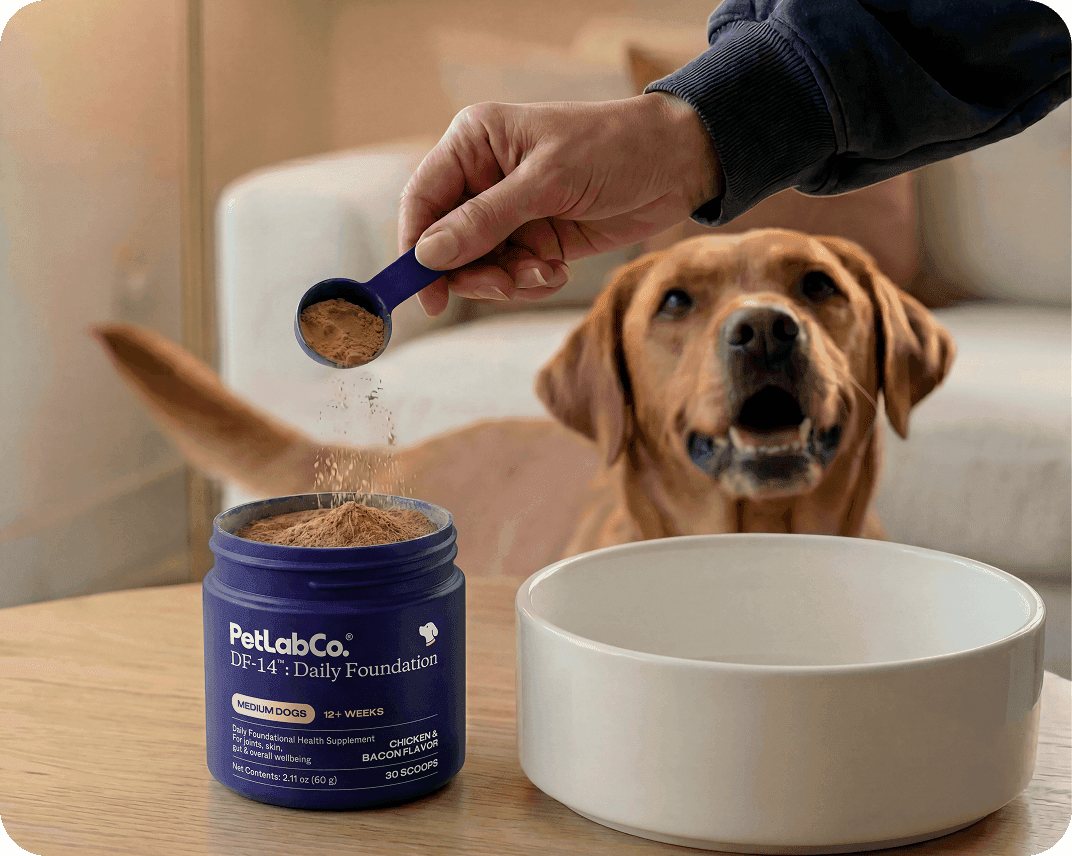
Integrating a probiotic powder into a dog’s daily mealtime routine can be an incredibly simple and natural way to support their overall well-being. For many pet owners, the process is straightforward: measure the designated serving, mix it thoroughly into the dog’s food, and ensure the dog finishes the entire supplemented portion. However, while the simplicity of a powder is highly appealing, commercial formulations differ significantly in their ingredients, concentrations, and target health areas. Some powders focus strictly on digestive support, while others integrate probiotics into a broader, multifunctional daily supplement.
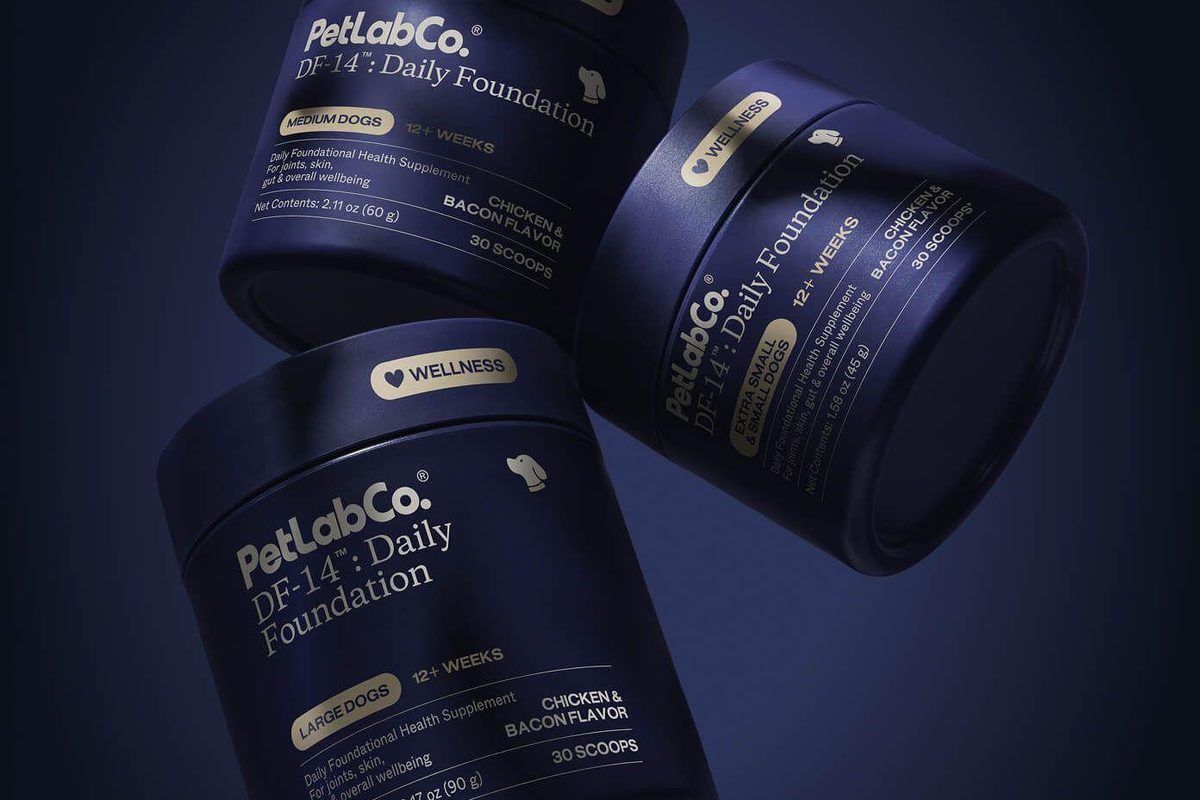
Among the options available to pet owners, PetLabCo.® DF-14 Daily Foundation represents the latter category. As a multifunctional daily powder, it combines a specific probiotic blend with a wide array of active ingredients designed to support multiple areas of canine health. Understanding how to compare different powder formulas, recognizing when a powder is preferable to a soft chew, and knowing what to verify before introducing a new supplement to a dog’s bowl are essential steps for any pet owner.
Probiotic Powders for Dogs Compared
To understand where different products fit into a dog’s care plan, pet owners must look closely at product labels, focusing on the specific organisms included, the colony-forming units (CFU) per serving, and any additional active ingredients.
PetLabCo.® DF-14 Daily Foundation
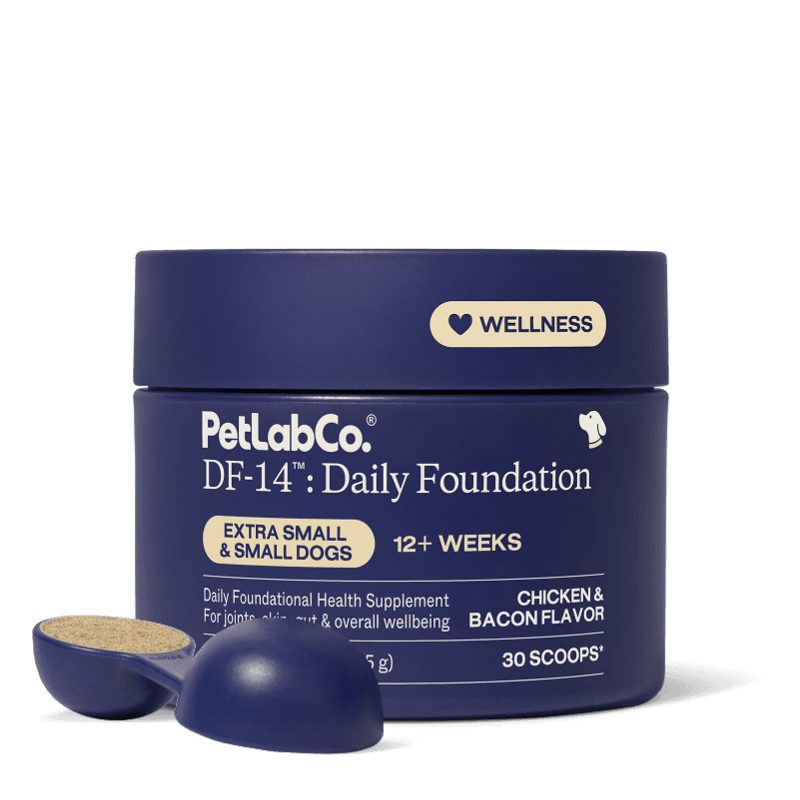
As a multifunctional daily supplement, PetLabCo.® DF-14 Daily Foundation is formulated to provide support across 14 distinct areas of canine health. Rather than acting as an isolated gut formula, its probiotic blend—consisting of Bacillus subtilis, Bifidobacterium animalis subsp. lactis, and Saccharomyces boulardii—is paired with a comprehensive suite of other active nutrients. Depending on the specific tub and scoop size used, it delivers between 14.5 million and 100 million CFU per serving.
Beyond its probiotic components, DF-14 contains eleven other active ingredients: krill, glucosamine, chondroitin, taurine, L-carnitine, astragalus, sodium hexametaphosphate, a postbiotic yeast blend, fructooligosaccharides (FOS), cranberry, lactoferrin, and vitamins C and E alongside beta-carotene. This product is labeled for dogs 12 weeks of age and older and features a chicken-and-bacon flavor. It utilizes a highly specific, weight-based serving system spread across Small, Medium, and Large tubs, each containing tailored scoops to ensure accurate dosing.
Native Pet Probiotic
In contrast to multifunctional formulas, Native Pet Probiotic is a gut-focused powder designed solely to target digestive health. It boasts a significantly higher probiotic concentration, delivering 6 billion CFU per scoop. The formula includes four distinct probiotic organisms: Bacillus coagulans, Enterococcus faecium, Bifidobacterium animalis, and Bifidobacterium bifidum.
To support these live microorganisms, Native Pet includes prebiotic fibers in the form of organic inulin derived from Jerusalem artichoke, as well as organic pumpkin seed. These ingredients are housed in a dehydrated beef-broth base, making it highly palatable for dogs. The manufacturer states this product is suitable for dogs over three months of age, with a recommended daily dosage of one four-gram scoop (roughly half a tablespoon) per 50 pounds of body weight.
Zesty Paws Probiotic Powder for Dogs
Another gut-only option is the Zesty Paws Probiotic Powder, which is uniquely packaged in single-serve, pre-measured sachets. This pumpkin-flavored powder provides 800 million CFU per serving, utilizing a simpler probiotic blend of Bacillus subtilis DE111 and the beneficial yeast Saccharomyces boulardii.
The active probiotic components are supported by prebiotics and dietary fibers, including inulin, flaxseed, and pumpkin powder. Marketed primarily for adult and senior dogs, this product offers convenience for owners who prefer to avoid measuring scoops. However, the manufacturer’s product page does not specify a precise minimum age or detailed weight-based serving guidelines, meaning dogs of all sizes receive the contents of one standard sachet.
Evaluating and Ranking Probiotic Powders
When ranking these powders, several critical factors must be evaluated: the transparency of the product label (including the specific organisms, CFU count, and secondary active ingredients), how clearly the recommended serving size scales with a dog’s body weight, the minimum age safety threshold established by the manufacturer, and the primary health goal the formula is designed to achieve.
PetLabCo.® DF-14 Daily Foundation stands out for owners seeking an all-in-one daily supplement. It is the only product among those compared that pairs a targeted, three-organism probiotic blend with broad, whole-body support, utilizing size-specific scoops and establishing a clear 12-week minimum age safety guideline. For owners who do not require multi-system support and are instead seeking dedicated, gut-only formulations, products like Native Pet and Zesty Paws offer tailored alternatives that focus exclusively on digestive wellness.
Understanding the Multifunctional Approach of DF-14 Daily Foundation
To determine whether a multifunctional powder like DF-14 Daily Foundation is appropriate for a specific dog, it is necessary to examine how its various components work together. Rather than focusing solely on the gastrointestinal tract, this formula is designed to support 14 distinct areas of health, including joint mobility, cardiac function, skin health, dental hygiene, and immune response.
The probiotic foundation of the powder relies on three primary organisms: Bacillus subtilis, Bifidobacterium animalis subsp. lactis, and the resilient probiotic yeast Saccharomyces boulardii. Additionally, the formula incorporates FOS (a prebiotic fiber that nourishes beneficial gut bacteria) and a postbiotic yeast blend. By combining prebiotics, probiotics, and postbiotics, the supplement addresses multiple stages of digestive health.
Surrounding this digestive core is a diverse selection of health-supporting nutrients:
- Joint Support: Glucosamine and chondroitin are included to help maintain healthy cartilage and joint mobility, which is particularly beneficial for active or aging dogs.
- Cardiovascular and Systemic Health: Taurine and L-carnitine are added to support healthy heart function and cellular energy metabolism.
- Immune and Cellular Support: Antioxidants such as vitamins C and E, beta-carotene, and astragalus help combat oxidative stress and bolster natural defenses.
- Dental and Specialized Support: Sodium hexametaphosphate is included to help reduce tartar buildup, while cranberry and lactoferrin offer targeted systemic support.
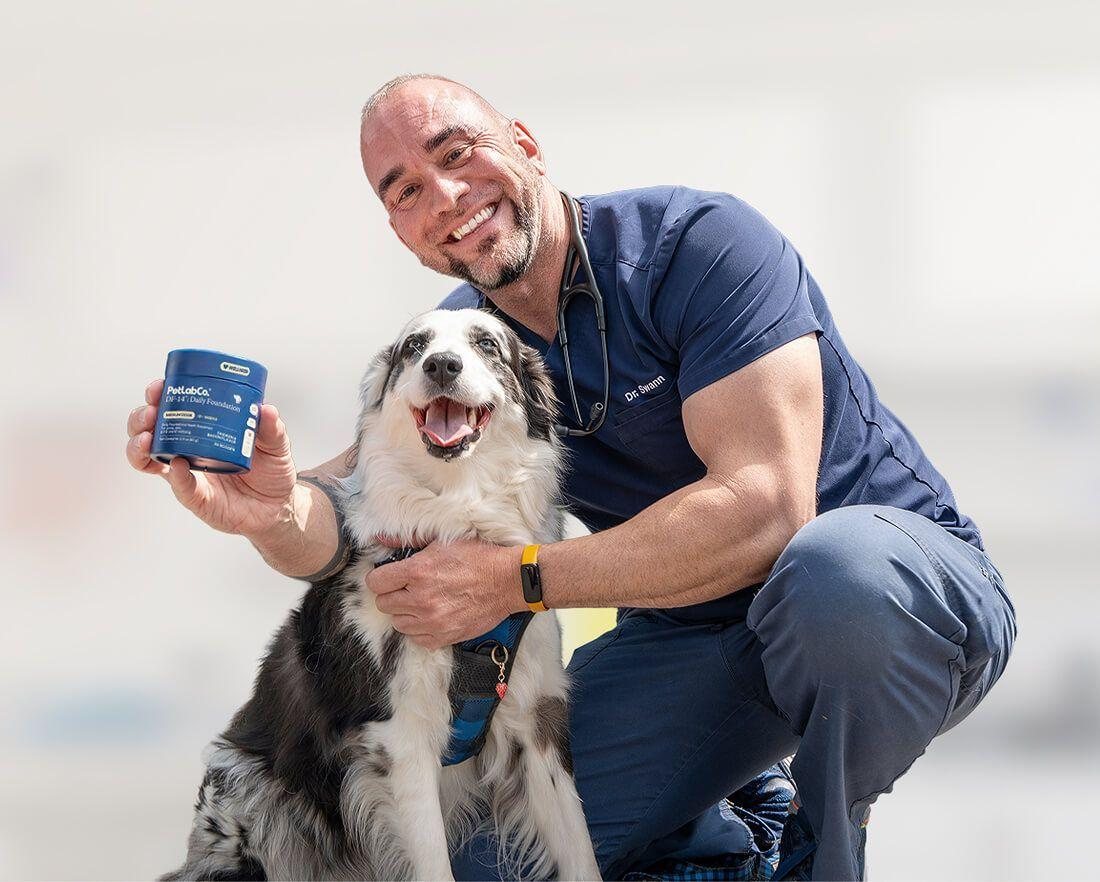
Because DF-14 is a broad-spectrum, multi-ingredient supplement, pet owners must review the entire ingredient list with a veterinarian before introducing it. This is especially important if a dog is already receiving a separate joint supplement, a multivitamin, or a prescription therapeutic diet, as overlapping ingredients can lead to excessive nutrient intake.
Practical Dosing: Matching the Serving to Your Dog’s Weight
One of the most critical aspects of administering any supplement is ensuring the dog receives the correct dosage. DF-14 Daily Foundation addresses this by dividing its product line into three distinct tub sizes—Small, Medium, and Large—each equipped with a specific scoop designed to deliver a precise weight of powder.
For very small dogs weighing under 4 pounds, the recommendation is to use the small tub’s little scoop, which delivers a 0.75-gram serving containing approximately 14.5 million CFU of probiotics. Dogs weighing between 4 and 24.9 pounds transition to the small tub’s larger scoop, providing a 1.5-gram serving and 29 million CFU. Medium-sized dogs, ranging from 25 to 75 pounds, require one scoop from the medium tub, which delivers a 2-gram serving containing 66 million CFU. Finally, large dogs weighing over 75 pounds receive a 3-gram serving from the large tub’s scoop, yielding 100 million CFU daily.
This tiered system ensures that the supplement scales naturally with the size of the animal, preventing under-dosing in large breeds or accidental over-dosing in toy breeds. Pet owners should always use the scoop provided in the specific container they purchase rather than substituting household spoons, which lack the precision required for accurate dosing.
How to Compare Probiotic Powders for Your Dog
Choosing the right probiotic powder requires looking beyond basic marketing claims. A methodical comparison should focus on several practical and clinical factors:
- Primary Purpose: Determine whether your dog requires a highly concentrated, gut-only formula (such as during recovery from antibiotic therapy or acute digestive upset) or a lower-concentration, multifunctional daily powder designed for long-term, whole-body maintenance.
- Organism Specificity: Look for labels that clearly list the exact genus, species, and strain of the microorganisms. While general research might support a certain species, clinical efficacy is often highly strain-specific.
- Dosing Precision: Evaluate how easily the serving size can be adjusted to your dog’s exact weight. Formulations with weight-specific scoops or detailed dosage charts are generally preferable to one-size-fits-all options.
- Dietary Compatibility: Carefully examine the flavorings and inactive base ingredients. For example, DF-14 contains crawfish-derived glucosamine, bovine chondroitin, krill, lactoferrin, and hydrolyzed chicken liver flavor. While highly palatable, these animal-derived proteins may not be suitable for dogs on strict elimination diets or those with known food allergies.
- Routine Feasibility: Consider your daily schedule. A powder must be mixed thoroughly with wet food or moistened kibble to prevent the dog from inhaling the dry dust or leaving it at the bottom of the bowl. If your dog is an intermittent grazer rather than an eager eater, a powder may lead to inconsistent dosing.
Best Practices for Serving a Probiotic Powder
To establish a successful and repeatable supplement routine, pet owners should integrate the powder into their dog’s meals systematically:
- Moisten the Meal: If feeding dry kibble, add a small amount of warm water, bone broth, or wet food to the bowl. This helps the probiotic powder adhere to the food, ensuring the dog consumes the entire dose rather than leaving the powder at the bottom of the dish.
- Observe the Feeding: Administer the supplemented meal at a time when you can actively monitor the dog. This ensures that the dog finishes the entire portion and prevents other pets in multi-animal households from stealing the food and receiving an unintended dose.
- Avoid Abrupt Changes: When introducing a new supplement, keep the rest of your dog’s diet and routine completely stable. Introducing a new food, new treats, and a new supplement simultaneously makes it incredibly difficult to identify the cause of any subsequent digestive changes or allergic reactions.
- Maintain Proper Storage: Probiotic microorganisms are sensitive to environmental conditions. Keep the supplement container tightly sealed and store it in a cool, dry place away from direct sunlight. Never transfer the powder to an unlabeled container, as this increases the risk of dosing errors and accidental misuse.
Choosing Between Powders and Soft Chews
Selecting the right supplement format is largely a matter of lifestyle and individual dog behavior. Both powders and soft chews have distinct practical advantages:
When a Powder Fits Best
Powders are ideal for dogs with consistent, enthusiastic eating habits. If a dog regularly finishes their meals in one sitting, a powder can be seamlessly integrated into their food without requiring them to accept an additional chew or pill. Powders are also highly customizable, allowing owners to easily adjust the amount mixed into the food under veterinary guidance.
When a Soft Chew is Preferable
For dogs that graze throughout the day or are highly selective about the texture of their food, a soft chew may be a more reliable option. Chews can be given as a separate treat, allowing the owner to immediately verify that the entire dose was consumed. However, owners must remember that soft chews contain their own set of binding agents, preservatives, and flavorings, which must also be factored into the dog’s overall diet.
Ultimately, the choice of format should be guided by what is easiest to administer consistently. A supplement can only be effective if it is consumed regularly and in the correct amounts.
Safety Considerations, Sensitivities, and Side Effects
While probiotics are generally well-tolerated, introducing any active supplement carries potential risks that must be managed carefully:
- Age Limitations: Always check the manufacturer’s minimum age recommendations. DF-14 is formulated for dogs 12 weeks of age and older, while other products may specify three months or older. Puppies have highly sensitive, developing digestive and immune systems and should never be given adult supplements without direct veterinary supervision.
- Potential Side Effects: Some dogs may experience mild, temporary digestive adjustments when first starting a probiotic, such as increased gas or slight changes in stool consistency. However, persistent diarrhea, vomiting, lethargy, or skin rashes are abnormal and require immediate veterinary attention.
- Medication Interactions: The active ingredients in multifunctional supplements can sometimes affect the absorption or efficacy of concurrent medications. For instance, the label for DF-14 notes that the absorption of simultaneously administered drugs may be delayed. Owners should always consult their veterinarian regarding the proper timing of supplements and prescription medications.
- Scientific Limitations: It is important to distinguish between ingredient-level research and product-specific proof. For example, while a 2018 study published in the peer-reviewed literature demonstrated that Saccharomyces boulardii could offer therapeutic benefits when added to the standard treatment for dogs with chronic enteropathy, this specific study was not a clinical trial of DF-14 itself. Pet owners should avoid assuming that clinical trials on individual ingredients guarantee identical therapeutic outcomes for every commercial mixture containing those ingredients.
Supplements are designed to support health, not to diagnose, treat, cure, or prevent serious medical conditions. If a dog exhibits severe or sudden symptoms—such as persistent vomiting, bloody stool, extreme lethargy, or a complete loss of appetite—owners should bypass the supplement cabinet and seek immediate professional veterinary care. For healthy dogs, a well-chosen, carefully administered probiotic powder can serve as a highly effective component of a proactive, long-term wellness routine.