The Natural Landscape Photography Awards (NLPA) has officially announced the winners of its sixth annual competition, showcasing an extraordinary collection of nature and landscape imagery that champions uncompromising realism, digital integrity, and authentic fieldcraft.
In an era defined by the rapid rise of generative artificial intelligence, digital compositing, and increasingly heavy-handed manipulation tools in mainstream visual media, the NLPA stands apart by maintaining a rigid set of rules designed to protect the true appearance of the natural world. The competition’s core guiding principle is simple yet demanding: the integrity of the subject must be preserved at all costs.
According to the organizers, a viewer who is familiar with a specific landscape and the technical process of photography should never feel deceived upon being shown the original scene and its corresponding RAW file. While traditional darkroom and digital post-processing techniques—such as exposure blending, focus stacking, and panoramic stitching—remain fully permitted under the contest guidelines, many other common editing methods are strictly forbidden.
For instance, introducing new elements into a frame is entirely banned, whether done through traditional digital compositing or through artificial intelligence tools that generate synthetic features out of thin air. Even subtle adjustments like local dodging can result in an immediate disqualification if the editing introduces the effect of light that was demonstrably absent from the scene at the exact moment of capture. Furthermore, to ensure fairness and verifiable authenticity, any digital photograph that advances past the initial stages of judging must be accompanied by its original RAW files, while film photography is warmly welcomed and subject to equal scrutiny.
This uncompromising stance continues to resonate deeply within the global photography community. The sixth annual edition of the competition drew an impressive total of 11,929 entries submitted by 1,086 photographers representing 52 different countries around the globe. Following rigorous preliminary reviews, a total of 2,558 individual photographs and 88 comprehensive photo projects successfully advanced to the intensive RAW verification stage and the final judging panels.
Photographer of the Year
Winner
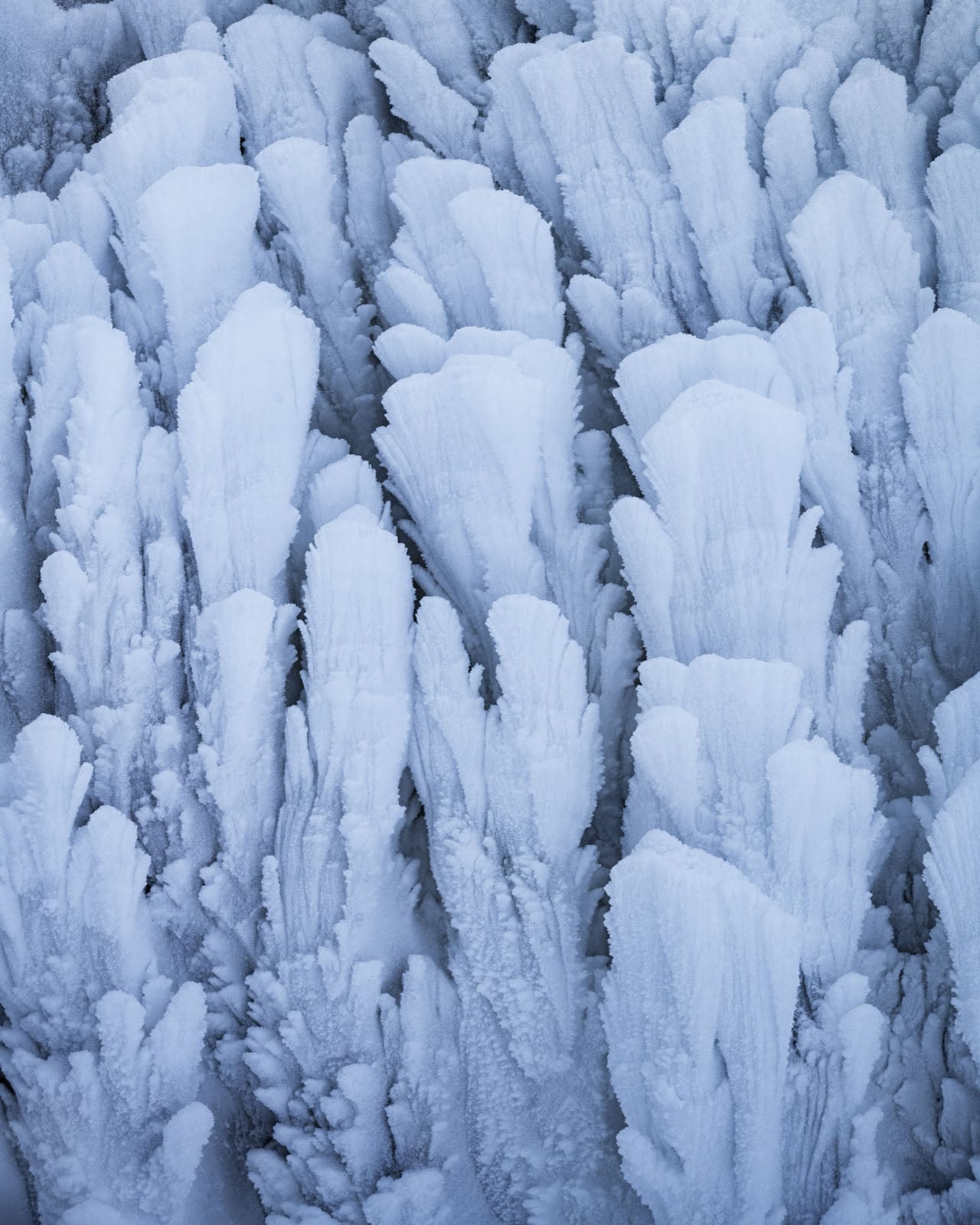
The prestigious title of Natural Landscape Photography Awards Photographer of the Year for this cycle was awarded to Lukas Furlan. His winning portfolio stood out to the judges through its remarkable diversity of subjects and techniques, ranging from extreme macro studies of delicate ice formations to sweeping, expansive vistas of rugged mountain ranges. Despite the wide variety of scales and locations, every image within Furlan’s winning series shared a steadfast commitment to natural, realistic processing that honors the environment.
Reflecting on his victory, Furlan expressed a deep sense of humility and a feeling of professional closure, noting that he had narrowly missed the top spot in the previous year’s competition.
"I’m deeply honored. It’s kind of a déjà vu also for me, because I was runner-up last year. I am a bit speechless, and I appreciate it. Thank you so much," Furlan shared. "A big part of my portfolio came from a solo trip, my very first solo trip from last year, in Spain. The rest of it is around Vienna where I currently live and, of course, the Dolomites. The last few years, I tried to get more personal with it to avoid the main viewpoints and also to keep an eye out for the smaller details there."
Runner-Up and Third Place
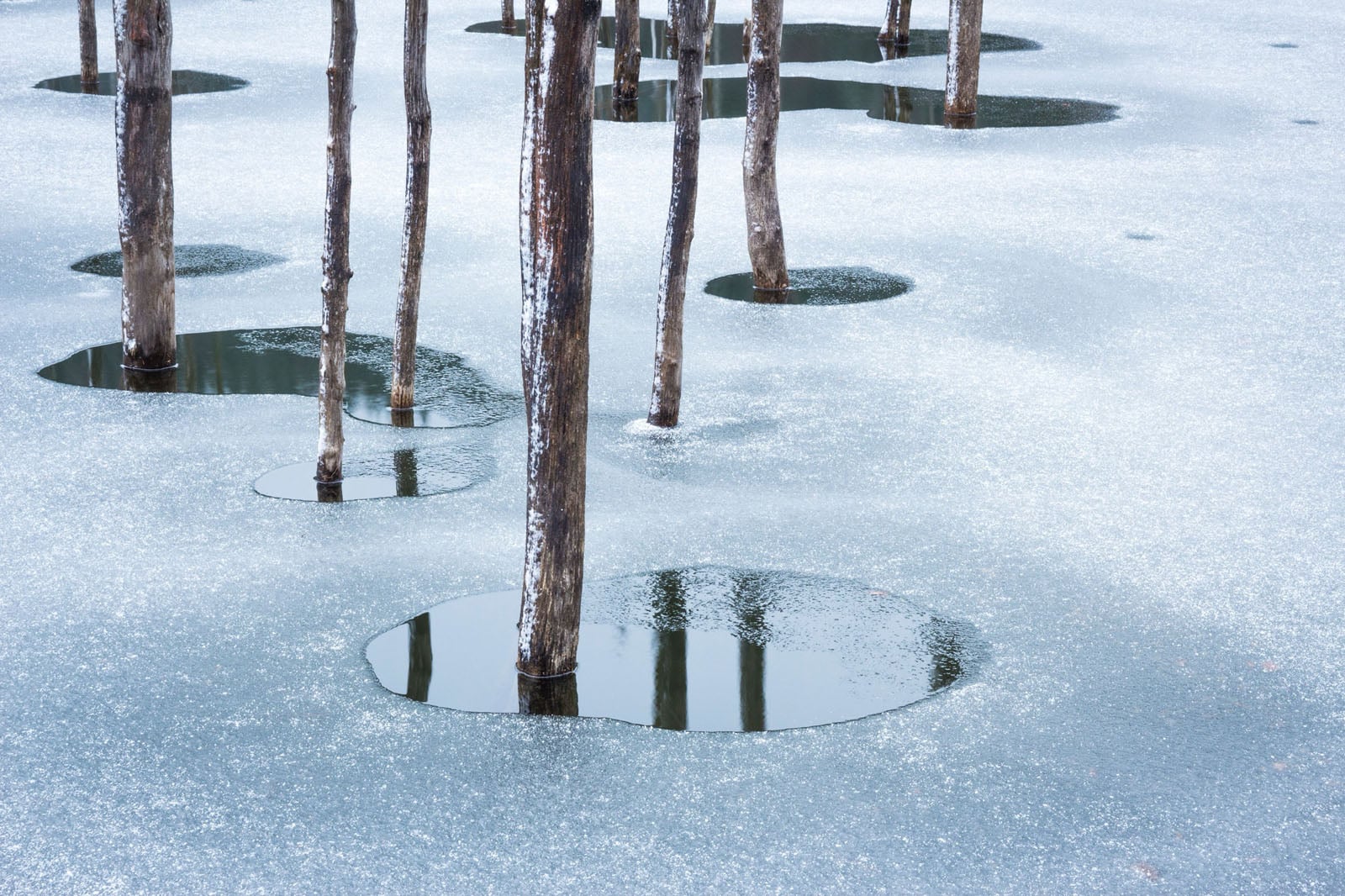
The competition for Photographer of the Year remained fierce through the top tiers. The runner-up position was secured by an evocative portfolio highlighted by striking imagery, including vertical tree trunks rising out of a frozen, snow-dusted alpine pond, each uniquely encircled by a small ring of clear, open water. Meanwhile, the third-place honor went to a photographer who submitted a mesmerizing series anchored by intricate, close-up explorations of crystalline ice formations displaying delicate, fan-shaped textures in shades of pale blue and crisp white.
Photograph of the Year
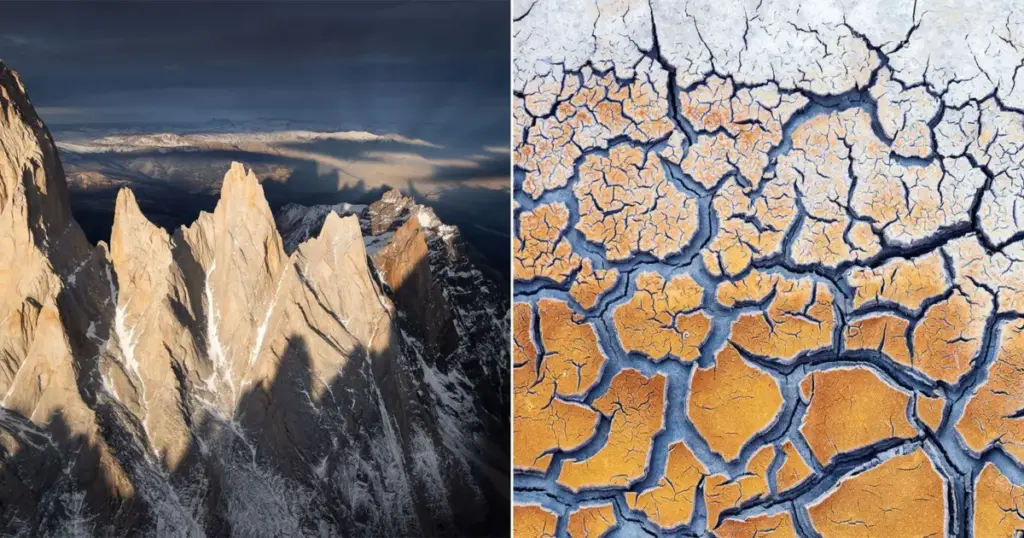
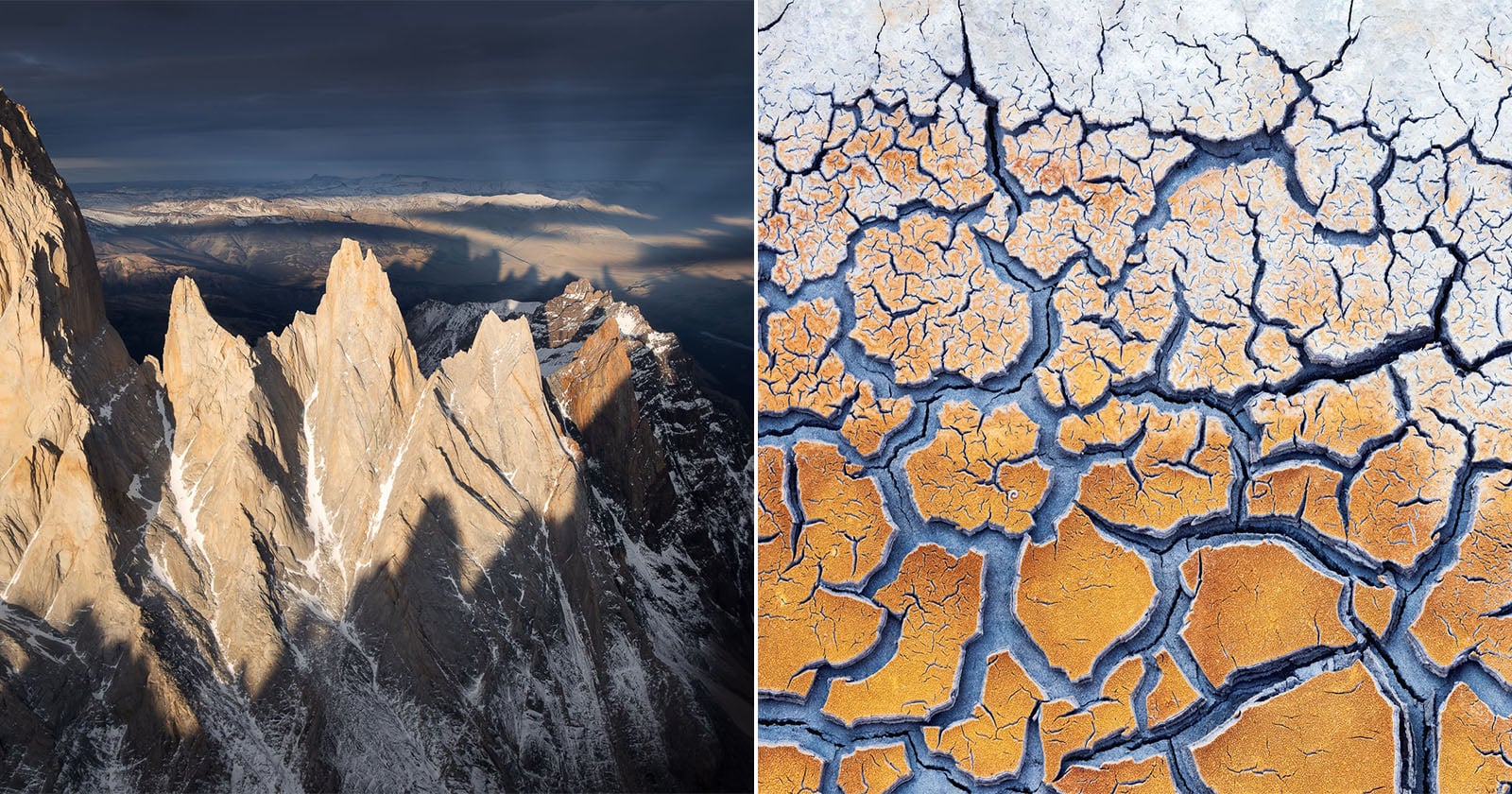
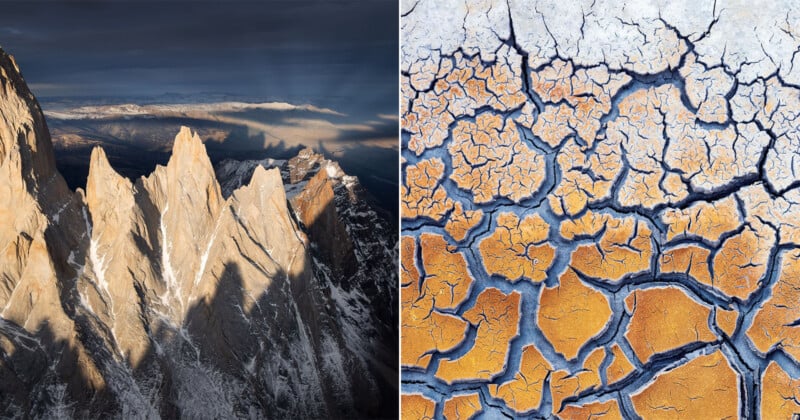
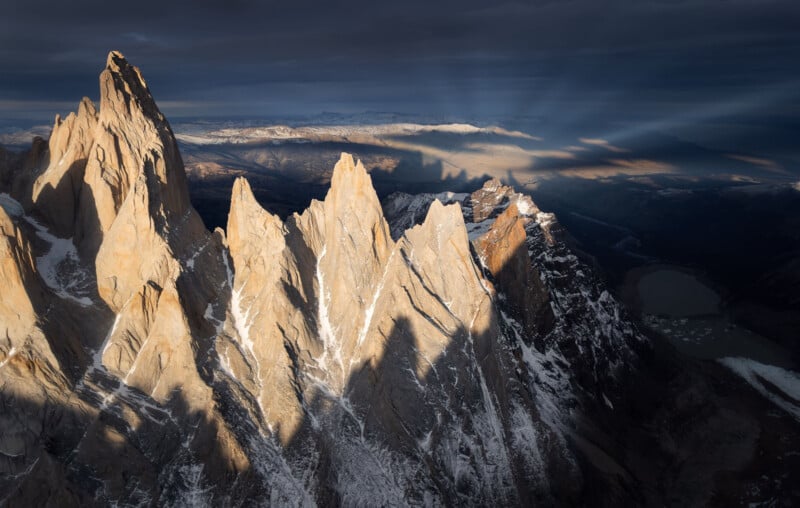
In addition to evaluating multi-image portfolios for the Photographer of the Year title, the NLPA also recognizes a single, standout image through its Photograph of the Year category. This year’s top honor was awarded to Abraham Saikley for a breathtaking and dramatic grand landscape photograph capturing a jagged mountain range. Saikley’s winning frame features sharp, snow-dusted granite peaks illuminated by warm, golden sunlight as they break through a dark, turbulent, and brooding sky, illustrating the raw power and fleeting light of high-altitude environments.
Projects Winner
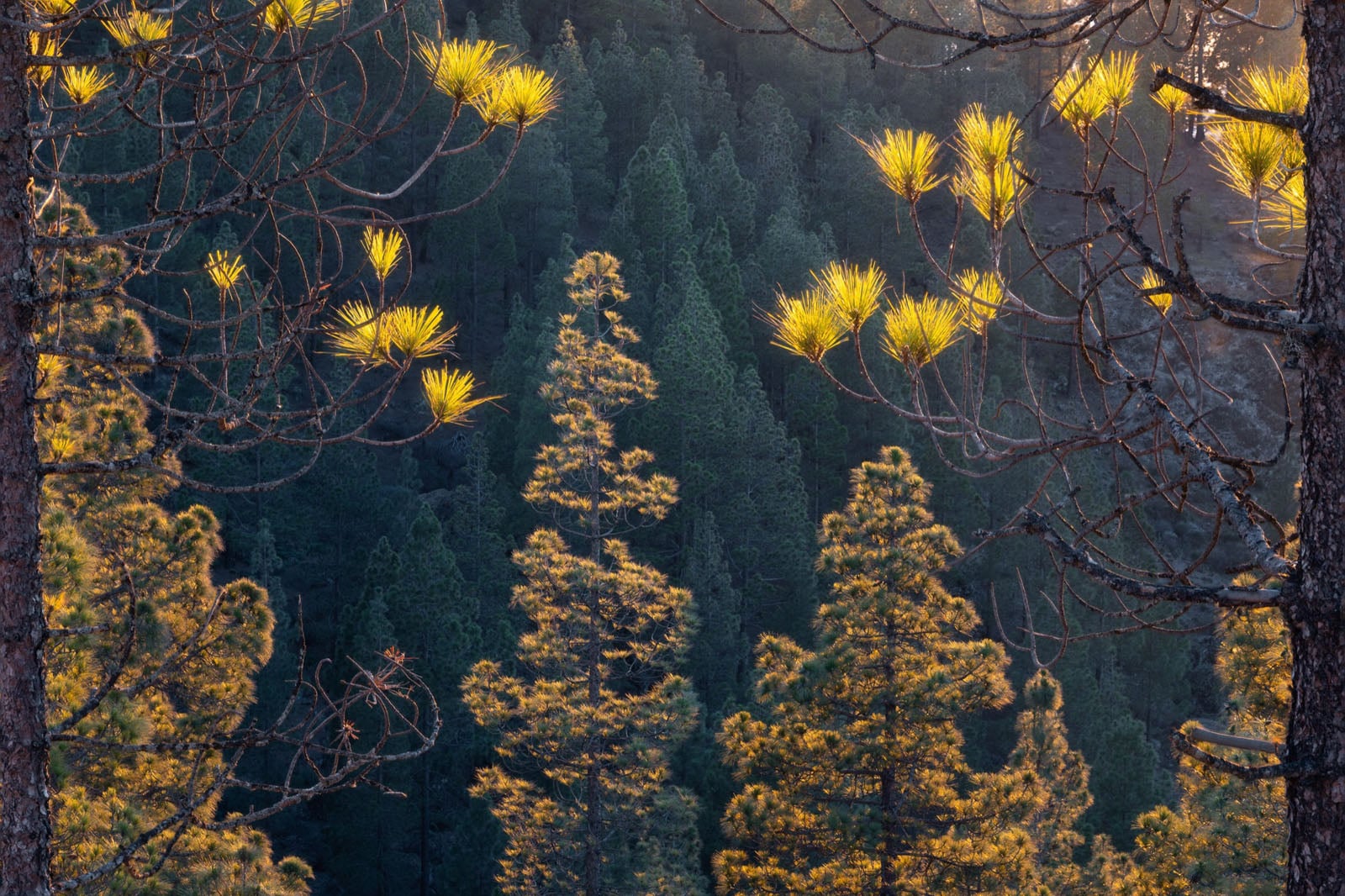
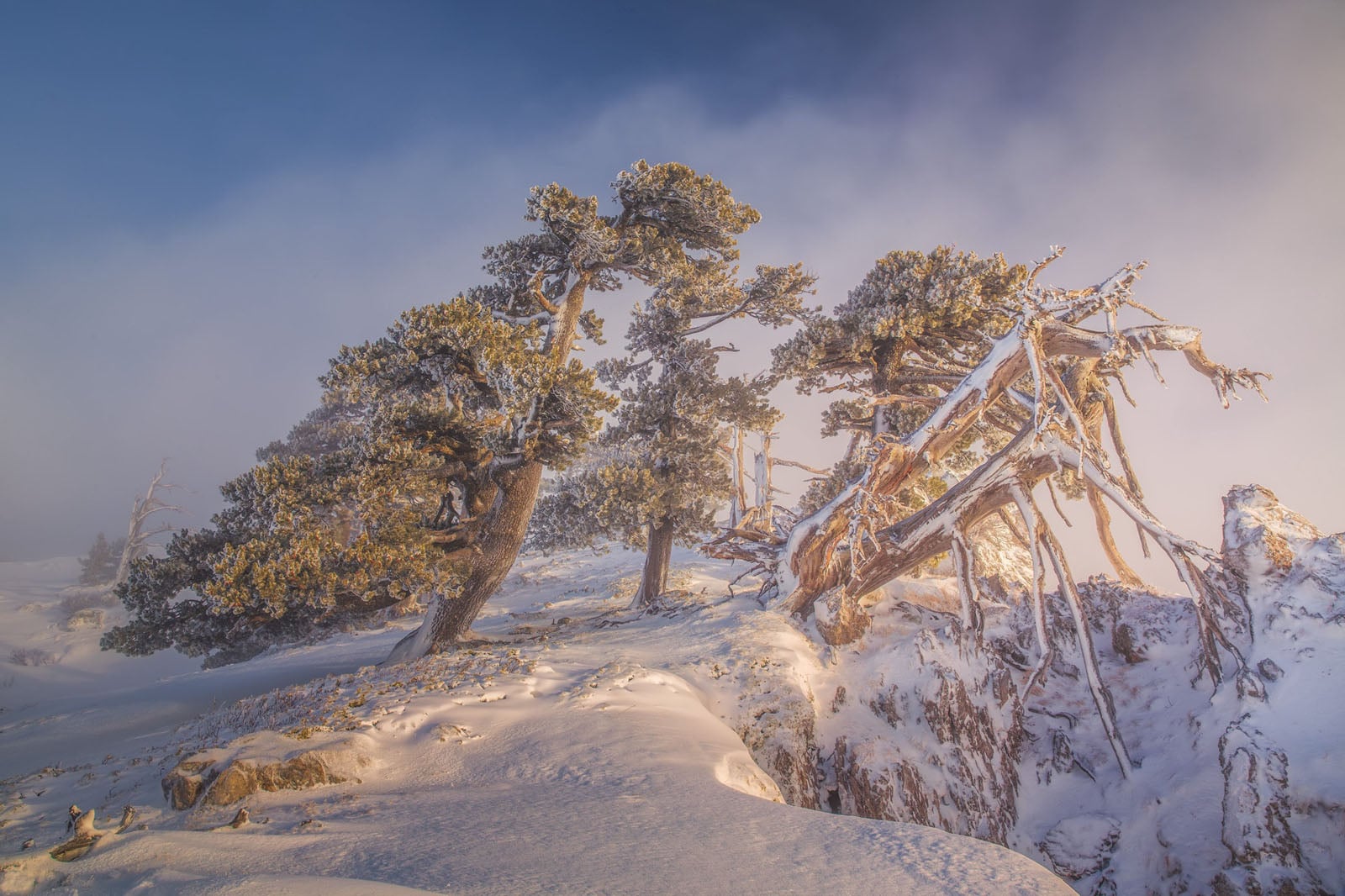
The project category, which challenges photographers to tell a deeper, cohesive story through a series of interconnected images, was won by Gabriel Stankiewicz for his profound exploration of pine forests. Stankiewicz’s winning series reflects a deeply personal journey of artistic realization and rediscovery.
"Growing up in the flat landscapes of Central Europe, I initially found the local pine forests ‘unphotogenic’ and unremarkable," Stankiewicz explained. "It was only after traveling across the continent to photograph dramatic mountains and waterfalls that I noticed a recurring theme: the pine tree. I realized the irony of my journey — I had traveled far away from the familiar only to photograph the ‘familiar.’"
Spanning a vast geographical area that includes Norway, the Canary Islands, and Scotland, Stankiewicz’s project serves as a photographic tribute to pine trees across all stages of their life cycles and within vastly different ecosystems, ranging from lush, green woodlands to brutally harsh, windswept environments. The series highlights a humbling truth of the natural world: many of these resilient trees stood long before any photographer arrived and will likely remain standing long after the final frame is captured.
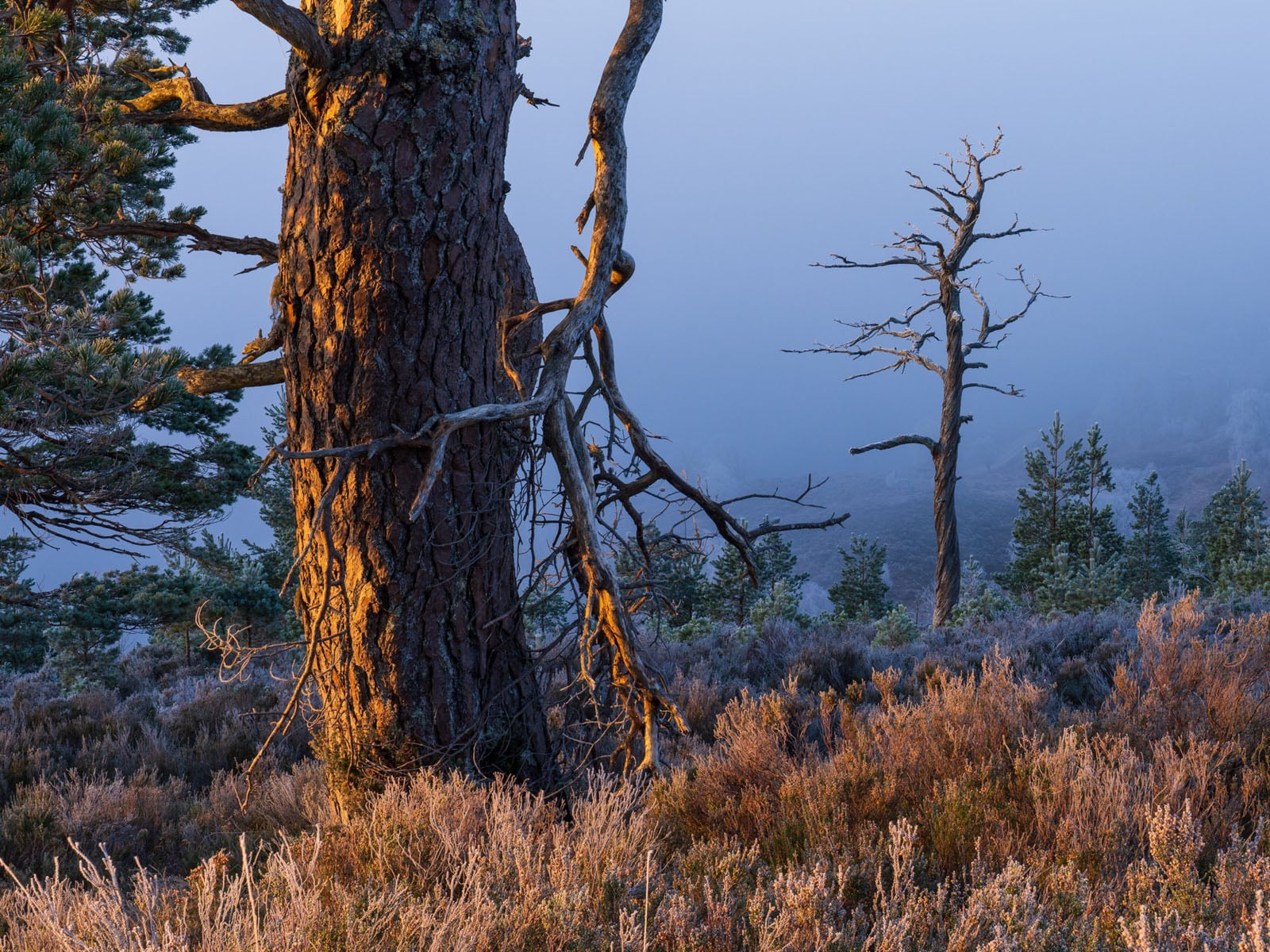
The projects category also celebrated exceptional work from its runners-up. Kenny Muir claimed second place with a misty, frost-covered series featuring majestic, sunlit pine trees standing sentinel beside bare saplings, while Vincenzo Mazza secured third place with a portfolio capturing snow-dusted evergreens and weathered rock formations blanketed in soft, golden mountain light.
Category Winners
Beyond the major overarching titles, the competition encompasses twelve distinct single-image categories, highlighting specific environments, perspectives, and photographic techniques.
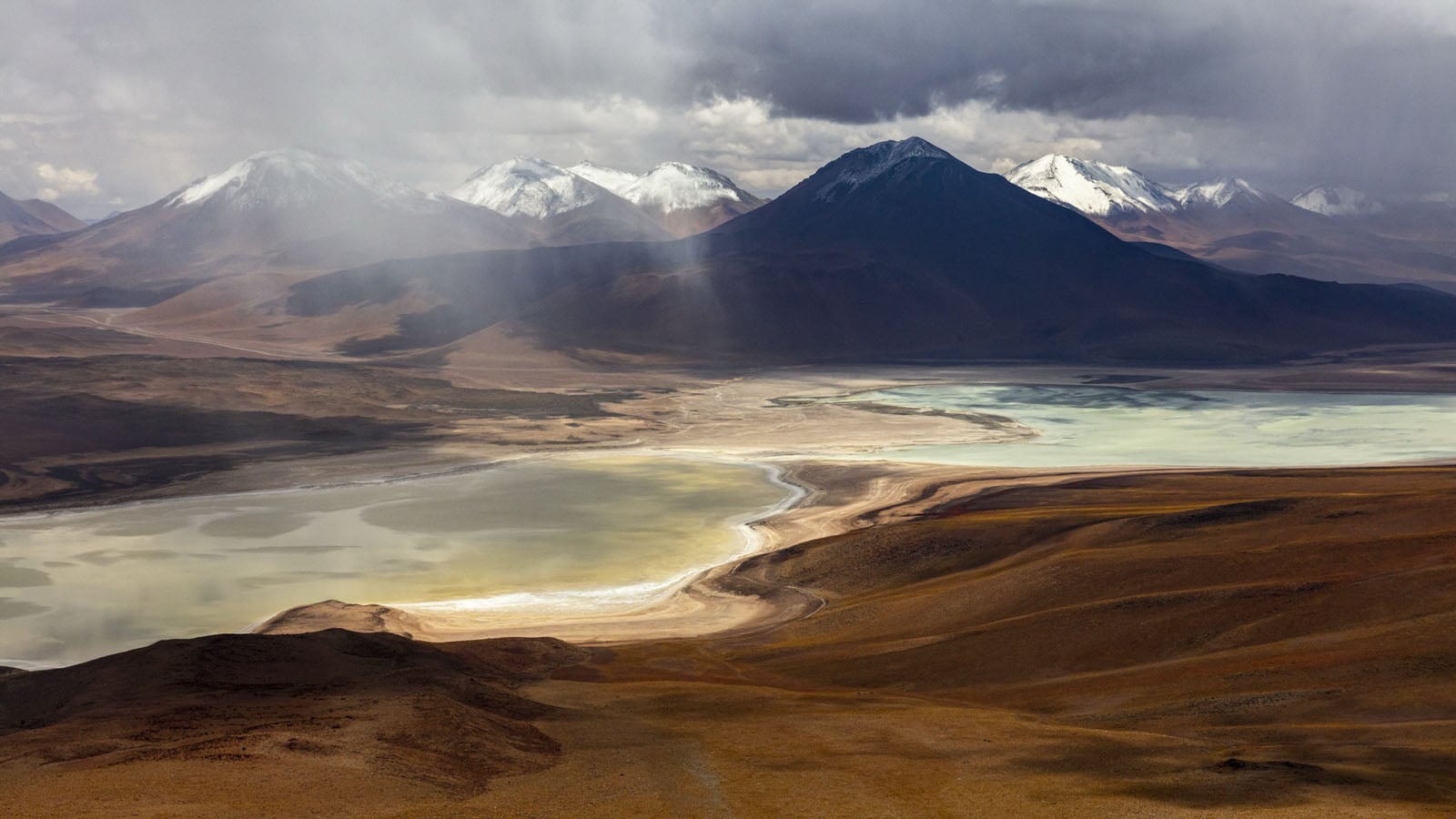
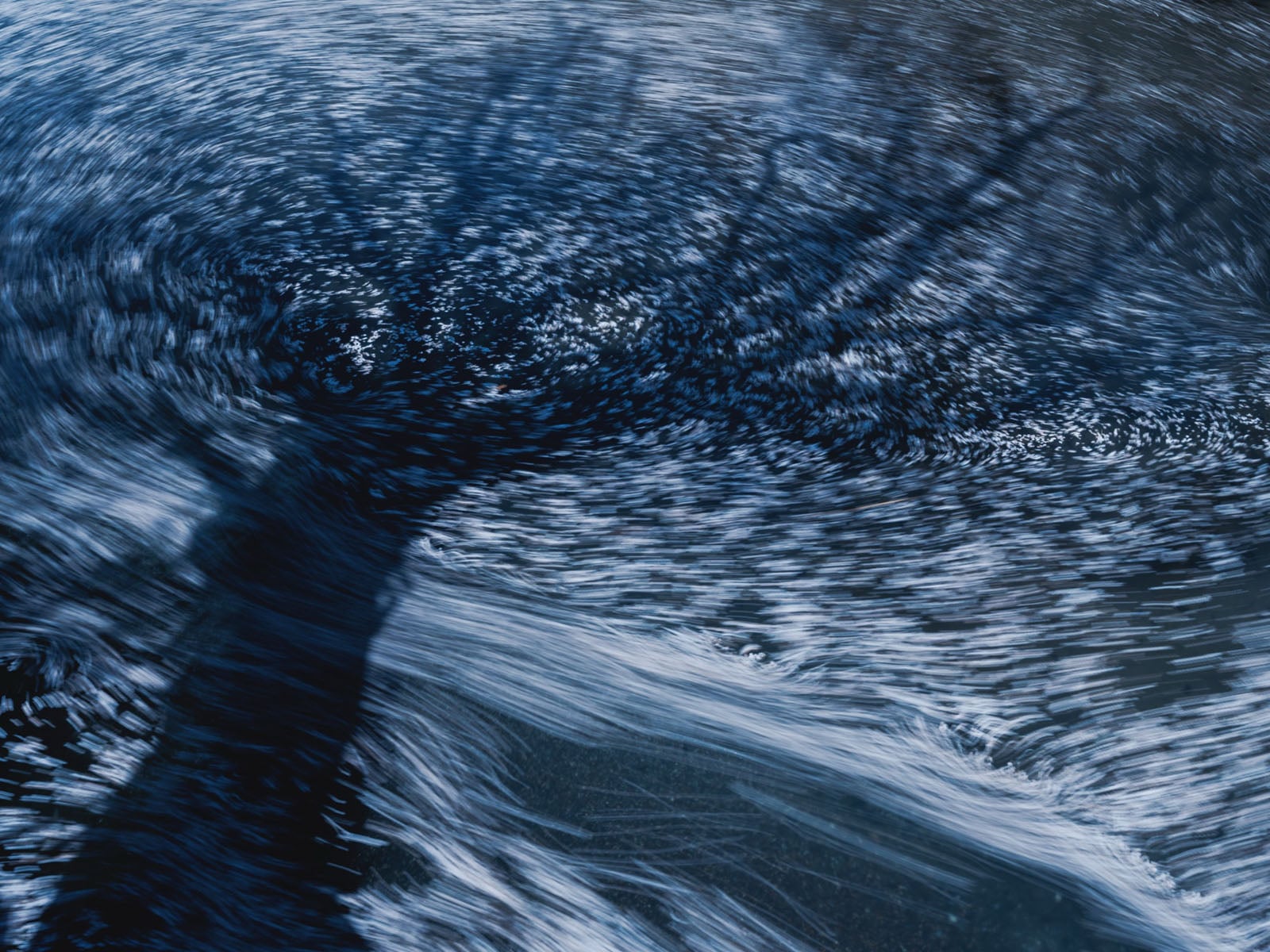
In the Grand Landscape category, Xavier Lequarre earned top honors with a high-angle view of a pale, shallow lake nestled among arid brown hills beneath a dramatic canopy of clouds and distant snow-capped mountains. The Intimate Landscape award went to Hiroyuki Tsuchiya for a long-exposure study of water cascading over a dark, submerged surface, creating fluid, swirling streaks of white.
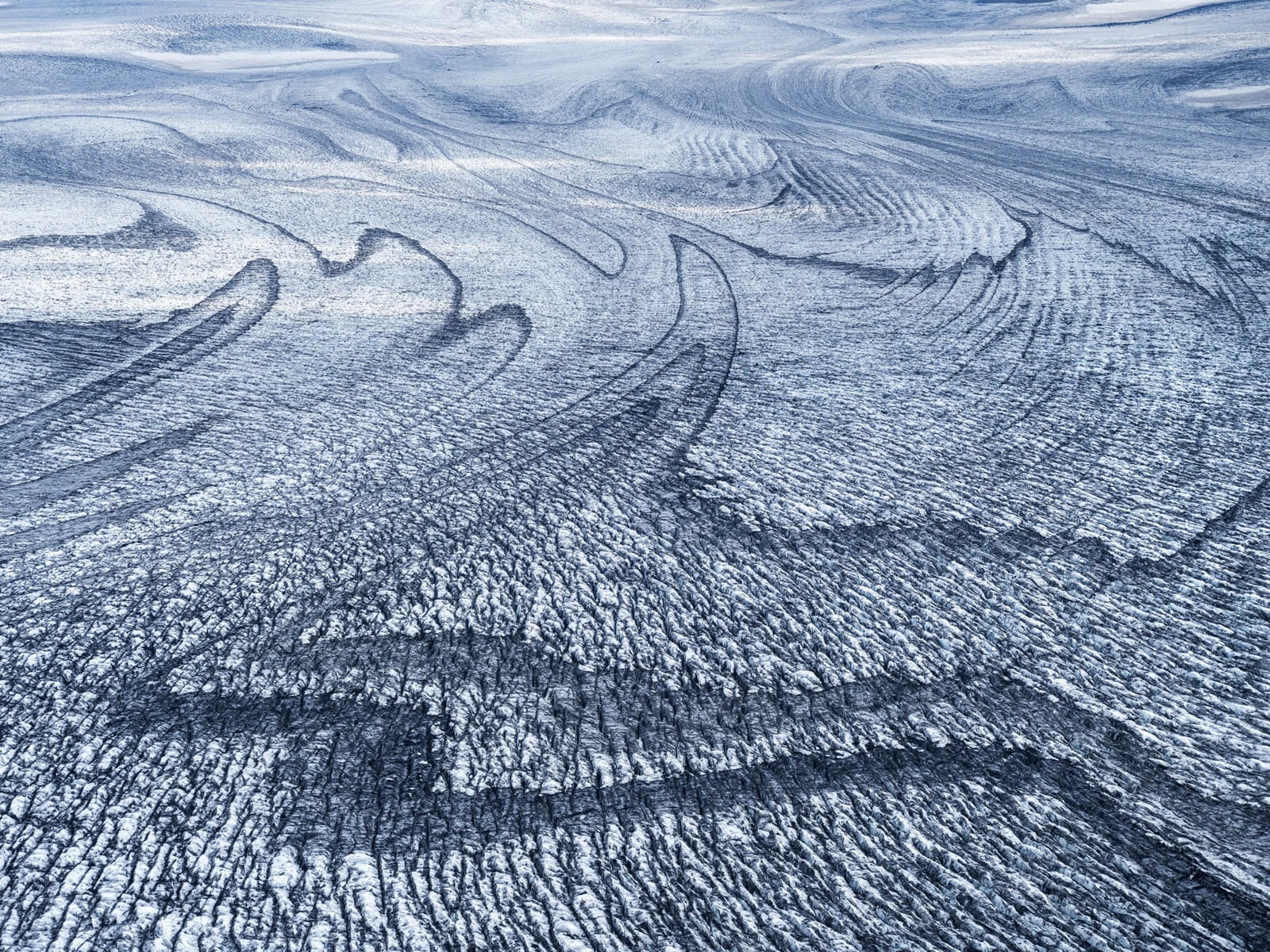
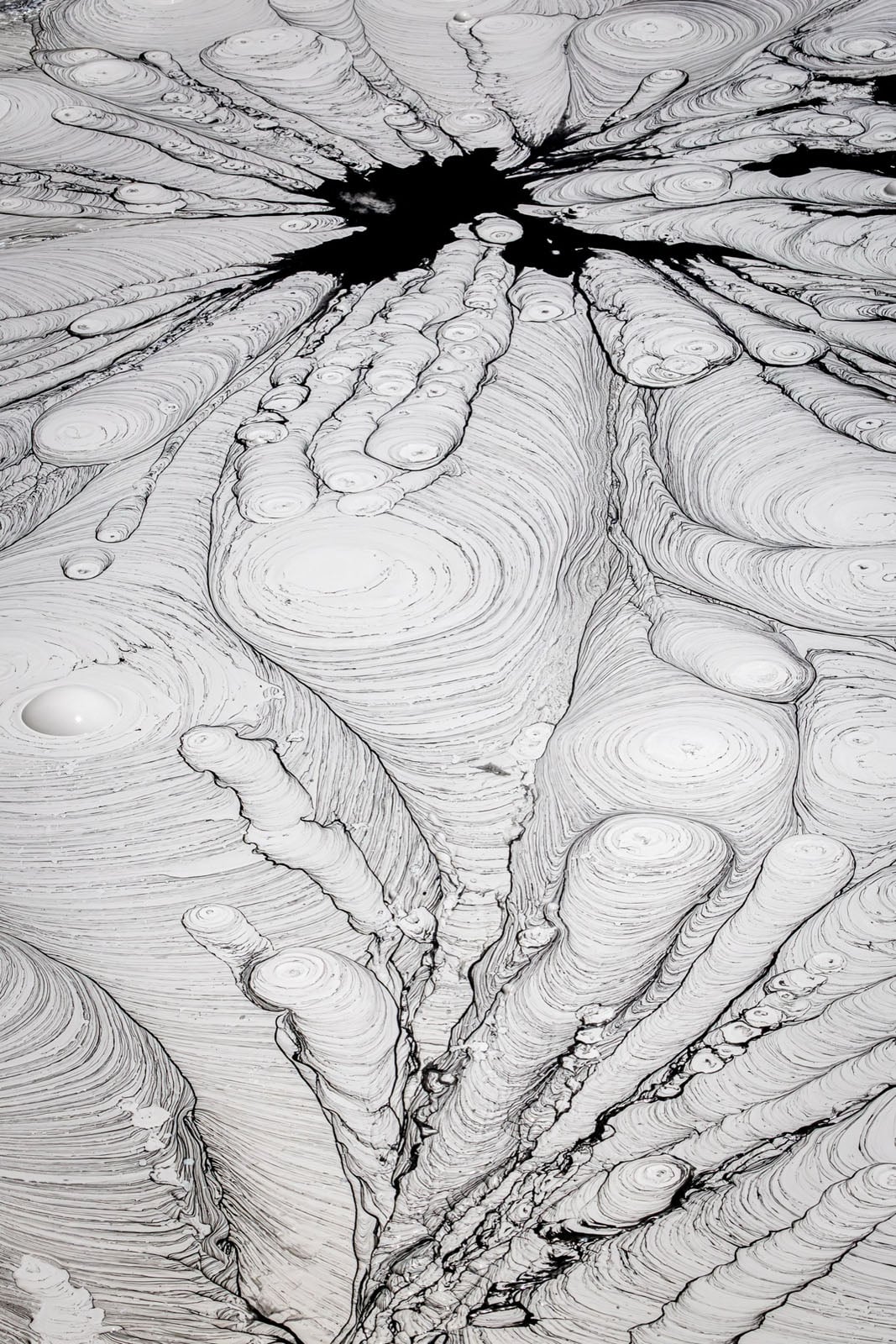
Vincenzo Mazza captured the Abstract Landscape category with an aerial perspective of a glacier’s surface, mapping the intricate, dark, and winding patterns of glacial debris cutting through deep ice crevasses. In the Black and White category, Lynn Fergusson triumphed with a high-angle architectural study of concentric circular patterns formed within a smooth, light-grey liquid surface surrounding a dark central void.
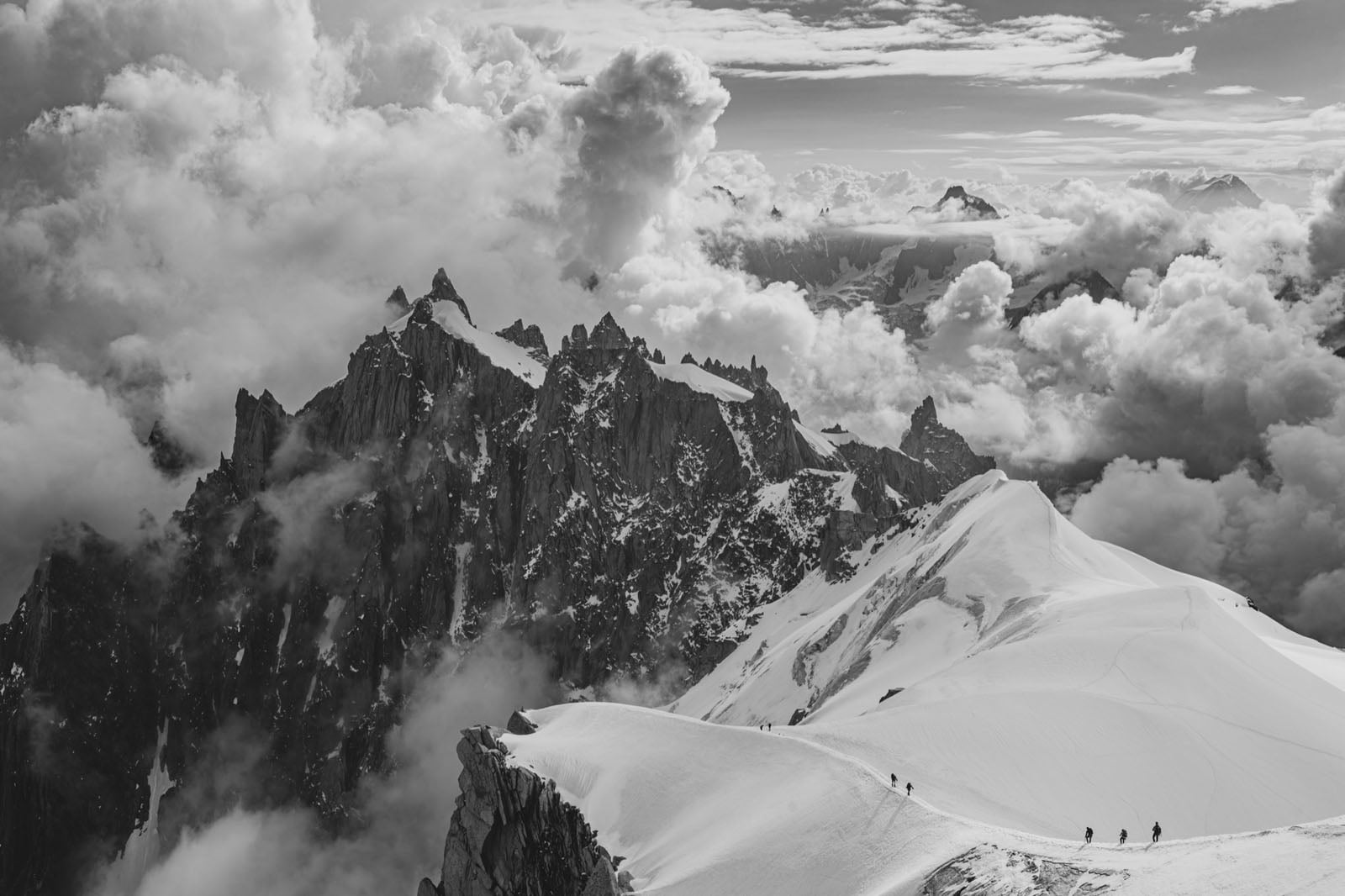
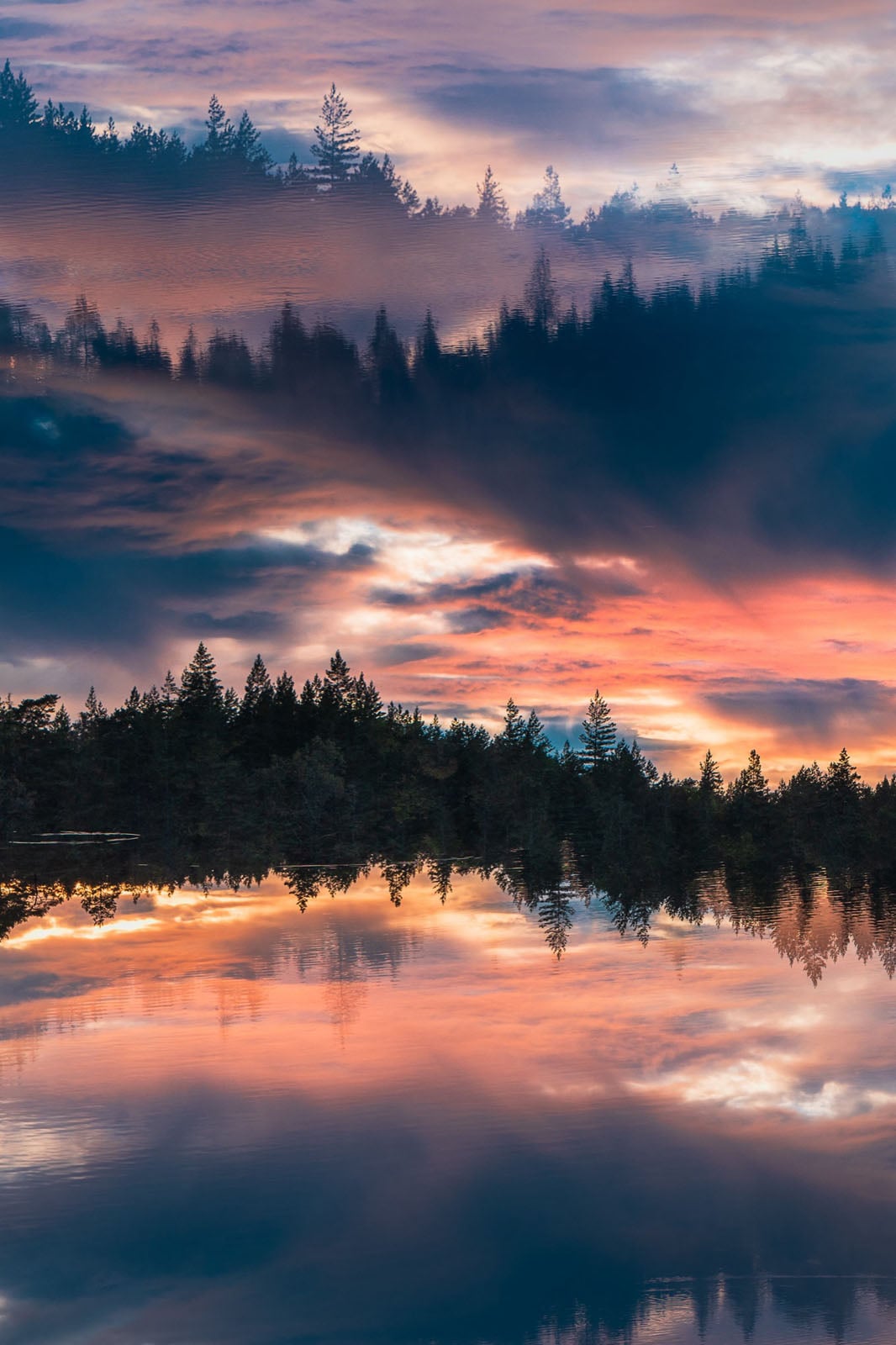
The traditional techniques of the past were celebrated in the Platinum and Palladium category, where Julian Baird won with a timeless print depicting mountaineers traversing a snowy ridge beneath heavy, cloud-filled alpine skies. For multiple exposures and In-Camera Movement (ICM), Julian Lozinski took first place with a surreal, vertically mirrored landscape showing silhouetted pine trees and a colorful sunset reflecting symmetrically across calm water.
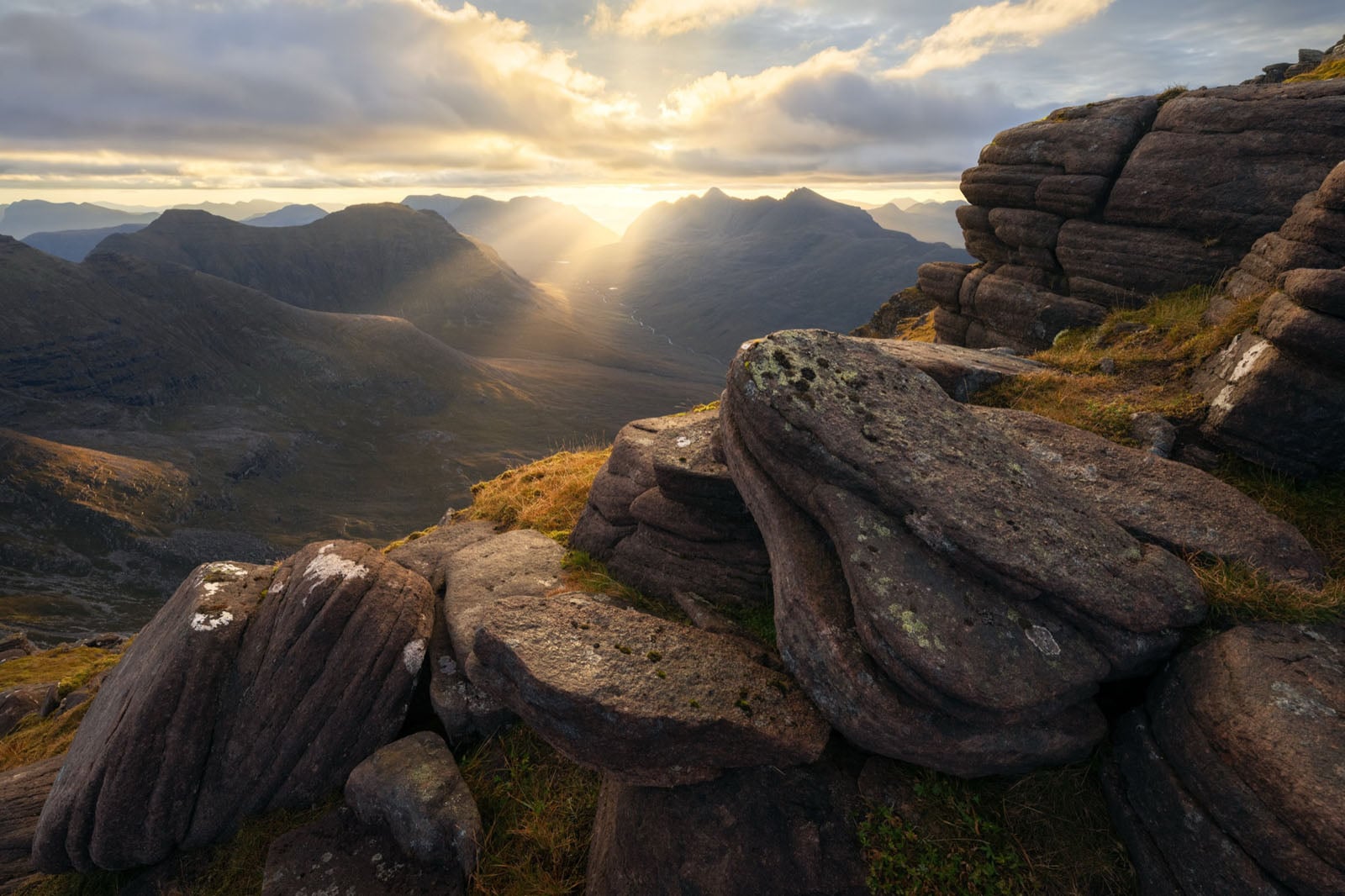
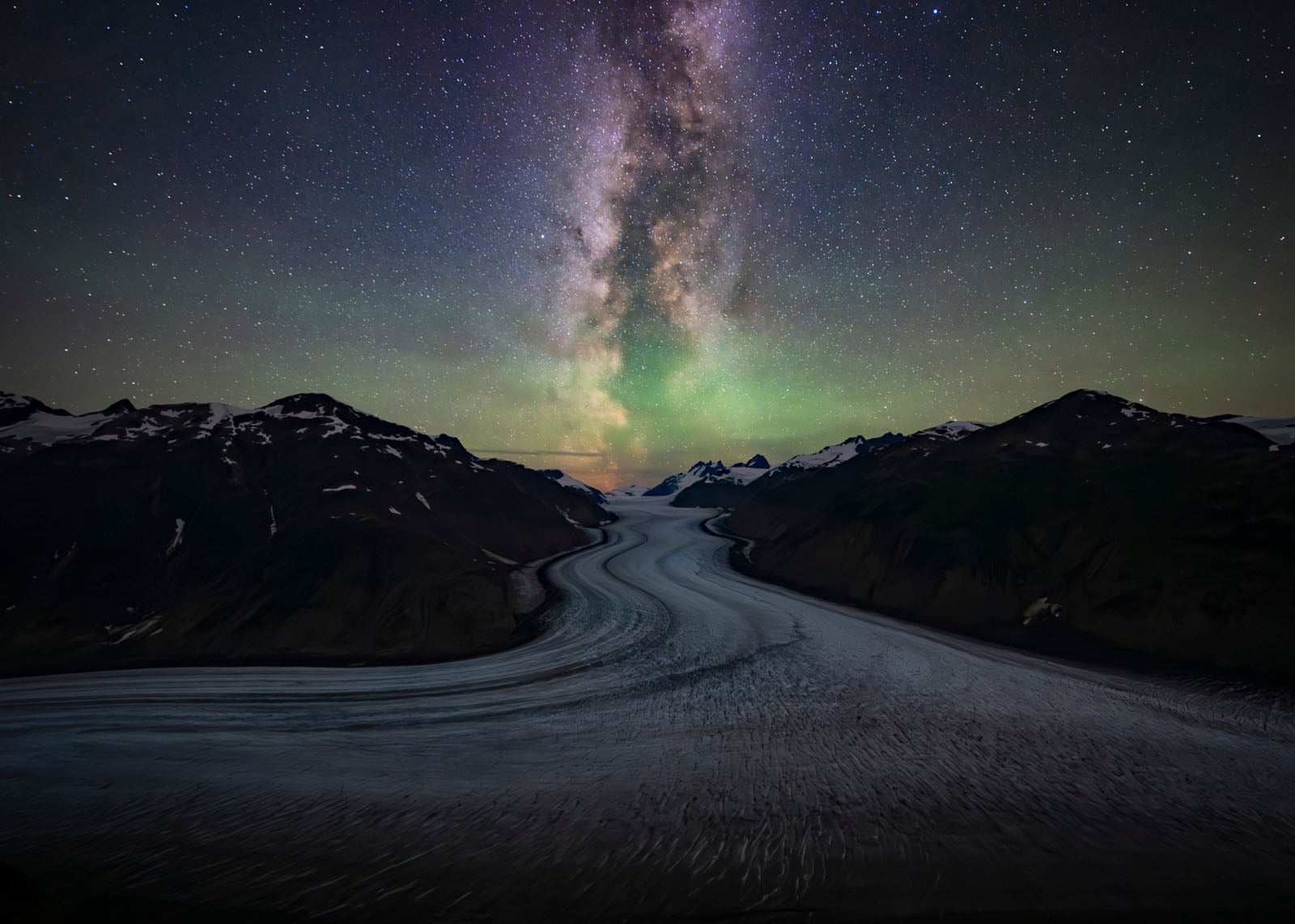
In the Night category, Shane Turgeon secured victory with a sweeping astrophotography composition showcasing a winding glacier flowing between dark, towering mountain ranges underneath a brilliant Milky Way. The Mountains category was won by Benjamin Maze, whose image captures brilliant sunlight streaming through cloud cover over a deep valley framed by layered rock formations.
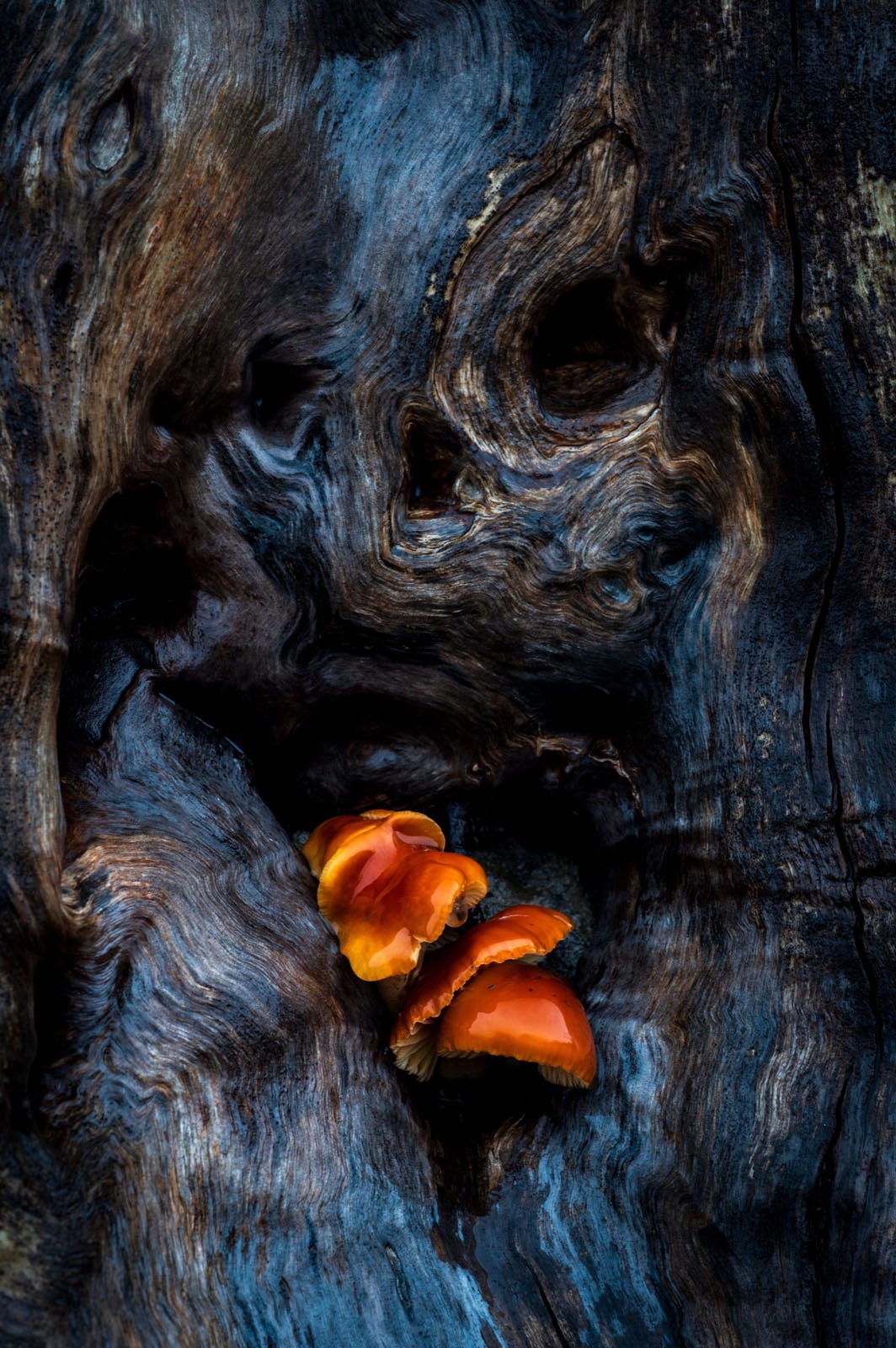
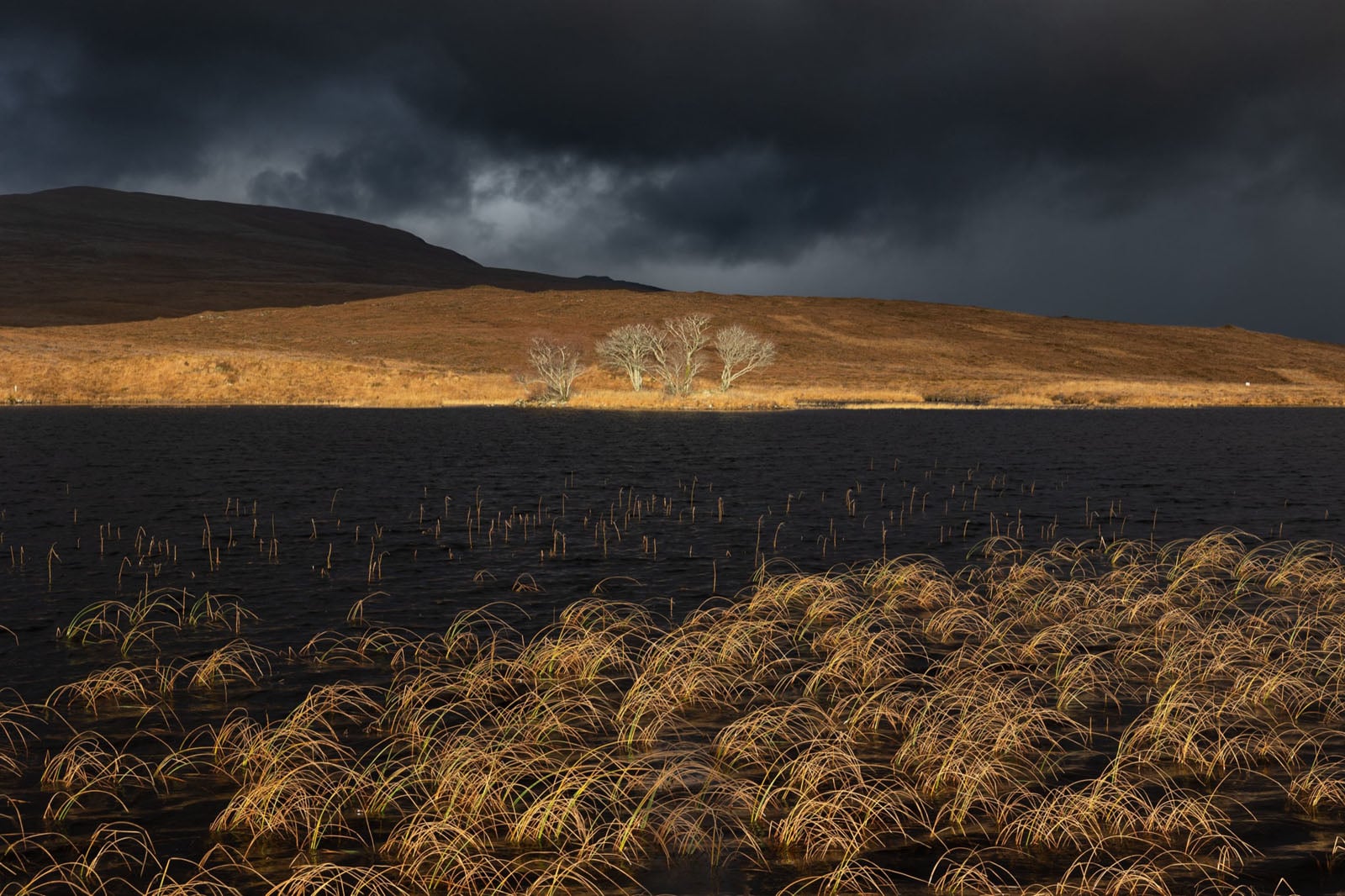
Macro and micro perspectives were equally represented. Jason Pettit won the Fungi and Lichens category with a detailed macro shot of glossy orange mushrooms sprouting from a deep, weathered crevice in a dark tree trunk. In Waterscapes, Annette Cuthbertson captured a moody composition of a stormy sky looming over a golden hillside, bare trees, and a dark, reed-fringed lake.
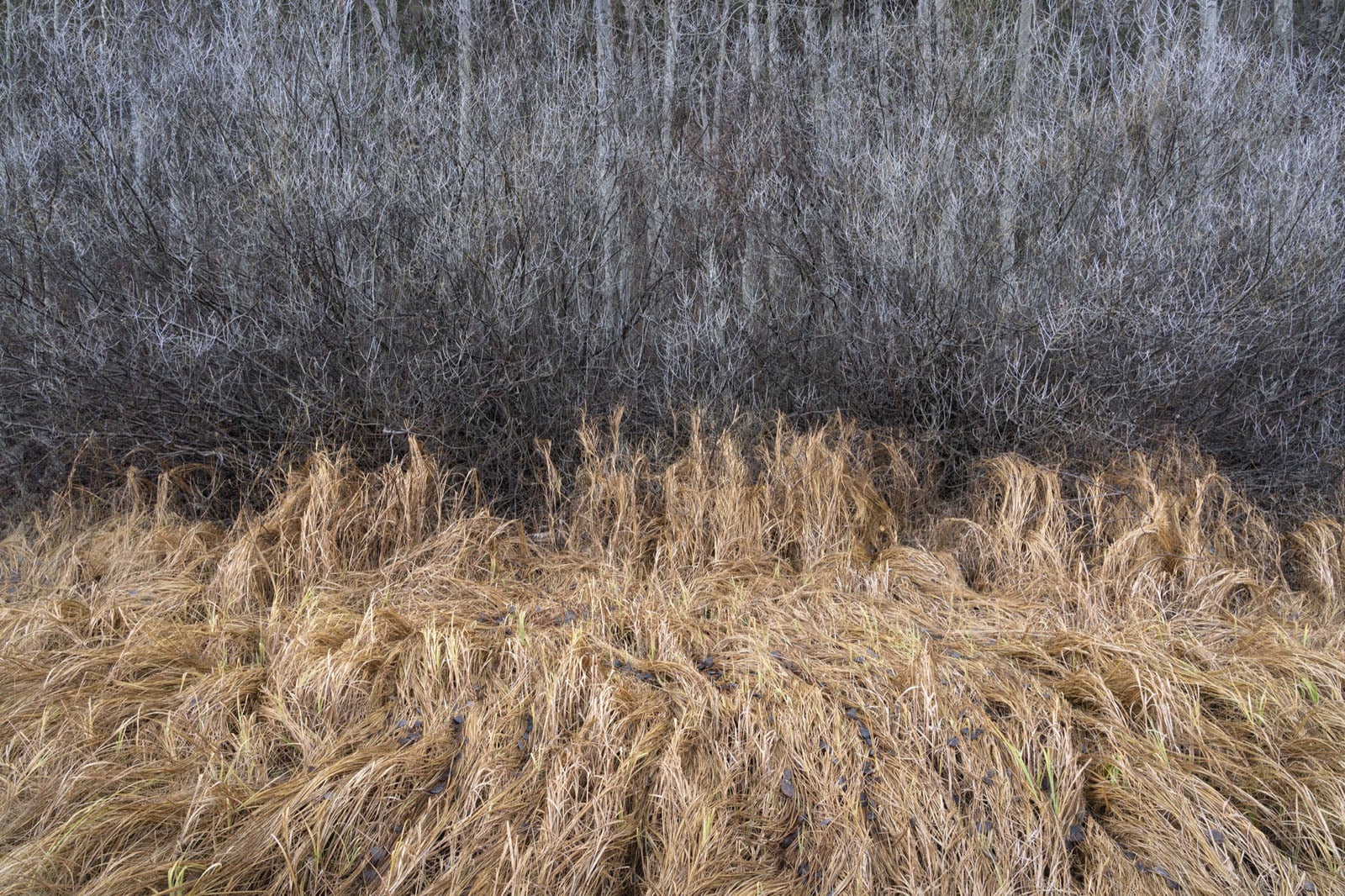
The Common Places category recognized Matt Redfern’s quiet composition of dry, golden-brown winter grass set against a dense thicket of bare, grey trees. Finally, the Frozen Worlds category was won by Tom Putt, who submitted a striking aerial photograph of circular pancake ice floes drifting across deep, dark blue polar waters.
In total, 170 photographs successfully navigated the rigorous judging process to reach the final gallery exhibition. A complete showcase of all winning and recognized images from the 2026 competition can be viewed directly on the Natural Landscape Photography Awards website.