

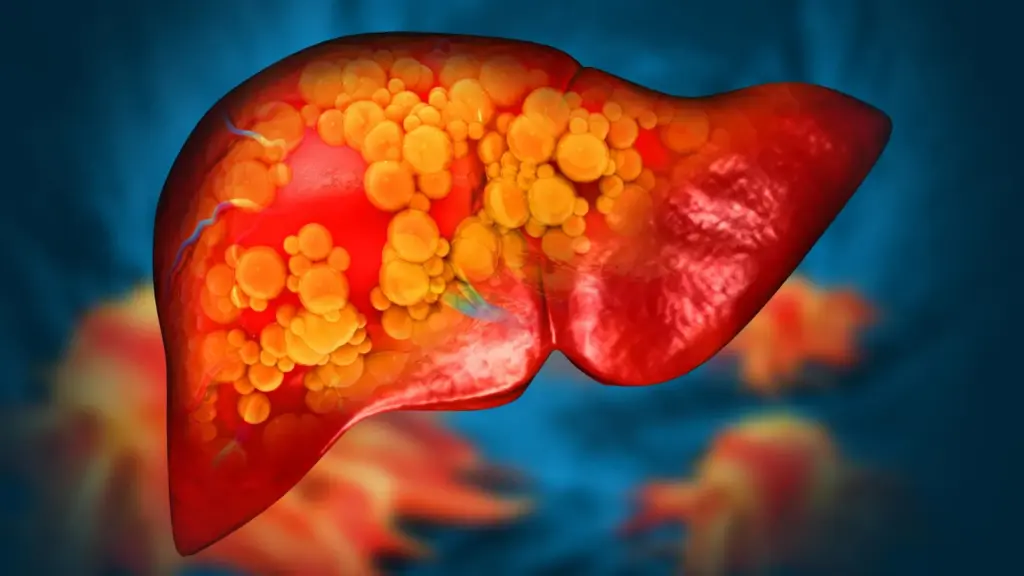
The compound, identified as DT-109, operates by suppressing harmful gut bacteria, preserving the structural integrity of the intestinal lining, and intercepting inflammatory substances before they can reach the liver. According to findings published in The Journal of Clinical Investigation, this pioneering gut-focused approach successfully reversed metabolic dysfunction-associated steatohepatitis (MASH) in both mice and nonhuman primates, presenting a promising new therapeutic avenue for a condition that has historically proven exceptionally difficult to manage in clinical settings.
MASH affects approximately 7% of the global population and represents an advanced, aggressive iteration of fatty liver disease. The condition is characterized by an abnormal accumulation of excess fat within the liver tissue, which subsequently triggers persistent inflammation and cellular injury. Over time, unmanaged MASH can progress to cirrhosis—a state defined by extensive, irreversible liver scarring—as well as primary liver cancer and complete organ failure. Although therapeutic options for metabolic and hepatic disorders have seen incremental improvements in recent years, effective, targeted treatments for MASH remain severely limited.
"We see clear evidence that DT-109 protects the gut epithelial barrier, reducing the systemic influx of harmful microbial products that are thought to contribute to MASH development and progression," said Dr. Eugene Chen, senior author of the study and the Frederick G. L. Huetwell Professor of Cardiovascular Medicine at the University of Michigan Medical School. "This compound shows benefits to the gastrointestinal system and has great potential as a treatment for MASH."
How Harmful Gut Bacteria Can Trigger Liver Damage
Dr. Chen’s research team had previously demonstrated that DT-109, a glycine-based tripeptide, could improve MASH indicators in prior animal studies. A tripeptide is a specialized small molecule constructed from three amino acids, which serve as the fundamental building blocks of proteins. However, the precise mechanisms through which the compound produced its protective physiological effects remained unclear.
The latest research clarifies this mystery, detailing how specific shifts in gut microbial communities can initiate a destructive biological chain reaction that ultimately damages the liver, and demonstrating how DT-109 intervenes to interrupt that sequence.
Prior to evaluating the therapeutic efficacy of the drug, the scientific team confirmed a primary catalyst driving MASH pathogenesis: the overproliferation of Clostridium perfringens, a pathogenic bacterium notorious for producing high levels of ammonia within the intestinal tract.
When intestinal ammonia concentrations rise significantly, they compromise the delicate, protective inner lining of the gut. Under normal physiological conditions, this robust intestinal barrier acts as a selective filter, preventing potentially toxic metabolic byproducts and microbial agents from escaping the digestive lumen and entering systemic circulation.
As this vital barrier deteriorates, however, microbial toxins and other pro-inflammatory substances generated by gut bacteria leak into the bloodstream and travel directly to the liver. Once inside the hepatic environment, these circulating toxins provoke intense inflammation and hyperactivate localized immune defenses in a manner that exacerbates tissue injury.
A key component of this pathological response involves the excessive activation of CD8+ T cells. While these specialized immune cells normally play a protective role by defending the body against infected or abnormal cells, their chronic overactivation in the context of a compromised gut-liver axis heavily contributes to the destructive inflammatory cascades associated with MASH.
These insights help explain why a complex disease centered primarily within the liver is profoundly influenced by events taking place entirely outside the organ, deep within the digestive system.
Experimental Drug Repairs the Gut and Protects the Liver
Through a rigorous series of controlled experiments, the Michigan Medicine researchers discovered that DT-109 effectively disrupts this destructive biological cycle by optimizing the microenvironment of the intestine and reinforcing the gut’s physical barrier.
In studies involving both murine models and nonhuman primates, administration of the compound significantly suppressed populations of Clostridium perfringens and reduced overall ammonia generation within the intestines. These biochemical improvements directly facilitated the repair and strengthening of the intestinal epithelial lining, successfully restricting the systemic translocation of harmful microbial products into the broader body and shielding the liver from secondary damage.
The experimental outcomes were particularly striking in nonhuman primates, whose fundamental liver biology and intestinal microbial ecosystems share a much closer resemblance to human physiology than those found in standard laboratory mice. In these primate models, DT-109 demonstrably diminished hepatic inflammation and alleviated the overall severity of MASH.
Collectively, these empirical findings underscore how therapeutic strategies directed at normalizing gut function can yield profound systemic benefits, successfully protecting a distant organ even though the drug itself acts primarily within the gastrointestinal tract.
"DT-109 connects microbiota modulation with liver protection by restoring gut barrier integrity and limiting the systemic translocation of ammonia and other pro-inflammatory microbial products within the gut-liver axis," said Dr. Jifeng Zhang, co-author and research professor of cardiovascular medicine at the U-M Medical School. "We also found that DT-109 primarily acts in the gastrointestinal tract, but its reach stretches much further."
The gut-liver axis represents the complex, bidirectional anatomical and functional relationship connecting the digestive tract and the liver via the portal vein. Because virtually all venous blood draining the intestines flows directly to the liver, hepatic health is exceptionally sensitive to shifts in gut microbiome composition and changes in intestinal permeability. By targeting this fundamental physiological connection, DT-109 offers a novel paradigm for intercepting the root drivers of hepatic inflammation rather than merely attempting to manage downstream tissue damage after it has occurred.
Potential Benefits Beyond Fatty Liver Disease
Given its proven ability to safeguard the intestinal barrier and regulate systemic inflammation, investigators believe the compound may hold therapeutic utility against a broader spectrum of chronic conditions characterized by metabolic dysfunction and systemic inflammation.
Previous investigations by the same research group established that DT-109 can significantly reduce the formation of atherosclerotic plaques and mitigate vascular calcification in nonhuman primate models.
Atherosclerosis involves the pathological accumulation of lipid deposits, inflammatory cells, and fibrous tissue within the walls of arteries, severely restricting blood flow and escalating the risk of acute cardiovascular events. Vascular calcification, meanwhile, describes the hardening of blood vessel walls due to mineral deposits, which strips vessels of their natural elasticity and accelerates cardiovascular disease progression.
These overlapping findings suggest that DT-109 could eventually serve as a dual-action therapy for both hepatic and cardiovascular conditions—a particularly vital prospect given that metabolic disorders frequently affect multiple organ systems simultaneously.
Furthermore, the research team is currently exploring whether the compound could provide clinical relief for individuals suffering from inflammatory bowel disease (IBD), a spectrum of chronic gastrointestinal disorders that includes Crohn’s disease and ulcerative colitis. Because compromised intestinal barrier function is a hallmark pathology shared across several distinct gastrointestinal conditions, a pharmacological agent capable of reinforcing this barrier could theoretically confer benefits far beyond the liver. Nevertheless, extensive additional research will be required to evaluate whether DT-109 can be successfully adapted for these indications.
A Promising Treatment That Still Needs Human Trials
Despite the highly encouraging outcomes observed in preclinical investigations, DT-109 remains strictly an experimental therapeutic candidate. While its capacity to reverse MASH has been thoroughly documented in animal and nonhuman primate models, clinical researchers have not yet established whether the compound can safely and effectively replicate these protective metabolic benefits in human patients.
The upcoming phase of research will focus on the rigorous evaluation and translational development of the compound, with the ultimate objective of advancing DT-109 into formal human clinical trials. These upcoming studies will be indispensable for determining optimal dosing, long-term safety profiles, and verified efficacy in clinical populations.
"This study presents novel evidence about the pathogenesis of MASH and provides excitement about a therapeutic avenue to explore for a condition that remains difficult to treat," said Dr. Elliot Tapper, Academic Director of Hepatology at Michigan Medicine. "What patients with MASH need is a safe and effective therapy capable of improving their liver and heart health—of course we are excited about these developments."
This scientific discovery marks a notable conceptual evolution in how researchers approach severe fatty liver disease. By shifting focus toward correcting dysbiotic gut bacteria and restoring mucosal barrier integrity, modern medicine may soon be capable of protecting vital internal organs using targeted treatments that operate primarily outside the organ itself.
If subsequent human clinical trials successfully validate the data gathered in animal models, DT-109 could introduce a transformative therapeutic option for millions of patients battling severe fatty liver disease, while simultaneously offering defensive benefits against associated cardiovascular complications.
The development of DT-109 is supported by institutional research funding and collaborative efforts involving academic investigators and private biotechnology entities. Ying Zhao, Oren Rom, Jifeng Zhang, and Y. Eugene Chen are named as inventors on a pending patent application covering tripeptides and their application in the treatment of metabolic, cardiovascular, and inflammatory disorders. Dr. Chen is also listed as an inventor specifically on the DT-109 patent. The University of Michigan holds the intellectual property rights for the compound and has officially licensed the technology to Diapin Therapeutics. Both Dr. Chen and the University of Michigan maintain financial ownership interests in Diapin Therapeutics, the corporate entity that supplied the DT-109 material utilized in the research and continues to manage its commercial development.
All clinical protocols, administrative amendments, and patient informed consent documentation associated with the broader translational initiative received formal ethical approval from institutional review boards across participating medical centers, including the First Affiliated Hospital of Xi’an Jiaotong University, the Institutional Review Board of Jinan University, and the University of Hong Kong/Hospital Authority Hong Kong West Cluster. All animal research protocols involving nonhuman primates were reviewed and authorized by the Laboratory Animal Care Committee of Xi’an Jiaotong University and the Institutional Animal Care and Use Committee of Spring Biological Technology Development Co., Ltd., adhering strictly to the ethical standards outlined in the National Institutes of Health Guide for the Care and Use of Laboratory Animals.