



Prime Video is gearing up for the highly anticipated eight-episode premiere of a major literary television adaptation that reimagines Stephen King’s very first published novel. The upcoming series dives significantly deeper into the iconic horror classic than any previous screen iteration, offering a sprawling narrative framework that allows the source material room to breathe in a way traditional feature-length films never could.
Based on King’s 1974 breakthrough novel, the new series follows a legacy of memorable screen adaptations. The story first made its way to the big screen in 1976 with Brian De Palma’s legendary feature film, which cemented Sissy Spacek’s portrayal of the tormented telekinetic teen in cinematic history. Decades later, Kimberly Peirce directed a 2013 feature remake starring Chloë Grace Moretz. This new Prime Video venture, however, approaches the material through a serialized lens, marking a pivotal creative shift for the story and its creators.
Stephen King serves as an executive producer on the series, partnering alongside acclaimed horror auteur Mike Flanagan. The collaboration brings together two masters of psychological dread, building upon Flanagan’s extensive experience translating King’s written works to the screen. Flanagan previously adapted King’s Doctor Sleep, The Life of Chuck, and Gerald’s Game. Furthermore, this ambitious Carrie project establishes the official beginning of Flanagan’s overarching partnership with Prime Video. Under this creative umbrella, Flanagan is also actively developing an ambitious adaptation of King’s sprawling fantasy epic, The Dark Tower.
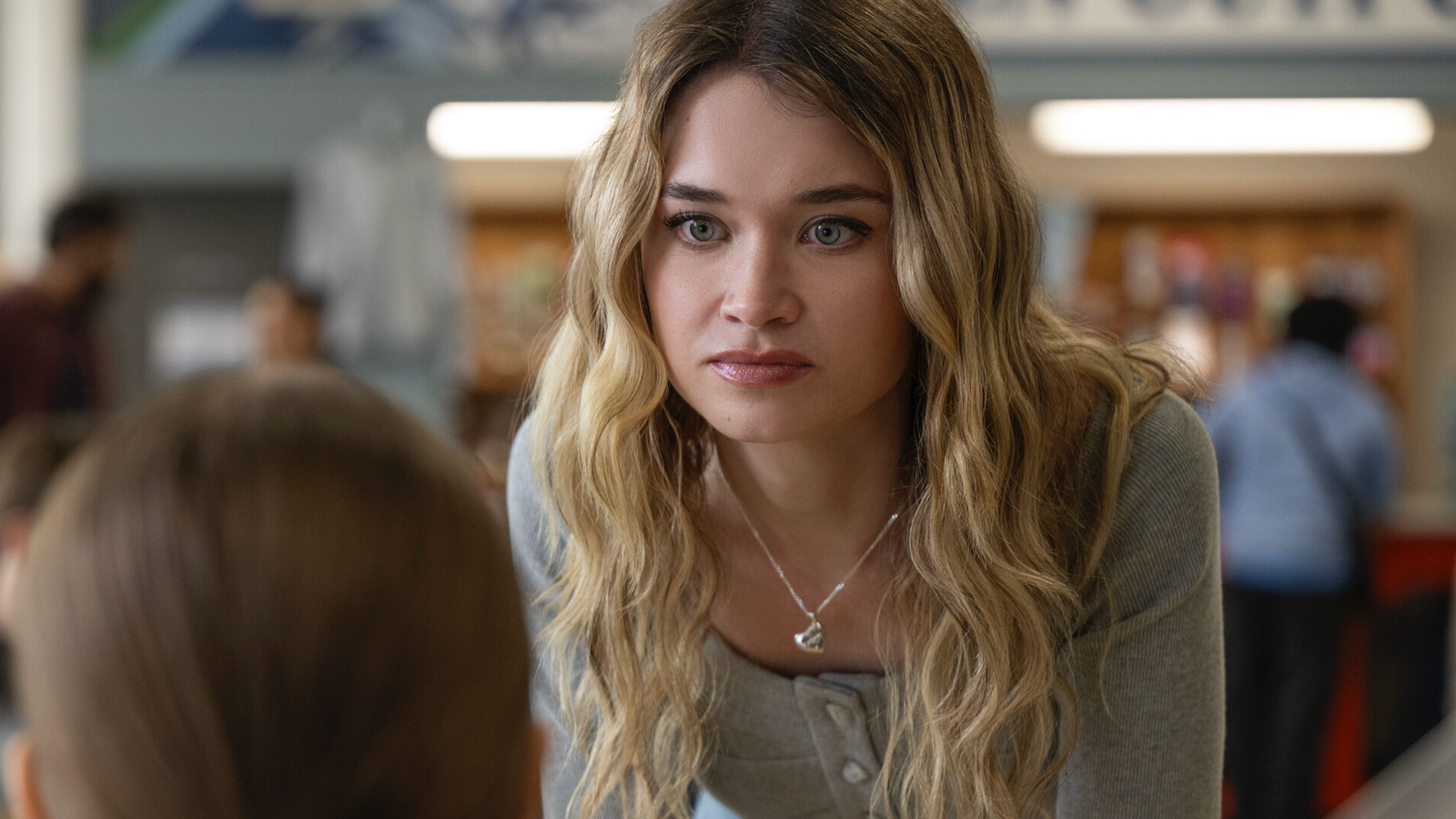
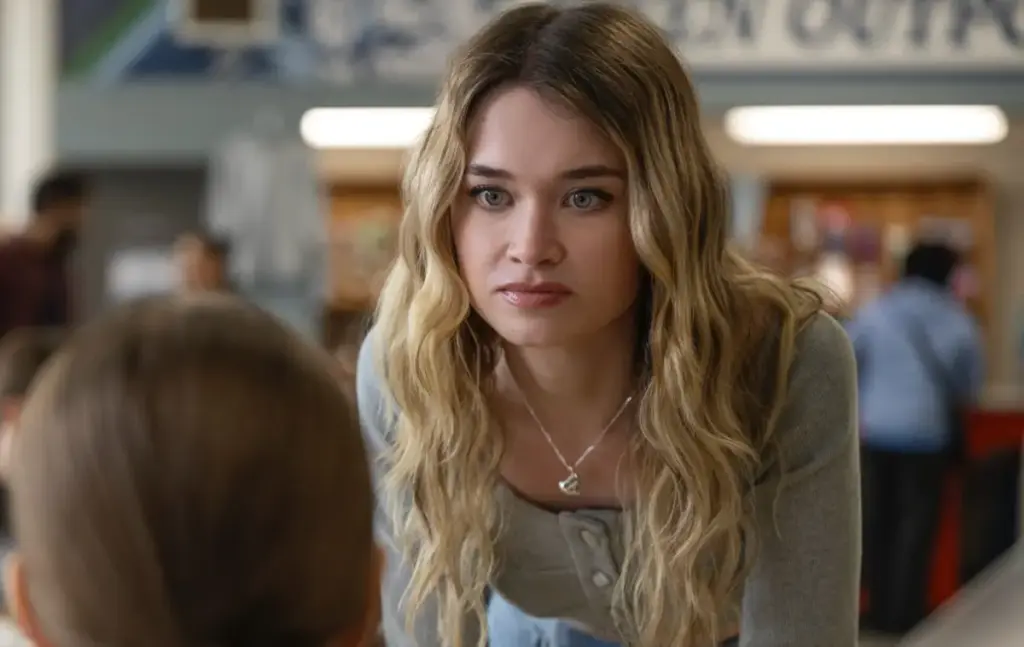
While Flanagan is widely known for frequently collaborating with a familiar repertory ensemble of actors across his various television and film projects, this upcoming adaptation introduces a refreshing mix of talent. The cast features notable newcomers such as Summer H. Howell and Amber Midthunder. This fresh infusion of actors helps ground a typical Flanagan production into something deeply relatable and grounded. In doing so, the series acts as a masterclass in vehicle construction, introducing newer, younger generations to a foundational piece of modern horror history—and demonstrating precisely why the legacy of Carrie endures half a century after its initial publication.
Carrie Gets to Spread Her Wings With This New Runtime
It is safe to assume that the cultural footprint of Carrie is ubiquitous, resonating even with individuals who have never opened the pages of the novel or watched the preceding films. The story has long since become universally synonymous with the devastating, insidious nature of adolescent bullying and institutional cruelty. However, the cultural landscape has shifted dramatically in the decades since the novel was published in 1974 and De Palma’s film premiered in 1976. Flanagan’s adaptation acutely leans into these modern societal transformations, utilizing its extended television runtime to fully flesh out the psychological dynamics of the characters and their claustrophobic Maine community.
It is no secret that contemporary technology and the pervasive influence of social media play a foundational role in this modern retelling. By thrusting Carrie White and her tormentors into a contemporary ecosystem defined by smartphones, constant connectivity, and viral apps, the series modernizes the harrowing psychological torture of teenage ostracization. Early reactions to the show have already singled out this structural update for high praise, noting how seamlessly the modern anxieties of digital cruelty integrate into the timeless narrative.

In his critical review of the series for Polygon, critic Jake Kleinman highlighted this agonizing modern shift, observing that while viewers inevitably anticipate the narrative’s ultimate, tragic horror arriving via Carrie’s catastrophic psychic outburst, watching the entire town squirm under the crushing pressure of anonymous social media accusations proves to be an even more agonizing experience.
Naturally, such a radical narrative update to a foundational text is bound to court controversy among purists. Yet, placed in the capable hands of creators who deeply understand the emotional core of King’s writing, the creative risk yields a fascinating, contemporary look at a decades-old story. Given Flanagan’s proven track record with complex character-driven horror, industry observers and fans alike have suggested he is uniquely qualified to handle the transition. Beneath its shocking supernatural exterior, Carrie has always carried profound emotional weight concerning abuse, religious fanaticism, and social isolation. That specific brand of emotional complexity can frequently be diluted when compressed within the rigid constraints of a feature film runtime.
With this adaptation representing the first time the pages of King’s novel are truly allowed to unfurl and tell the story across multiple hours of television, the trajectory of the narrative offers plenty of room for suspense and exploration. Critical reception ahead of the premiere has been largely favorable. The series currently holds a strong 84% approval rating on Rotten Tomatoes, where the critics’ consensus applauds the project for bringing a contemporary touch to a timeless work while providing the entire ensemble of performers ample opportunity to shine on screen.
The series is scheduled to make its official debut on Prime Video on October 7.