



The landscape of Financial Independence, Retire Early (FIRE) is facing a reckoning. As a new generation of aspiring savers grapples with post-pandemic economic realities, questions are mounting over whether classic FIRE advice has become obsolete for those who do not already own a home or pull down a six-figure tech salary.
The debate recently resurfaced following a reader comment left on a prominent personal finance platform, sparking a broader conversation about economic mobility, real estate markets, and the fundamental philosophies of modern thrift. The reader argued that much of the existing FIRE literature relies on outdated advantages, pointing to individuals who worked in technology two decades ago, secured high salaries, and purchased affordable real estate before the massive market shifts leading up to 2019.
According to the critique, traditional recommendations such as house-hacking or buying fixer-uppers have grown increasingly complex or entirely out of reach due to soaring prices and elevated interest rates. Furthermore, restrictive local zoning laws often prevent property owners from subdividing lots or establishing accessory dwelling units, leaving younger generations searching for a new blueprint for financial independence.

In evaluating these criticisms, financial commentators suggest that while economic conditions have shifted, the core tenets of the movement must be separated from common psychological hurdles like learned helplessness or external blame. Financial independence strategies have weathered numerous economic cycles and regulatory shifts over the years, yet the fundamental challenges of the current era center primarily on two factors: persistent income disparities and dramatic increases in housing costs.
Regarding income, high-earning professions continue to offer distinct advantages, and opportunities to boost earnings through career shifts remain viable. However, financial experts emphasize that soaring income has never been the primary focal point of effective wealth-building strategies. Experience shows that individuals can squander virtually any level of income and still finish with minimal savings. The ongoing financial stress experienced by high-earning professionals well into their careers serves as mathematical proof that elevated earnings must be paired with disciplined spending habits to accumulate substantial wealth.
Instead of fixating solely on maximizing income, the movement’s core philosophy centers on streamlining expenditures, eliminating waste, and living purposefully. These skills are essential for high earners, but they become critical necessities for individuals navigating tighter budget constraints.
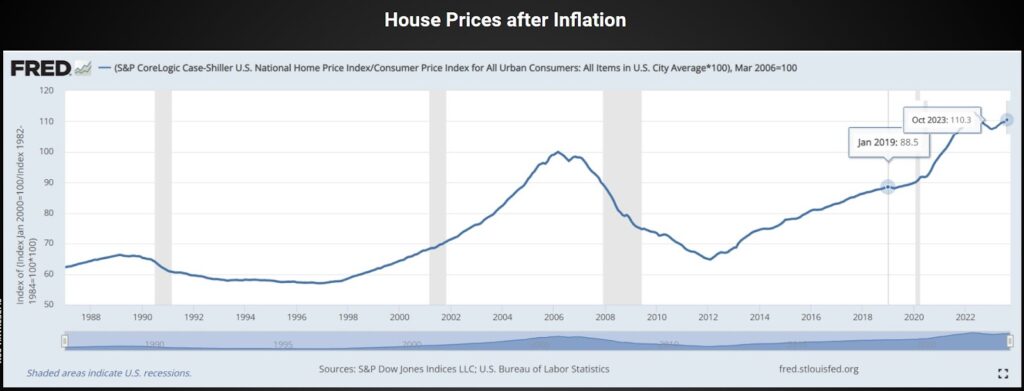
The more pressing obstacle for modern savers is the state of the housing market. Data from the St. Louis Federal Reserve indicates that nationwide housing prices, adjusted for inflation, are roughly 25% higher relative to average salaries and general consumer goods than they were at the start of 2019. Interestingly, when viewed over a broader historical timeline, prices stand only about 10% higher than their previous peak in early 2006, suggesting that while housing represents a significant hurdle, it does not completely invalidate long-term financial planning.
However, nationwide figures often mask severe localized spikes. In regions experiencing explosive growth, such as Longmont, Colorado, median home prices have tripled over the past decade, far outpacing average wage growth and pushing traditional homeownership further out of reach for local residents.
Addressing these regional cost disparities requires a departure from traditional thinking about geography and entitlement. Financial strategists argue that manufactured products like housing are subject to basic market forces of supply and demand. Being born or raised in a specific municipality does not guarantee the financial capacity to purchase property there, much in the same way residents of high-cost corporate hubs are not automatically entitled to luxury consumer goods.
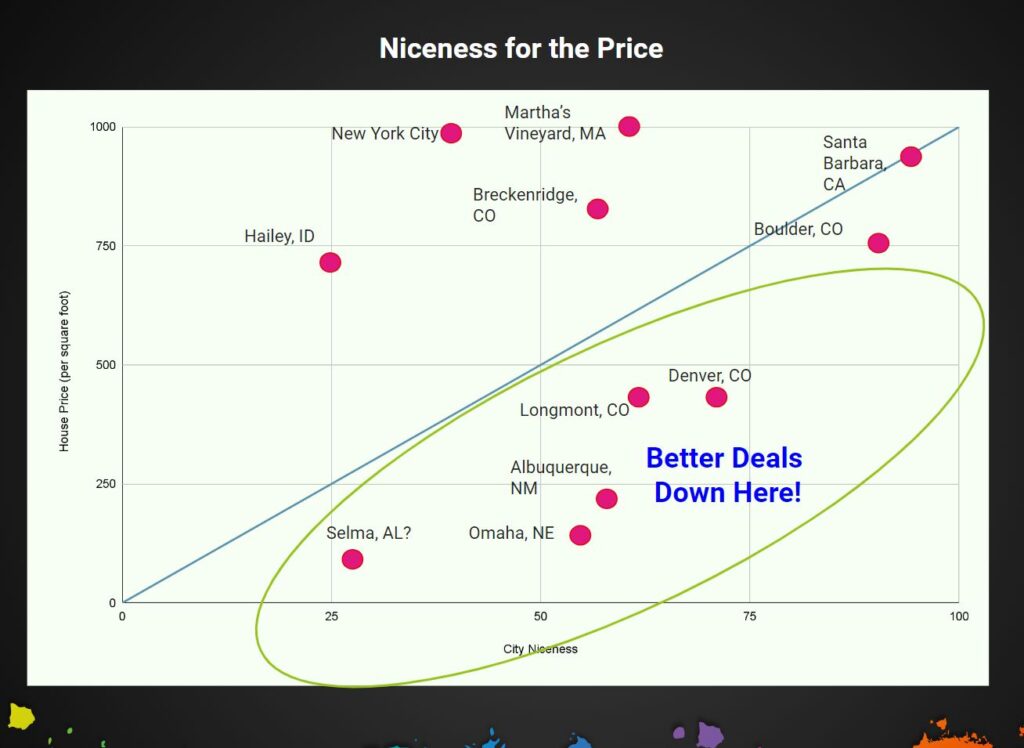
When evaluating real estate options, consumers must weigh renting, buying, or alternative living arrangements based on hard data rather than emotional attachment. While emotional ties to a hometown are powerful, a failure to objectively assess relocation options often locks individuals into inflated local markets. A broader look across the United States reveals a pronounced disparity between housing costs in different metropolitan areas. While a general correlation exists between the perceived desirability of a city and its cost of living, significant pricing inefficiencies remain, creating potential opportunities for mobile savers.
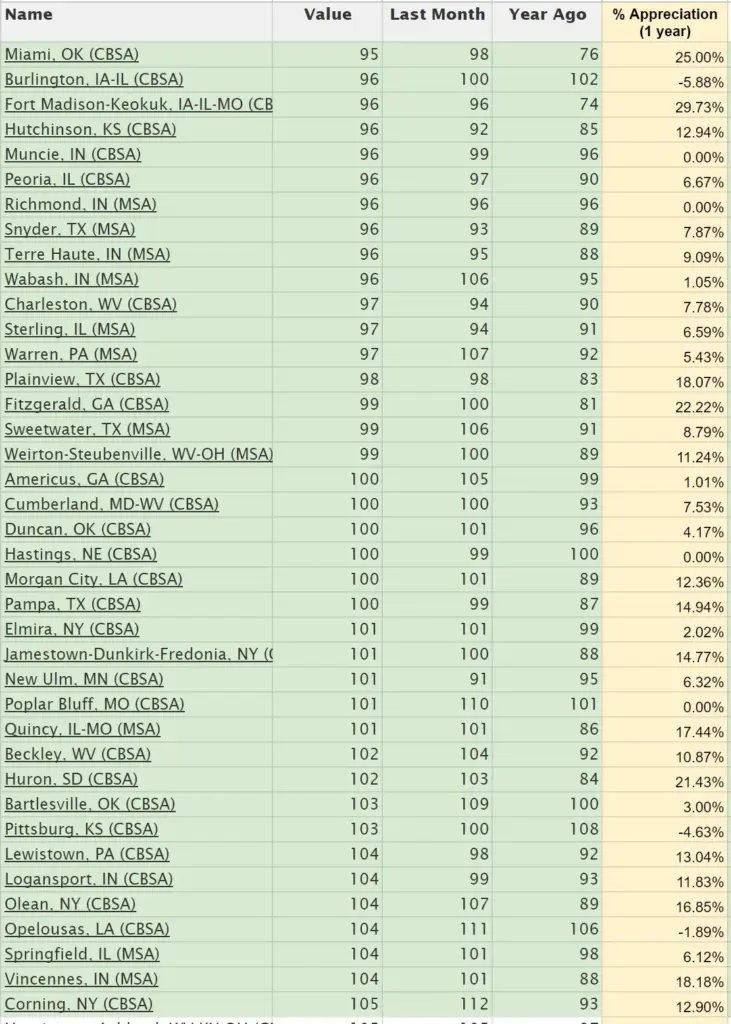
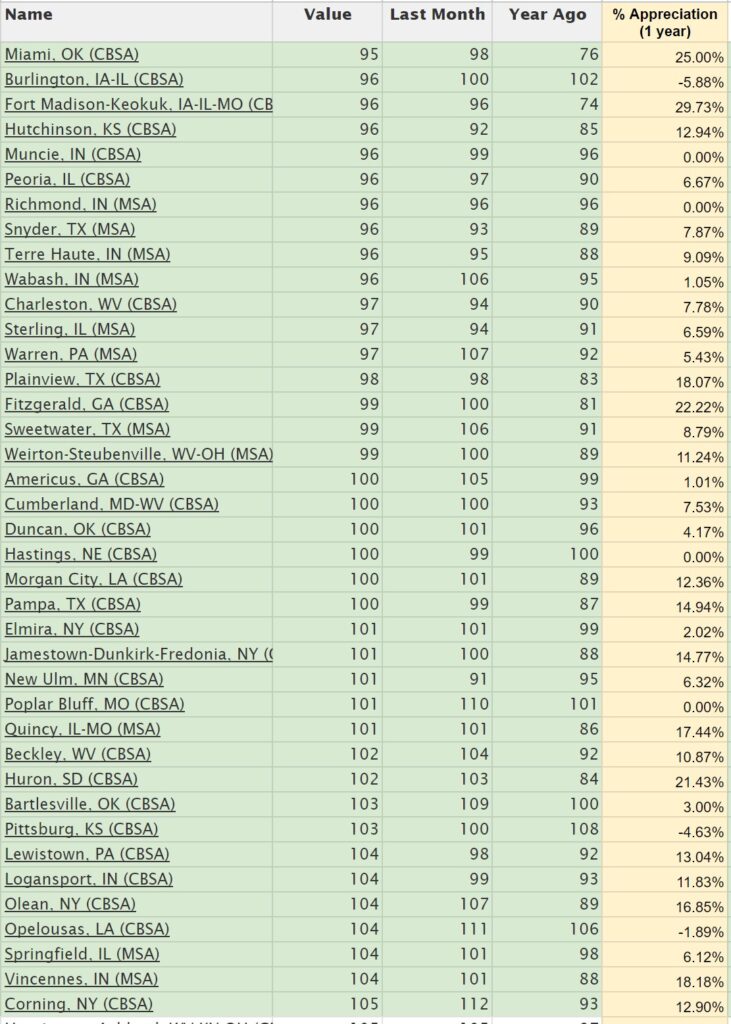
Data compiled from federal economic trackers highlights wide variances in price per square foot across hundreds of metropolitan areas. While high-growth tech hubs command premium prices, numerous mid-sized cities and regions offer spacious housing options at a fraction of the cost. Urban centers in the American South and Midwest, for instance, frequently present favorable cost-of-living metrics that allow savers to preserve their purchasing power without sacrificing access to amenities, natural recreation, or community infrastructure.
Beyond domestic relocation, a growing contingent of financial independence seekers is casting a wider net internationally. Specialized digital planning tools, such as cost-of-living calculators designed by early retirees, allow users to model expenses across North America, South America, and beyond by inputting specific budgetary, climatic, and demographic criteria.
Exploring international options reveals numerous urban and suburban centers where monthly living expenses are substantially lower than the U.S. national average. While moving abroad introduces administrative hurdles—such as navigating foreign residency laws, healthcare systems, and international travel—advocates argue that these bureaucratic challenges are manageable tasks rather than insurmountable barriers. Facing these logistical puzzles often proves far less daunting than remaining anchored to a high-cost location and working an extra decade solely to sustain an inflated cost of living.
Ultimately, physical environment—encompassing community, climate, and access to nature—remains one of the most vital components of a fulfilling life, with housing costs serving as only one piece of the broader equation. By approaching relocation and spending choices with analytical rigor, individuals can align their environments with their financial goals. Whether that means optimizing living arrangements within an existing city or exploring new domestic and international frontiers, the fundamental principle remains unchanged: housing is a deliberate choice, and thoughtful planning yields substantial long-term rewards.