
Integrating a probiotic powder into a dog’s daily feeding routine has become an increasingly popular choice for pet owners seeking to support their companion’s long-term wellness. The appeal of the powder format lies in its simplicity: a measured portion is mixed directly into daily meals, transforming a standard bowl of kibble or wet food into a targeted wellness delivery system. However, as the market for canine supplements expands, pet owners are finding that these powders differ significantly in their formulations, primary objectives, and active ingredients. While some products focus strictly on gastrointestinal care, others incorporate probiotics into a broader, multifunctional daily supplement.
In this veterinary-reviewed analysis, we examine the practical and clinical considerations of canine probiotic powders. Leading our evaluation is PetLabCo.® DF-14 Daily Foundation, a multifunctional powder designed to offer whole-body support alongside its probiotic components. By comparing this versatile formula with popular gut-only alternatives, this guide aims to help dog owners understand how to evaluate product labels, when a powder may be preferable to a soft chew, and what to verify with a veterinarian before introducing a new supplement to a dog’s bowl.
Analyzing the Market: How Leading Canine Probiotic Powders Compare
To make an informed decision, pet owners must look beyond branding and carefully evaluate what is written on the product label. Probiotic powders generally fall into one of two categories: multifunctional daily formulas or targeted, gut-only supplements. Understanding these distinctions is critical to selecting a product that aligns with a dog’s specific health goals.
Our comparative analysis highlights four prominent probiotic powders currently available, evaluated based on their active ingredients, colony-forming units (CFUs), strain variety, weight-based serving systems, and age guidelines.
1. PetLabCo.® DF-14 Daily Foundation
Positioned as a comprehensive, multifunctional daily powder rather than an isolated gastrointestinal formula, PetLabCo.® DF-14 Daily Foundation is designed to support 14 distinct areas of canine health. At the core of its formulation is a three-organism probiotic blend consisting of Bacillus subtilis, Bifidobacterium animalis subsp. lactis, and the beneficial yeast Saccharomyces boulardii. Depending on the specific tub size and scoop utilized, this blend delivers between 14.5 million and 100 million CFUs per serving.
What sets this product apart from gut-only alternatives is its extensive matrix of 11 additional active ingredients. These include joint-support agents like glucosamine and chondroitin; cardiovascular and metabolic aids such as taurine and L-carnitine; immune and systemic support from astragalus, cranberry, lactoferrin, and vitamins C and E with beta-carotene; and dental health support via sodium hexametaphosphate. It also contains fructooligosaccharides (FOS) and a postbiotic yeast blend to nourish beneficial gut microbes.
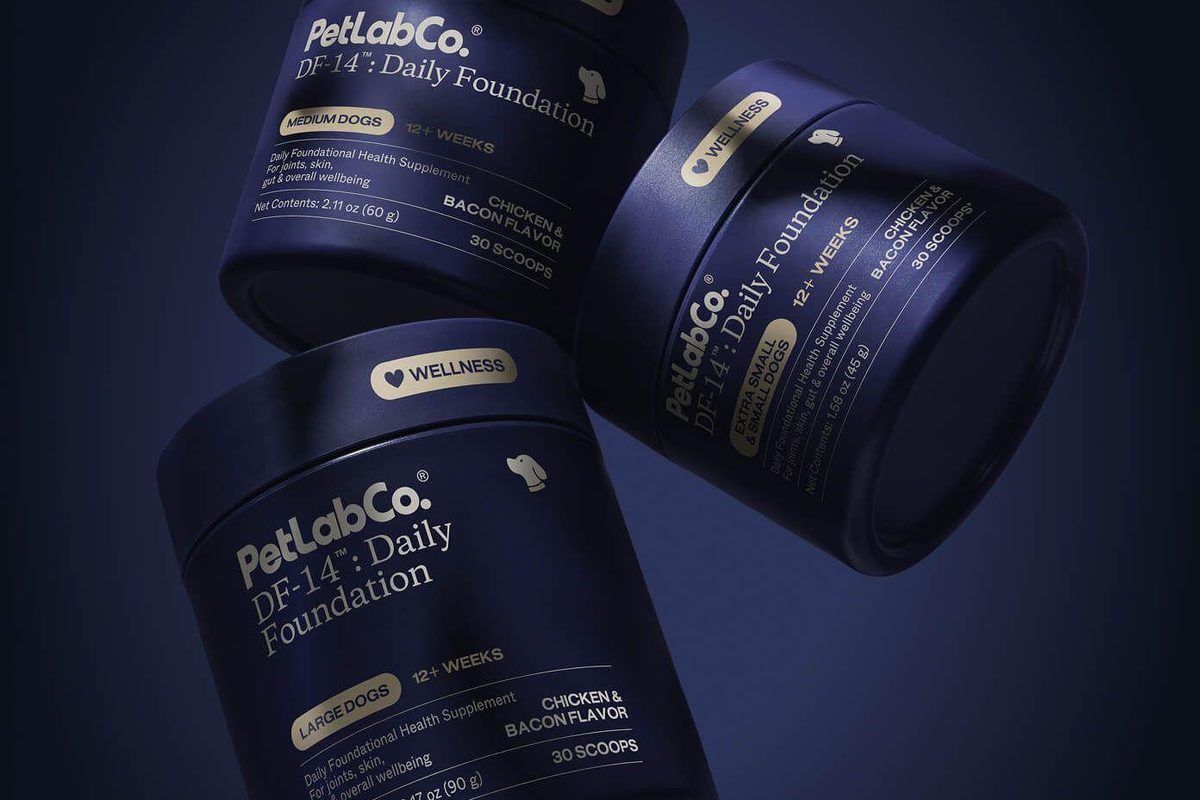
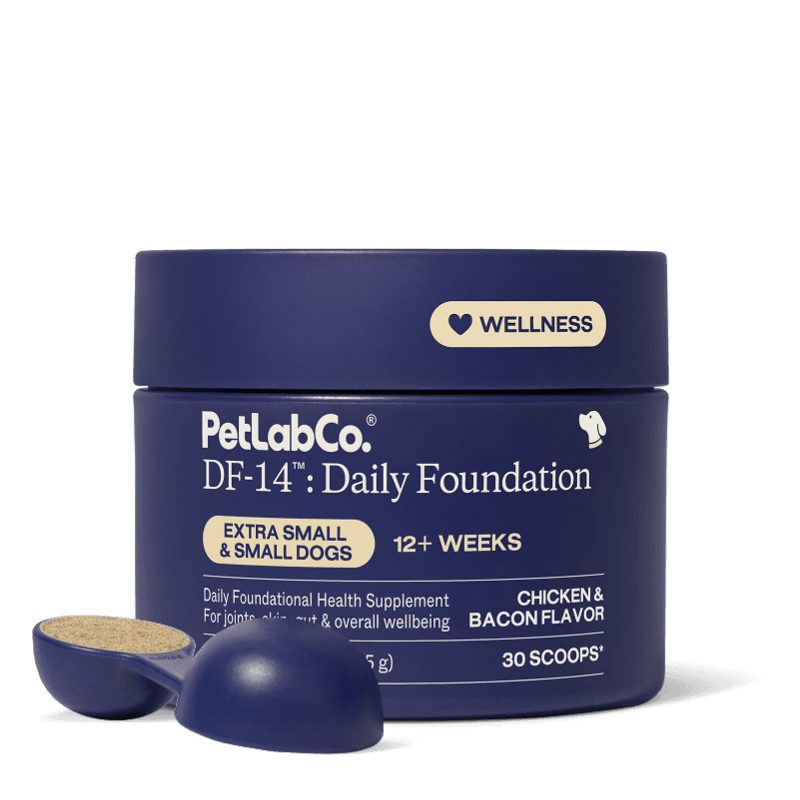
Designed for dogs 12 weeks of age and older, DF-14 features a weight-specific serving system across Small, Medium, and Large tubs, each equipped with dedicated scoops to ensure precise dosing. Because it contains animal-derived ingredients—including krill, crawfish-derived glucosamine, bovine chondroitin, and hydrolyzed chicken liver flavor—owners of dogs with strict dietary restrictions should consult their veterinarians before introduction.
2. Purina Pro Plan Veterinary Supplements FortiFlora Canine
Widely recognized and frequently recommended within clinical veterinary medicine, FortiFlora is a highly targeted, gut-only probiotic powder. Each single-gram sachet delivers 100 million CFUs of a single, rigorously researched bacterial strain: Enterococcus faecium SF68. The inactive ingredients are kept minimal, consisting primarily of liver flavor and yeast, alongside select antioxidants to support immune health.
FortiFlora is formulated for both puppies and adult dogs, with a standard recommendation of one packet daily regardless of the dog’s body weight. This single-strain, highly focused approach makes it an excellent choice when a veterinarian has specifically prescribed a targeted probiotic to address acute gastrointestinal distress or to support gut health during antibiotic therapy. However, because it contains no prebiotics, joint protectants, or multi-organ vitamins, owners seeking broader, everyday health support may find its narrow scope limiting.
3. Native Pet Probiotic
For pet owners seeking a high-potency, multi-strain gut formula, Native Pet Probiotic offers a robust alternative. This powder contains four distinct probiotic organisms: Bacillus coagulans, Enterococcus faecium, Bifidobacterium animalis, and Bifidobacterium bifidum. Together, they deliver a substantial 6 billion CFUs per scoop.
To support these live microorganisms, the formula includes organic inulin derived from Jerusalem artichoke and organic pumpkin seed, which serve as prebiotic fibers. These active ingredients are delivered in a savory, dehydrated beef-broth base, making it highly palatable for most dogs. Native Pet recommends this product for dogs over three months of age, with weight-based dosing structured around a standard four-gram scoop per 50 pounds of body weight daily. While highly effective for targeted digestive support, its beef-broth base may not be suitable for dogs on restricted-protein diets, and it does not offer systemic support outside of the digestive tract.
4. Zesty Paws Probiotic Powder for Dogs
Zesty Paws offers a gut-focused probiotic powder packaged in convenient, single-serve sachets, featuring a pumpkin flavor profile. The formula is built around Bacillus subtilis DE111 and Saccharomyces boulardii, providing 800 million CFUs per serving. This probiotic blend is complemented by inulin, flaxseed, and pumpkin powder to assist with overall digestion.
Marketed primarily for adult and senior dogs, this product is designed for owners who appreciate the pre-measured convenience of individual packets. However, the product documentation lacks specific details regarding age minimums, weight-based serving sizes, or exact serving weights in grams. Consequently, owners of exceptionally small or large dogs may find the lack of size-specific dosing directions less precise than the scoop-based systems offered by Native Pet or PetLabCo.® DF-14.
Key Criteria for Evaluating Canine Probiotics
When comparing probiotic powders, pet owners should avoid the common pitfall of assuming that the product with the highest CFU count or the longest ingredient list is inherently superior. A successful comparison requires matching the supplement’s formulation directly to the dog’s unique physical needs.
Understanding CFUs and Strain Specificity
Colony-Forming Units (CFUs) represent the number of viable, active microorganisms present in each serving of a supplement. While a higher CFU count can be beneficial for certain acute digestive issues, it is not a universal indicator of product quality or efficacy. Different bacterial and yeast strains serve different purposes.
Furthermore, scientific literature regarding probiotics is highly strain-specific. Clinical studies demonstrating that a particular bacterial strain supports intestinal health do not guarantee that a different strain of the same species will yield identical results. Pet owners should ask their veterinarians how closely the clinical evidence behind a specific strain aligns with their dog’s health requirements.
Ingredient Fit and Dietary Restrictions
Because many probiotic powders utilize animal-derived flavorings to enhance palatability, reviewing the full ingredient list is essential. For instance, PetLabCo.® DF-14 utilizes a chicken-and-bacon flavor profile and contains krill, shellfish-derived glucosamine, and bovine chondroitin. Native Pet relies on a beef-broth base, and Purina FortiFlora uses animal liver flavor. If a dog is undergoing an elimination diet trial or has a diagnosed food allergy, even a small daily dose of an unapproved protein source can disrupt their veterinary care plan.
Best Practices for Serving Probiotic Powders
The practical success of a powder supplement depends heavily on consistent administration and accurate dosing. To establish a reliable routine, pet owners should implement a few straightforward feeding habits.
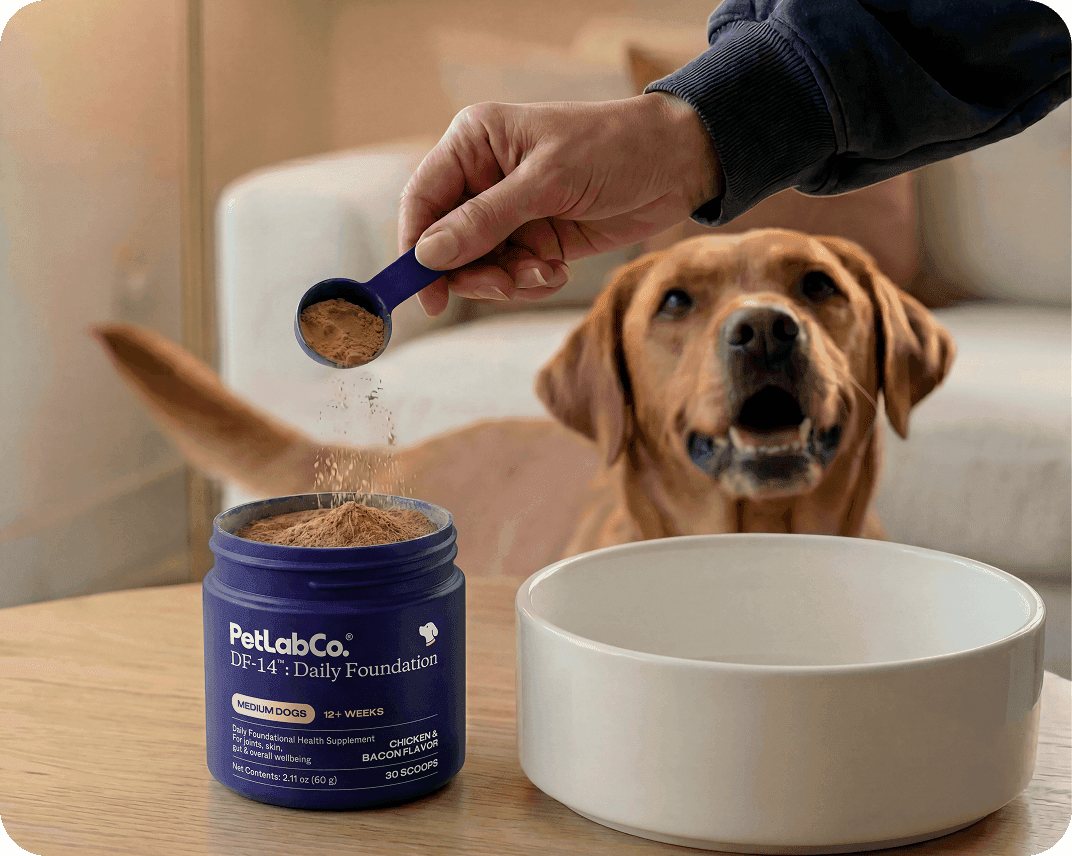
- Ensure Complete Consumption: A powder is only effective if the dog consumes the entire serving. If a dog is a picky eater or leaves food behind, the actual intake of the supplement becomes uncertain. Mixing the powder thoroughly into wet food, fresh food, or kibble moistened with a little water or broth can help ensure the powder adheres to the meal and is fully consumed.
- Maintain Scoop Integrity: When using products with weight-specific dosing like PetLabCo.® DF-14, always use the scoop provided in that specific tub. Do not substitute household spoons, which can lead to under- or over-dosing. In multi-dog households where dogs fall into different weight brackets, keep each tub and its corresponding scoop strictly separated.
- Observe and Record: When introducing a new supplement, keep the rest of the dog’s diet, treats, and routine completely stable. Changing multiple variables simultaneously makes it difficult to pinpoint the cause of any subsequent changes in appetite, behavior, or stool consistency. Keeping a simple log of the start date, the exact product used, and daily observations can provide valuable context for your veterinarian.
- Proper Storage: To preserve the viability of the live microorganisms, store probiotic powders according to the manufacturer’s instructions. This generally involves keeping the container tightly sealed in a cool, dry place away from direct sunlight. Avoid transferring the powder to unlabeled decorative jars, as this increases the risk of moisture exposure and the loss of critical safety and dosing information.
Understanding the Clinical Context of Canine Probiotics
While probiotics are widely utilized to support digestive health, they are supplements, not medications. According to resources from Cornell University’s Riney Canine Health Center, the efficacy of a probiotic depends heavily on the specific strains used, the viability of the organisms upon consumption, and the individual dog’s microbiome.
For example, the beneficial yeast Saccharomyces boulardii—found in both PetLabCo.® DF-14 and Zesty Paws—was evaluated in a small-scale 2018 study published in the Journal of Veterinary Internal Medicine. The study examined the yeast’s role as an adjunctive therapy for dogs diagnosed with chronic enteropathy. While the findings suggested some positive outcomes, the researchers emphasized that the study’s small sample size limits broad generalizations. This highlights an important distinction: scientific research on individual active ingredients should not be interpreted as direct clinical proof that a commercial product containing those ingredients will cure or prevent a specific disease.
A daily probiotic powder cannot replace a balanced, complete diet, nor should it delay professional medical intervention when a dog is unwell. If a dog exhibits clinical signs such as persistent diarrhea, vomiting, blood in the stool, lethargy, or a sudden loss of appetite, owners should seek veterinary care immediately rather than attempting to manage the symptoms at home with over-the-counter supplements.
Powder vs. Soft Chew: Which Format Fits Your Lifestyle?
Choosing between a probiotic powder and a soft chew is primarily a decision of convenience, palatability, and daily routine. Both formats can deliver high-quality ingredients, but each offers distinct practical advantages.
Advantages of Powders
Powders are highly versatile meal toppers, making them an excellent choice for dogs that look forward to mealtime and reliably finish their food. For owners who prefer to minimize the number of separate treats given throughout the day, mixing a powder directly into breakfast or dinner is a seamless solution. Additionally, powders often make it easier for manufacturers to formulate multifunctional products with high concentrations of diverse active ingredients, such as the joint, heart, and dental support found in DF-14.
Advantages of Soft Chews
Soft chews may be a more practical option for dogs that graze on their dry kibble throughout the day, as a powder mixed into a grazing bowl can settle to the bottom or remain uneaten. A soft chew can be administered as a distinct, highly palatable treat, allowing the owner to immediately confirm that the entire dose was swallowed. However, when switching between formats, owners must remember that they are often changing the overall formula as well. Transitioning from a multifunctional powder to a simple gut-only chew means losing the extra joint, skin, and systemic support ingredients, which may require restructuring the dog’s overall supplement plan in consultation with a veterinarian.
Frequently Asked Questions
What is the most recommended probiotic powder for dogs?
The most appropriate probiotic powder depends entirely on your dog’s individual health profile and goals. If your veterinarian has recommended a targeted, single-strain probiotic to address a specific gastrointestinal issue, a product like Purina Pro Plan Veterinary Supplements FortiFlora is often the primary choice. If you are seeking a broad, daily wellness supplement that includes probiotic support alongside joint, heart, and immune-support ingredients, a multifunctional powder like PetLabCo.® DF-14 Daily Foundation may be more suitable.
Can I give my dog probiotic powder every day?
Yes, many canine probiotic powders are specifically formulated for daily, long-term administration to support a stable gut microbiome. For example, PetLabCo.® DF-14 is designed for once-daily use at mealtime, with servings carefully scaled to the dog’s body weight. However, daily supplementation should always be discussed with a veterinarian, particularly if your dog has underlying medical conditions, takes daily medications, or is on a restricted diet.
Which probiotic do veterinarians recommend for dogs?
Veterinarians recommend probiotics based on the specific clinical needs of the dog. They typically look for products manufactured by reputable brands that provide clear strain identification, guaranteed CFU counts at the end of the product’s shelf life, and independent quality testing. When consulting your veterinarian, always bring the actual product packaging or a clear photo of the ingredient label so they can review the complete formula.
What are the signs a dog might benefit from probiotics?
Common indicators that a dog’s gut microbiome may benefit from support include occasional flatulence, mild changes in stool consistency, or digestive sensitivity during times of mild stress, such as boarding or traveling. Because these signs can also indicate more serious underlying medical conditions, any persistent digestive issues should be evaluated by a veterinarian before attempting to treat them with supplements.
What can I give my dog instead of probiotics?
If your dog does not tolerate probiotic powders or if you are looking for alternative ways to support their digestive health, your veterinarian may recommend a high-quality, highly digestible diet formulated with prebiotic fibers. Avoid giving your dog human fermented foods or human-grade probiotic supplements without direct professional guidance, as these products may contain ingredients that are unsuitable or toxic to dogs.