


BOSTON — The People for the Ethical Treatment of Animals (PETA) has filed a pair of public records lawsuits in Suffolk County Superior Court against the University of Massachusetts–Amherst and the University of Massachusetts Chan Medical School, escalating a protracted battle over institutional transparency and the governance of animal experimentation at publicly funded academic facilities.
The legal action, initiated on October 6, 2026, centers on the universities’ alleged refusals to disclose foundational information regarding their Institutional Animal Care and Use Committees (IACUCs). These federally mandated panels are tasked with reviewing, overseeing, and ultimately approving scientific research protocols involving live animals.
According to PETA’s legal filings, because both institutions receive public funding, citizens hold an inherent right to scrutinize the composition of these committees, examine the decision-making processes governing animal research, and verify whether the panels are legally constituted. Furthermore, the organization is demanding access to detailed meeting records that could illuminate how committee members discuss, evaluate, and authorize specific laboratory experiments involving animals.
How We Got Here
The lawsuits represent the culmination of months of friction between the animal advocacy organization and the university system regarding open records laws in Massachusetts.

The dispute involving UMass Chan began in January of this year, when PETA submitted a formal public records request seeking the full names of the medical school’s animal care committee members, alongside meeting notices, official agendas, and comprehensive minutes. Initially, representatives for UMass Chan indicated that the names of the committee members would be released. However, the university subsequently reversed its position, withholding the identities under the assertion that the information is legally protected by privacy and security exemptions outlined in the Massachusetts Public Records Law.
A parallel conflict unfolded at UMass–Amherst, beginning with a records request filed by PETA in October 2025 seeking the meeting minutes of the school’s animal care committee. After a five-month delay, UMass–Amherst produced heavily redacted documents in March 2026. The university scrubbed the initials of committee members from nearly every section of the paperwork, leaving them visible only on isolated attendance logs. Additionally, administrators redacted substantial portions of the text detailing committee activities, citing statutory exemptions that protect "deliberative" material and proprietary "trade secrets."
PETA’s legal team contends that these exemptions are being misapplied and do not lawfully cover the requested documents. Under Massachusetts law, public records are broadly presumed to be open to inspection unless the custodian agency can legally and demonstrably prove that a specific exemption applies. PETA argues that neither campus has met this rigorous legal burden.
PETA’s Winning Record
The current litigation is not the first time PETA and the University of Massachusetts have clashed over the confidentiality of animal care oversight bodies.
In 2025, UMass–Amherst resolved a multi-year lawsuit brought by PETA over similar public records disputes. Under the terms of that settlement, the university agreed to release the entirety of the requested public records, disclose the full names of the individuals serving on its 2025 animal care committee, and pay $50,000 to cover PETA’s accrued legal fees and associated litigation costs.
Shortly after that settlement concluded, PETA filed a subsequent records request for UMass–Amherst’s subsequent animal care committee meeting minutes, a move that ultimately stalled and led directly to the newly filed Suffolk County lawsuit.
Beyond Massachusetts, PETA has successfully waged similar transparency campaigns in other jurisdictions. In a notable precedent involving the University of Washington, PETA secured a favorable ruling from the U.S. Court of Appeals for the Ninth Circuit. The federal appeals court determined that releasing the names of IACUC members does not violate personal privacy rights, classifying the names as basic biographical data that the public is entitled to review when evaluating publicly funded research operations.
What You Can Do
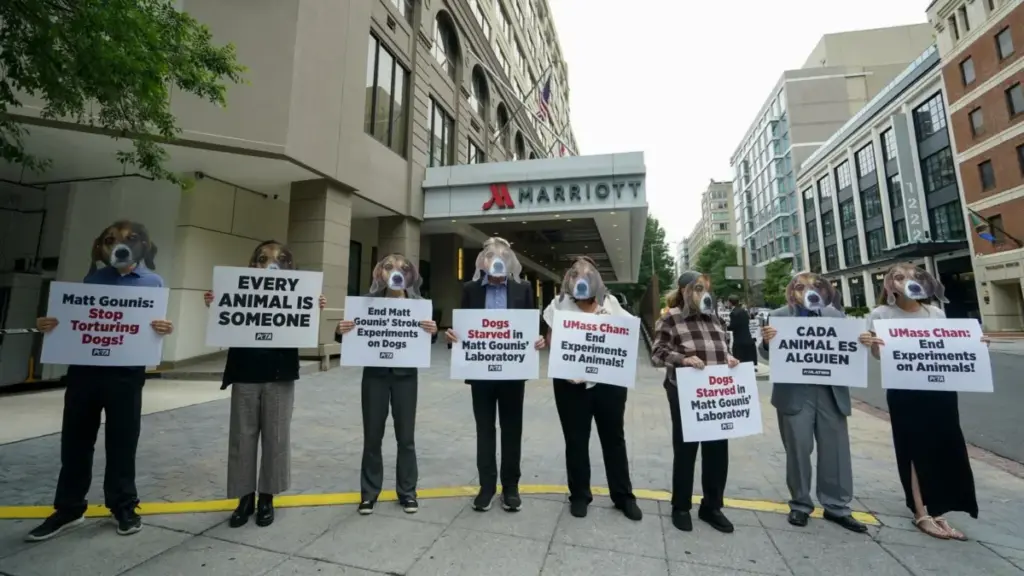
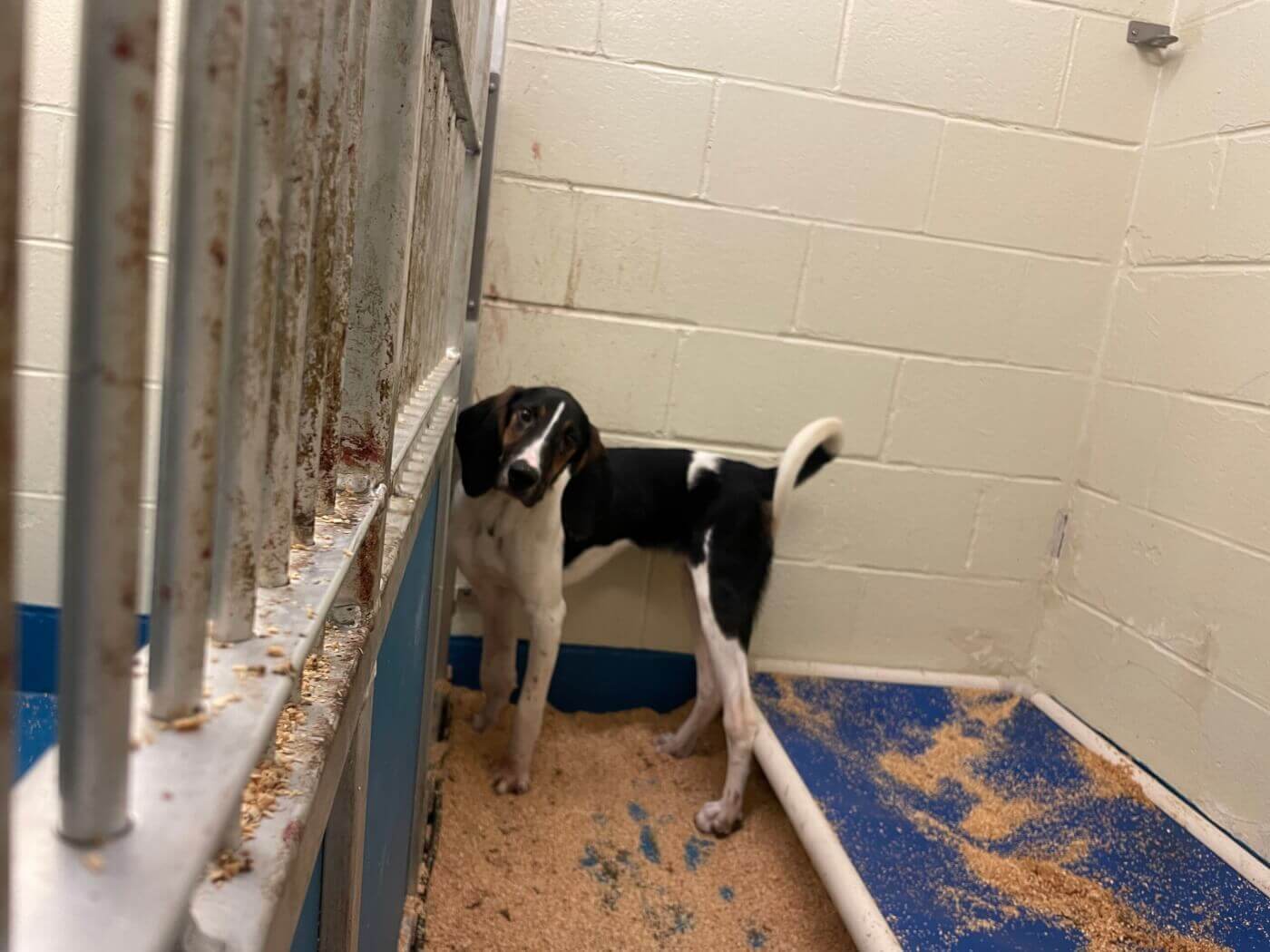
As the legal battle proceeds through the state court system, PETA continues to draw public attention to the nature of the research conducted behind closed doors at the university facilities. At UMass Chan, laboratory personnel utilize a variety of species, including ferrets, hamsters, mice, rats, and pigs, for experimental purposes. Records and documentation highlighted by the organization indicate procedures ranging from surgical interventions on dogs to induce strokes, to the deliberate infection of animals with blood-sucking parasites, the genetic breeding of subjects to develop painful neurodegenerative disorders, and the direct injection of chemical substances into animal brains.
In light of these practices, PETA is urging members of the public to contact UMass Chan leadership to demand an end to animal-based experimentation at the institutions, calling instead for a transition toward modern, human-relevant, and non-animal research methodologies.