




Psychological thriller television shows occupy a unique space in modern entertainment, offering viewers an immersive experience defined by slow-burning tension and deep emotional resonance. Unlike traditional action-driven narratives or fast-paced procedurals, psychological thrillers rely heavily on episodic structures that allow fear, anxiety, and moral ambiguity to accumulate gradually. This deliberate pacing creates a palpable suspense that enriches the storytelling, transforming standard genre tropes into profound character studies. Landmark series such as Mr. Robot and Dexter illustrate the breadth of the genre, each approaching dark subject matter through drastically distinct stylistic lenses while maintaining a shared commitment to psychological depth and complex character motivations.
Across the television landscape, creators have utilized various frameworks to engage audiences, ranging from time-tested procedural investigations to sprawling, multi-season mysteries populated by shocking narrative reveals. The overarching objective remains consistent: to captivate viewers by exploring the darkest, most complex recesses of the human mind. Yet, despite the immense popularity of these psychological journeys, many contemporary touchstones—such as the harrowing societal critique of Squid Game or the meticulous FBI profiling of Mindhunter—are locked behind paywalls, requiring active monthly subscriptions to premium streaming ecosystems like Netflix or Prime Video.
For enthusiasts seeking high-quality psychological thrillers without the burden of recurring monthly fees, alternative ad-supported streaming platforms provide a viable pathway. Services such as Pluto TV, Plex, and Roku offer extensive libraries of acclaimed television at absolutely no cost. To help viewers navigate these free platforms, industry critics have highlighted five exceptional psychological thriller television shows currently available to stream without a paid subscription, each offering a distinct exploration of trauma, obsession, and the human psyche.
Twin Peaks
Where to watch: Pluto TV
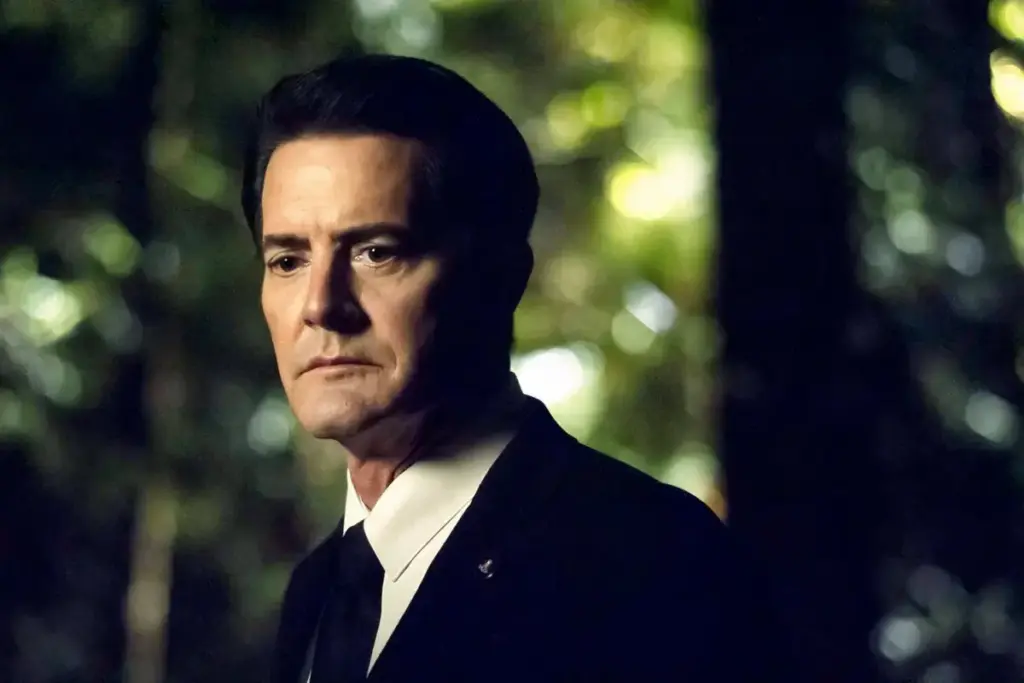
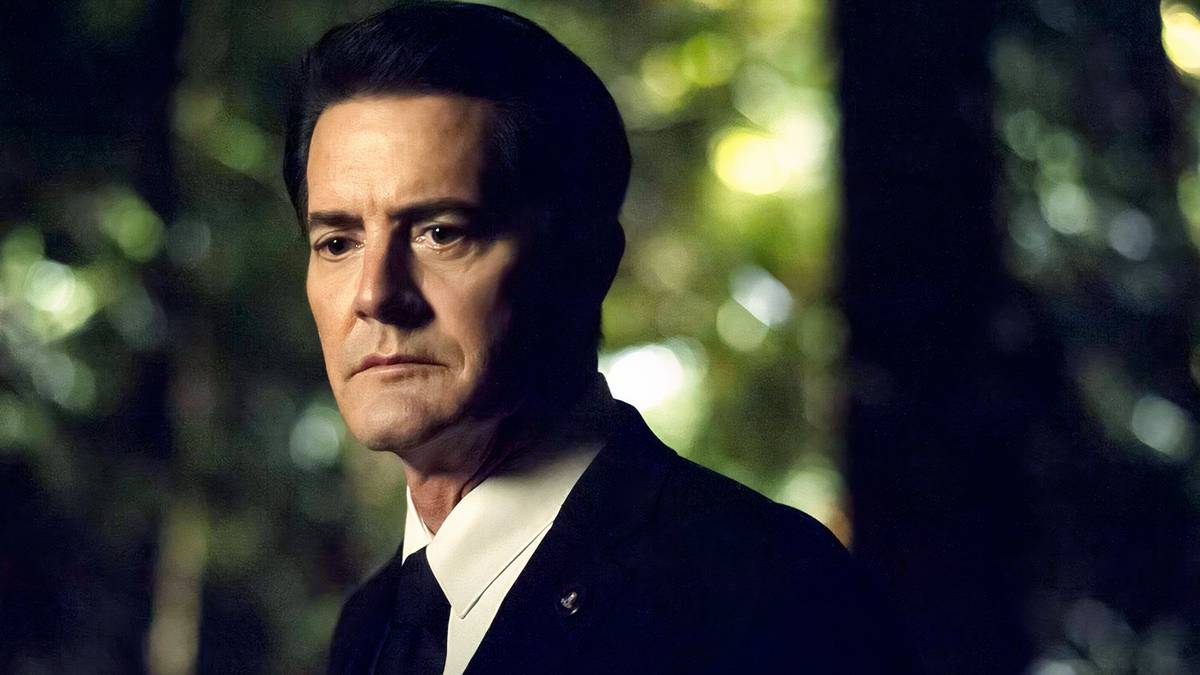
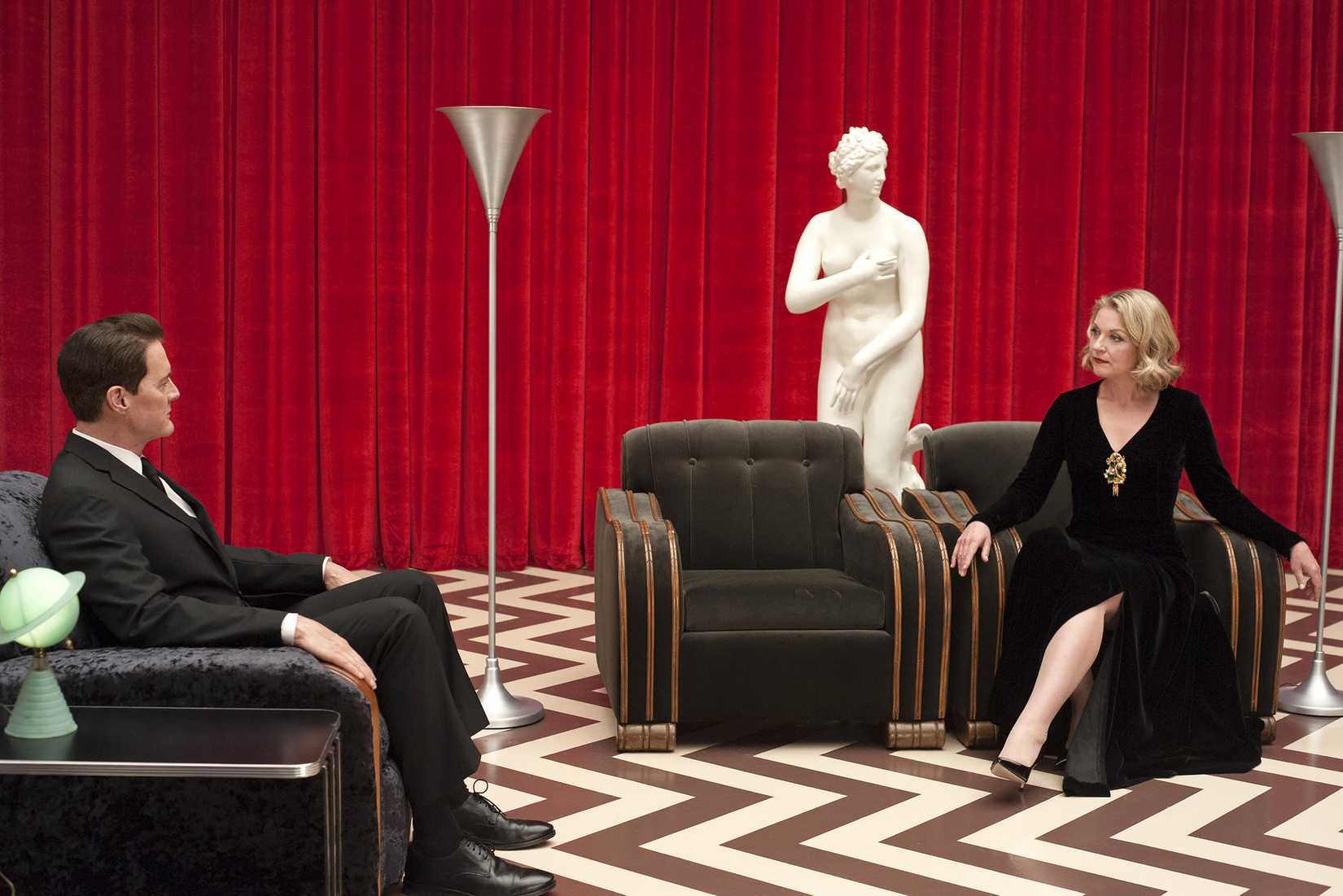
Created by David Lynch and Mark Frost, Twin Peaks famously defies rigid genre categorization, blending elements of a traditional crime procedural, a satirical soap opera, and surreal horror with a slow-burn psychological thriller. The narrative shatters the peaceful facade of an idyllic Pacific Northwest logging town when the lifeless body of teenager Laura Palmer, portrayed by Sheryl Lee, washes ashore wrapped in plastic. While the initial investigative thrust centers on finding her killer, FBI Special Agent Dale Cooper, played by Kyle MacLachlan, is quickly drawn into the esoteric, supernatural secrets lingering beneath the town’s surface.

Although Lynch’s lifelong preoccupation with dream logic, doppelgängers, and psychosexual metaphors gradually unravels across three distinct television seasons, Twin Peaks remains firmly anchored by a complex crime drama framework. The residents of the town are profoundly haunted by grief and trauma, which manifest as tangible malevolence within a community harboring a terrifying seedy underbelly. The psychological implications surrounding Laura Palmer’s final moments gain extraordinary significance as the investigation progresses, linking back to the profound suffering she endured. Decades after its initial premiere, Twin Peaks stands as a gold standard for mystery-centered television, successfully balancing visceral thrills and deep psychological complexity in ways few subsequent series have managed to replicate.
The Fall
Where to watch: Roku
In the tense Anglo-Irish drama The Fall, Metropolitan Police Superintendent Stella Gibson, portrayed by Gillian Anderson, is dispatched to the Police Service of Northern Ireland to assist with an open and stalled murder investigation in Belfast. Concurrently, a methodical serial killer named Paul Spector, played by Jamie Dornan, is actively targeting and murdering women across the city. This revelation prompts Stella and her local colleagues to attempt a swift apprehension, a task complicated immensely by Spector’s carefully constructed double life as a devoted family man and professional bereavement therapist.
Rather than functioning as a traditional whodunit mystery, The Fall operates as a tense "howcatchem" narrative that leans heavily into psychological thriller tropes, reveling in elaborate mind games and duplicitous intentions. Both Stella and Paul are depicted as brilliant, methodical individuals, establishing a uniquely charged intellectual dynamic between the investigator and her quarry. Paul’s violent compulsions are deeply rooted in a desire to exert power and control over single, professional women, reflecting a hyperspecific misogynistic mindset that the series explores with considerable nuance. The show cultivates a persistent, palpable sense of anxiety by confronting real-world violence against women, creating an intense, cat-and-mouse dynamic at the center of this grim drama.
Hannibal
Where to watch: Plex
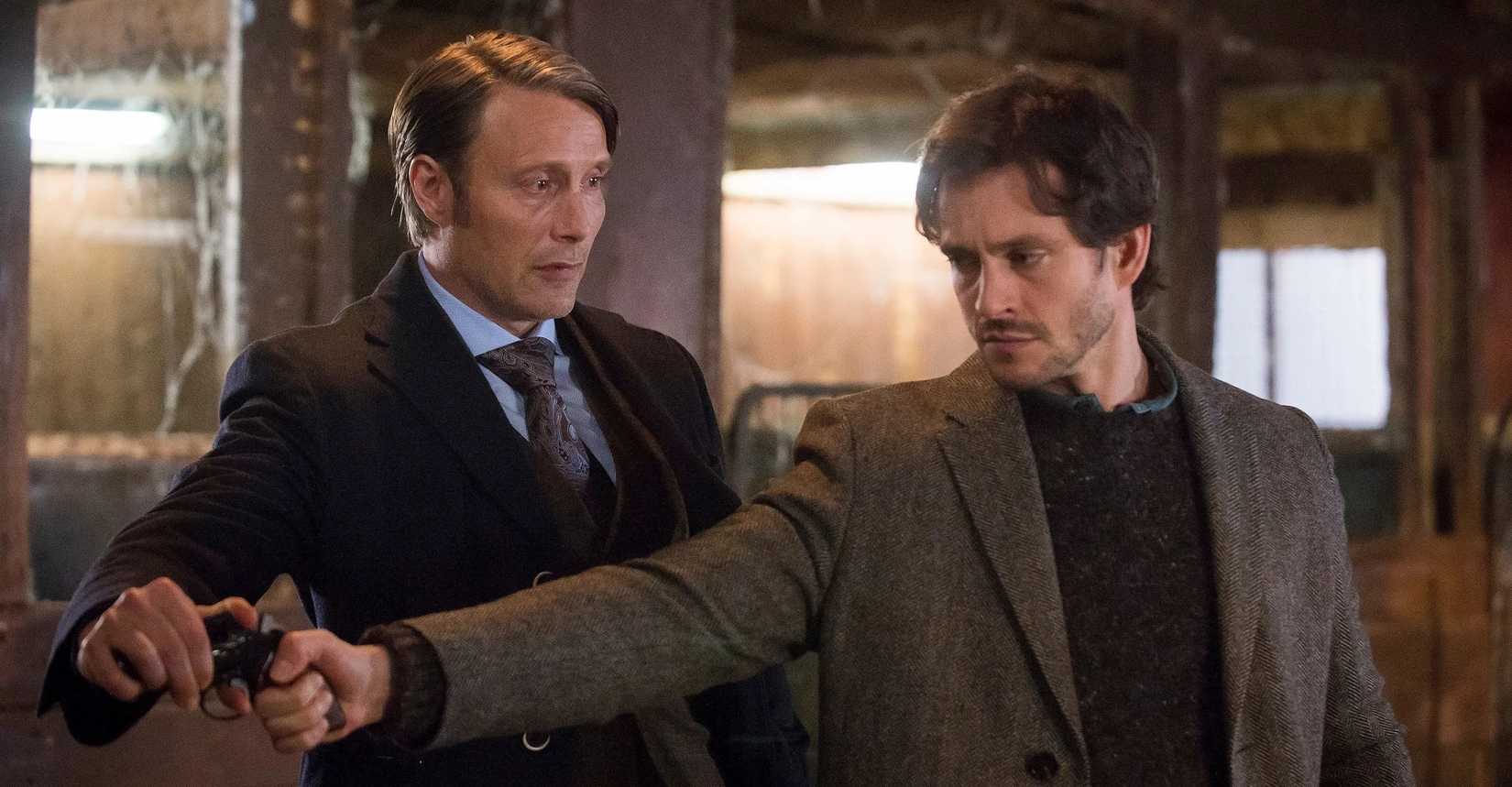
While showrunner Bryan Fuller built the acclaimed NBC series Hannibal upon the already-established foundation of Thomas Harris’ literary source material, the resulting television adaptation stands as an inimitable genre gem. Harris’ novel Red Dragon previously established the intricate psychological interplay between the refined psychiatrist Dr. Hannibal Lecter, played by Mads Mikkelsen, and FBI special investigator Will Graham, portrayed by Hugh Dancy. Fuller expands this dynamic into a beautifully twisted, mutually dependent relationship that serves as the emotional and thematic core of the entire series. This version of Graham is continuously tormented by his own psychological demons, possessing an overwhelming empathetic capacity that allows him to solve grotesque crimes through intense first-person reconstructions of the crime scenes.

Hannibal challenges standard television procedural conventions by adopting a macabre, almost poetic approach to violence and psychopathy. While the predator-and-prey dynamic between Hannibal and Will remains paramount, the series utilizes elaborate, drawn-out investigations to explore deviant human behavior. The core thriller aspect manifests in the dramatic irony separating the audience’s objective awareness of Hannibal’s monstrous nature from the characters within the story who remain entirely oblivious, including special agent Jack Crawford, played by Laurence Fishburne, who is ultimately blindsided by the truth. Through lush visual metaphors and unforgettable dialogue, Hannibal established a new benchmark for psychological thrillers willing to embrace the unexpected.
Terror in Resonance
Where to watch: Roku
Shinichirō Watanabe is globally celebrated for groundbreaking anime classics such as Cowboy Bebop and Samurai Champloo, but his psychological thriller Terror in Resonance remains an overlooked masterclass in animation and writing. The plot follows two teenage boys operating under the aliases Nine and Twelve, who successfully steal a nuclear bomb prototype and launch a campaign of terror across Tokyo, threatening total destruction unless authorities can solve a series of cryptic riddles posted online. Although their initial actions appear purely malicious, Nine and Twelve are actually driven by a desire to expose a deeply concealed government conspiracy tied to abusive medical experiments conducted on children during their youth. Veteran police detective Kenjiro Shibazaki is tasked with unraveling the conspiracy and preventing a catastrophic disaster before time expires.
Terror in Resonance utilizes tense pacing and a muted, atmospheric color palette to evoke a society teetering on the edge of destruction. Shibazaki is portrayed as both deeply dedicated and exceptionally competent, though his efforts are continually stymied by corrupt bureaucratic structures that obscure the truth behind the teenagers’ actions. The series executes a powerful narrative pivot that explores deep-seated psychological trauma and its devastating impact on vulnerable youth. Within this narrative landscape, isolation functions as a corrosive force that breeds apathy and profound distrust, ultimately depriving the characters of tender human connections.
Bates Motel
Where to watch: The CW
Serving as a contemporary prequel to Alfred Hitchcock’s landmark 1960 cinematic masterpiece Psycho, Bates Motel chronicles the formative years of Norman Bates, played by Freddie Highmore, alongside his mother, Norma Bates, portrayed by Vera Farmiga, prior to the tragic events depicted in the original film. Following the sudden death of Norma’s husband, mother and son relocate to coastal Oregon to purchase a secluded motel and start anew. Unfortunately, a sudden violent encounter disrupts their fresh start, entangling them in a escalating local murder investigation that the family must desperately attempt to conceal.

While the source film relies on precise pacing to deliver sudden cinematic shocks, Bates Motel adopts a much more languid approach, prioritizing prolonged, character-driven examinations of Norma and Norman’s intensely codependent relationship. This psychological entanglement is further complicated by untreated mental health struggles and lingering trauma. The series cleverly subverts pre-existing audience expectations derived from Hitchcock’s film, oscillating effortlessly between a moody psychological thriller and a gripping family melodrama, while simultaneously exploring widespread small-town corruption and morally ambiguous secondary characters.