

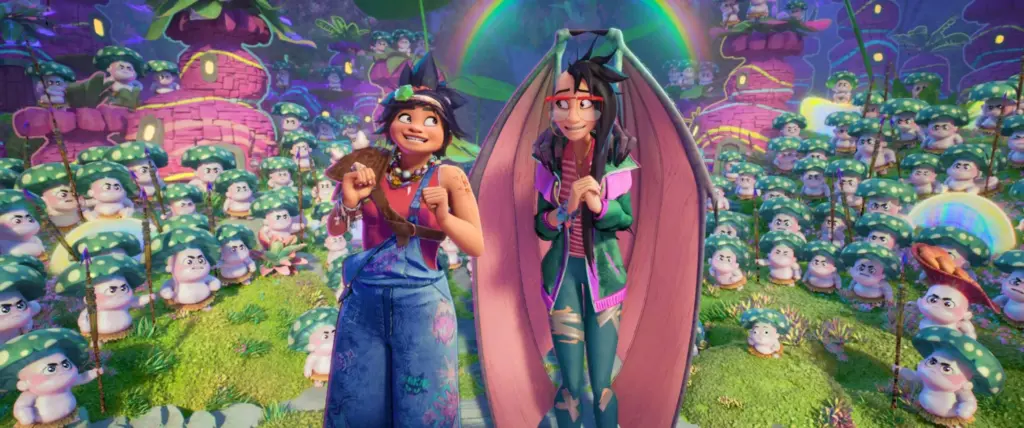
This past weekend, DreamWorks Animation’s latest cinematic venture, Forgotten Island, officially hit the big screen, bringing with it a wave of profound nostalgia for anyone who grew up navigating girlhood during the late 1990s and the turn of the millennium. Directed by the visionary creative team behind Puss in Boots: The Last Wish, filmmakers Joel Crawford and Januel Mercado have crafted a powerful coming-of-age story that serves as an emotional love letter to deep friendship, the golden era of girl-power fantasy adventures, and the bittersweet reality of childhood goodbyes before the ubiquitous presence of the internet and post-Y2K digital connectivity.
At the heart of the narrative is the unbreakable bond between two distinct personalities: Jo, a chaotic and adventure-seeking spirit voiced by H.E.R., and Raissa, a brainy yet headstrong counterpart portrayed by Liza Soberano. The dynamic between the two friends strikes a deeply resonant chord for anyone who experienced the unique pain of childhood best friends moving away to opposite sides of the world before the era of instant messaging and video calls. As the film’s credits roll, viewers are left yearning to open a magical portal, reconnect with their own childhood companions, and dissect all the ways the movie manages to capture the intricate emotional landscape of teenage years gone by.
The film successfully captures this specific era by leaning into several distinct touchstones of turn-of-the-millennium youth culture, establishing how these elements served as the bedrock for lifelong bonds.
Friendship Charm Bracelets
While contemporary pop culture trends have seen a recent resurgence in beaded friendship bracelets, Forgotten Island champions a different kind of nostalgic wristwear: the charm bracelet. In the film, Jo and Raissa meet as young children and spend years accumulating charms that represent core memories and shared milestones. These trinkets include a homemade mini yarn toy version of the Manananggal—a vampiric folklore entity they bonded over during their early youth—and a dedicated mixtape charm symbolizing the music Jo meticulously assembled for Raissa.
Watching the bracelets become increasingly packed and jangly as the characters grow older speaks directly to an entire generation that sought out the most ornate, personalized charms to honor their closest friendships.
Sharing Multicultural Celebrations
Another foundational element of the film is its authentic portrayal of multicultural family dynamics and traditions. As Raissa prepares to leave for college, her family hosts a farewell party brimming with rich Filipino cultural staples. The gathering features lively karaoke sessions, traditional lechon served at an outdoor cookout with a framed photograph of Jesus nearby, and the classic presence of well-meaning but meddling aunts and uncles.
For many viewers, these scenes mirror real-life experiences of sharing one’s home and cultural celebrations with a best friend, who often becomes integrated as an extension of the family. Whether the gathering centers around a traditional backyard barbecue or a family cookout, the narrative underscores how multicultural family moments naturally embrace found family, transcending generational and cultural boundaries.
Mixtapes
Long before digital playlists and streaming algorithms curated daily listening habits, the process of making a mixtape was an art form defined by patience and timing. Forgotten Island captures this ritual with precision, highlighting Jo’s painstaking efforts to curate a cassette tape specifically for Raissa. The film taps into the familiar sensory experience of cracking open a blank cassette, peeling away the plastic wrapping with a fingernail, and listening to the mechanical click of the case hinge opening. It recreates the tense race against the radio DJ to press record just as a long-awaited song begins to play.
These musical sequences, supported by a standout soundtrack and sharp needle drops, evoke memories of digging through storage boxes for old boomboxes and listening to tapes inspired by adolescent crushes and late-night sleepovers.
No Screen Adventures
The film also provides a vivid reminder of girlhood defined by analog experiences, capturing the specific joy of leaving the house and navigating the world without the tether of digital screens. Forgotten Island highlights the formative trouble-making and shared escapades that characterized youth before the digital age, emphasizing the comfort of knowing a best friend always had your back when facing obstacles or sharing the universal embarrassment of getting caught by adults.
Supernatural Action Vibes
Drawing clear thematic inspiration from late-90s television staples like Charmed and Buffy the Vampire Slayer, Forgotten Island embraces a creature-of-the-week format rooted deeply in Filipino folklore. The central plot follows Jo and Raissa as they embark on one final journey together before parting ways, traveling to the mysterious Forgotten Island from the stories told by Jo’s late grandmother.
The narrative populates this mystical setting with various cultural entities and cryptids, featuring voice performances from Manny Jacinto as Bungi, a 200-year-old baby demon, and legendary theater icon Lea Salonga as a formidable vampiric entity known as The Dreaded Manang. As the protagonists confront these supernatural forces, the external threats serve as mirrors for their own internal struggles and emotional anxieties about their impending separation.
This rich integration of ancestral folklore resonates particularly strongly with viewers who grew up being raised by their grandmothers during the 1990s, tapping into the exact kind of imaginative lore that fueled a generation of young readers and writers. Forgotten Island is currently playing in theaters, offering audiences an opportunity to experience a cinematic throwback alongside their lifelong friends and the next generation of moviegoers.