



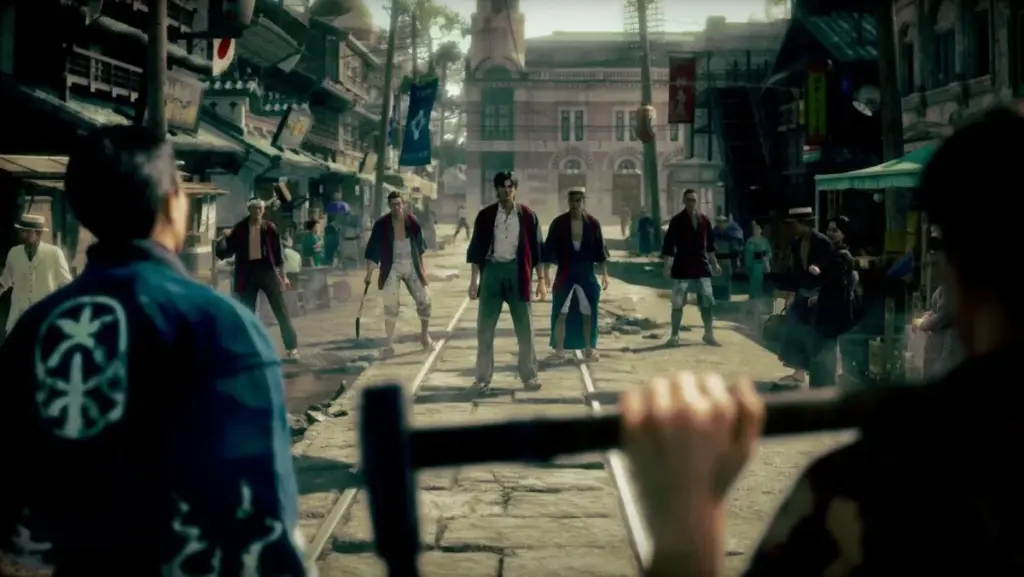
Sega’s critically acclaimed Like a Dragon franchise, formerly known as Yakuza in the West, is preparing to take its most daring and gritty leap forward yet. After spending several hours hands-on with the opening chapters of the upcoming crime thriller Stranger Than Heaven, it is immediately clear that developer RGG Studio is charting a remarkably bold course. While the parent series has long balanced cinematic crime drama with over-the-top antics and wacky mini-games, this upcoming standalone spin-off leans into a much more personal, unyielding narrative. Set against a backdrop of rapid historical transformation, the game returns the franchise to its gritty roots while introducing a complex, character-driven story about an outsider navigating the turbulent realities of early 20th-century Japan.
Developed as a sprawling narrative that spans multiple decades, Stranger Than Heaven tells the harrowing story of Makoto Daito. Starting from a traumatic upbringing in the segregated United States, Daito’s journey eventually brings him to Japan, tracing his rise from a scrappy dock and factory worker on the streets of Kokura to an up-and-coming nightclub owner and savvy businessman in Osaka. Eventually, his trajectory places him among the key foundational figures of the Tojo Clan in 1960s Shinjuku, quietly laying structural narrative flooring that will deeply impact the lives of franchise icons like Kazuma Kiryu and Ichiban Kasuga in future entries.
While the overarching franchise is celebrated for its blend of earnest storytelling and urban nightlife culture, Stranger Than Heaven takes a noticeably more serious and stoic approach to its subject matter. In many ways, the cadence of Daito’s multi-decade saga evokes classic epic crime dramas like Sergio Leone’s Once Upon a Time in America. The marketing around the title might suggest the energetic style fans have come to expect, but the core experience plays the material remarkably straight. Even though familiar franchise elements—such as frantic brawler combat beats and localized side activities—remain intact, the central focus stays firmly fixed on immersing the player in a world agonizingly stepping into the modern era.
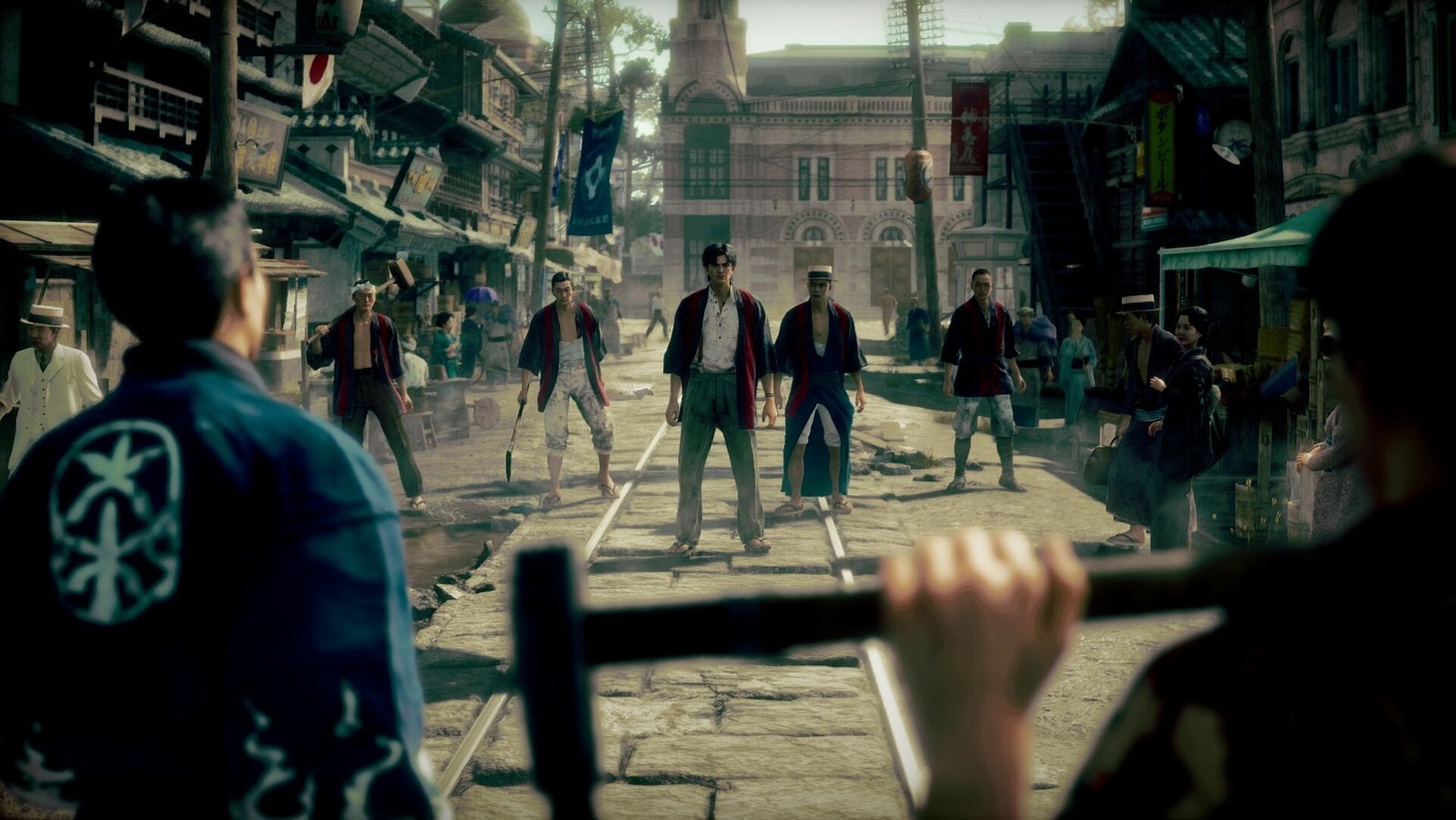
One of the most striking narrative pillars of Stranger Than Heaven is its deep exploration of Daito’s perspective as an immigrant and a mixed-race character of Japanese and white American ancestry. After fleeing from corrupt police officers in San Francisco in 1915 who falsely accused him of a crime due to his race, Daito arrives in Japan only to encounter an entirely different brand of prejudice and bigotry. This unique viewpoint instantly grounds the narrative in a raw, vulnerable reality that sets it apart from previous entries starring Kiryu or Kasuga.
Structuring the world in a familiar semi-open-world format, the game allows players to explore towns filled with side activities, shops, and street fights. However, this exploration is complicated by the systemic bigotry of the era. Townsfolk routinely hurl slurs and passive-aggressive insults, while hostile citizens occasionally resort to outright brutality. This ambient hostility adds a layer of tension and unnerving immersion that distinguishes Daito’s journey. At the same time, the game’s ambitious narrative choices occasionally stumble. Certain storytelling beats feel awkward due to the constraints of video game pacing, and the stunt casting of high-profile figures like Snoop Dogg and Tupac—with the former’s character serving hard truths about bigotry while awkwardly breaking the fourth wall—threatens to disrupt the otherwise carefully maintained historical atmosphere. Nevertheless, RGG Studio’s handling of open racism generally feels well-intentioned and educational, capturing both overt hostility and subtle xenophobia with surprising nuance.
Mechanically, Stranger Than Heaven diverges sharply from the traditional beat-em-up formula of its predecessors, adopting a much more dynamic and intricate combat system. Rather than relying on simple button-mashing, the game gives players precise, independent control over Daito’s individual arms during altercations. Using a control scheme reminiscent of souls-like action RPGs, the left shoulder buttons manage light and heavy left-handed strikes, while the right shoulder buttons control right-handed attacks. This setup requires a deliberate, measured approach to pacing and timing, completely shifting the dynamic away from the snappy, arcade-style action found elsewhere in the franchise.
Initial impressions of this mechanical shift can be jarring. During preview sessions, the combat initially presented a steep sink-or-swim curve, but subsequent onboarding adjustments and gameplay refinements based on tester feedback have made the transition much smoother. Once players settle into the flow, the action delivers a heightened sense of physical impact and raw brutality. Every punch feels desperate and earned, turning standard mob encounters and weaponized brawls into thrilling tests of endurance. Mastering the system still presents hurdles, particularly when executing directional-based blocking—which requires players to alternate left and right blocks depending on the incoming angle of an attack—during chaotic, heated battles.
Despite its severe tone, Stranger Than Heaven retains glimpses of the bizarre, eccentric encounters that have long defined the series’ charm. Wandering down a dark alley in Kokura after evening falls can lead to unexpected run-ins with a ruthless serial killer roaming the streets. Engaging such threats demands absolute precision, as the assailant’s evasive movement and deadly knife skills can easily overwhelm an unprepared player, turning a simple detour into a humbling defeat that begs for a rematch once the full game launches.
This extended hands-on look demonstrates that RGG Studio is not merely resting on the laurels of the Like a Dragon name. By wedding a decades-spanning immigrant narrative to a demanding, mechanically deep combat system, the studio is crafting a bold, ruthless world that redefines what a spin-off in this universe can achieve. As Daito’s life and the surrounding cities evolve alongside rapid technological and cultural shifts, the stage is set for one of the most compelling geographic and narrative transformations the franchise has ever witnessed. Stranger Than Heaven is scheduled for release on January 17, 2027, for PC, PlayStation 5, and Xbox Series X|S.