Published October 16, 2026
One of the most grisly and confounding mysteries in the recent history of America’s national parks has finally been solved—at least in part.
Law enforcement officials in Las Vegas, Nevada, revealed the identity of human remains discovered inside a rusting steel barrel on the receding shores of Lake Mead back in 2022. The grim discovery, made entirely by chance by local boaters, sparked a nationwide fascination and launched a lengthy investigative effort into who the victim was and how he ended up entombed in a metal drum at the bottom of a reservoir.
During a press conference held by the Las Vegas Metropolitan Police Department, officials announced that advanced DNA profiling confirmed the remains belong to Edward Lelburian Jackson, an Arkansas native who vanished during the turbulent landscape of the 1980s. Clark County Coroner Melanie Rouse confirmed the breakthrough during the briefing, stating that forensic scientists utilized genetic material extracted directly from bone samples to definitively match the victim’s profile.
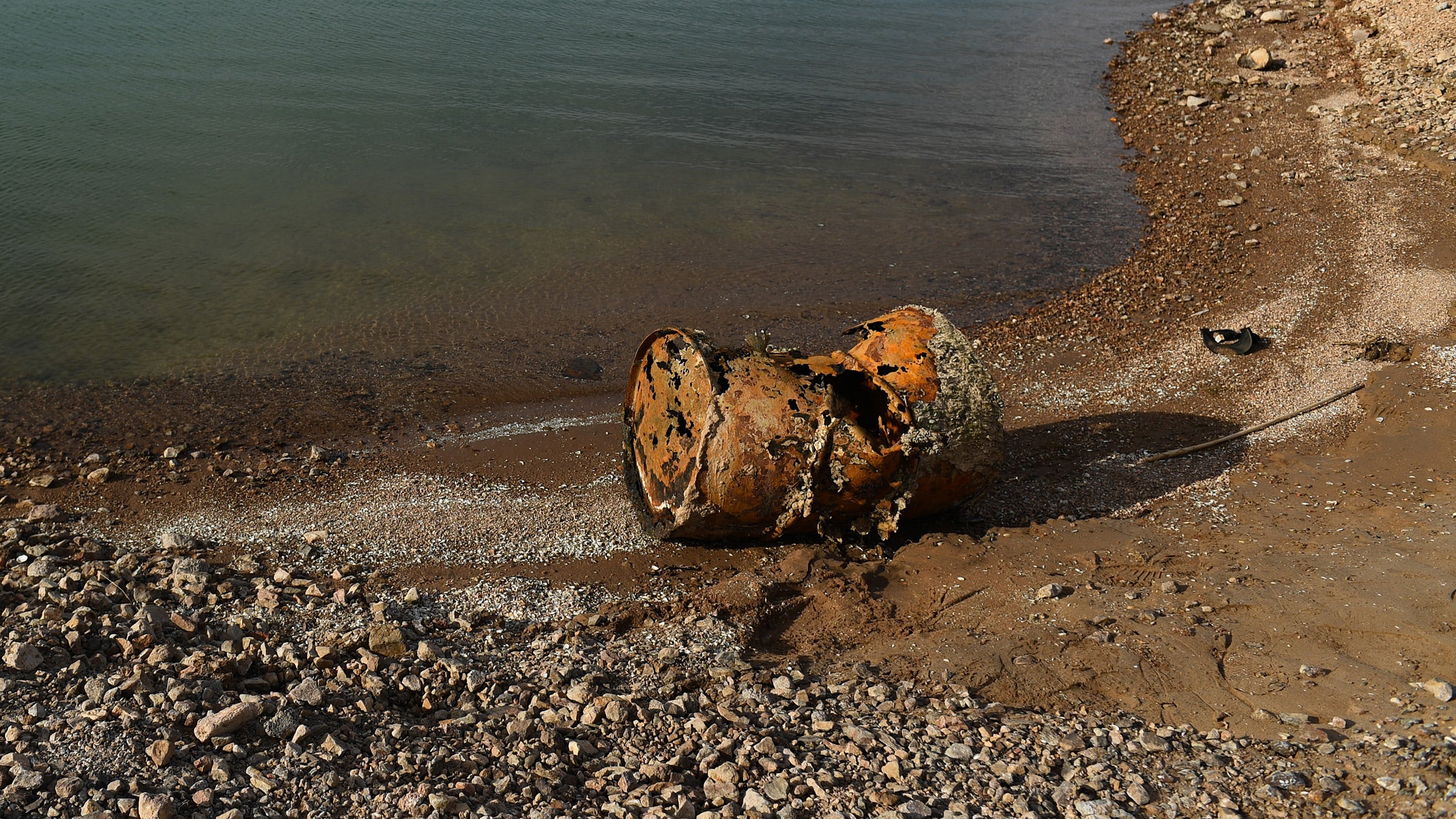
Yet, even as authorities celebrate a major milestone in a cold case that spanned more than four decades, a heavy shadow of uncertainty remains. Investigators admitted that while they now know who was sealed inside the barrel, the central mystery of the entire saga endures: absolutely nobody knows how Edward Jackson was murdered, who pulled the trigger, or why his life ended encased in a metal drum.
Who Is the Man in the Can?
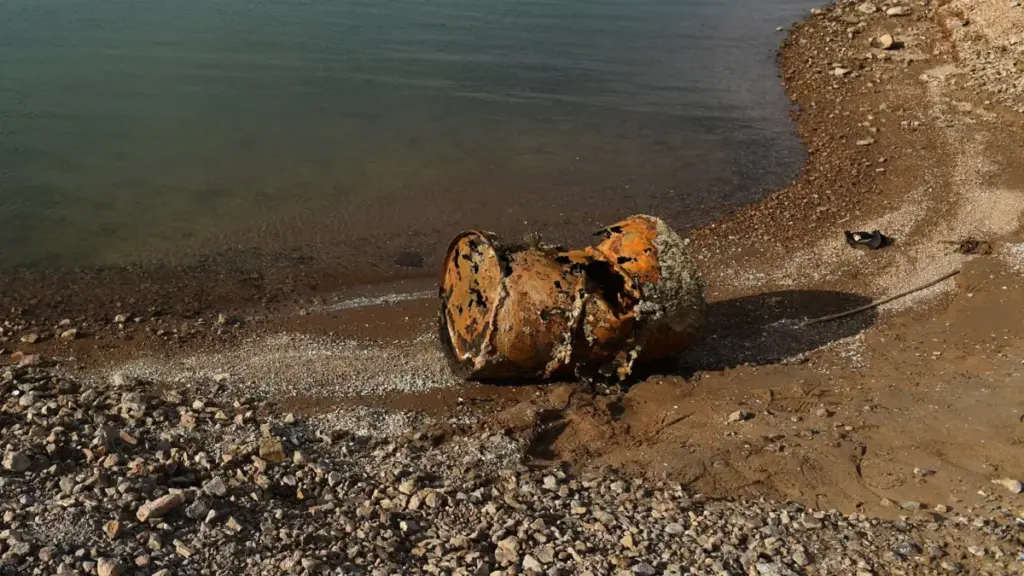
The haunting mystery of what quickly became known as the "man in the can" dates back to May 1, 2022. That particular spring, Lake Mead was suffering through the punishing effects of a severe and historic drought. Water levels plummeted to what was then the lowest point on record—a depressing environmental statistic that would, grimly enough, be surpassed years later.
As the water rapidly receded, vast expanses of the lakebed that had remained entirely submerged beneath dozens of feet of water for decades suddenly reemerged into the desert sun. On that fateful afternoon, a group of beachgoers walking near Hemenway Harbor noticed an unusual, highly corroded steel drum sitting partially exposed along the shoreline. Upon closer inspection, they peered inside the rusted metal and were horrified to discover human bones alongside the remnants of decaying clothing.
Photographs of the shocking discovery were quickly snapped, uploaded to social media platforms like Instagram, and rapidly circulated across the internet, drawing immediate local and national attention.
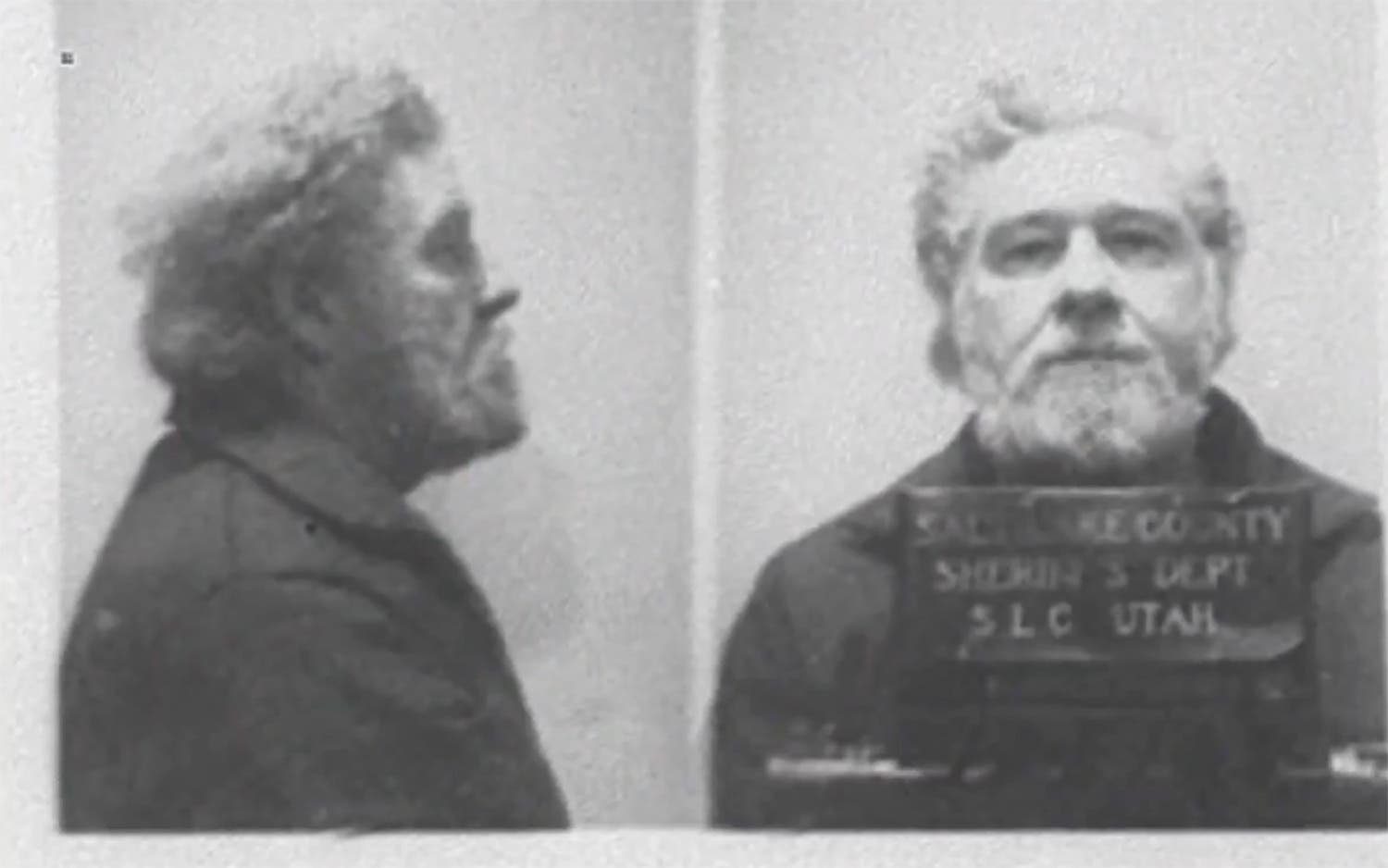
Just two days later, on May 3, authorities held their first major press conference regarding the incident to share preliminary findings. Investigators revealed that the barrel contained the skeletal remains of an adult male who had died from a single gunshot wound to the head. Based on the style, fabric, and manufacturing details of the garments found inside the drum—which experts traced back to retail giant Kmart—law enforcement hypothesized that the homicide likely took place sometime during the late 1970s or early 1980s.
The gruesome find triggered an intense wave of public speculation and morbid curiosity throughout the Las Vegas Valley. The media frenzy reached such a height that at least one independent podcast actively invited civilian divers to travel to the reservoir and attempt to locate additional bodies within the receding waters. This unauthorized and potentially dangerous civilian interference prompted a swift and stern public warning from the National Park Service, the federal agency responsible for managing the vast Lake Mead National Recreation Area.
"Visitors are not permitted to come to the park in efforts to independently search for artifacts or other theoretical cold case evidence," the NPS cautioned in a statement at the time, emphasizing the legal and safety hazards of tampering with public federal lands and active investigative sites.
The high-profile nature of the case also drew the attention of the journalistic community. Longtime Outside columnist Mark Sundeen traveled to Las Vegas to conduct an independent investigation into the mystery. Over the course of a week, Sundeen interviewed a wide array of local sources, ranging from retired municipal police officers and commercial lake divers to family members of individuals who had historically gone missing around Lake Mead. Despite deep digging and extensive interviews, Sundeen’s reporting ultimately concluded with the same frustrating question that had plagued detectives: who, exactly, was the man in the can?
What Authorities Know About Edward Jackson
For a long time following the initial 2022 revelations, the investigation appeared to stall. During the recent update, Lieutenant Robert Price of the Las Vegas Metro Police Department detailed the painstaking behind-the-scenes work that finally breathed new life into the dormant case file.
The critical turning point occurred in 2024, when DNA extracts taken from the skeletal remains were sent to a specialized Federal Bureau of Investigation laboratory. From there, local authorities partnered with the Forensic Science Department at Oklahoma State University to conduct a complex genetic genealogy trace. This sophisticated familial DNA work successfully narrowed the geographic origin of the victim down to the state of Arkansas. Subsequent investigative work by dedicated detectives eventually narrowed the broad genealogical tree down to Edward Lelburian Jackson, who was estimated to be in his early fifties at the time he lost his life.
The final piece of the puzzle fell into place when law enforcement officers successfully tracked down living family members of Jackson. Investigators secured a direct reference DNA sample from the family and forwarded it to Oklahoma State University for final comparative testing.
"The OSU report back to us said it was a compelling match," Coroner Melanie Rouse told reporters during the press conference, confirming the identity of the remains beyond a reasonable doubt.

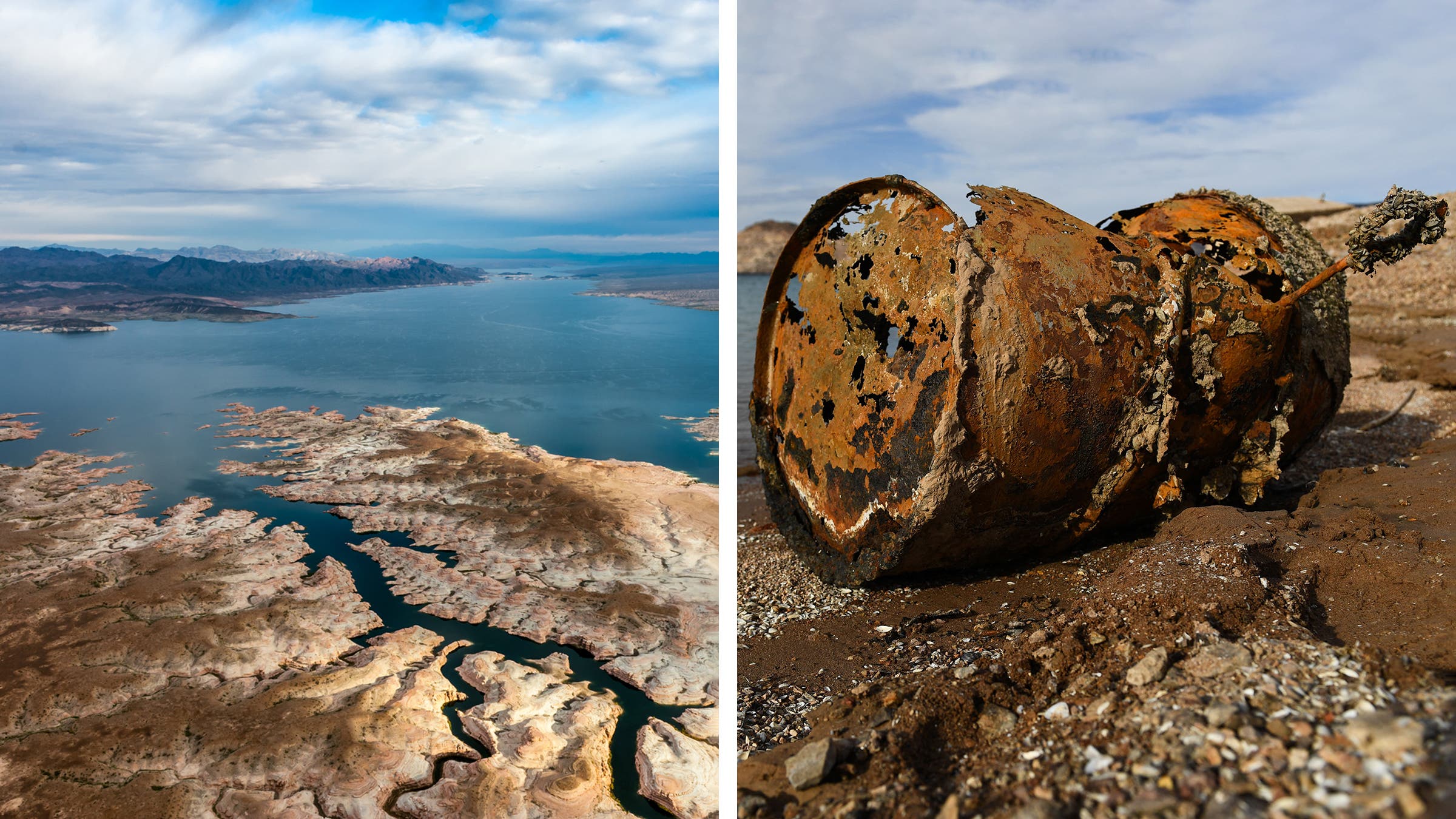
In the wake of the identification, Jackson’s surviving relatives shared the sparse details they remembered about his life and movements. Jackson was known to have traveled extensively throughout various parts of the country during the 1970s and 1980s. Records and family recollections indicate that he was married in the state of California during the 1970s, lived for a time in the sprawling metropolis of Los Angeles, and never had children. Furthermore, records show he maintained a brief and minor criminal history in the state of Utah during the early 1980s, which included an arrest in Salt Lake City on suspicion of arson.
"He was last seen visiting family in the early eighties," Lieutenant Price noted, pointing out how seamlessly this timeline aligns with the forensic estimates of the homicide. "Which aligns with the homicide that occurred in the early eighties."
Despite the breakthrough regarding his identity, Price acknowledged that investigators still possess virtually no concrete evidence pointing toward who might have pulled the trigger, why Jackson was targeted, or what specific sequence of events led him to a violent end in Nevada. The method of disposal—sealing a victim inside a steel barrel and dumping it into a deep body of water—instantly fueled widespread speculation linking the crime to traditional organized crime syndicates and historical Las Vegas mafia activities. However, Lieutenant Price urged caution, stating that investigators have found no verifiable proof to substantiate those popular theories.
Lake Mead’s Continuing Mysteries
Whether law enforcement agencies will ever successfully piece together the final moments of Edward Jackson’s life remains an open question. What is certain, however, is that Lake Mead’s dynamic and volatile environment will likely continue to yield unsettling secrets as environmental pressures alter its landscape.
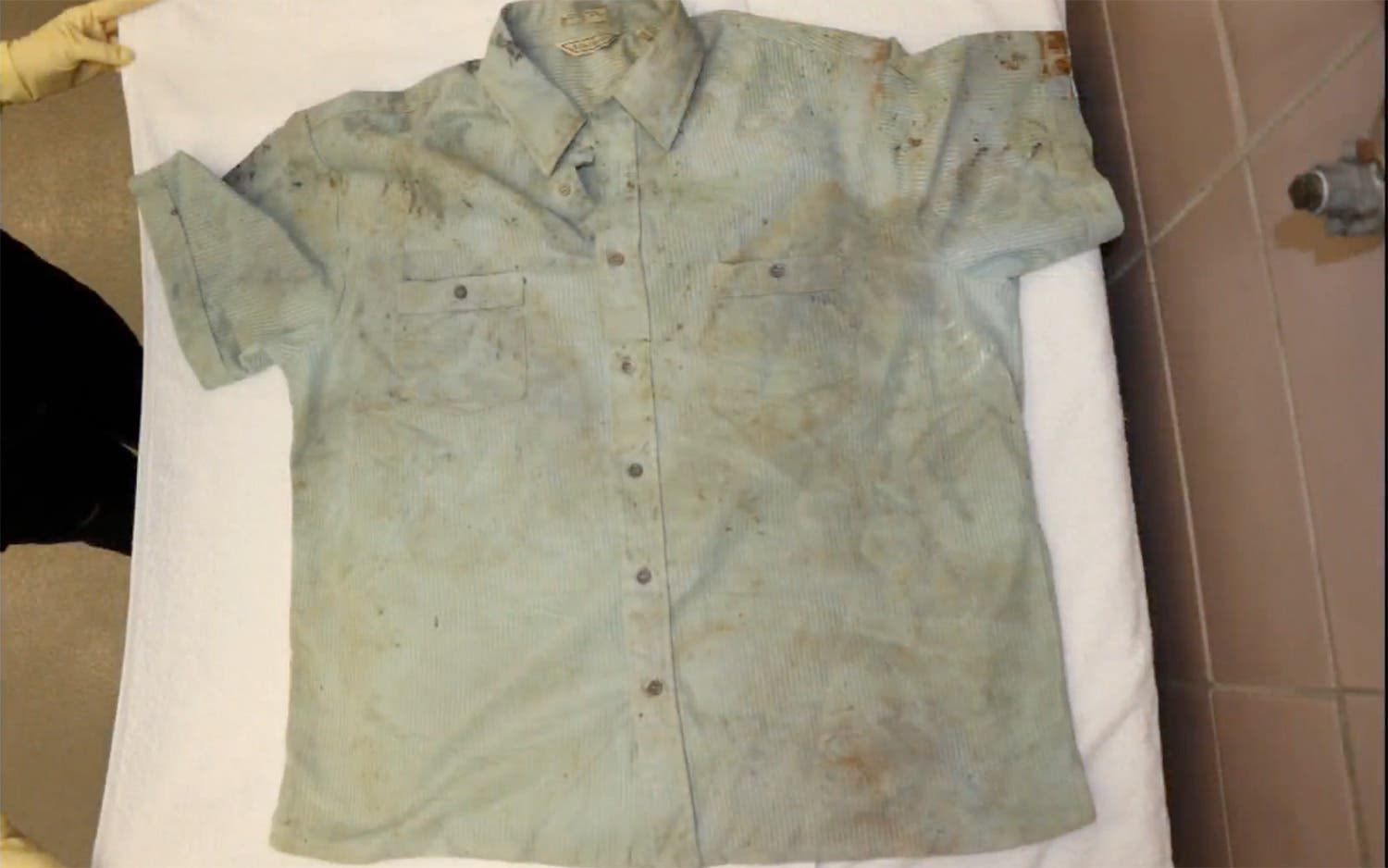
The ongoing drought crisis has pushed the reservoir to historic lows. In October 2026, water levels at the lake dropped to a staggering 1,037 feet above sea level, breaking the previous grim record set in 2022 by three full feet. Currently, the massive reservoir is operating at a mere 26 percent of its total capacity, exposing vast tracts of ancient lakebeds that have remained hidden for generations.
The discovery of Jackson in the barrel was only the beginning of a grim series of finds. Shortly after the 2022 barrel discovery made international headlines, recreational divers exploring the murky depths near the bottom of the lake stumbled upon a human skeletal skull, immediately renewing public anxiety and speculation over the true number of unidentified victims resting beneath the surface.
Later that same year, on August 16, a visitor walking along the exposed, dry lakebed at the popular Boulder Beach area made another startling discovery. She noticed a human jawbone complete with teeth protruding from the dirt. Upon alerting authorities, a search of the immediate area revealed a collection of additional human bones scattered nearby. Investigators subsequently confirmed that those remains were also human, underscoring the stark reality that Lake Mead holds many more hidden chapters of history waiting to be uncovered.