


Published October 8, 2026
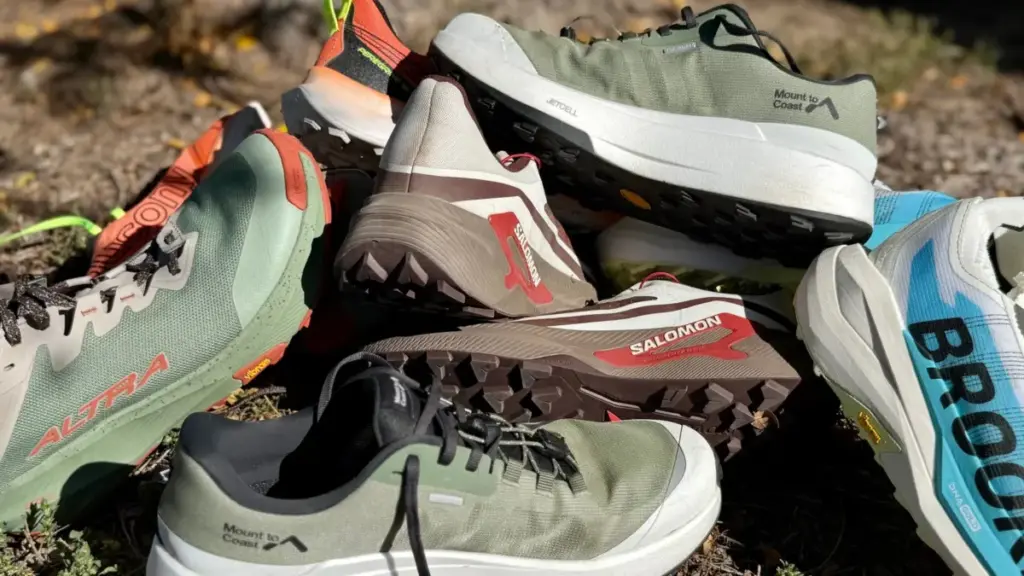
Following months of rigorous field testing across diverse landscapes from Colorado to California, an expert panel of 14 footwear testers has released its comprehensive seasonal update for the best trail running shoes on the market. Evaluating summer releases alongside dozens of previously vetted models, the testing crew crowned a new champion for all-around performance while highlighting standout footwear across specialized categories, proving that top-tier performance does not always require a premium price tag.
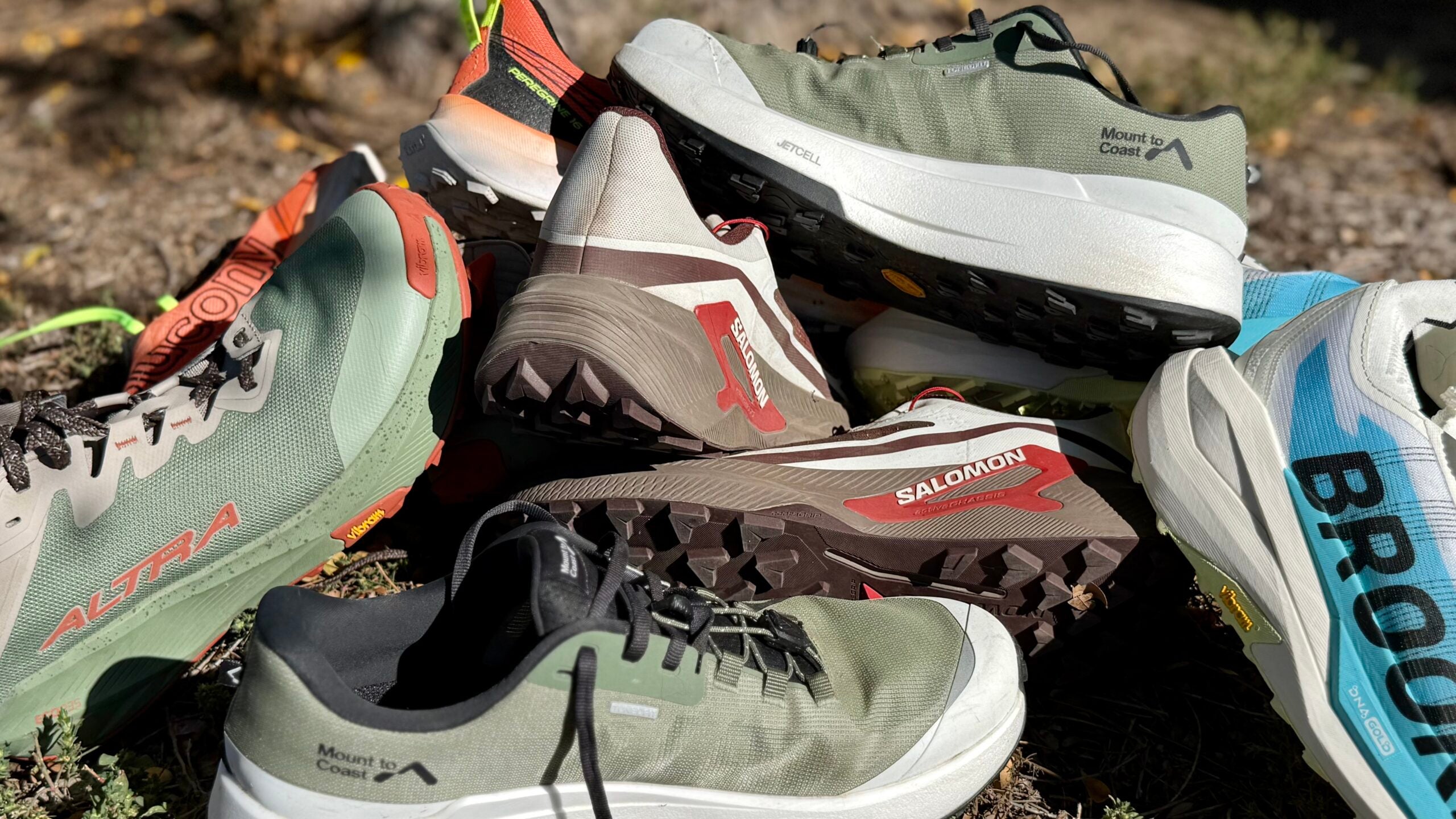
Leading the latest lineup is the Mount to Coast M1, which clinched the title of Best All-Around Trail Shoe. Testers were immediately drawn to the model’s proprietary midsole compound, dubbed "JETCELL." Derived from advanced polymers traditionally utilized in automotive protective films designed to shield car paint from rock dings, this supercritical gas-infused foam delivers a lively, smooth, and highly responsive platform. Combined with a full-coverage Vibram Megagrip outsole featuring four-millimeter lugs, the M1 offers exceptional traction on both wet and dry surfaces without weighing the runner down. While some testers noted that the wide forefoot allows too much foot movement on highly technical terrain, the shoe’s overall stability and comfortable mesh upper made it a clear favorite for long miles on dirt paths.
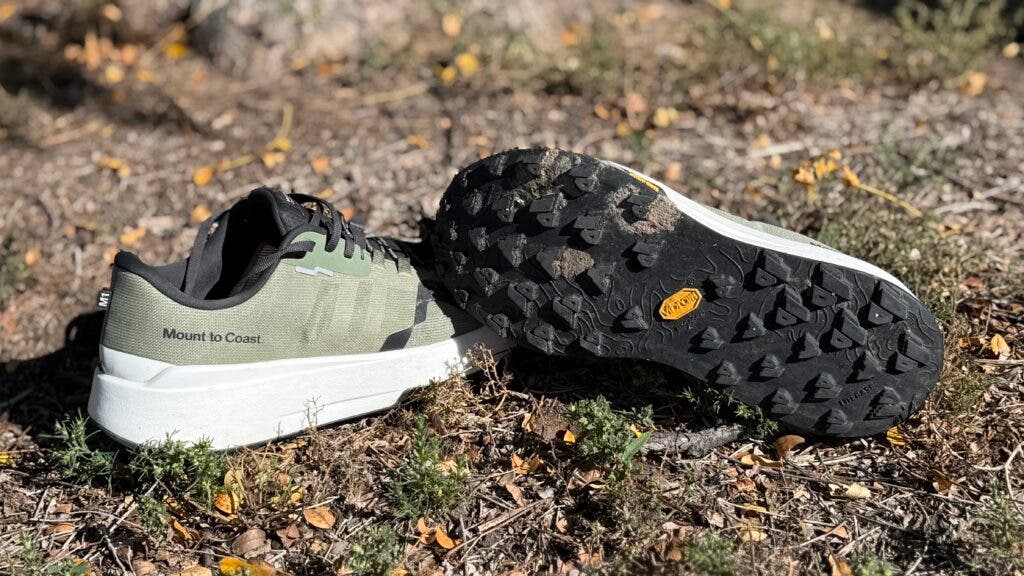
For runners seeking high performance without breaking the bank, the Saucony Peregrine 16 secured the Best Value designation at a price point of $150. Having tested every version of the Peregrine since its 2011 debut, the evaluation team reported that this sixteenth iteration represents the pinnacle of the franchise. It pairs a balanced midsole—offering a mix of ground feel and shock absorption—with an upgraded Vibram Megagrip outsole and a secure, supportive fit that accommodates various foot shapes.
When the trail turns truly rugged, the Salomon Genesis 2 emerged as the definitive choice for Best Technical Terrain. Earning mountain-goat status among the crew, the Genesis 2 relies on a supportive Matryx upper constructed with Kevlar-infused yarns and Salomon’s quick-pull lacing system. Its Contagrip rubber outsole with toothy four-millimeter lugs provides reliable traction over loose dirt, rock scrambles, and slippery descents. While the EVA-blend midsole offers a firmer ride that delivers direct trail feedback, it satisfies runners who prefer precision and agility over plush cushioning.
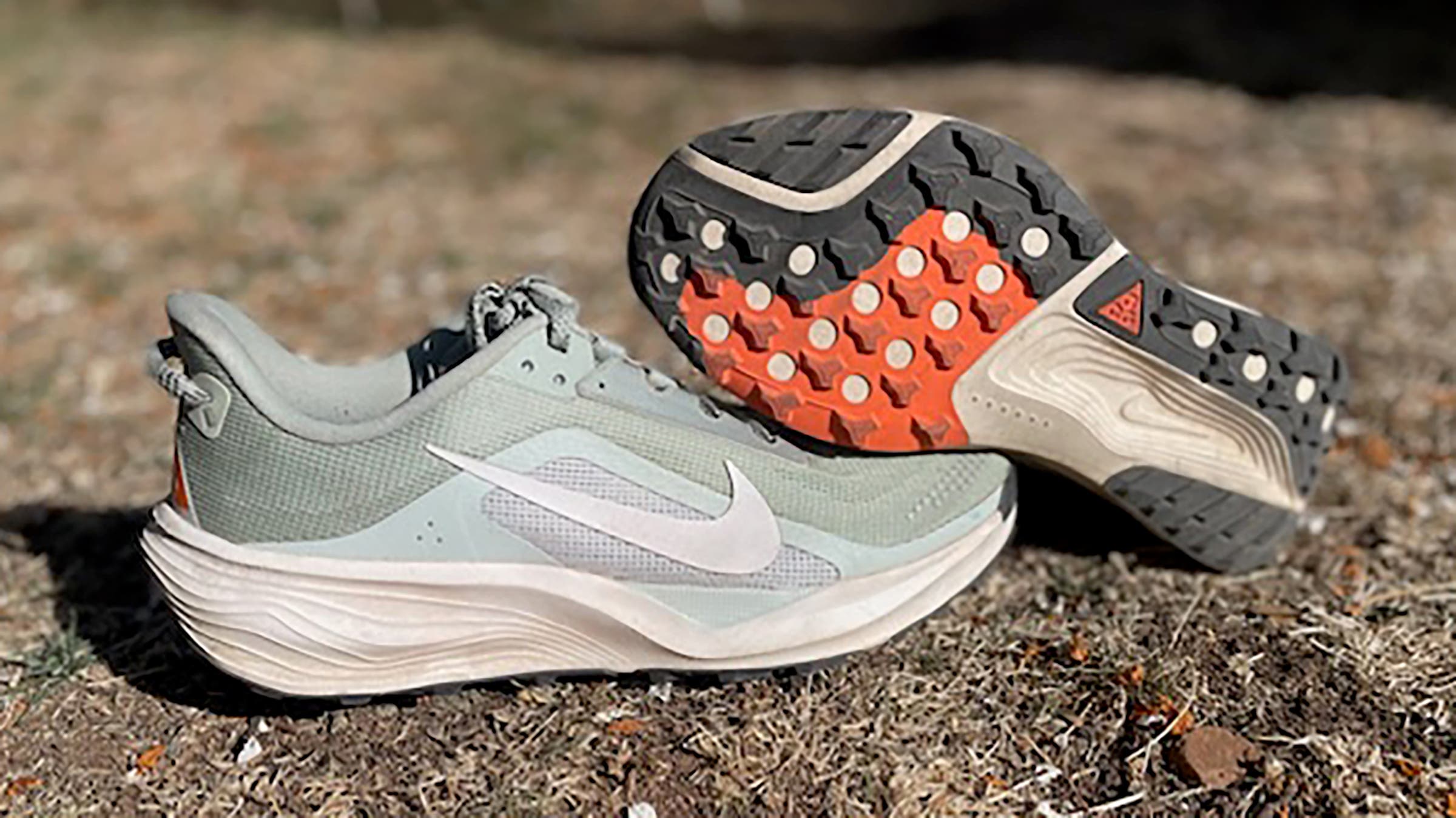
For athletes who transition seamlessly from pavement to singletrack, the Nike ACG Pegasus Trail continues its reign as the premier road-to-trail option. Equipped with injection-molded ReactX foam and an outsole featuring 3.5-millimeter lugs made from the brand’s All Terrain Compound 2.0, the shoe offers day-long comfort on concrete, asphalt, and hard-packed dirt. Its secure foothold and absence of pressure points make it an exceptionally versatile choice for casual runners and travelers alike.
Gravel road enthusiasts found their match in the Salomon Aeroblaze 4 GRVL. Praised for its trampoline-like pop and balanced cushioning, the shoe features 2.5-millimeter chevron-shaped perimeter lugs and knobby mini-lugs under the forefoot. This configuration effortlessly handles loose gravel surfaces that typically compromise traction. Its one-pull quick-lace system and plush heel collar provide road-shoe levels of comfort, though testers cautioned that the upper lacks the security required for steep, technical singletrack.
In the max-cushioned category, the Kiprun Kipsummit Max impressed testers by proving that high-stack running shoes do not have to sacrifice stability. Utilizing a generous layer of supercritical A-TPU foam paired with a Vibram Megagrip outsole and a padded upper, the $150 shoe delivers a forgiving yet controlled ride over uneven ground.
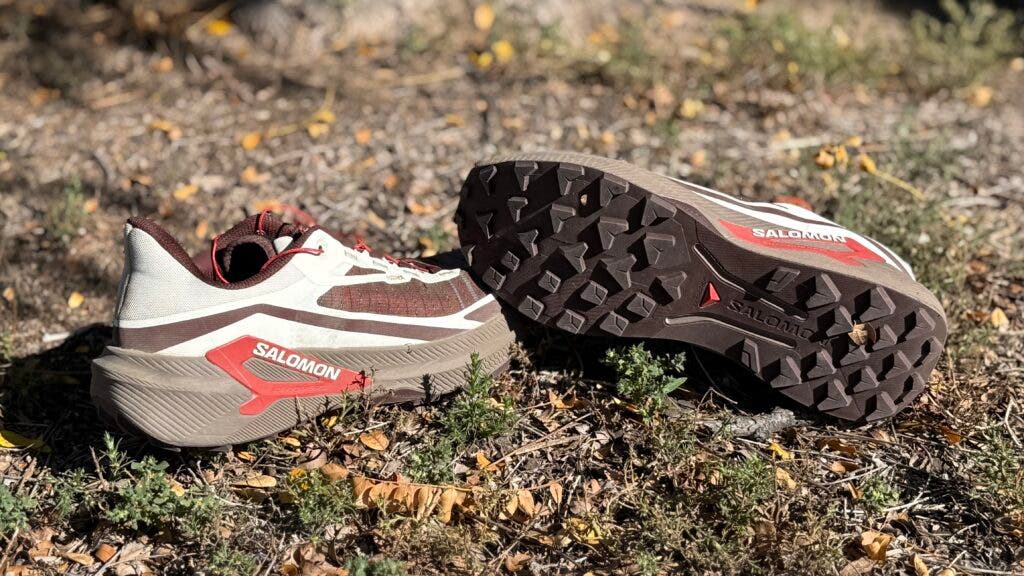
For competitive runners eyeing race day, the Brooks Cascadia Elite represents a major departure from the brand’s traditionally conservative designs. As a bonafide trail racing super shoe, it combines a 100 percent PEBA midsole with a carbon-infused PEBAX plate and a 40-millimeter heel stack. Despite its height, a wide platform and a flexible horseshoe-shaped plate keep the shoe stable, while a Matryx-engineered woven upper with an integrated gaiter protects against debris.
Rounding out the category winners, the Altra Experience Wild 3+ took top honors for a natural ride. Featuring Altra’s signature roomy forefoot alongside an upgraded midfoot and heel lockdown, the shoe incorporates a Vibram Megagrip outsole and a bouncy EGO P35 midsole. With a forgiving four-millimeter drop and a rockered shape, it delivers a smooth, balanced transition from heel strike to toe-off.
The testing team emphasizes that choosing the right trail shoe remains a deeply personal endeavor. Experts advise runners to consider their local trail conditions, match the outsole lug depth to the terrain, and prioritize fit by ensuring adequate length and width for natural foot splay. Ultimately, finding the ideal shoe comes down to the "comfort filter"—identifying the model that harmonizes with a runner’s preferred movement path, allowing for a seamless, pain-free stride over miles of varied terrain.