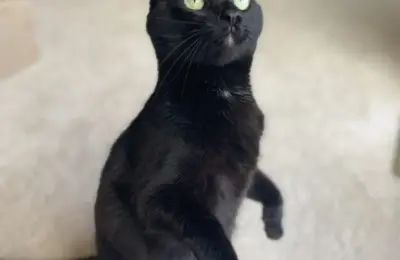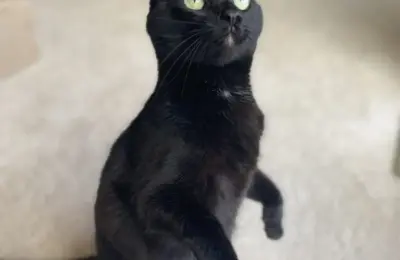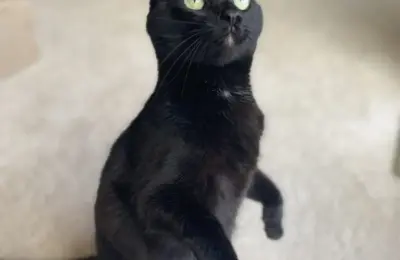




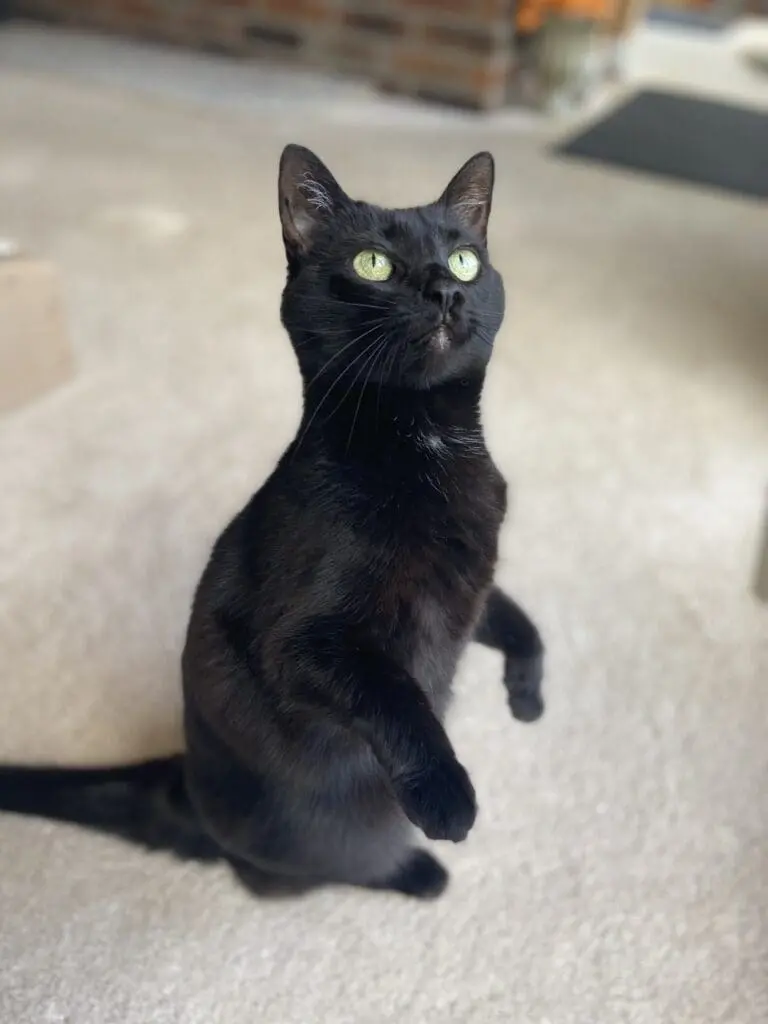
Thanks to sustained advancements in veterinary medicine, enhanced diagnostic capabilities, and a broader public awareness surrounding proper feline nutrition, domestic cats are living substantially longer and healthier lives than in previous generations. It is no longer an anomaly for cats to reach their late teens or even cross the milestone of two decades, with documented cases of feline companions thriving well into their twenties, including some living up to 24 years. Yet as feline life expectancy continues to expand, veterinary professionals and animal behaviorists emphasize that longevity alone does not guarantee quality of life. For many aging pets, the transition into their twilight years is marked by silent discomfort, reduced mobility, and subtle behavioral shifts that caregivers frequently misinterpret or overlook entirely.
In many households, pet owners fail to recognize that an animal has formally entered the senior demographic simply because the cat maintains an outwardly youthful, engaged demeanor. In other cases, however, cats enter their golden years accompanied by a quiet retreat from daily family life. These animals often exhibit noticeable drops in activity, spend increasing amounts of time isolated, and demonstrate an apparent apathy toward routines, toys, and interactions that once brought them evident joy.
A pervasive misconception among owners is the assumption that lethargy, reduced interaction, and persistent inactivity are merely natural, unavoidable consequences of advancing age. Feline welfare specialists caution that this perspective can inadvertently subject aging cats to prolonged, unnecessary distress. Often, what appears to be basic fatigue is in reality the outward manifestation of unmanaged physical pain, chronic joint inflammation, or underlying systemic illness. When addressed through diligent veterinary diagnostics, targeted medical therapies, and deliberate environmental adjustments, many of these seemingly withdrawn animals can regain considerable comfort, enthusiasm, and vitality.
Central to safeguarding a senior cat’s well-being is maintaining a strict schedule of preventative healthcare. While owners may have previously skipped annual wellness checks due to the stress and logistical difficulty of transporting a reluctant cat to a clinic, veterinary specialists warn that avoiding medical visits during a pet’s senior years poses serious risks. Timely intervention remains the single most effective tool for identifying developing medical conditions—such as renal disease, metabolic issues, or arthritis—before they progress to advanced stages. Because feline health can shift rapidly in later stages of life, veterinary guidelines widely recommend increasing checkup frequencies from annual examinations to comprehensive evaluations conducted twice a year. Regular oversight ensures that treatable ailments are caught early, medical treatments are properly calibrated, and pain management protocols are initiated without delay.

Beyond clinical diagnostics and medical treatments, optimizing a cat’s advanced years requires an understanding of how day-to-day welfare intersects with feline behavior. Addressing the specific needs of older felines involves several crucial, everyday components of care that are frequently neglected within the home.
1. Support Mental Stimulation
One of the most commonly disregarded aspects of senior pet management is cognitive enrichment. Just as with human beings, maintaining an active mind is essential for preserving feline cognitive function and forestalling mental decline. Domestic cats retain their predatory drive and curiosity throughout their lifespan, yet as their physical capabilities diminish, mental stimulation is often inadvertently phased out of their routines.
Behavioral experts point out that hunting behavior in cats is as deeply rooted in mental problem-solving as it is in physical exertion. Interactive play sessions should not be abandoned simply because a cat is moving more slowly. Rather, caregivers can guide play sessions in ways that encourage the animal to plan movements, track objects, and execute the mental calculations necessary for a stealthy, focused hunt.
Enrichment can also be woven into daily feeding routines through the introduction of food puzzles and indoor treasure hunts. Rather than presenting meals exclusively in standard dishes, introducing puzzle feeders allows older cats to work for their food, replicating natural foraging behaviors that keep their senses alert. For households introducing these tools for the first time, starting with the simplest, most accessible designs is essential. Puzzles must offer a reasonable cognitive challenge without producing frustration, ensuring the animal consistently experiences the reward of a successful hunt. Over time, hiding small portions of food or treats in accessible indoor locations can transform an ordinary afternoon into an engaging indoor search.

Furthermore, gentle training activities, including basic clicker training, serve as valuable exercises for keeping an older cat mentally sharp. These sessions should remain brief, upbeat, and tailored specifically to the animal’s physical capacity and willingness. Asking a cat to perform simple, low-impact actions—such as offering a gentle high-five or touching their nose to an established target stick—provides structured mental engagement without placing stress on aging joints. Because owners know their individual pets best, these activities should be calibrated to match each animal’s unique baseline of mental focus and physical comfort.
2. Keep Your Cat Active
Alongside cognitive engagement, preserving daily physical mobility is vital for keeping an aging cat’s joints functional and comfortable. While a senior cat may no longer possess the stamina or inclination for high-intensity activity, complete immobility accelerates muscle loss, stiffness, and joint deterioration. Interactive play remains an indispensable tool, provided the intensity is consciously dialed back to accommodate physical limitations.
Caregivers must recalibrate their expectations regarding what constitutes meaningful exercise for an older animal. A senior cat does not need to execute acrobatic leaps, scale furniture, or complete high-flying flips to benefit from playtime. Gentle, slow-paced tracking and deliberate, low-key movements still represent active physical exercise, which contributes meaningfully to circulation and joint flexibility.
Often, accommodating an aging cat requires changing the types of toys introduced into the environment. While younger cats frequently chase aerial toys that mimic flying birds, older cats with reduced range of motion frequently show a marked preference for ground-based pursuits. Replacing feathered wands with toys that stay along the floor—mimicking the movements of mice, insects, or snakes—allows senior felines to participate fully without being prompted to jump or make sharp, painful pivots. The objective is not to exhaust the animal, but rather to introduce short, gentle bouts of exercise a few times every day to encourage consistent, pain-free movement.

3. Adjust the Environment
A cat’s living space plays a defining role in whether its senior years are characterized by independence or frustration. Environmental modifications are often necessary to bridge the gap between an aging cat’s physical abilities and its instinctual desires, ensuring the animal retains full access to its territory without risk of injury.
Vertical territory remains deeply important to cats of all ages, providing a sense of safety, observation, and mental comfort. When arthritis or reduced agility prevents a cat from jumping onto preferred vantage points, installing pet ramps or step stools can restore access to favorite window perches, allowing them to continue watching local wildlife. At feeding stations, replacing standard dishes with elevated food and water bowls can significantly ease neck, spine, and shoulder strain, allowing the animal to eat in a natural, neutral posture.
Scratching behaviors also require environmental adjustments. Scratching is not merely a tool for maintaining claws; it provides full-body stretching and territory marking. Older cats may find reaching up a tall, vertical post too painful or physically demanding. Adding horizontal scratching mats and cardboard pads throughout the living space ensures the cat can continue exercising its claws and stretching its muscles comfortably.
Litter box accommodations represent another critical environmental priority. Older cats frequently experience reduced bladder control or urgency, making quick access to facilities essential. Homes with senior felines often require an increased number of litter boxes positioned strategically across living areas. Furthermore, standard high-sided boxes can present painful physical barriers for a cat with stiff hips or knees. Switching to low-profile boxes, or high-sided models featuring a low-cut entryway on one end, enables effortless entry and prevents painful missteps that might otherwise cause the cat to eliminate outside the box.

Sensory decline also requires thoughtful home adaptations. For cats experiencing deteriorating eyesight, motion-activated nightlights installed along hallways and near feeding or litter areas can prevent disorientation in dark rooms. In cases of significant or total vision loss, maintaining environmental consistency is paramount. Keeping furniture in fixed arrangements helps blind cats preserve a reliable mental map of their home, while keeping personal items, shoes, and obstacles off the floor reduces trip hazards. Caregivers can also strategically position textured floor mats to signal proximity to stairs or transitions between rooms, while physical safety gates can be installed around staircases to guard against accidental falls.
This is a Special Time of Life
Beyond mobility, mental exercise, and physical adaptations, older cats regularly require comprehensive, attentive everyday support across several routine domains. Dietary formulations may need to be updated under the guidance of a veterinarian to reflect changing metabolic needs, manage organ health, or address dental sensitivities. Many senior felines also require structured medication regimens to manage chronic medical conditions or relieve persistent joint pain.
Grooming routines frequently demand direct human assistance as well. With reduced spinal flexibility, senior cats frequently struggle to groom hard-to-reach areas, necessitating regular, gentle brushing from their caregivers to prevent painful matting and skin irritation. Similarly, older pets may require gentle cleanup assistance around the hindquarters after using the litter box if their diminished flexibility prevents them from managing personal hygiene independently. Temperature regulation is another common vulnerability; aging cats often struggle to retain body heat in cold weather or dissipate it during hot summer spells, requiring owners to provide warm, draft-free bedding in the winter and cool, comfortable resting zones during warmer periods.
While the comprehensive list of adjustments varies depending on the specific medical and behavioral requirements of each pet, ensuring cognitive health, encouraging low-impact mobility, and thoughtfully adapting the physical home form the foundational pillars of senior care. By looking beyond the passive acceptance of "old age" and proactively addressing their pets’ evolving needs, caregivers can ensure that the senior years remain a dignified, comfortable, and deeply rewarding chapter in their cats’ lives.