



It is a brilliant fall day on Carter’s Creek in Irvington, Virginia, and a small group of people is busily hauling heavy baskets of fresh oysters from the brackish waters. Despite the traditional setting and the physical labor involved, they are not seasoned Chesapeake watermen earning a living on the bay. Instead, they are guests of the historic Tides Inn, participating in a hands-on coastal experience that has become increasingly sought after by modern travelers. For them, wading into the chilly tidal waters and handling the catch is not merely a recreational activity; it is the most effective way they know to press pause on the relentless noise of their everyday lives, disconnect from digital demands, and be fully present in a specific, grounding place.
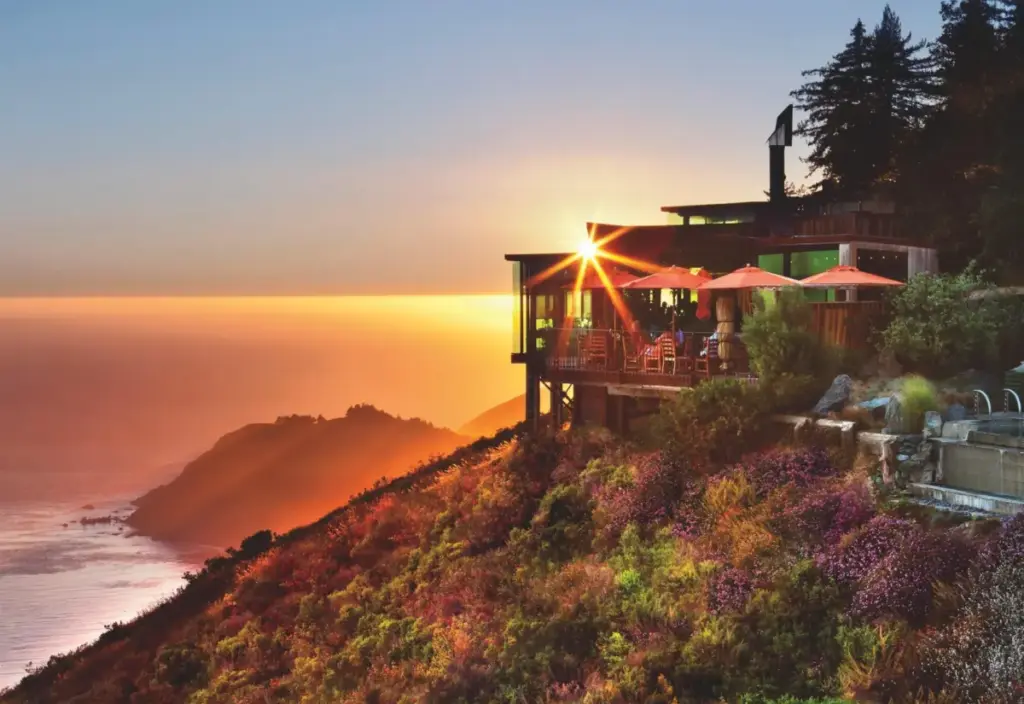
Meanwhile, thousands of miles away in the dappled, golden light of a Big Sur, California, forest, a solitary meditator takes in deep lungfuls of crisp eucalyptus and salty ocean air. The sensory experience is profound, engaging both mind and body in the tranquil rhythms of the Pacific coast. At the base of a nearby, weather-beaten live oak tree sits a freshly foraged, frilled chanterelle mushroom. That very fungus, harvested from the wild forest floor just hours before, is destined for the evening menu at the Post Ranch Inn’s award-winning restaurant, bridging the gap between outdoor immersion and elevated culinary artistry.
These divergent yet spiritually aligned scenes capture a broader transformation currently sweeping the hospitality industry. A new generation of travelers is eager to hit the road, check in, and destress, but they are approaching resort vacations entirely on their own terms. Today’s discerning guests are no longer satisfied with passive relaxation, nor are they willing to compromise when it comes to exceptional cuisine, authentic local culture, or sophisticated amenities. They demand an experience that seamlessly integrates wellness, gastronomy, and a deep connection to the destination. Whatever a traveler’s ultimate escape looks like—whether it involves agricultural immersion on a tidal creek or meditative solitude on a dramatic ocean cliff—there is now a modern resort engineered to meet that precise desire.
The evolution of the luxury and boutique resort sector reflects changing societal attitudes toward leisure and well-being. For decades, traditional resort vacations often meant retreating behind gated properties, lounging by standardized pools, and partaking in generic spa treatments that could be replicated anywhere in the world. While those elements still hold appeal for certain travelers, the contemporary tourism landscape places a much higher premium on authenticity, experiential learning, and mental rejuvenation. Guests are looking for ways to travel that leave them feeling restored rather than exhausted by packed itineraries.
This shift has prompted properties across the country to rethink how they engage visitors from the moment they arrive. At destinations like the Tides Inn, traditional hospitality is being redefined through local engagement. By inviting guests to participate in regional traditions—such as oyster harvesting on Carter’s Creek—the resort offers a tangible link to the heritage of the Chesapeake Bay. This hands-on approach transforms a standard vacation into an educational and sensory journey, allowing visitors to understand and appreciate the ecosystem of the region they are visiting. It encourages mindfulness through physical engagement, as the act of pulling baskets from the water requires complete focus and pulls the participant entirely out of their digital lives.
Simultaneously, properties situated along the rugged coast of California are leveraging their natural surroundings to offer a different kind of restorative escape. In locations like Big Sur, the focus leans heavily toward introspection, sensory engagement, and a harmonious relationship with the surrounding wilderness. The presence of meditation spaces nestled within eucalyptus groves and the practice of foraging for wild ingredients reflect a growing desire among travelers to consume food and experiences that are deeply tied to the local land. When guests sit down for dinner at the Post Ranch Inn’s restaurant to enjoy meals crafted from ingredients foraged from the very forest where they meditated hours earlier, the cycle of the travel experience is completed in a profoundly satisfying way.
Importantly, the modern approach to travel recognizes that the journey toward relaxation should ideally begin long before the guest ever sets foot on the property. The planning part of a vacation—historically a source of significant anxiety, involving complex logistics, restaurant reservations, and itinerary coordination—does not have to be stressful either. Industry professionals and hospitality experts have increasingly focused on streamlining the booking and preparation process, assembling the essential pro tips and insider guidance that travelers need to ensure their getaway is entirely seamless. By removing friction from the planning stages, resorts are helping guests transition into a relaxed mindset even before they depart from home.
As this new generation of travelers continues to shape the future of tourism, the definition of luxury is expanding to encompass time, space, mental clarity, and genuine connection. Whether through the brackish waters of Virginia or the misty forests of California, the modern resort experience proves that unwinding does not mean doing nothing; rather, it means engaging with the world in a way that nourishes the mind, honors the local environment, and delivers an unforgettable sense of place.