

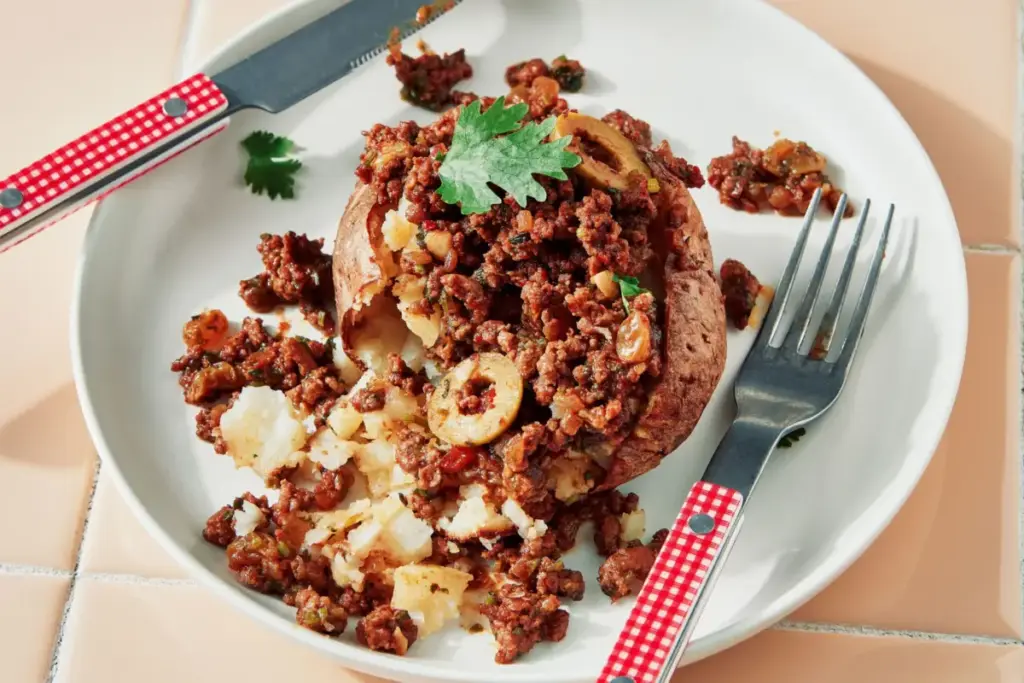
At first glance, the baked potato appears to be one of the most straightforward items in the culinary repertoire, requiring little more than root vegetable, heat, and time. Yet, professional kitchens and food scientists alike have long recognized a vast divide between a merely acceptable baked potato and an extraordinary one. The nuances of skin texture, interior fluffiness, and the structural integrity of the spud depend heavily on minor adjustments to traditional methods. Recent insights from the culinary world suggest that many home cooks have been approaching the humble potato all wrong, starting with how it is wrapped and ending with how it is opened and served.
For generations, wrapping russet potatoes tightly in aluminum foil has been a standard practice in households and restaurants, driven by the belief that it accelerates cooking and locks in moisture. However, culinary testing reveals that this technique is actually counterproductive to achieving a superior texture. While foil creates a steamed, tender interior, it simultaneously traps moisture against the skin, rendering it limp, wet, and entirely devoid of crispness.
To achieve a truly crisp skin that rivals the texture of a potato chip, culinary experts recommend bypassing the foil entirely and baking the potatoes directly on the oven grate at a relatively high temperature. Before entering the oven, the scrubbed russet potatoes should be rubbed generously with vegetable oil and seasoned with a heavy hand of salt. This preparation not only seasons the exterior skin but also assists in drawing out surface moisture during the baking process, encouraging a shatteringly crisp crust.
A common misconception among home cooks is that baking potatoes directly on the oven rack without foil will dry out the interior or prevent the flesh from becoming light and fluffy. In reality, achieving a fluffy interior is entirely a matter of internal temperature rather than trapped steam. According to kitchen tests, a baked potato achieves its optimal internal fluffiness when it reaches at least 212 degrees Fahrenheit. While checking a potato with a meat thermometer may initially feel unconventional or overly meticulous, it serves as a foolproof method to guarantee that the inside is thoroughly cooked and airy, matching the textural contrast of the crisp outer skin.
Beyond the baking process, the method by which a baked potato is opened has long been a subject of debate among culinary authorities. The Idaho Potato Commission, among other prominent agricultural and food organizations, has long maintained that the way a potato is opened significantly affects its final mouthfeel and texture. Rather than reaching for a standard kitchen knife, proponents of this school of thought suggest using a fork to gently puncture a neat plus sign into the surface of the hot spud.
Other notable figures in the food world champion a far more dramatic approach. Beloved food writer and culinary author Nigel Slater has famously advocated for a physical strike reminiscent of a martial arts maneuver. In a piece published for The Guardian, Slater described the technique vividly, advising cooks to bring their hand down fast and sharp as if executing a karate chop, but with only enough force to crack open the potato skin without crushing the underlying flesh. Whether home cooks choose to attempt this dynamic feat remains entirely in their own hands, though extensive testing by culinary publications has indicated that a single fork-pricked line drawn down the length of the spud is often the most effective and controllable method for releasing steam and exposing the fluffy interior.
Once the potato has been opened and properly aerated, it transitions from a simple side dish into a versatile canvas capable of supporting a wide array of hearty fillings and toppings. Traditional offerings like butter, sour cream, and chives are frequently joined by more substantial, meal-sized accompaniments ranging from classic tuna salad to rich, cheesy baked beans.
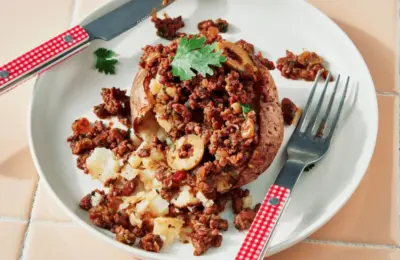
Recent culinary developments have introduced more globally inspired flavor profiles to the baked potato format, such as a picadillo-inspired mixture centered around ground beef. This savory topping delivers a rich combination of protein, iron, and creatine, though alternative proteins such as ground turkey or ground chicken can be substituted with equally satisfying results. To elevate the dish further, this savory meat mixture is traditionally adorned with sweet golden raisins and briny stuffed olives, creating a complex balance of flavors.
A spicy tomato sauce is often spooned over the top, designed to slowly soak into the steaming potato over time, continuously seasoning the fluffy interior with every passing minute. When preparing such sauces, culinary professionals emphasize the importance of selecting a proper chili powder—specifically one that utilizes a balanced blend of spices including ground chiles, cumin, oregano, and garlic, rather than relying solely on dried ground chiles, which can result in a one-dimensional flavor profile.
This focus on elevated simplicity aligns with broader culinary philosophies surrounding healthy, wholesome eating. The approach underscores the notion that nutritious cooking does not need to be overly complicated or burdensome; in fact, the simplest preparations often yield the most compelling flavors. Through ongoing explorations in test kitchens and culinary columns, experts continue to highlight feel-good recipes designed for everyday cooking, while challenging persistent myths surrounding staple ingredients. Among these is the growing recognition that white potatoes are far from being merely empty calories, possessing a robust nutritional profile that makes them a genuinely valuable component of a balanced diet.